
 LAST SPOTS | Trip from 15 to 26 April 2026 /
 Discover the highlights of this trip to Turkmenistan
Ashgabat: monumentality, symbolism and first impressions on this trip to Turkmenistan
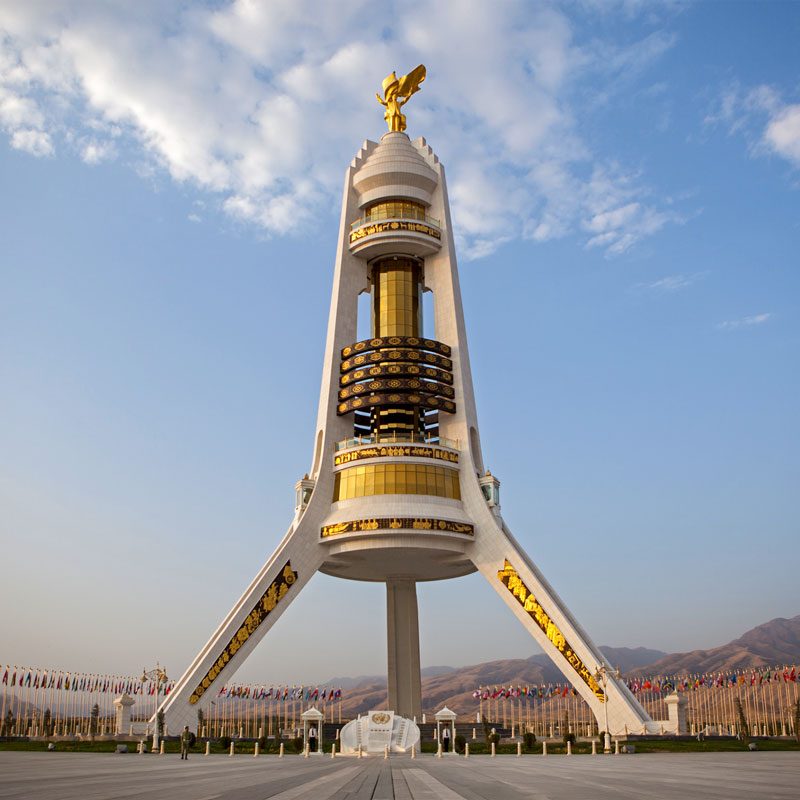
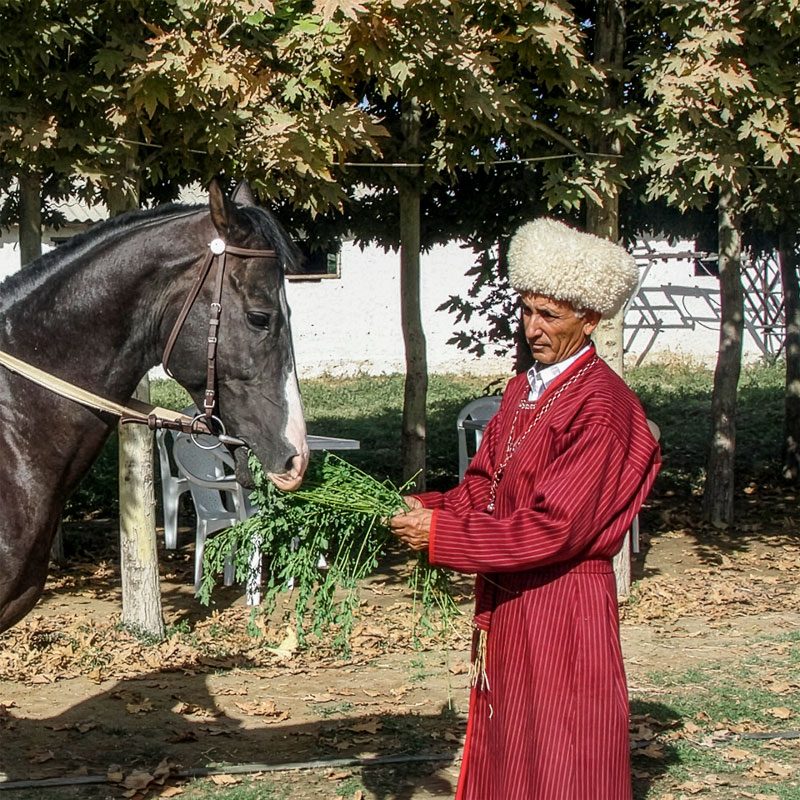
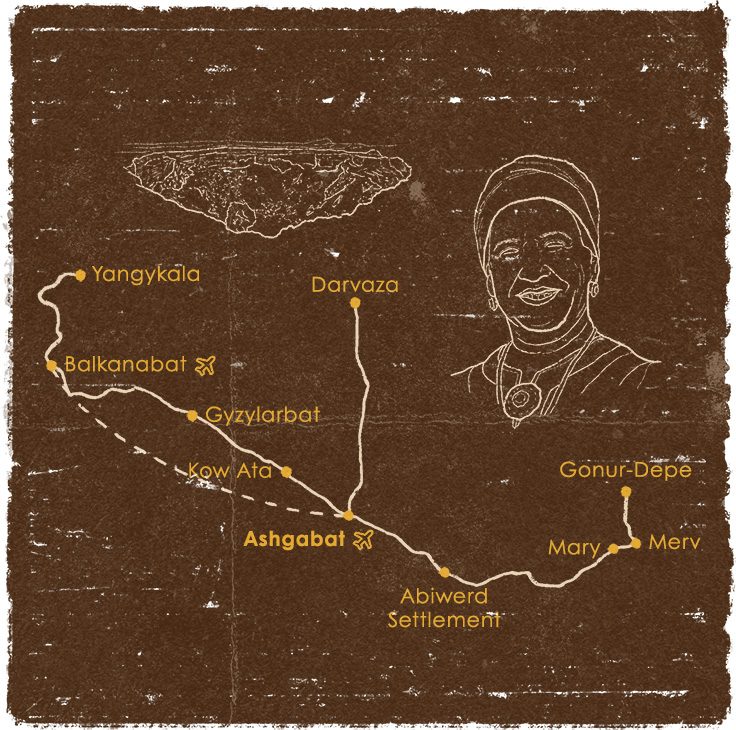
We will begin our trip to Turkmenistan in Ashgabat, a striking and unexpected capital city. Its name means “the City of Love”, and it stands out for its white marble architecture and wide, monumental avenues. From the very beginning, we will explore some of the city’s most representative spaces in order to understand its political, cultural and urban identity, shaped by strong national symbolism and a unique aesthetic within Central Asia. We will visit Ancient Nisa, a UNESCO World Heritage Site, a Parthian fortress with a pentagonal layout that once housed temples and palatial buildings of the ancient empire. We will also explore the National Museum, Independence Park and the Arch of Neutrality, all key symbols of the country’s recent history and its distinctive concept of international neutrality. In addition, we will visit the Wedding Palace, the Alem Ferris Wheel — recognised by Guinness World Records as the largest indoor Ferris wheel in the world — and Makhtumkuli Park, spaces that reflect the capital’s modern and ambitious character. Finally, we will visit the stables of the Akhal-Teke horses, one of the world’s oldest and most iconic breeds, with the opportunity to ride for those seeking a closer experience.
Towards Mary: ancient routes, sanctuaries and everyday life
Next, the trip to Turkmenistan will take us towards the historic city of Mary, crossing territories linked to ancient trade routes and long-lost settlements. Along the way, we will discover the ruins and sanctuary of the Seyit Jemaleddin Mosque. Also, we will visit the remains of Abiwerd, sites that reveal the deep historical layers of this region. Once in Mary, we will explore the Juma Mosque and the Pokrovskaya Orthodox Church, one of the most beautiful religious monuments in the country, built in the 1990s and rich in spiritual symbolism. We will also walk through the local bazaar, where we will observe daily life, regional products and the social dynamics of a key city in the south-east of the country.
Gonur Depe: Margiana and the origins of civilisation
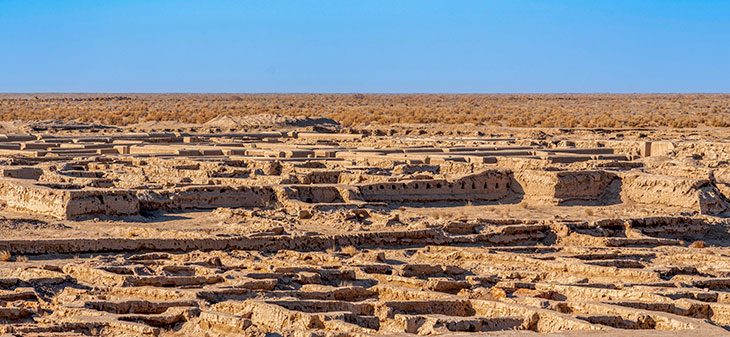
We will then travel by 4x4 vehicles into the desert to reach Gonur Depe, the most important settlement of ancient Margiana, also known as Margush. This site, dating back to the seventh millennium BCE, was a prosperous urban centre with advanced irrigation systems, urban planning and religious structures linked to early Zoroastrianism. We will explore the ruins of an extensive city that once contained palaces, temples with fire altars, residential areas and ceremonial spaces, making it one of the most significant archaeological sites in Central Asia. The archaeologist Viktor Sarianidi considered this place one of the great ancient civilisations, and some researchers regard it as a possible fifth cradle of civilisation alongside Mesopotamia, Egypt, India and China. This visit reinforces the archaeological and academic depth of the trip to Turkmenistan.
Ancient Merv: urban power and Islamic heritage
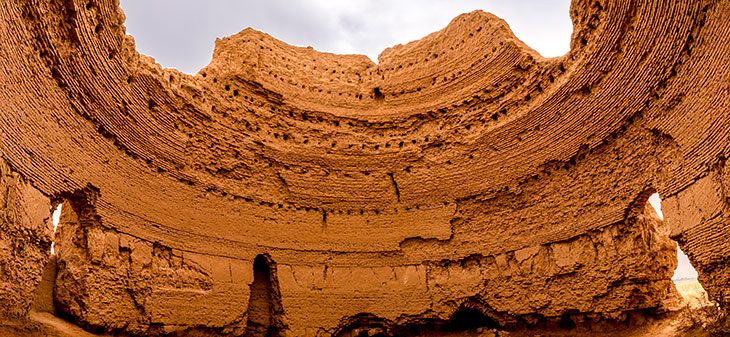
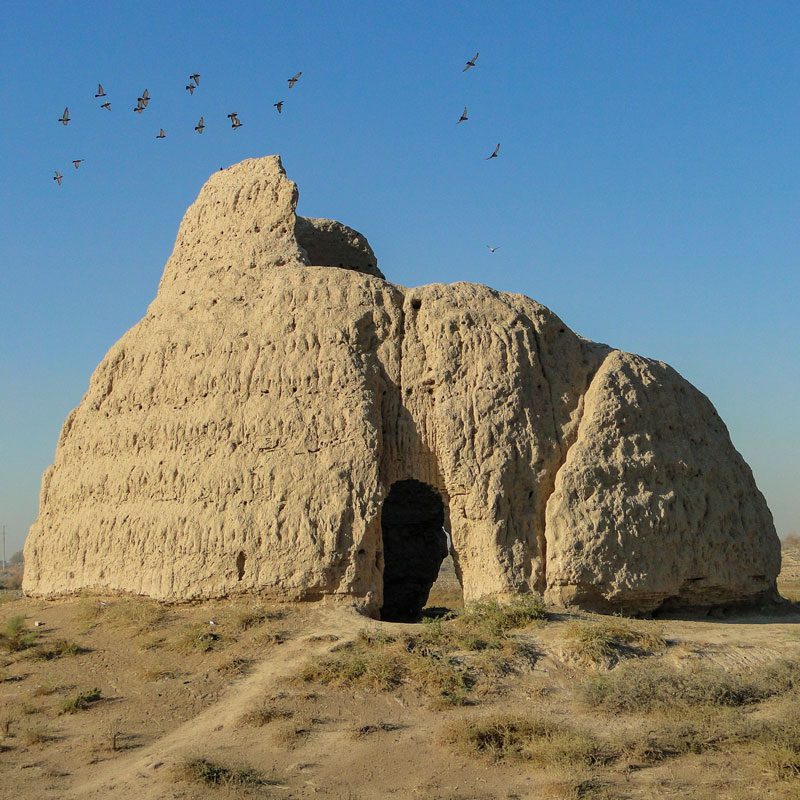
Later, we will enter the Historical Park of Ancient Merv, a UNESCO World Heritage Site known as the “Queen of Cities”. We will explore a vast complex of fortresses, citadels and mausoleums spanning different historical periods, from the Achaemenid era to the height of medieval Islamic splendour.
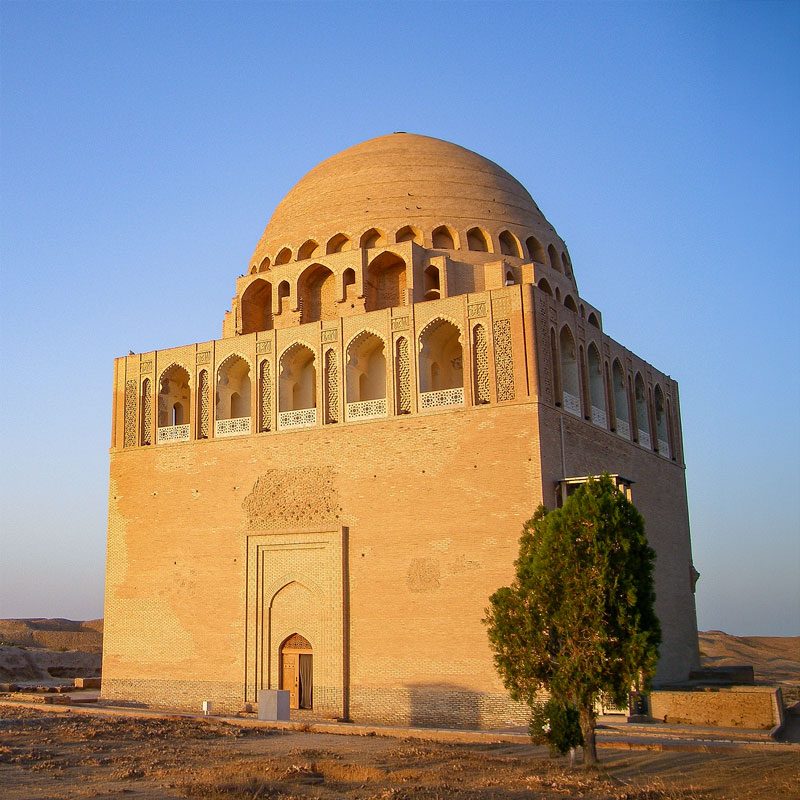
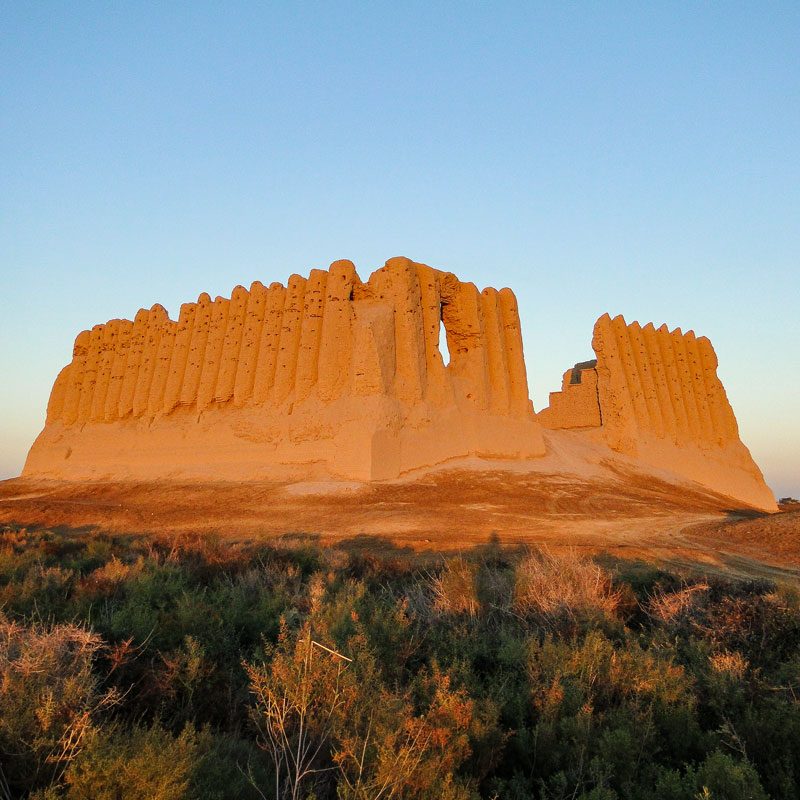
We will visit the mausoleum of Sultan Sanjar, the last great ruler of the Seljuk Empire, as well as the Greater and Lesser Kyz Kala fortresses, known as the “Fortresses of the Maidens”. We will also discover Erk Gala, Gyaur Gala, the Keshk fortresses and the mausoleum of Muhammed ibn Zaid, gaining insight into Merv’s role as a major political, religious and commercial centre.
Mosques, fortresses and thermal waters of the interior
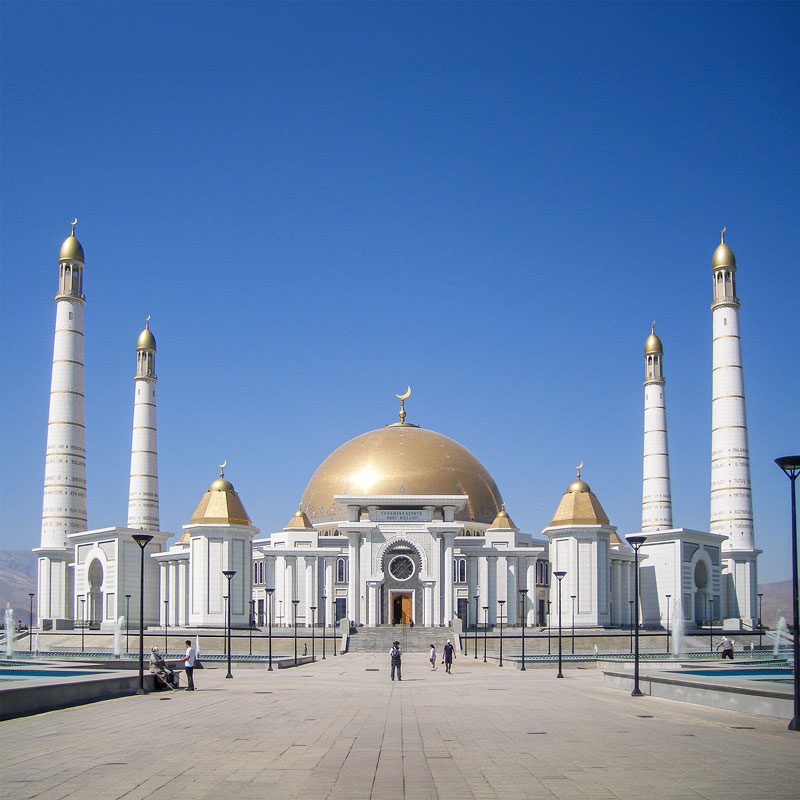
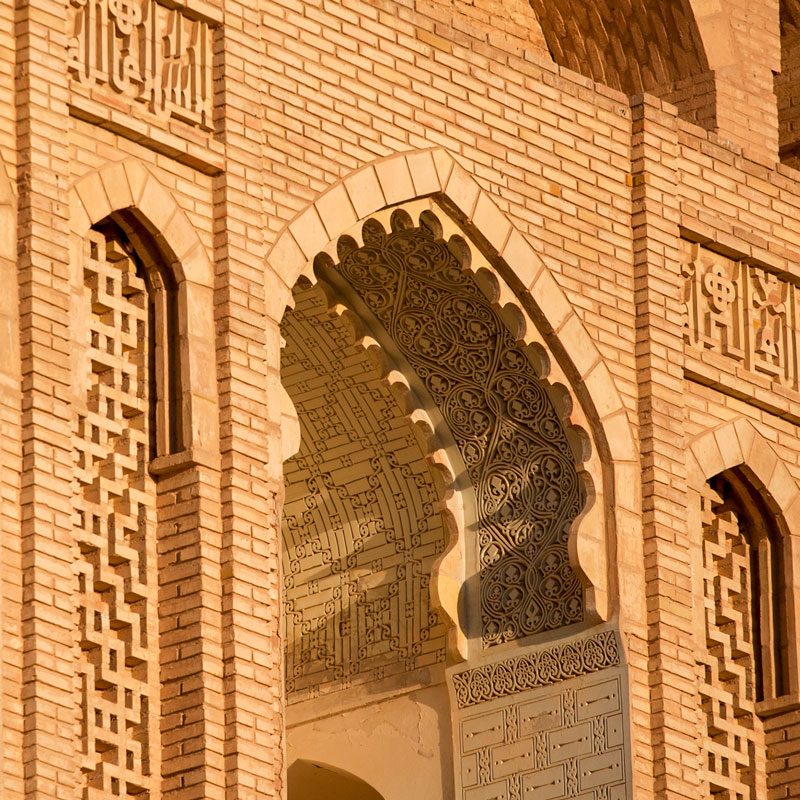
Continuing the trip to Turkmenistan, we will leave the capital behind to explore sites of great historical and spiritual significance. We will visit the Turkmenbashi Mosque-Mausoleum, also known as Gypjak, one of the country’s most imposing religious buildings and a powerful symbol of personality cult.
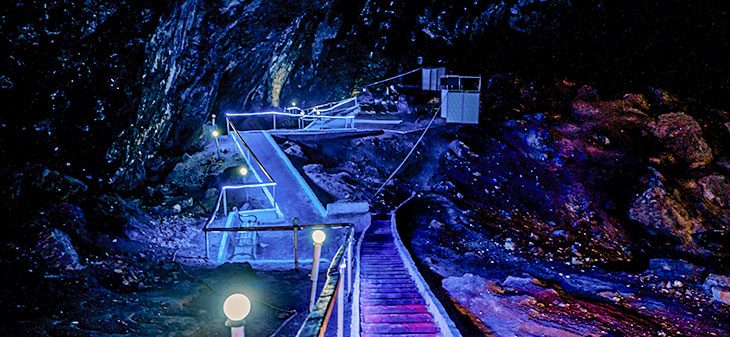
We will then explore the fortress and mosque of Geok-Depe, the setting of one of the most important episodes of Turkmen resistance. In addition, we will stop at the underground lake of Kow-Ata, a limestone cave filled with warm mineral water, renowned for its healing properties and unique atmosphere.
Yangikala: extreme landscapes on this trip to Turkmenistan
The trip to Turkmenistan will then take us to the Yangikala canyons, often referred to as the Grand Canyon of Central Asia. We will explore this spectacular landscape of limestone formations in shades of white, pink and orange, sculpted by erosion over millions of years.
The views from the cliffs and the rock formations known as the “Crocodile’s Mouth” offer some of the most striking natural scenery in the country. This section adds a crucial landscape dimension to the overall experience.
Darvaza: fire, desert and a night under the stars
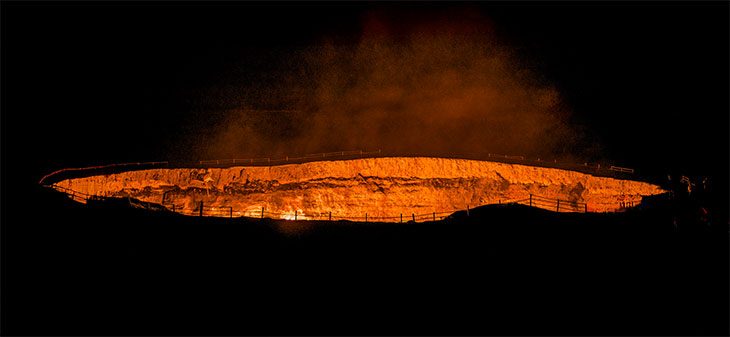
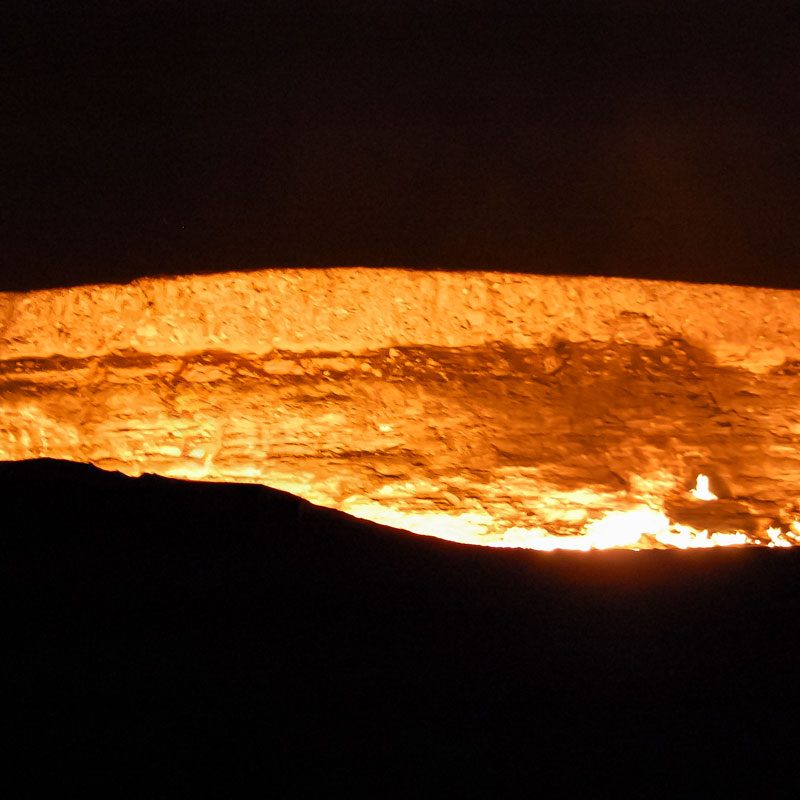
Later, we will cross the Karakum Desert to reach the Darvaza gas crater, popularly known as the Gates of Hell. This crater has been burning continuously for decades and creates an especially dramatic spectacle after nightfall.
We will enjoy a traditional dinner in the desert and watch the sunset while sharing tea prepared in the traditional way. We will spend the night in yurts, experiencing one of the most iconic moments of the trip to Turkmenistan.
Kunya Urgench: medieval heritage of the north
We will continue towards Kunya Urgench, another UNESCO World Heritage Site. We will visit the Kutlug Timur Minaret, the Turabek Khanum Mausoleum, the mausoleums of Tekesh and Il Arslan, and the ancient caravanserai gates.
This monumental ensemble reflects the city’s importance as a political and religious centre during the Middle Ages.
© Photos taken during a trip to Turkmenistan.
► Download the itinerary for this trip to Turkmenistan
Click the button below to easily access the download form for this trip to Turkmenistan.

 ES
ES

