
 Trip to Bolivia from 7 to 18 September 2026 / From 2,950€
 Discover the highlights of this ethnographic trip to Bolivia
Santa Cruz: Guaraní world and Mennonite colonies
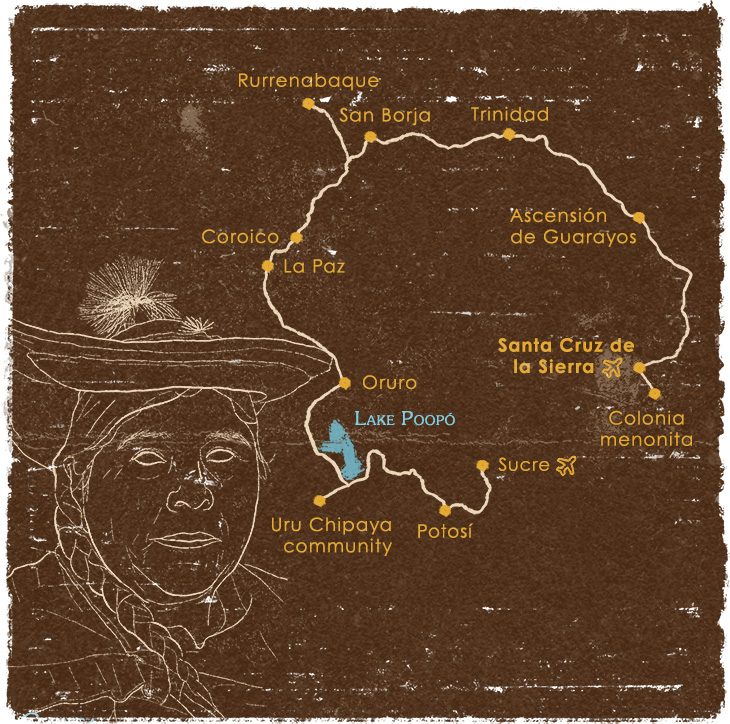
The ethnographic trip to Bolivia will begin in Santa Cruz de la Sierra, one of the country’s most dynamic cities. From the outset, we will observe the contrasts between economic growth, modernity and cultural diversity. In addition, we will take part in an anthropological introduction to the journey. We will discuss territory, identity and worldview. Thus, this first stage will provide essential keys to understanding contemporary Bolivia. During the ethnographic trip to Bolivia, we will visit an Ava Guaraní community. There, we will discover a worldview linked to the search for the Land Without Evil. Territory will be understood as both a physical and spiritual space. Likewise, we will spend time with local families and community leaders. Later, we will visit a Mennonite colony. In this way, we will compare very different ways of life shaped by values, religion and social organisation.

Cochabamba: markets, heritage and urban life
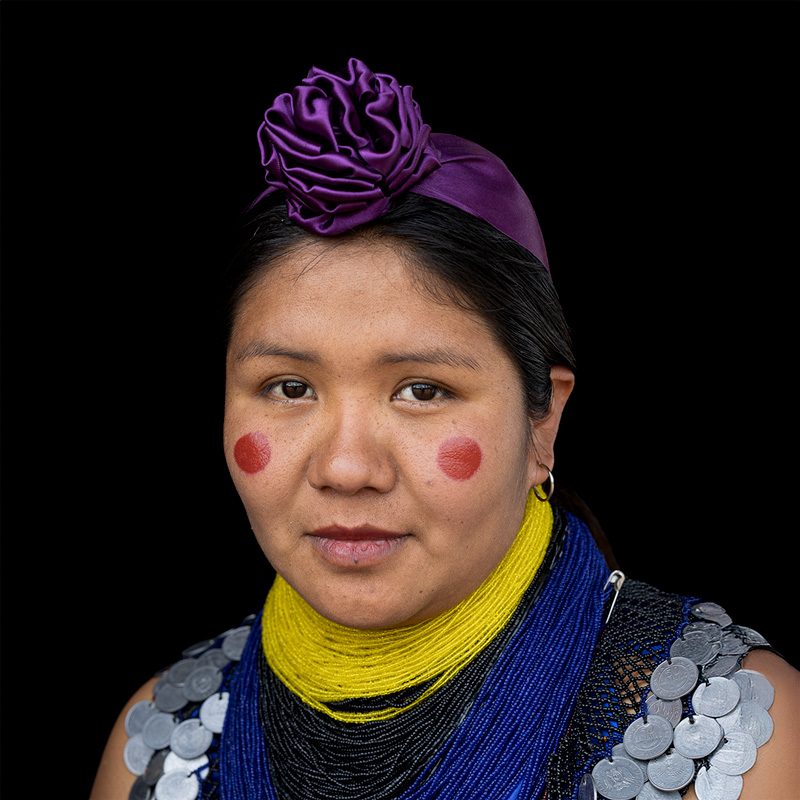
The ethnographic trip to Bolivia will continue in Cochabamba, a city located between the Andes and the valleys. Here, different identities and economies converge. We will explore local markets full of everyday life. We will also visit emblematic sites such as the Portales Palace and Cristo de la Concordia. Therefore, this stage will allow us to analyse the relationship between tradition, urban development and social transformation.


Raqaypampa: Indigenous self-government and Quechua community
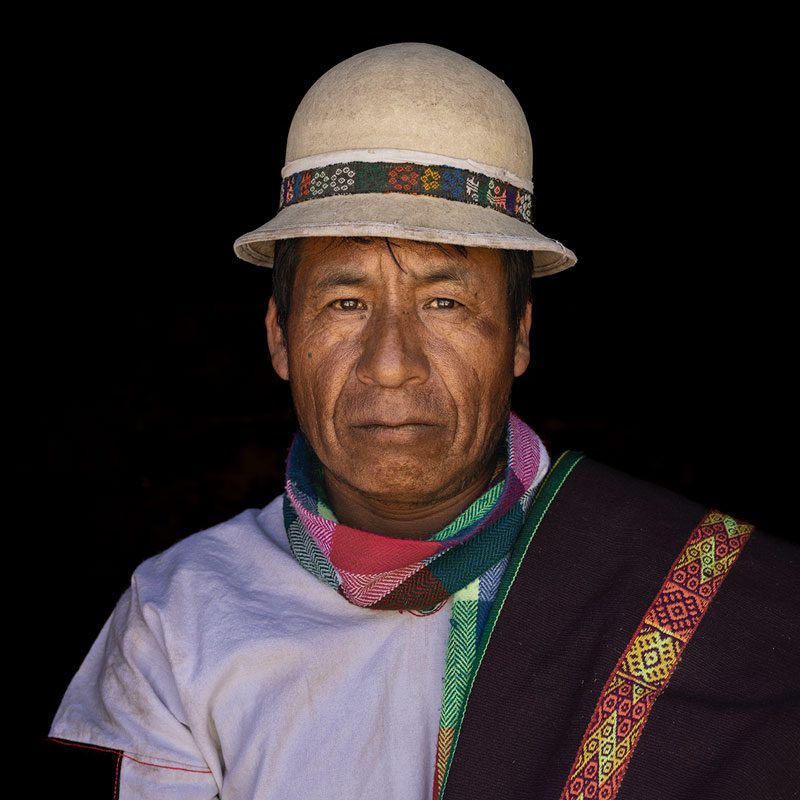
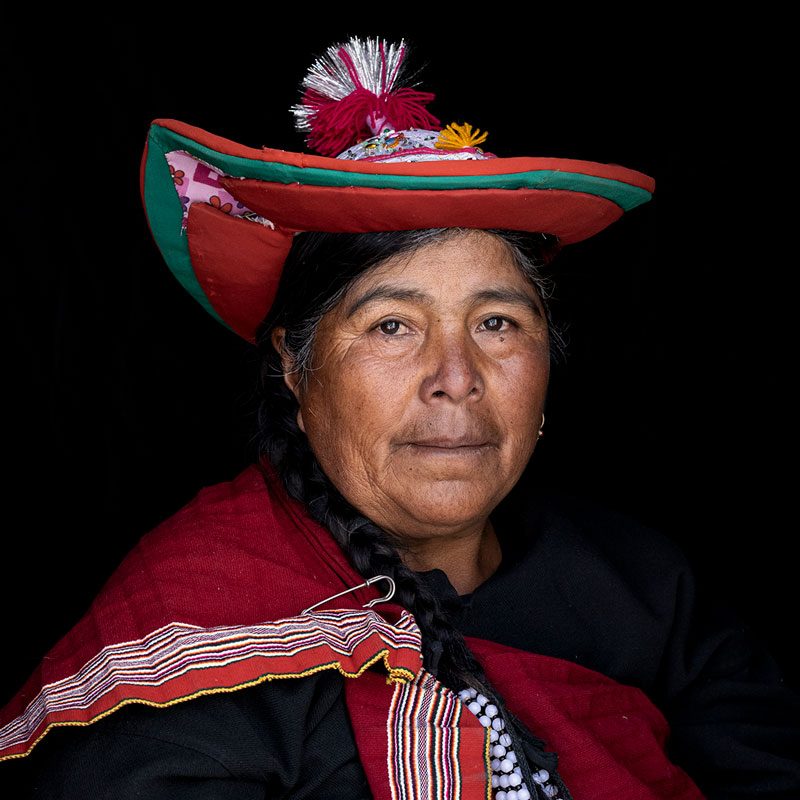
We will then travel to the Quechua territory of Raqaypampa. This area offers one of the most valuable experiences of the ethnographic trip to Bolivia. We will take part in daily tasks such as agriculture, cooking and family organisation. In addition, we will learn about the first officially recognised Indigenous autonomy in the country. We will observe how collective decision-making and territorial management function. Thus, we will understand Indigenous self-government from within.
Tsimane territory: jungle immersion and ancestral knowledge
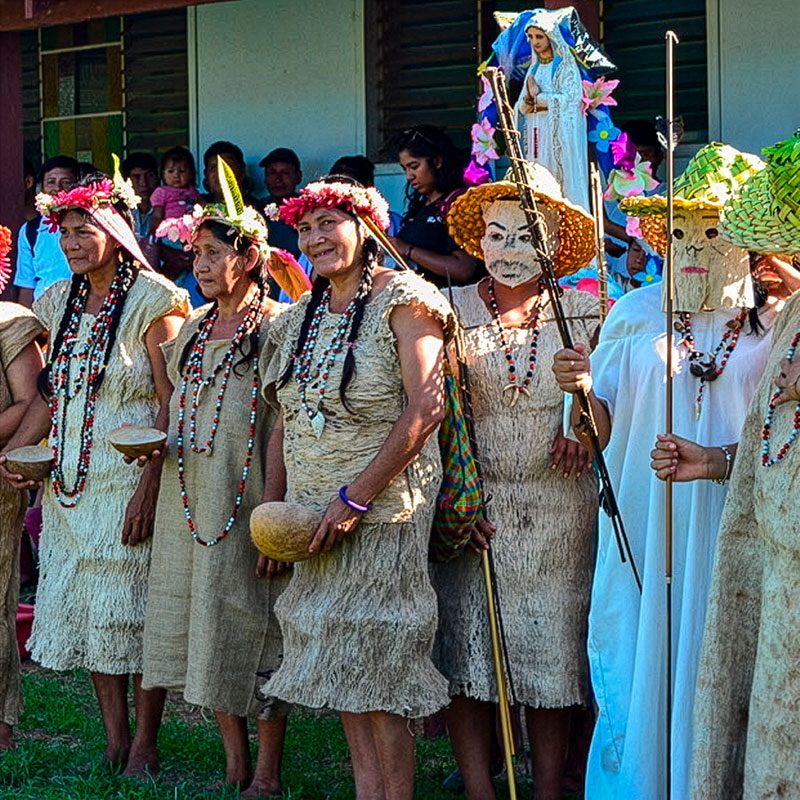
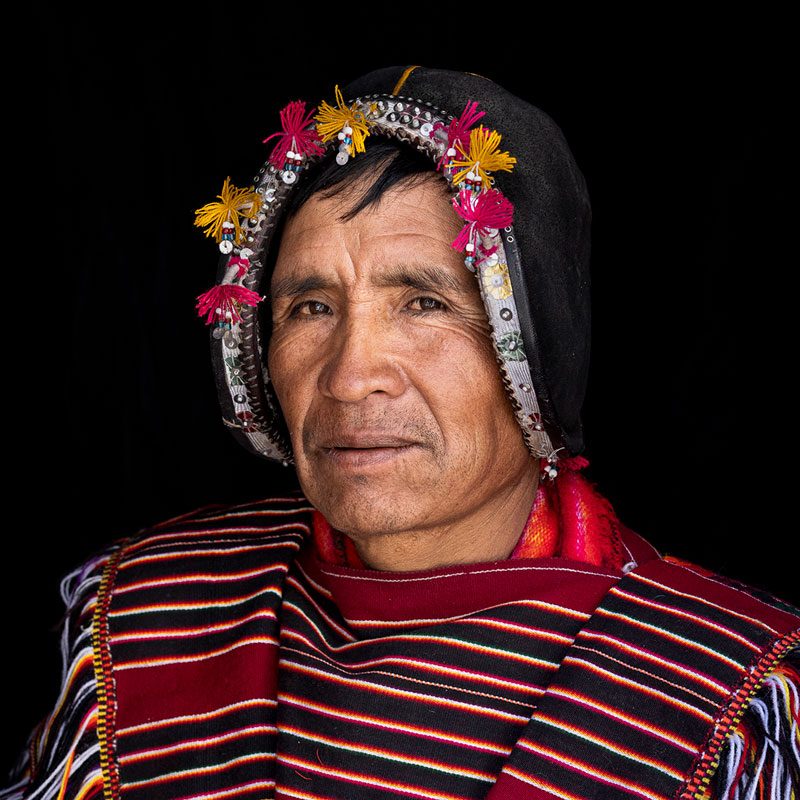
After the Andean experience, the ethnographic trip to Bolivia will take us to Trinidad, in the Amazon region. The change of landscape will be total. We will move from valleys to a humid jungle environment. Likewise, we will learn about the regional history shaped by former missions and adaptation to the natural environment. This transition will reveal the country’s immense ecological and cultural diversity. One of the central moments of the ethnographic trip to Bolivia will be living alongside Tsimane communities. We will reach the Maniquí River by combining road travel and canoe navigation. Over several days, we will walk through the jungle and identify medicinal plants. We will also take part in traditional fishing, local cooking and craft techniques. In addition, we will understand how knowledge is transmitted orally. In this way, the Amazon will appear as a living and relational space.

El Alto: Indigenous power and political transformation
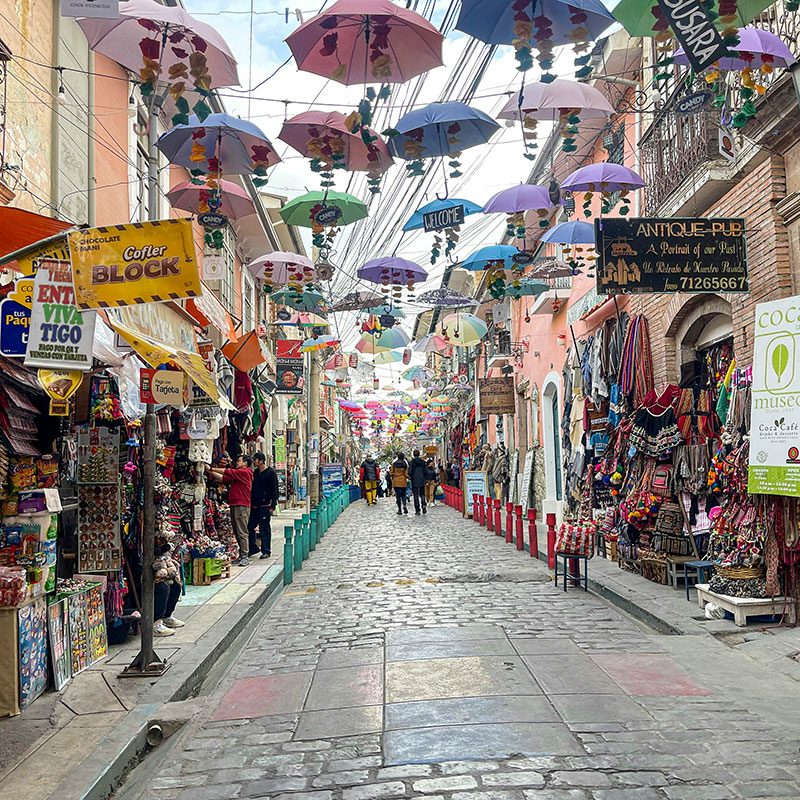
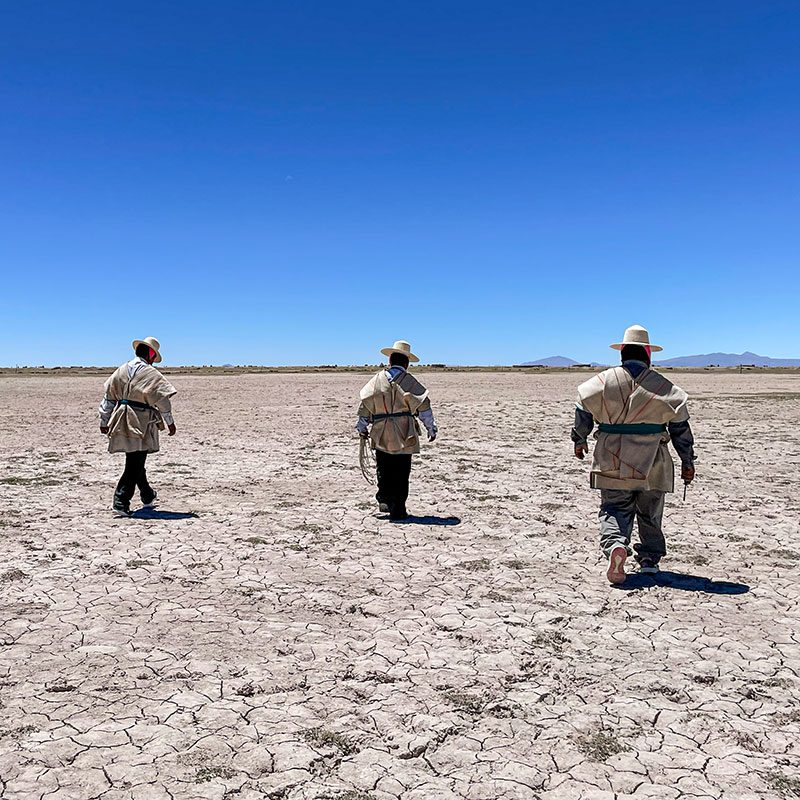
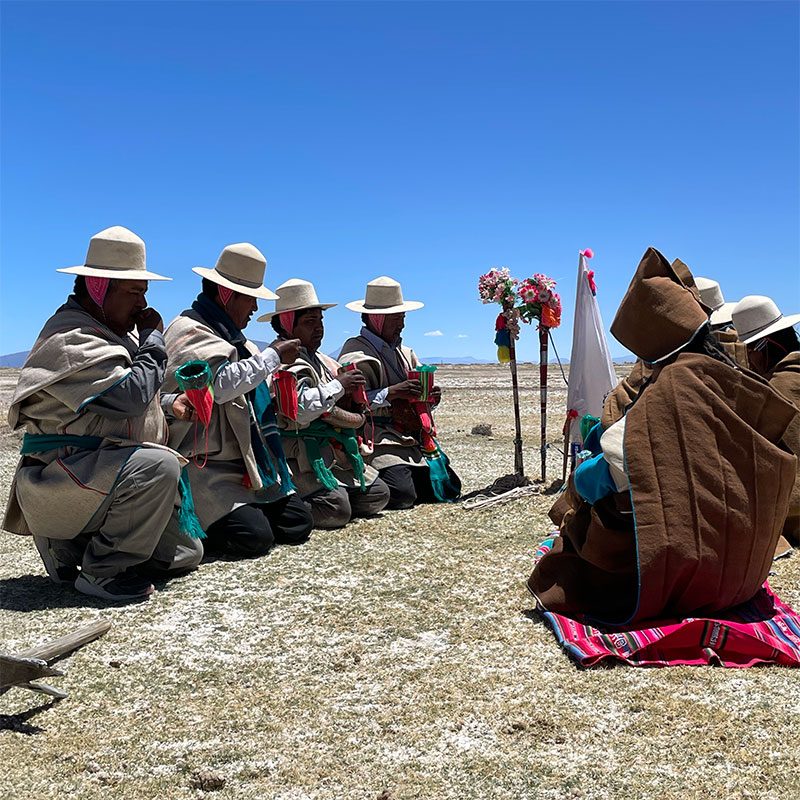
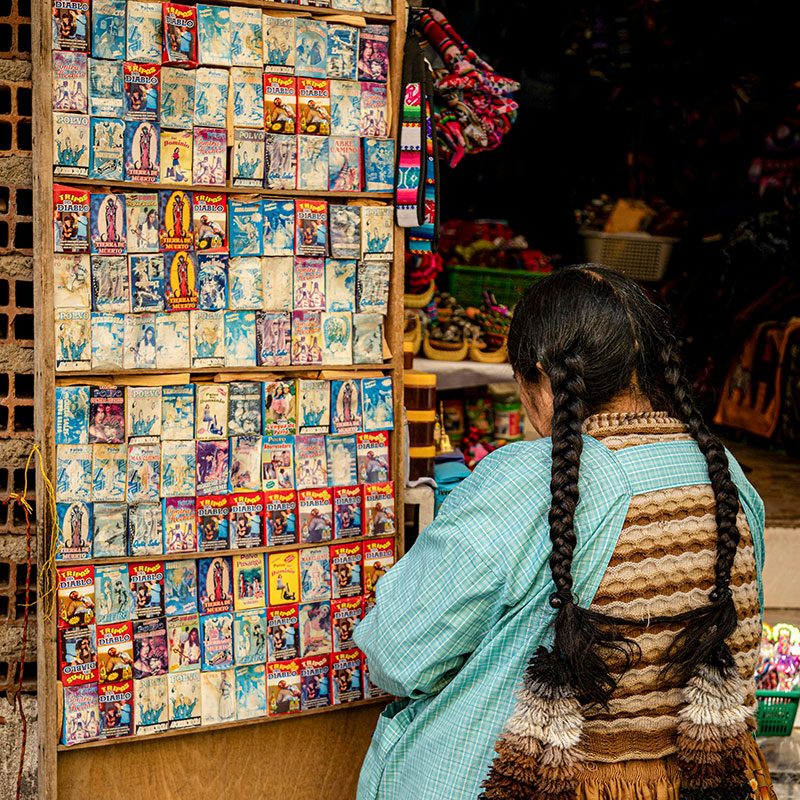
The ethnographic trip to Bolivia will continue in La Paz, one of the most singular capitals in the world. We will explore the city by cable car to understand its social geography. We will also visit the Witches’ Market, where ritual practices, traditional medicine and symbolic objects remain fully alive. In addition, we will explore Sagárnaga and several viewpoints. Thus, we will discover a city where the ancestral coexists with the contemporary. We will then travel to El Alto, the centre of new Indigenous prominence in Bolivia. We will take part in an Aymara ritual with offerings to Pachamama. We will also visit fairs and markets where the community economy remains highly active. Likewise, we will analyse urban expansion and local architecture. We will also learn about the political role of movements such as the Ponchos Rojos. Therefore, this stage will show how tradition and change are closely intertwined.

An ethnographic trip to understand Bolivia from within
En conjunto, el viaje etnográfico a Bolivia propone una inmersión profunda en uno de los países más diversos de América del Sur. No solo visitaremos lugares. También interpretaremos territorios, memorias y formas de vida. Cada etapa aportará contexto humano y riqueza cultural. Por eso, esta ruta es ideal para viajeros interesados en antropología, pueblos indígenas y realidades contemporáneas.
© Photos by Edith Scharffenberg, Joan Riera taken during an ethnographic trip to Bolivia. Photos by Sergio Otoya from Unsplash, Ruben Alexander Sanchez Urzagaste from Pixabay, User 1881452572 and Gabriel Ramos from Pexels.
► Download the itinerary for this ethnographic trip to Bolivia
Click on the button below to easily access the download form for the itinerary of this ethnographic trip to Bolivia.

 ES
ES

