
 Trip from 2 to13 April 2027 / From 1,970€
 Discover the highlights of this trip to Sichuan
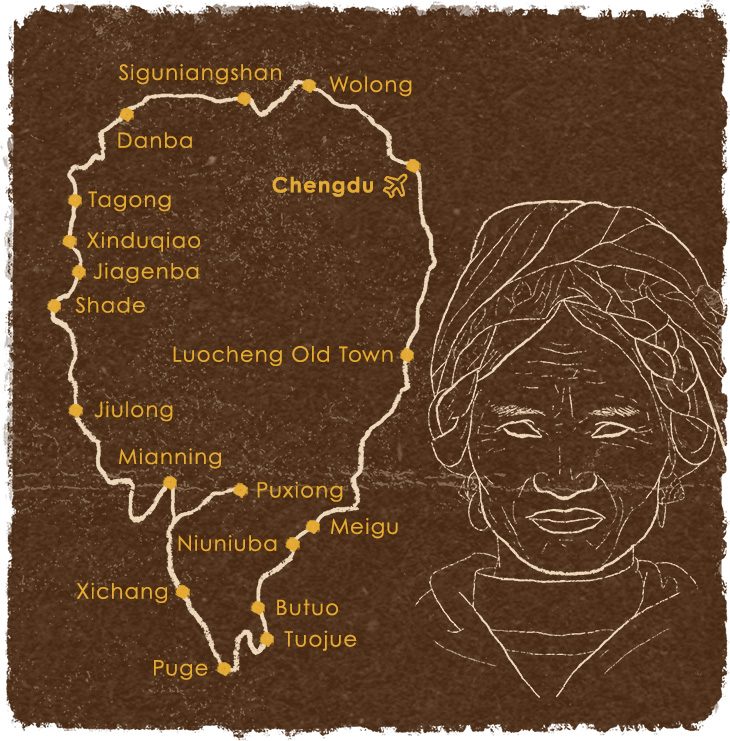
Chengdu: tradition, culture and the essence of Sichuan
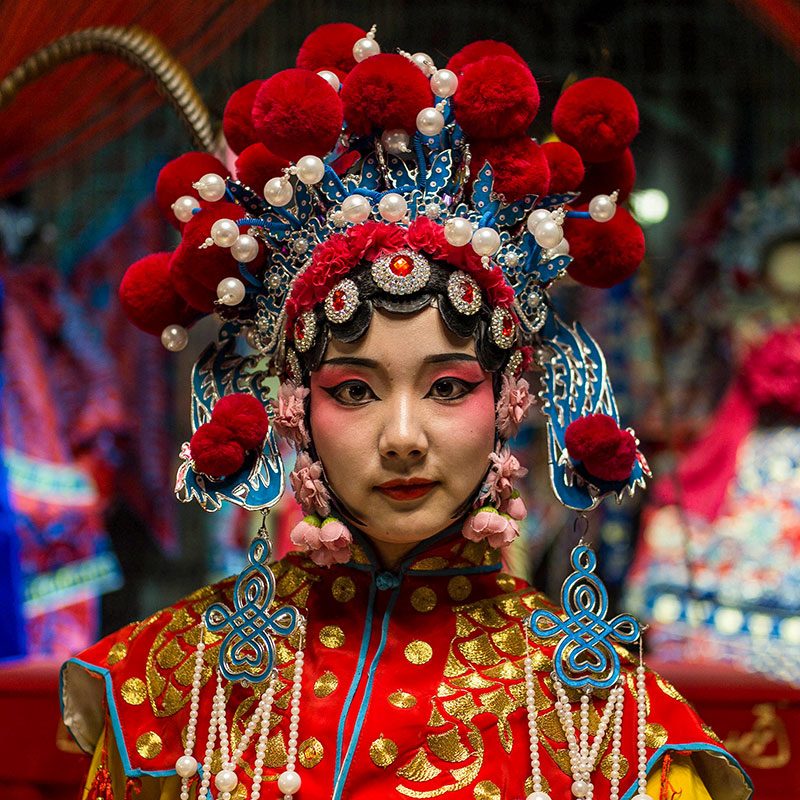
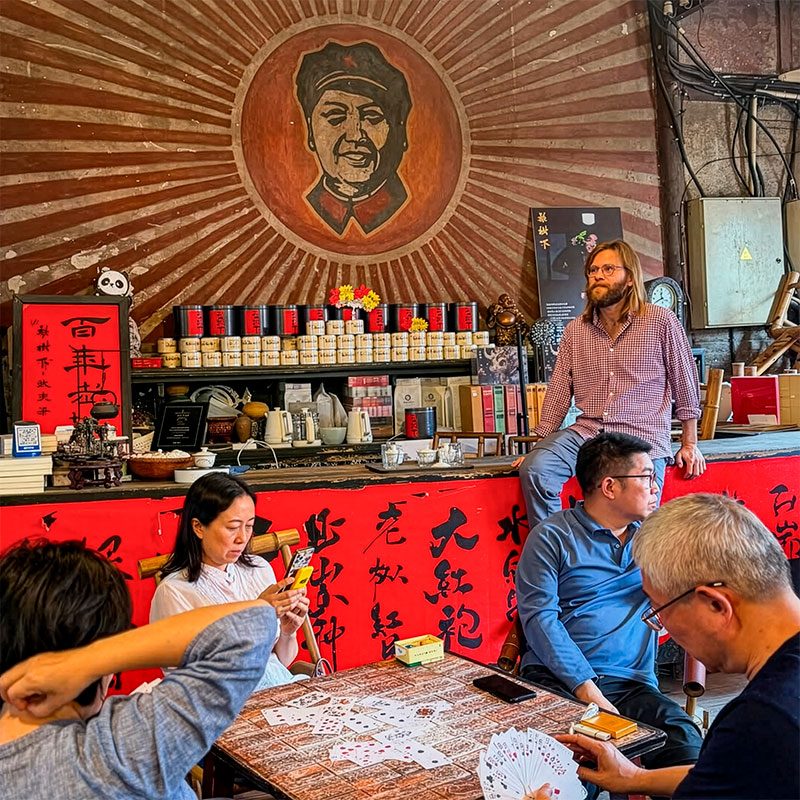
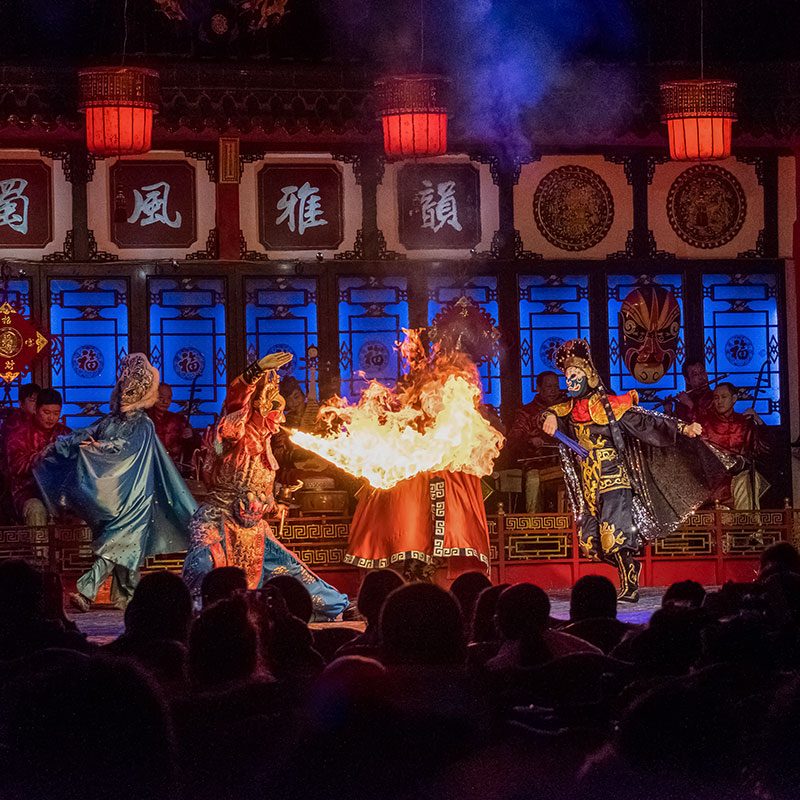
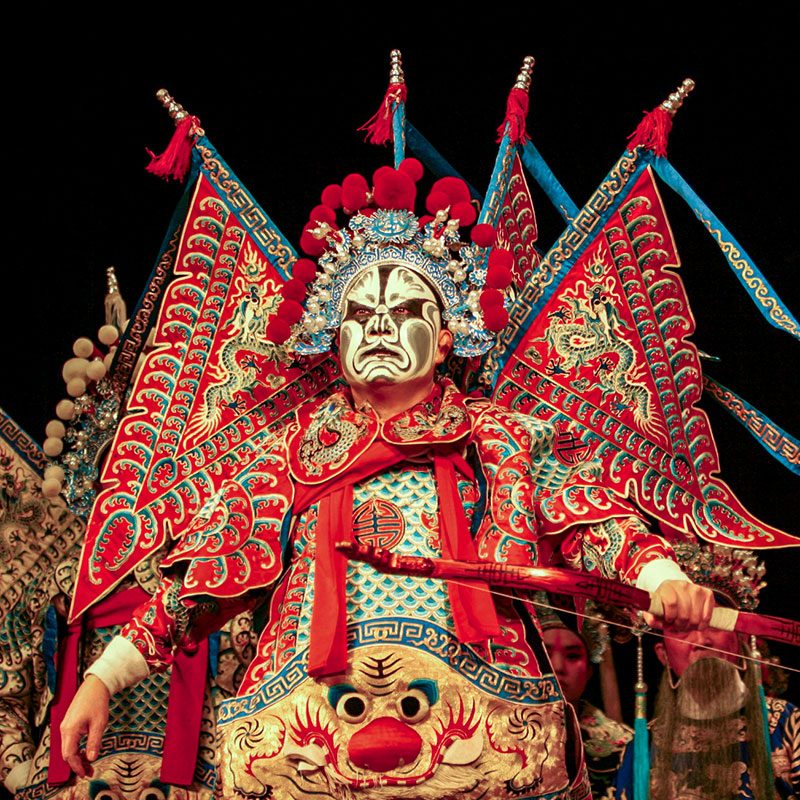
The trip to Sichuan begins in Chengdu, the provincial capital and one of the main gateways to western China. Renowned for its deep-rooted tea culture and its historical importance along the ancient Tea Horse Road, the city provides an excellent introduction to the region's cultural heritage. Our journey begins with a traditional experience at the historic Guanyinge Tea House. There we will discover the profound social and cultural importance that tea continues to hold in everyday Chinese life. At the end of the journey, we will return to Chengdu for a photographic session at some of the city's most iconic locations, including Chunxi Road, Taikoo Li and Tianfu Square, where tradition and modernity blend seamlessly in the heart of the city. To conclude, we will attend a performance of Sichuan Opera at the private Sanhuayun company. Famous for its dramatic face-changing performances, music and traditional theatre, this art form is one of the province's most distinctive cultural expressions. This first stage of the trip to Sichuan provides an excellent introduction to the traditions that define the region's cultural identity.
Wolong and the Siguniangshan Mountains: giant pandas and high-mountain landscapes
One of the highlights of the trip to Sichuan will be a visit to the Wolong National Nature Reserve, one of the world's leading conservation centres for the giant panda and one of the finest places to observe this iconic species in a protected natural environment. Afterwards, we will continue to Maobiliang, a spectacular viewpoint offering panoramic views of the Four Maidens Mountains (Siguniangshan), weather permitting. This impressive mountain range is among the most spectacular in western China. The day combines nature, wildlife conservation and some of Sichuan's most breathtaking scenery.


Sichuan's Tibetan regions: monasteries, fortresses and traditional villages
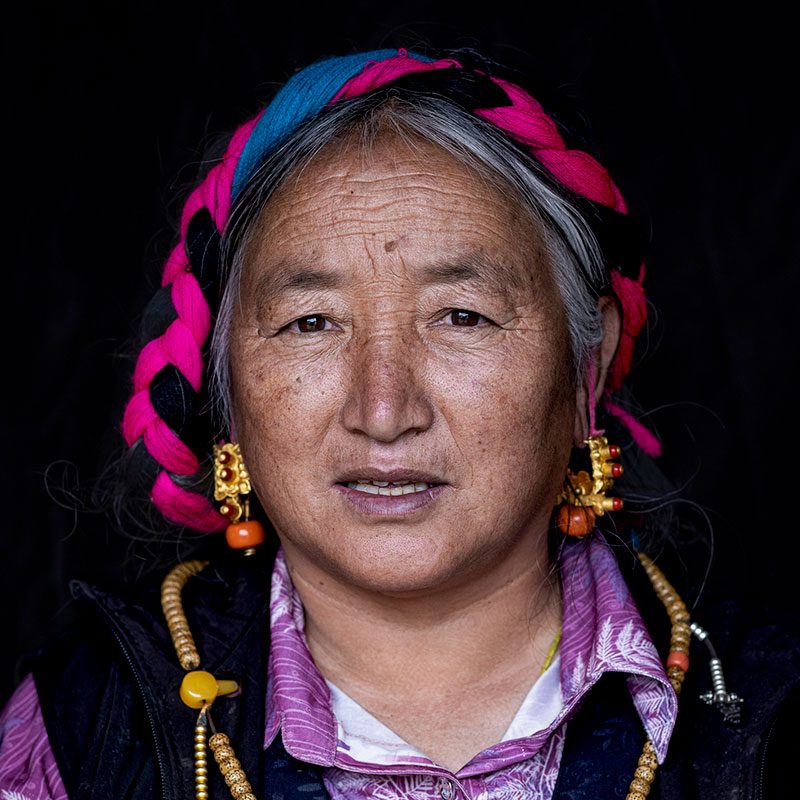
The trip to Sichuan then takes us into the regions inhabited by the Gyarong and Khampa Tibetan communities, where some of western China's most authentic cultural and religious traditions have been preserved. We begin by visiting the Wori Tusi Fortress, a historic symbol of local authority, before exploring the Tibetan village of Zhonglu, where traditional architecture remains perfectly integrated into an outstanding mountain landscape. Next, we will visit the remarkable Suopo Stone Towers, one of the region's most distinctive historical landmarks, before continuing to the Tibetan village of Jiaju, widely regarded as one of the most beautiful villages in China thanks to the harmony between its traditional houses and their natural surroundings. The route continues with visits to Huiyuan Monastery and the historic Tagong Monastery, two important centres of Tibetan Buddhism. If weather conditions allow, we will also enjoy spectacular views from the Balang panoramic viewpoint, overlooking Mount Gongga, the Sacred Yala Mountain and the Sacred Qingrao Mountain. Finally, we will visit the Great Muya Monastery, Gyergo Convent and the Great Mani Wall, three sites deeply connected with Tibetan spirituality. This stage of the trip to Sichuan reveals the extraordinary religious, cultural and scenic heritage of the province's Tibetan regions.


The Yi people: ancestral traditions and living heritage
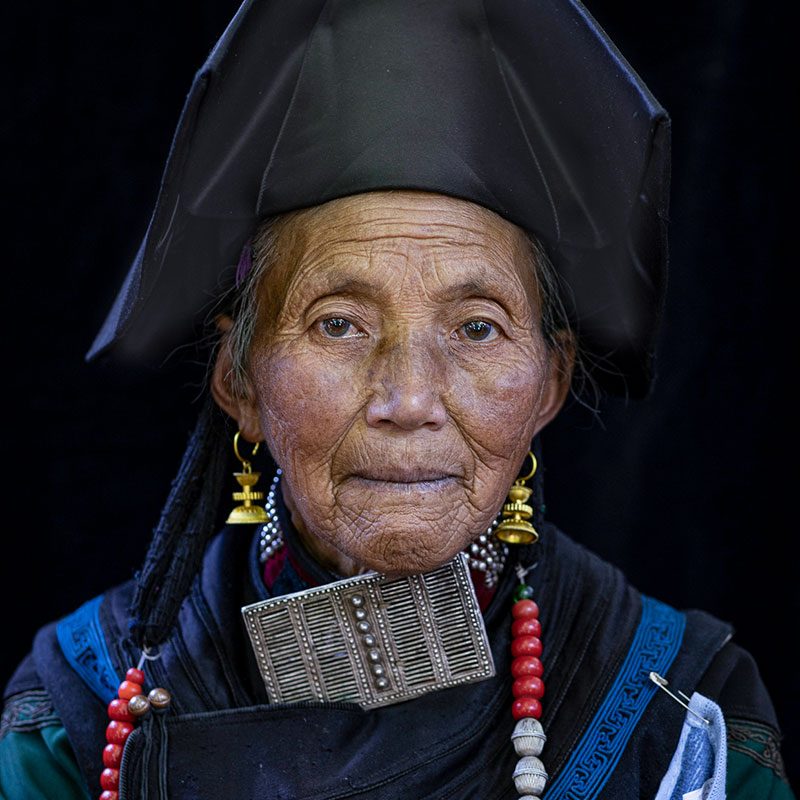
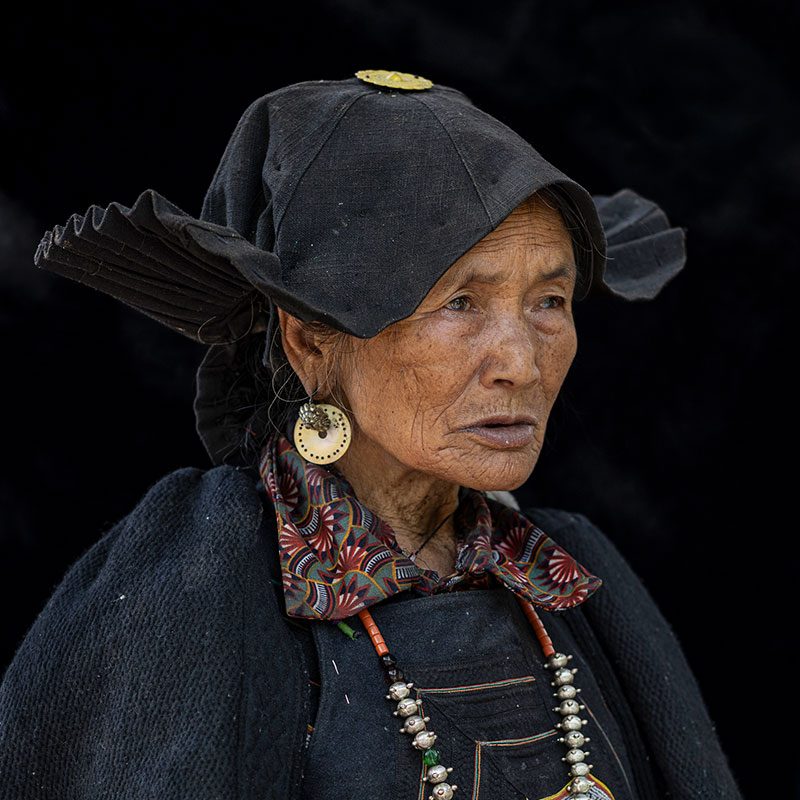
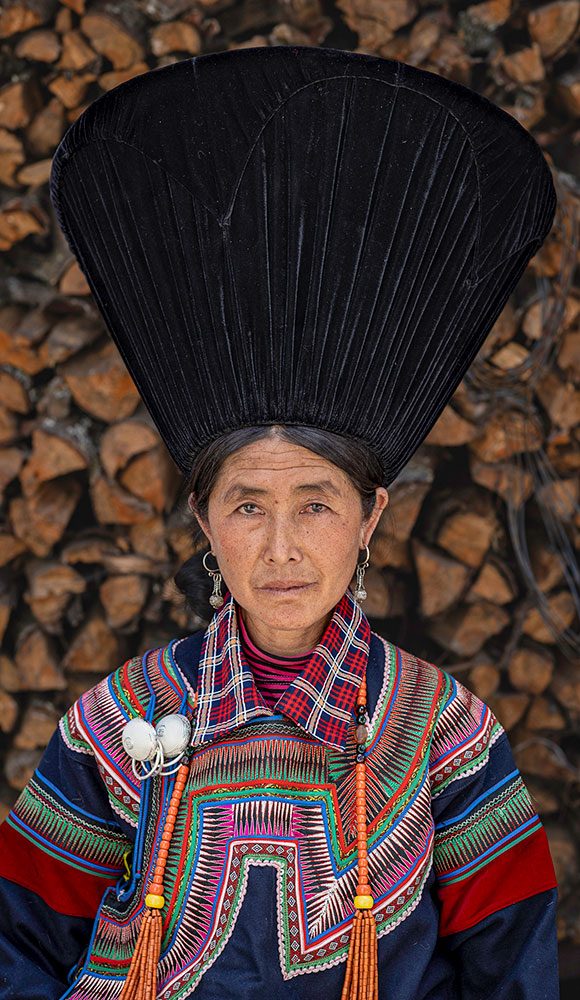
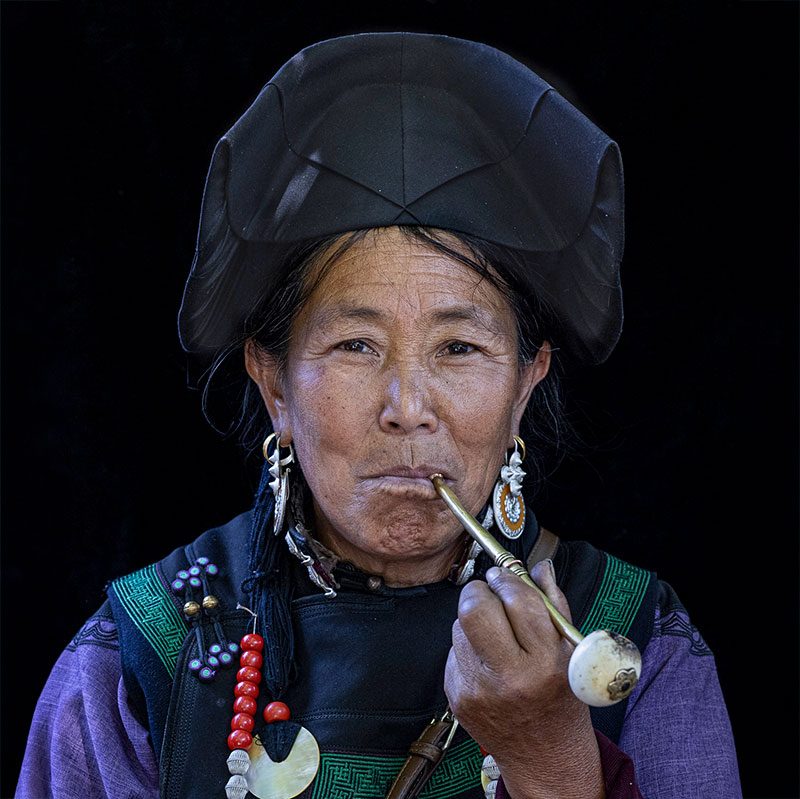
One of the most rewarding aspects of the trip to Sichuan will be the opportunity to discover the culture of the Yi people, one of south-west China's largest ethnic minorities, whose traditions continue to shape everyday life.
The Tibetan-Yi Corridor and traditional craftsmanship
We will travel through the Tibetan-Yi Corridor, a region of remarkable cultural diversity where we will meet an artisan specialising in traditional Yi embroidery. We will also take part in a cultural experience centred on the community's traditional costumes, discovering the symbolism behind their fabrics, colours and decorative motifs. Later, we will travel aboard the local Train 5633, sharing the journey with Yi passengers who use this historic railway service in their daily lives. It is an exceptional opportunity to witness authentic scenes rarely encountered elsewhere in China.Markets, villages and encounters with Yi culture
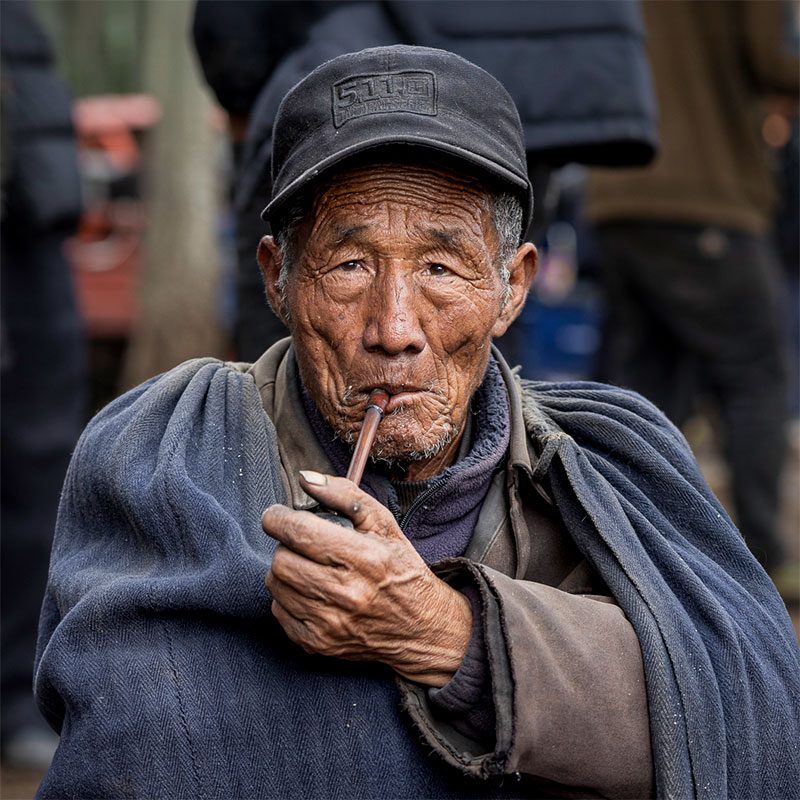
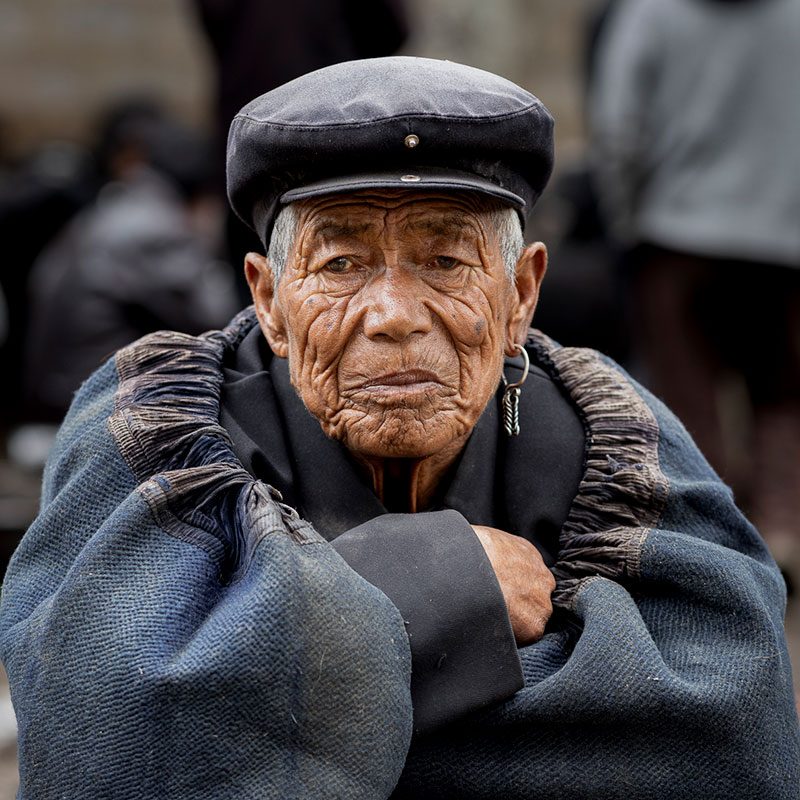
The trip to Sichuan continues at the traditional livestock market of Tuojue, one of the region's most important commercial gatherings. Here, we will observe the lively atmosphere of the market and enjoy excellent opportunities for photography in a setting where traditional ways of life remain largely unchanged. Also, we will meet an elderly man revered as "Tian Pusa", or the "Living Bodhisattva", a highly respected figure within the local community. Afterwards, we will stroll through the town of Butuo, whose atmosphere, architecture and traditional shops vividly reflect the cultural identity of the Yi people. The route continues to Meigu's local market and several traditional villages. There, we will meet an heir to the Bimo ritual tradition, one of the principal custodians of the Yi people's spiritual and ceremonial heritage. Finally, we will visit the Ancient Town of Luocheng, renowned for its distinctive boat-shaped urban layout. It has also preserved its traditional wooden architecture for more than four centuries. This final stage of the trip to Sichuan offers the opportunity to discover one of the most fascinating and least explored cultures of south-west China, where ancestral traditions continue to play an integral role in everyday life.
© Photos taken during a trip to Sichuan
► Download the itinerary for this trip to Sichuan
Click the button below to easily access the download form for this trip to Sichuan


 ES
ES

