
 Trip to Myanmar from 16 to 28 October 2027 / From 5,950€
 Discover the highlights of this tribal trip to Myanmar:
Cities, heritage and traditional markets
Yangon: colonial architecture, markets and urban life
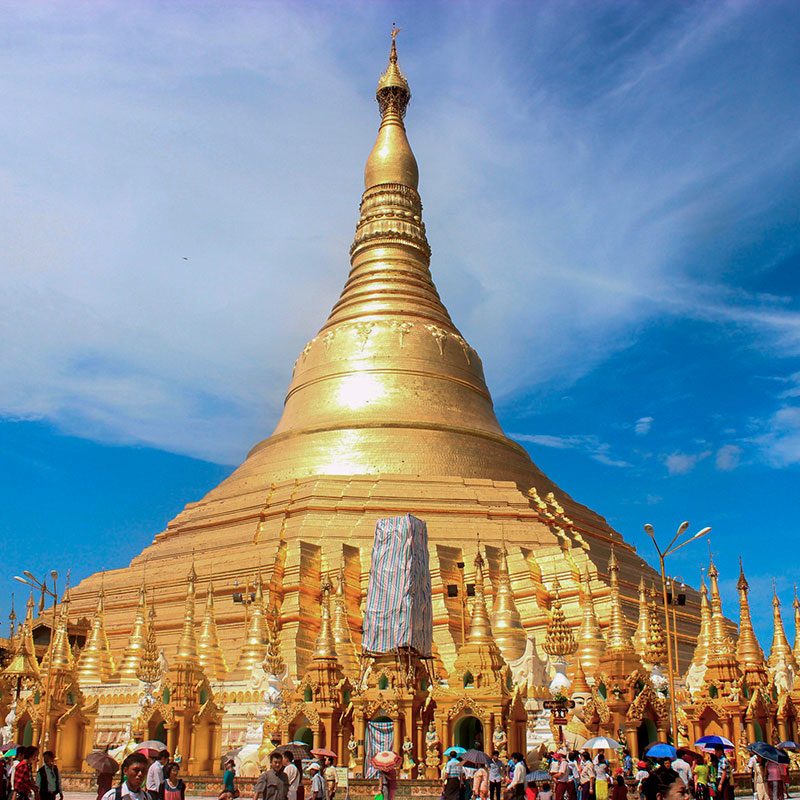
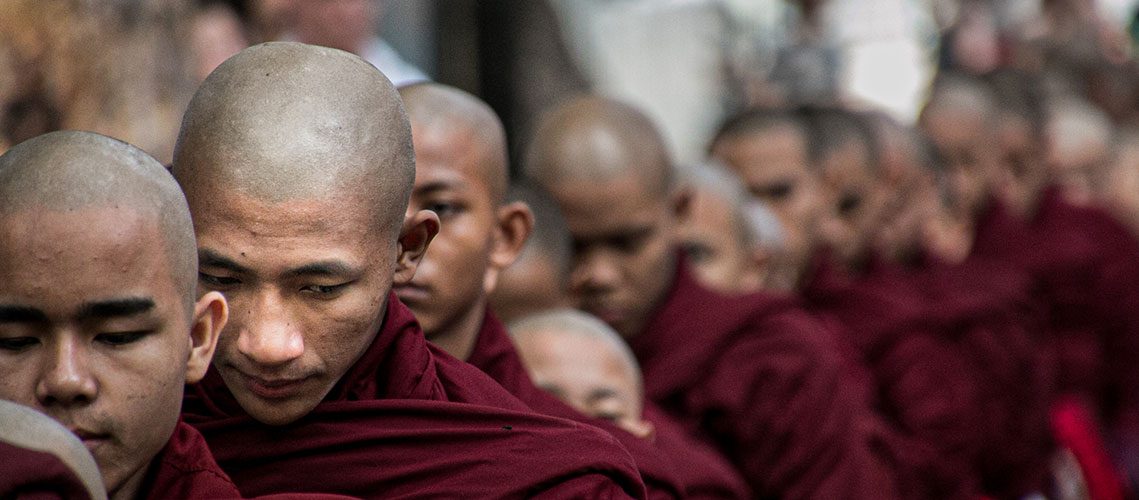
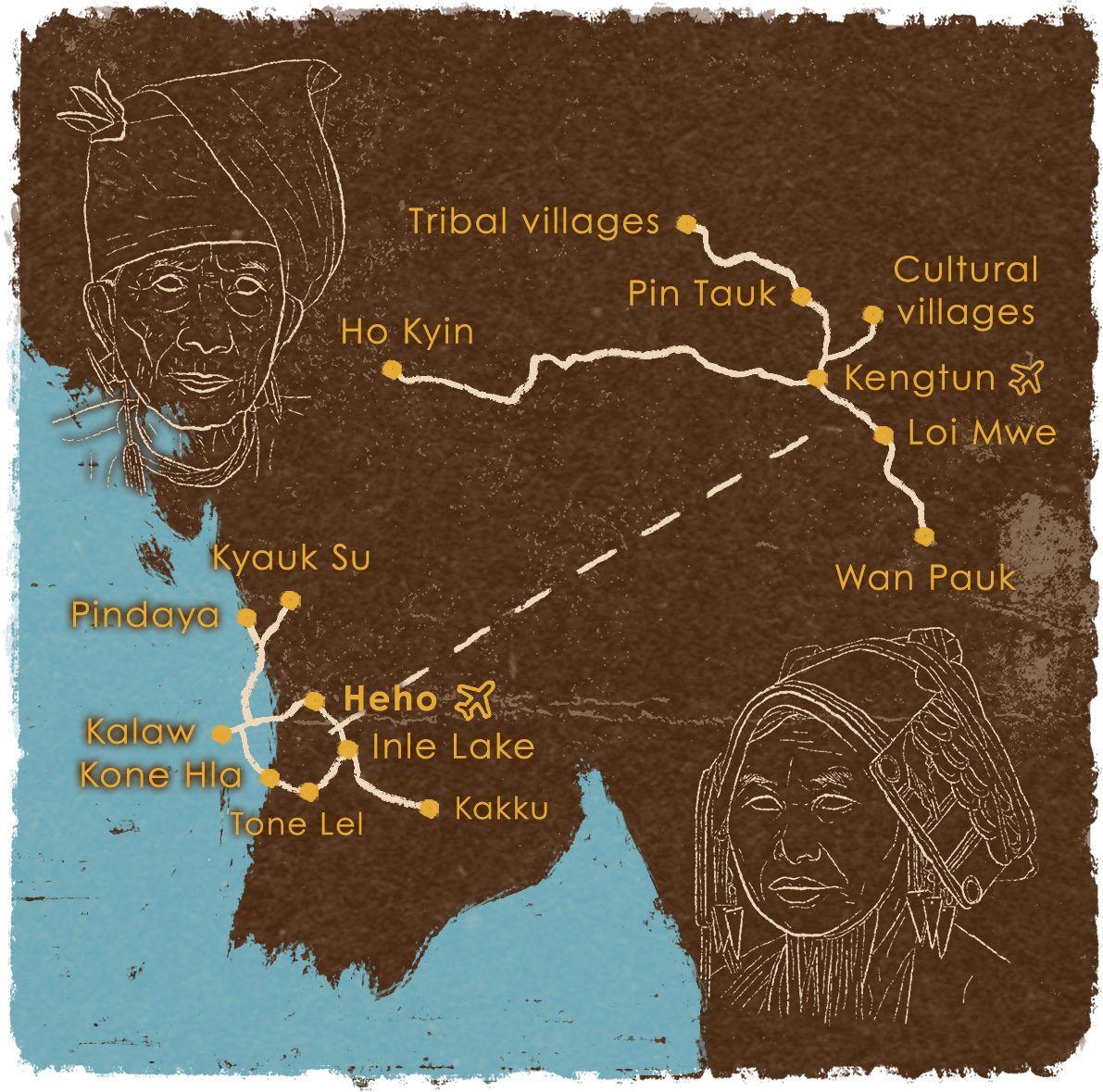
We will begin our tribal trip to Myanmar in Yangon, the former Burmese capital. The city offers a fascinating photographic contrast between British colonial architecture and the intense Buddhist devotion that permeates everyday life. We will explore its streets, where weathered colonial façades stand alongside temples, traditional markets and street stalls. We will also be able to observe the daily rhythm of its inhabitants and discover a city where the past and present constantly meet. Yangon will also be an excellent opportunity for urban photography. Its historic buildings, everyday scenes and diverse markets will allow us to capture different aspects of Burmese life.

Pindaya: sacred caves and traditional crafts
In the mountains of Shan State, we will visit the Pindaya Caves, one of the region’s most distinctive religious sites. Inside, thousands of Buddha statues are preserved, having been consecrated over several centuries. The images, which vary in size and style, are distributed throughout the cave’s galleries. Together, they create a spiritual atmosphere of great visual impact. In addition, the statues reveal the historical and religious importance that this sanctuary has acquired over time. In Pindaya, we will also visit workshops where traditional Shan paper and distinctive bamboo parasols are made by hand. We will observe the manufacturing processes and discover techniques passed down through generations.


Kalaw: a former colonial hill station among the mountains
We will continue our tribal trip to Myanmar to Kalaw, a former hill station developed during the British colonial period. The town is surrounded by pine forests and a mountainous landscape characterised by considerable ethnic diversity. Kalaw will be the starting point for our walks through the Shan countryside. Its surroundings preserve small farming communities, rural paths and landscapes where everyday life remains closely connected to the land.
Kakku: a sanctuary of thousands of stupas
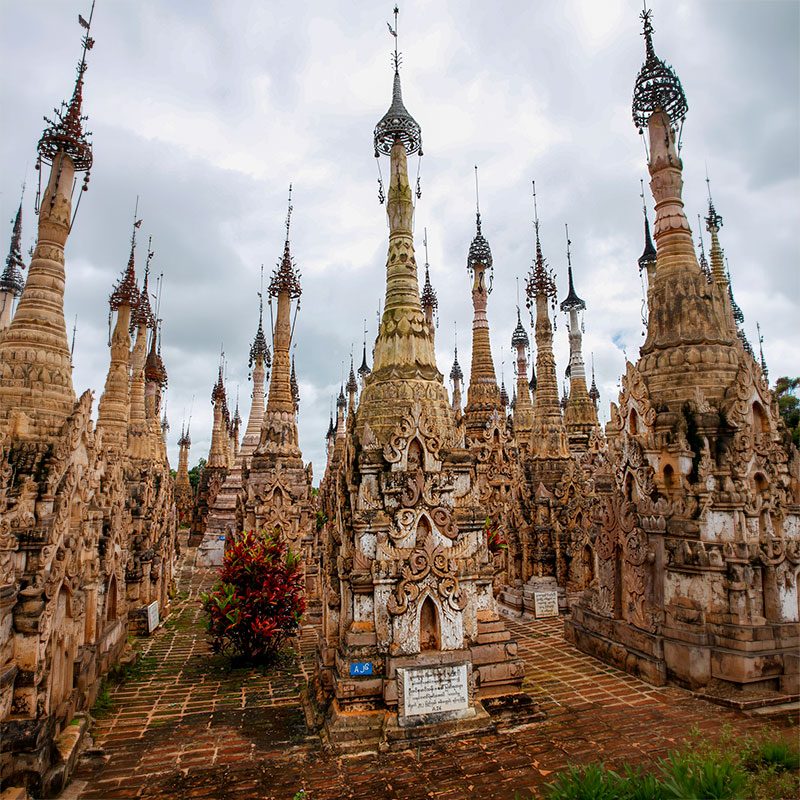
We will visit the impressive religious complex of Kakku, located near Taunggyi. The sanctuary contains thousands of stupas arranged in almost hypnotic alignments. Among them, we will find stucco decorations, small sculptures and bells that move in the wind. The passage of time has left visible traces on their surfaces. The vegetation, weathered textures and density of the complex create an especially attractive setting for detail and sacred architecture photography. Kakku will allow us to explore the spiritual dimension of Shan State. At the same time, the site offers an extraordinary example of the relationship between religious heritage, landscape and historical memory.


Kengtung: gateway to the ethnic diversity of the Golden Triangle
From Kengtung, we will continue our tribal trip to Myanmar, venturing into one of the most ethnically diverse regions of the country. This city, located in eastern Shan State, will be our base for exploring mountain villages and communities that preserve their own traditions. The Golden Triangle region is home to numerous ethnic groups. Each community has distinctive characteristics in terms of architecture, clothing, social organisation, beliefs and productive activities. Therefore, Kengtung will be an essential starting point for understanding the cultural complexity of this territory.
Loi Mwe: colonial heritage and mountain landscapes
We will continue our tribal trip to Myanmar by ascending to Loi Mwe. This former British colonial hill station is located among temperate hills and tea plantations. Its surroundings offer a striking contrast with the lower-lying areas of the region. During our visit, we will discover the Peace Pagoda, Loi Mwe Lake and an old colonial residence built from teak wood. These elements reflect the historical legacy of the British period in the mountains of Shan State. Moreover, the landscape of hills, crops and vegetation will provide an exceptional setting for photography. The combination of architecture, colonial heritage and natural surroundings will make this a visit of great visual richness.
Kyaing Tong: a multi-ethnic market and traditional crafts
During this tribal trip to Myanmar, we will visit Kyaing Tong’s central market early in the morning. Members of different ethnic groups will arrive from the mountains to sell products and exchange goods. The market will be an exceptional opportunity to observe the region’s cultural diversity in one place. Traditional clothing, agricultural produce and scenes of trade will allow us to gain a closer understanding of the economic and social relationships between the communities. We will discover a number of traditional crafts. In Jom Thaung, we will observe the handmade production of knives using traditional forging techniques. Also, in Yan Gon, we will visit a place dedicated to traditional pottery. In addition, in Wan Sai, we will meet members of the Akhu community. If circumstances allow, we may be able to photograph elderly women wearing ancestral clothing and smoking bamboo pipes. Finally, in Ho Lan, we will visit a community where Ann and Wa people live together, as well as the Ko Yin Lay Monastery.


Ethnic groups and traditional ways of life
The Shan countryside: farming, villages and vernacular architecture
During this tribal trip to Myanmar, we will venture into the rural landscapes of the Shan Highlands. Along the way, we will see rolling hills, cultivated fields, small farming communities and paths connecting the villages. Many families maintain a direct relationship with agriculture. During our walks, we may observe farmers working the land with traditional ploughs. We will also encounter ancestral tools and houses built from wood and bamboo. These buildings reflect a form of vernacular architecture adapted to the materials available and to the conditions of the surrounding environment. The journey will allow us to gain a better understanding of the relationship between territory, agricultural production and traditional ways of life.
The Pa-O communities: mountain walks and village life
One of the central experiences of this tribal trip to Myanmar will be walking through Pa-O territory. We will travel on foot among cultivated fields, hills and small rural villages. Along the route, we will reach Kone Hla and continue to Pat Tu Bauk, a Pa-O village located in a mountainous setting. There, we will stay in a traditional bamboo house. This experience will allow us to discover the local architecture at close quarters and observe how domestic life is organised. In the afternoon, we will spend time with families in the community. We will be able to observe their routines, talk with local people and watch village life as the sun sets. The encounter will unfold at an unhurried pace, encouraging a respectful and natural approach. Then, we will continue through the Pa-O mountains. We will pass through Kyauk Su and Nang Roke, two villages known for their connection with the Fireball Festival. From the mountain ridges, we will enjoy extensive views over the Nyaung Shwe plain and the basin of Inle Lake. The light falling across the fields and vegetation will offer excellent photographic opportunities. At the same time, the route will help us understand the relationship between the Pa-O communities, the mountains and the agricultural areas they inhabit.
Inle Lake: lakeside communities and adaptation to the water
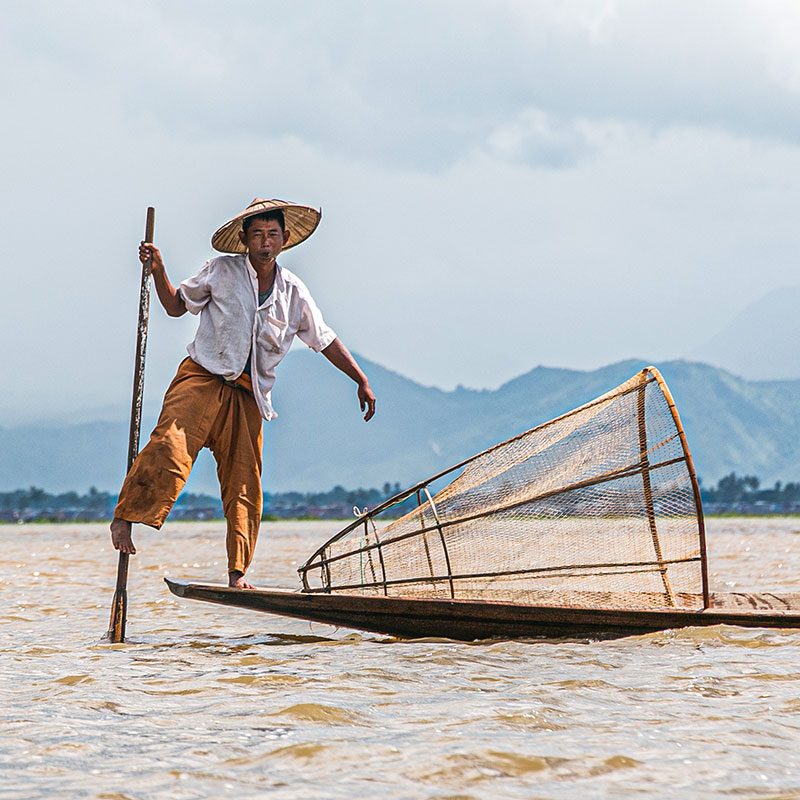
During this tribal trip to Myanmar, we will navigate Inle Lake, one of the country’s most representative cultural landscapes. Its waters are surrounded by stilt villages, floating gardens and communities that have developed ways of life adapted to the aquatic environment. We will travel along narrow canals to Inn Thein, a Pa-O settlement located beside the monumental Alaung Sitthou complex. Here, we will find hundreds of ancient stupas emerging from the vegetation, moss and undergrowth. Then, we will return to the lake to explore its floating gardens and stilt villages. We will observe how local inhabitants have adapted agriculture, architecture and everyday activities to an environment dominated by water. Also, we will visit Phaung Daw Oo Pagoda, one of the area’s main religious centres. In In Paw Khon, we will discover silk-weaving workshops and learn more about local craft production. In addition, we will visit Nge Pha Chaung Monastery. During our boat journey, we will be able to photograph architecture on the water, reflections across the lake and everyday scenes involving its inhabitants. Inle Lake will also provide an opportunity to observe Intha fishermen and their distinctive technique of rowing with one leg. This method of navigation is one of the most recognisable images of life on the lake in Myanmar.

Pin Tauk: first encounters with communities in eastern Shan
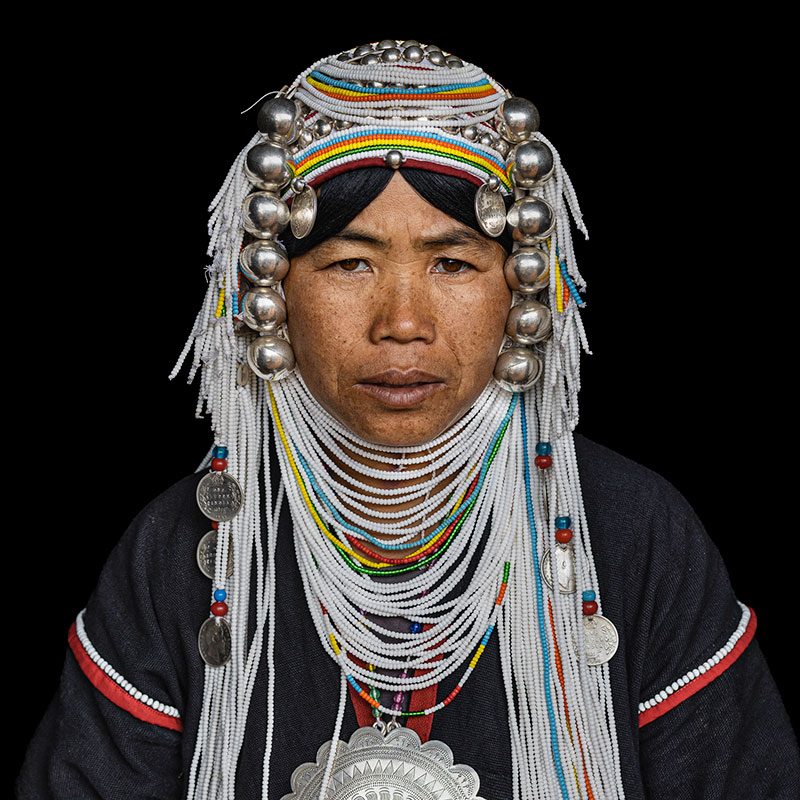
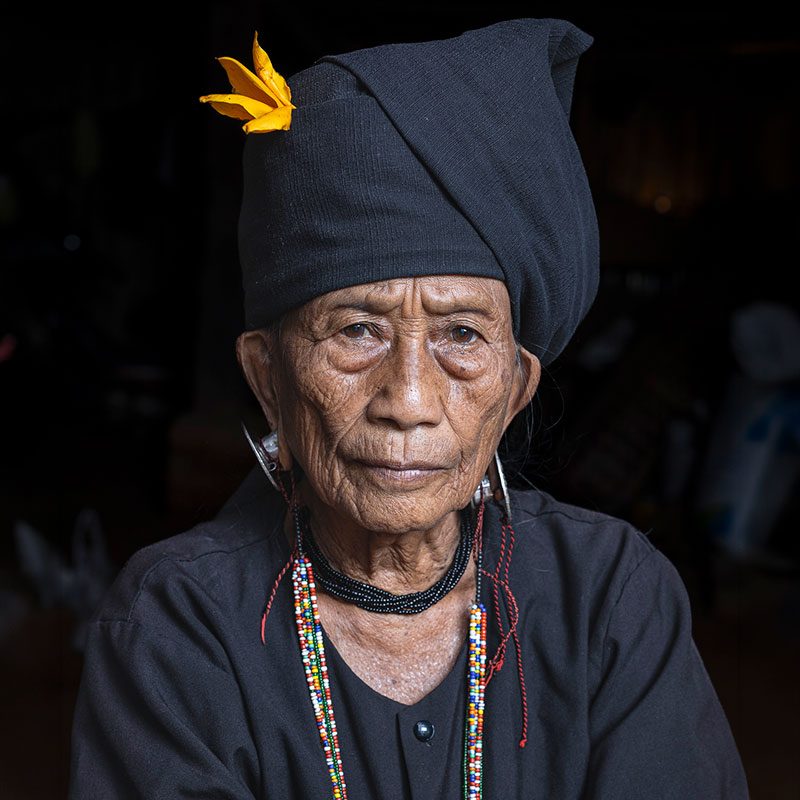
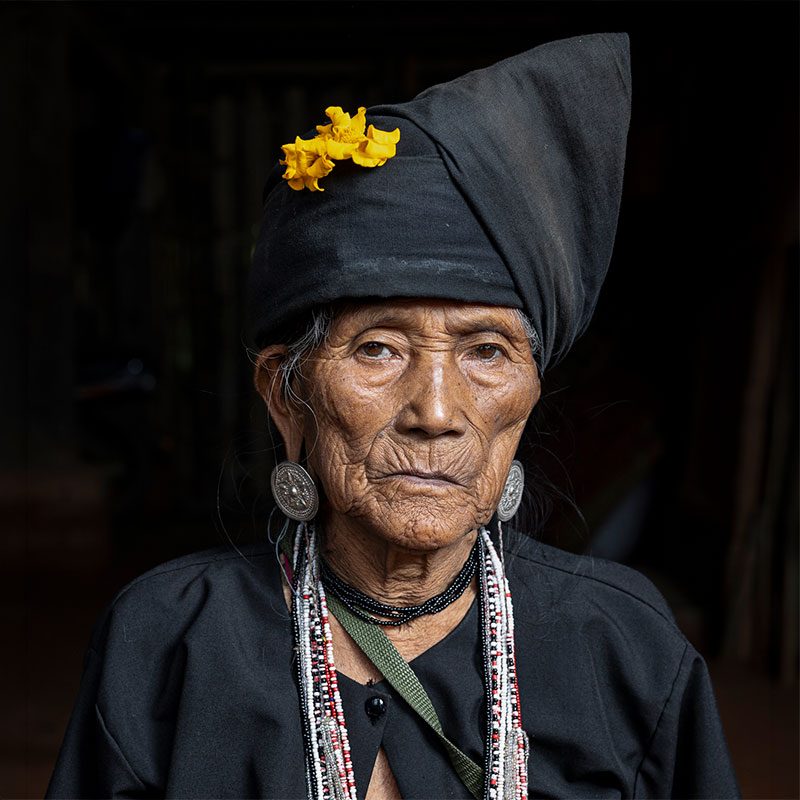
In the Pin Tauk area, we will begin to discover some of the ethnic communities of eastern Shan State. We will visit a Lahu village in Pin Tauk, where we will observe wooden architecture and different aspects of domestic life. Then, we will continue our tribal trip to Myanmar towards Wan Pin, an Akha community known for its elaborate traditional headdresses. Clothing will be one of the main ways to understand this group’s cultural identity. Afterwards, we will walk to Pan Lea, an Ann village. Its inhabitants preserve distinctive elements of traditional dress, characterised by the use of dark-coloured garments. We will also learn about the custom of blackening the teeth, a practice associated with the community’s cultural traditions. If local circumstances allow, we may meet the village shaman. This conversation will help us gain a better understanding of animist beliefs and the spiritual relationship these communities maintain with nature and the spirits of their surroundings.

Ho Kyin: religious coexistence and the production of rice spirit
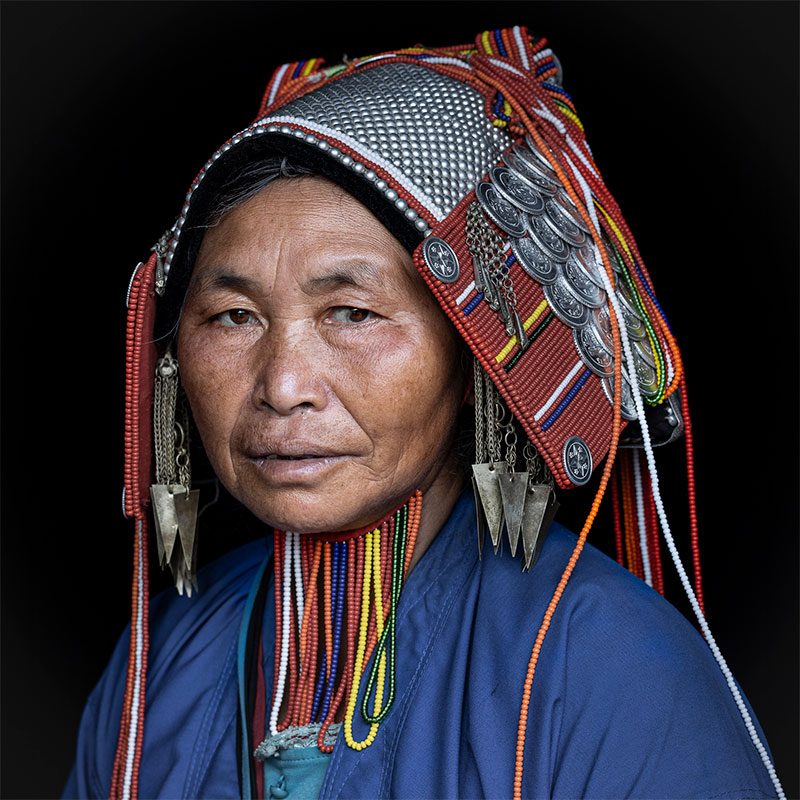
We will travel to the Akha villages of Ho Kyin and walk through the surrounding area. This region is notable for the coexistence of different religious traditions. Within the same village, Buddhist, animist and Christian spaces may exist side by side. This diversity reflects the cultural complexity of the communities in eastern Shan and the way in which different belief systems share the same territory. During the walk, we will explore houses, cultivated fields and altars located at village entrances. These spaces will allow us to observe the relationship between architecture, community life and religious practices. If local availability permits, we will enter a family home to discover the traditional process of distilling rice spirit. We will observe the use of yeasts made from plants and herbs, as well as the techniques involved in its production. The houses and domestic interiors will also offer excellent opportunities for documentary photography.

Kaung Pack and Bar Khar: remote mountain communities
During this tribal trip to Myanmar, we will undertake a demanding ascent to Kaung Pack, a remote Lahu Shi village located in the mountains. Its isolated position, away from the usual tourist routes, encourages a particularly intense experience of cultural contact. The relative difficulty of reaching the village has helped preserve traditional ways of life and a close relationship with the surrounding environment. If conditions are favourable, we may share tea by the fire in the home of the village leader. During this encounter, we will hear local stories and perhaps listen to traditional musical instruments. The experience will allow us to approach community life from a more personal and unhurried perspective. Then, we will continue to Bar Khar and descend towards the valley. We will reach Wan Pauk, a Palaung community known for its large communal houses and brightly coloured clothing. The collective architecture and clothing of its inhabitants will help us recognise some of this group’s distinctive cultural features.


Naung Cho and Lower Pan Wai: Wa and Lahu Na communities
To the east of Kengtung, we will visit Naung Cho, a Wa village, and Lower Pan Wai, which is inhabited by members of the Lahu Na community. These encounters will broaden our understanding of the region’s ethnic diversity. We will observe the houses, communal spaces and everyday activities of populations that maintain a close relationship with the mountains and the resources of their surroundings.
Ho Lap: an Akha community between traditional architecture and farming
From Loi Mwe, our tribal trip to Myanmar will continue towards Ho Lap, an Akha community that we will reach on foot with a local guide. During the visit, we will explore its traditional buildings and observe different agricultural activities. The walk will allow us to discover the organisation of the village and the importance that farming retains in the daily lives of its inhabitants. Also, we will be able to examine the materials and techniques used to construct the houses. In this way, we will gain a better understanding of how Akha architecture has adapted to the conditions of the territory.
Ho Lan: coexistence between Ann and Wa communities
In Ho Lan, we will visit a community where Ann and Wa people live together. This coexistence will allow us to observe different cultural traditions within the same setting. The visit will include an approach to local architecture, everyday activities and religious spaces. We will also visit Ko Yin Lay Monastery, which forms part of the area’s cultural landscape.
A journey of cultural, landscape and photographic immersion
This tribal trip to Myanmar will combine the discovery of historic cities, Buddhist sanctuaries, traditional markets and mountain landscapes with direct encounters with different ethnic communities. We will travel along rural paths, through cultivated fields, remote villages and lakeside territories. In addition, we will discover ways of life connected to agriculture, craftsmanship, fishing and traditional beliefs. The route will offer numerous opportunities for documentary photography. We will be able to capture portraits, everyday scenes, domestic interiors, vernacular architecture, mountain landscapes and life on the waters of Inle Lake. Above all, this will be an opportunity to approach Myanmar’s cultural diversity through respect, observation and shared experiences.
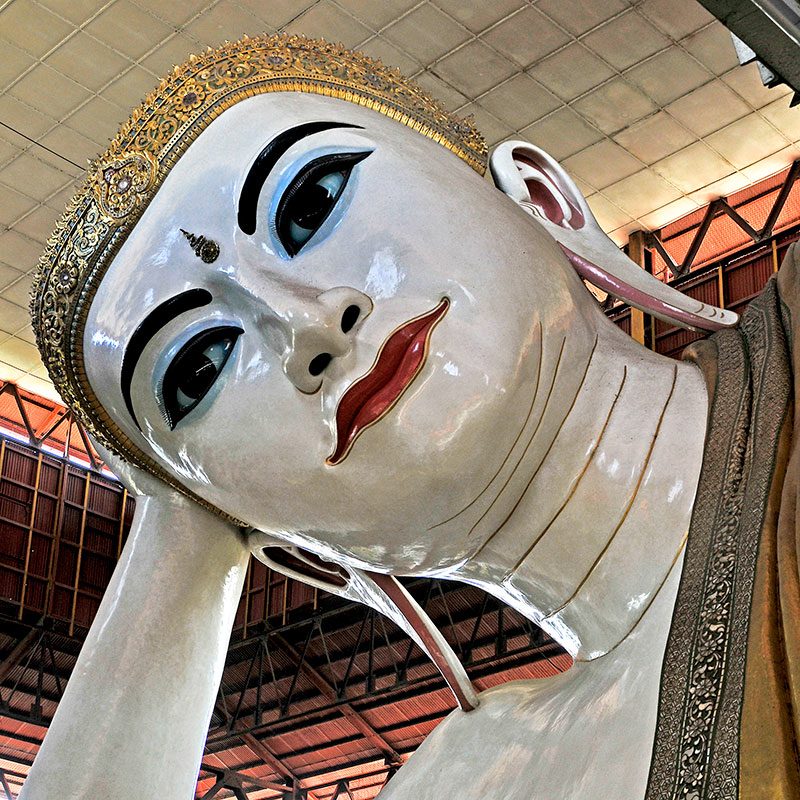
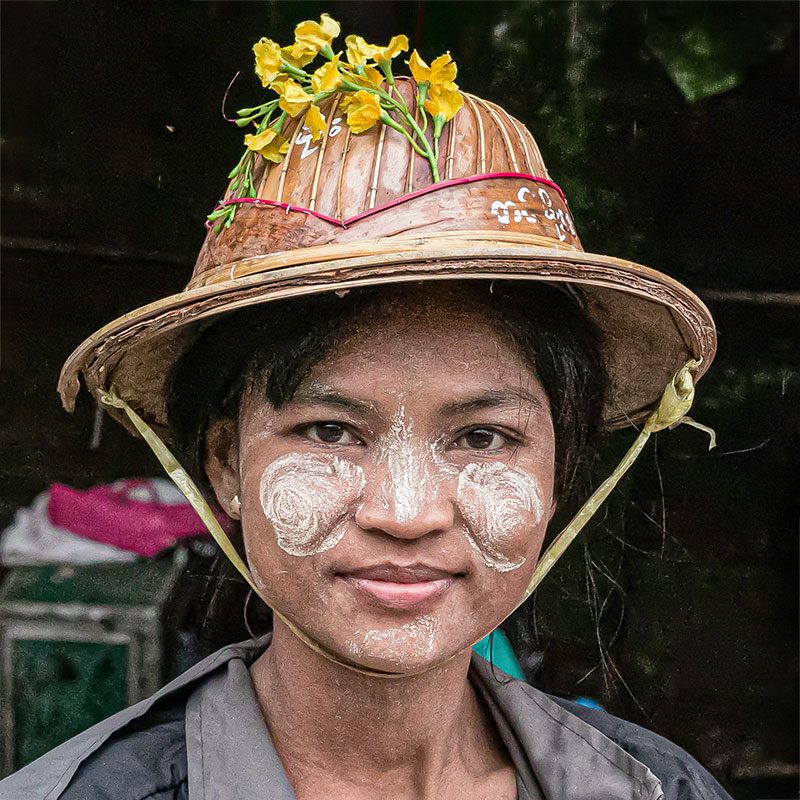
© Photos by Edith Scharffenberg, Xavi de las Heras and Aníbal Bueno taken during a tribal trip to Myanmar.
► Download the itinerary for this tribal trip to Myanmar
Click the button below to reach the download form for the itinerary of this tribal trip to Myanmar easily.

 ES
ES

