
 Trip to the D.R. of the Congo from 13 to 24 August 2027 / From 4,450€
 Discover the highlights of this expedition to the D. R. of the Congo:
Encounters with communities and ancestral traditions
Bobanda: meeting the local Bantu chief
In Ntomba territory, we will visit Bobanda, where we will meet the local Bantu chief. His position will allow us to gain an insight into traditional authority structures and better understand the role played by community leaders in the social organisation of the region. This first encounter will also be an opportunity to learn about the history and customs of the populations living in this part of the Congolese rainforest.
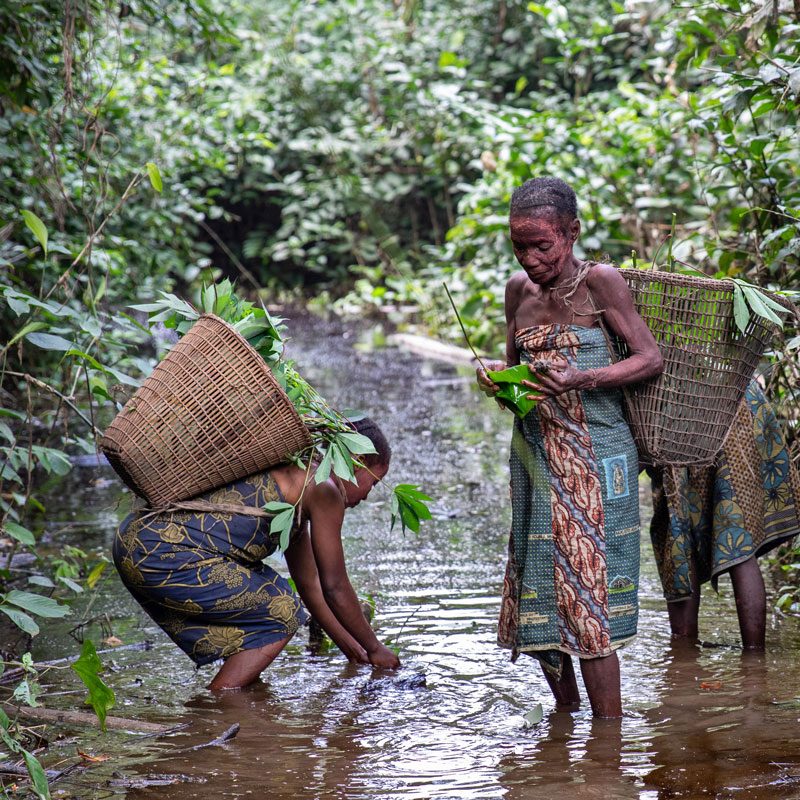
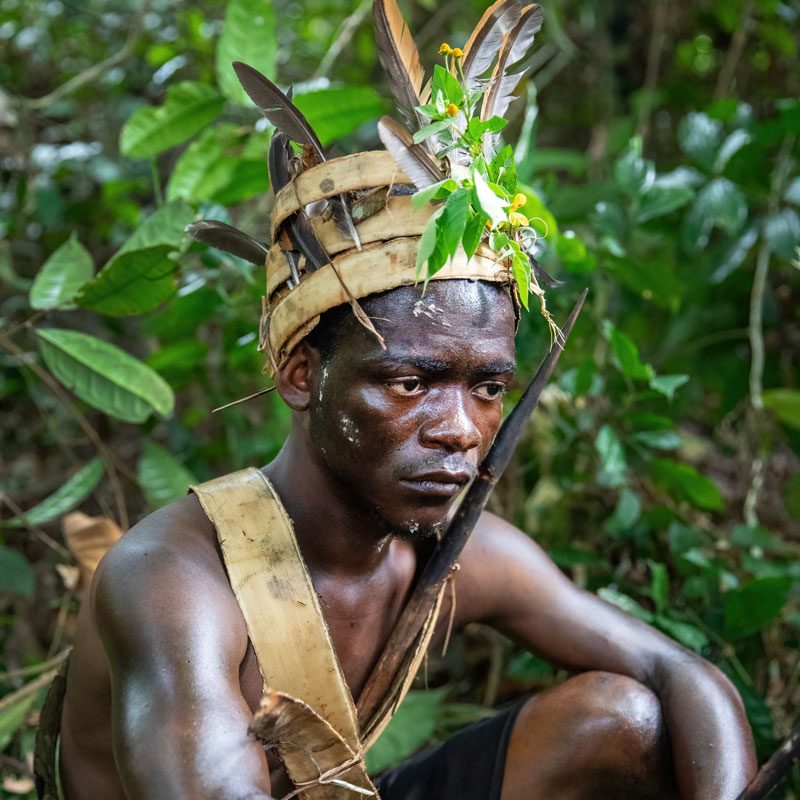
The Batwa: an insight into life in the rainforest
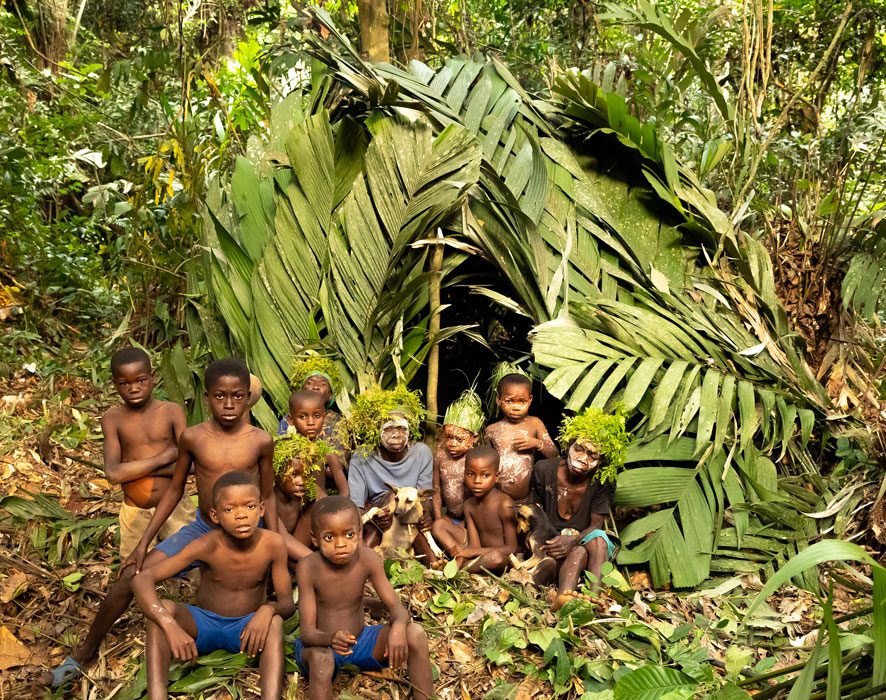
From Bobanda, we will walk to Iyanda, a small village inhabited by the Batwa community. This expedition to the D. R. of the Congo will allow us to gradually venture into the rainforest environment and discover a settlement closely connected to its surroundings. The visit will provide an insight into the community’s way of life, as well as its relationship with natural resources and the territory it inhabits.


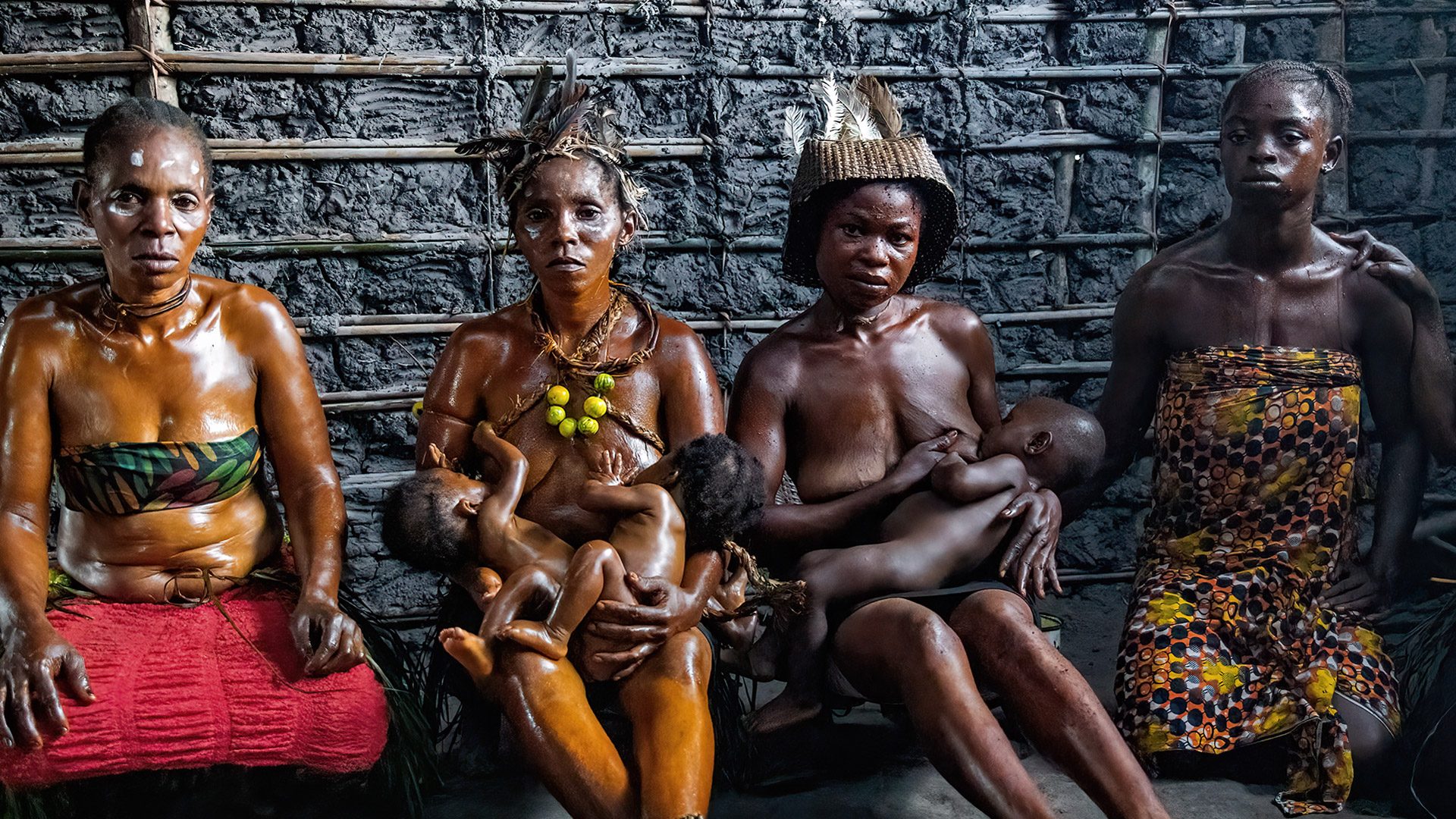
Meeting a Walé woman: traditions surrounding breastfeeding
During our expedition to the D. R. of the Congo, we will meet a Walé woman, a term used in the local context to refer to a breastfeeding woman. This encounter will allow us to discover the cultural traditions surrounding breastfeeding and child-rearing. Through this experience, we will gain an insight into practices connected with family and community life. We will also be able to better understand the importance that certain stages of life hold within local customs.
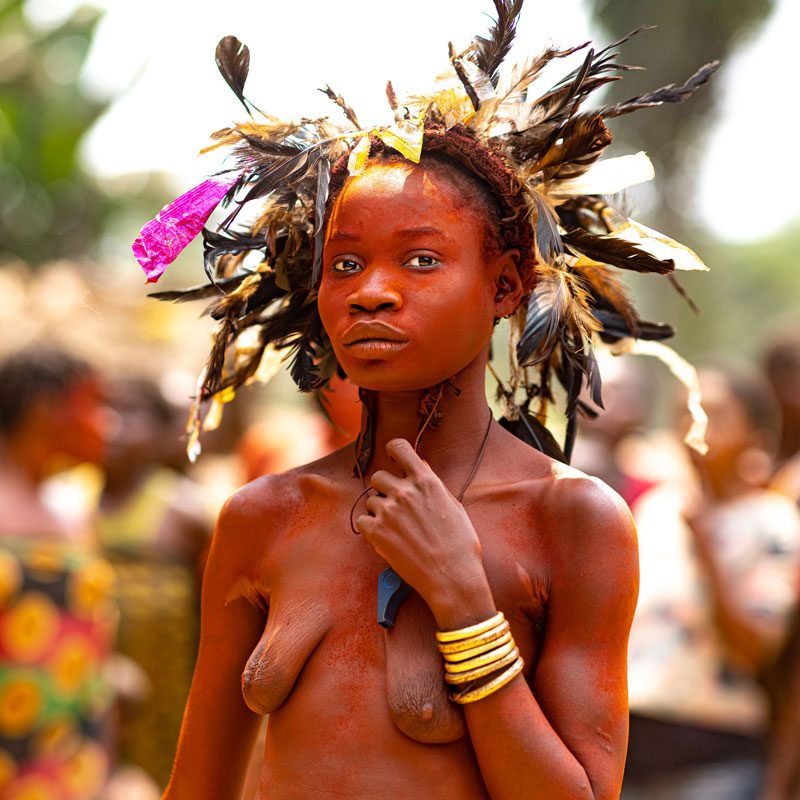
The Lokele fishermen: a life connected to the river
In Inganda, a neighbourhood of Lokele fishermen, we will meet members of the community and discover their river-based way of life. Fishing is a fundamental activity for many families in the region. Therefore, the visit will allow us to observe the everyday relationship between people, boats and the river. In addition, we will gain an insight into the techniques, customs and community dynamics associated with fishing. This encounter will help us understand how waterways shape the local economy, mobility and organisation of everyday life.
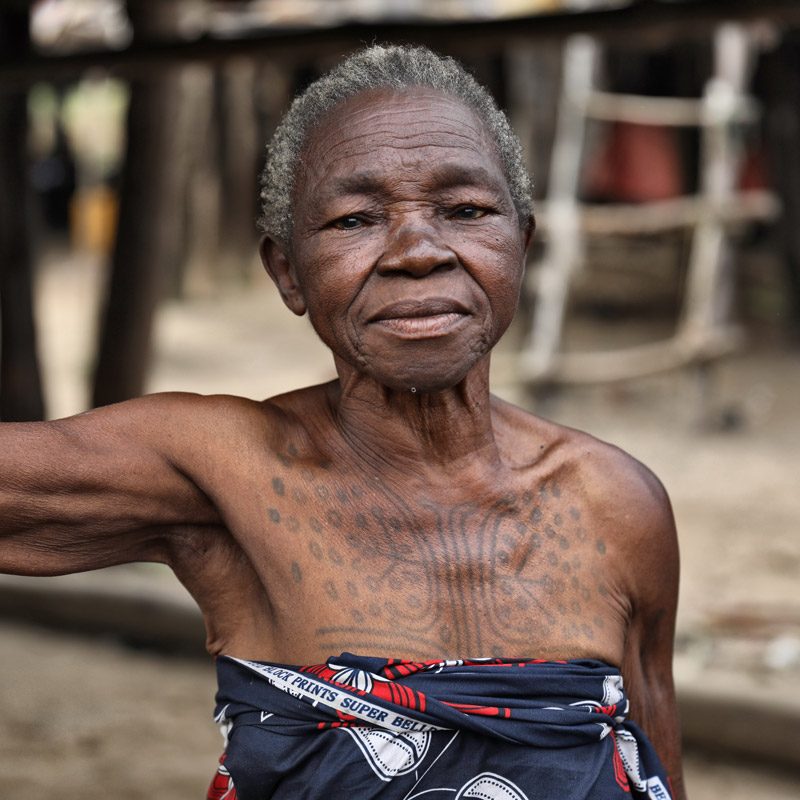

The Ngombe Kingdom of Munzambi
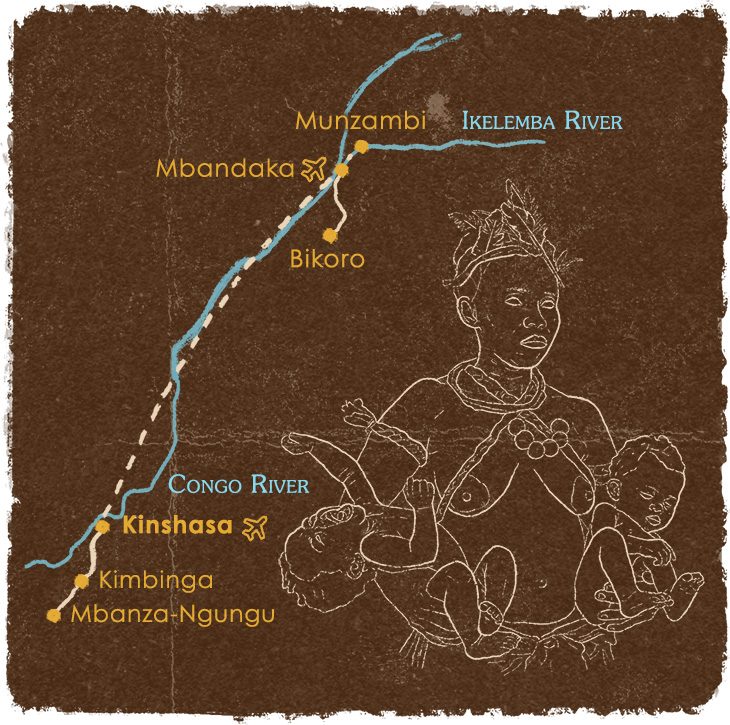
During this expedition to the D. R. of the Congo, we will navigate the Congo River and continue along the Ikelemba River until we reach the Ngombe Kingdom of Munzambi, located in the remote landscapes of Équateur Province. In Munzambi, we will meet the King, or Mfumu, a central figure within the kingdom’s traditional structure. This visit will allow us to gain a better understanding of the political and social organisation of the Ngombe community, as well as the role of traditional authority.
Reaching the kingdom will be one of the most remarkable moments of this expedition to the D. R. of the Congo. We will find ourselves in a difficult-to-access territory surrounded by rainforest and closely connected to the region’s great rivers.
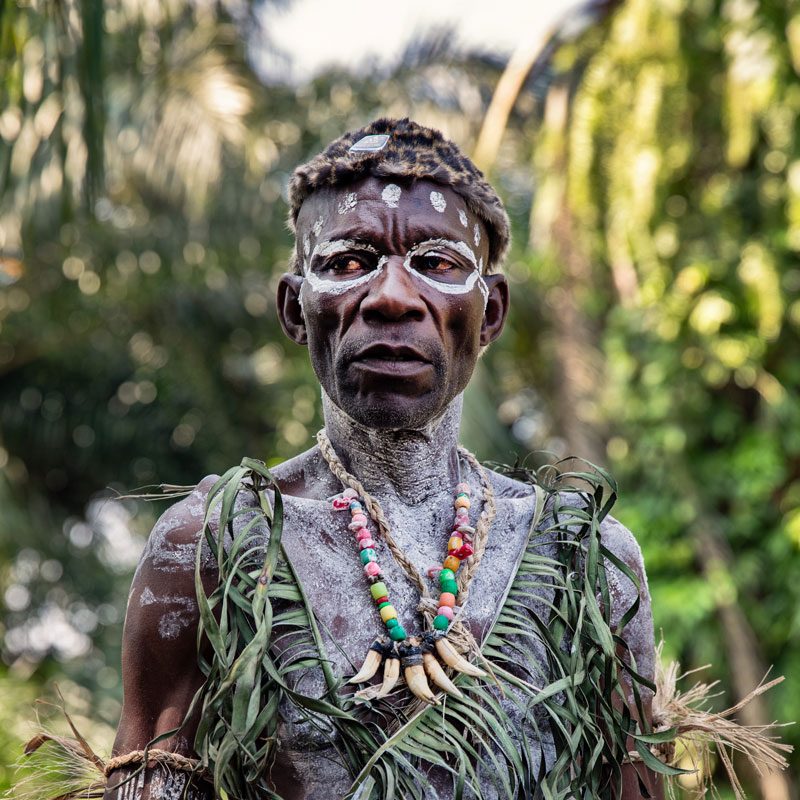

The Balumbe: history, traditions and knowledge of the forest
We will walk to a Balumbe village to discover the history and traditions of this community. During the visit, we will also learn about its longstanding relationship with the Ngombe Bantu people. This connection between the two populations will allow us to gain an insight into the historical and cultural relationships that have developed in the territory. We will also observe different aspects of community life and local identity. The following day, we will spend time with Balumbe women. Through them, we will learn about their traditional knowledge of medicinal plants, wood and other forest resources. This experience will provide an insight into how the community identifies, uses and passes on knowledge related to the rainforest. The forest will not appear simply as a natural environment, but also as a source of resources, knowledge and cultural practices.
Fishing communities in Équateur Province
After visiting an Ngombe village, our expedition to the D. R. of the Congo will continue towards several nearby fishing communities. There, we will discover their river-based way of life and the importance of fishing to local livelihoods.
The visit will allow us to observe how economic activities and social relationships are structured around the rivers. We will also discover an environment where navigation, fishing and the use of aquatic resources are part of everyday life.
The Bakongo: traditional healers and indigenous knowledge
In Bakongo territory, we will visit Kimbinga, where we will meet traditional healers. If available, we will also be able to meet the local chief. During this experience, we will gain an insight into Bakongo traditional medicine and indigenous knowledge related to health, plants and healing practices. The encounter will allow us to understand the importance of this knowledge within the community and how it is passed down through generations.
History, heritage and urban life
Kinshasa: a vibrant and creative capital
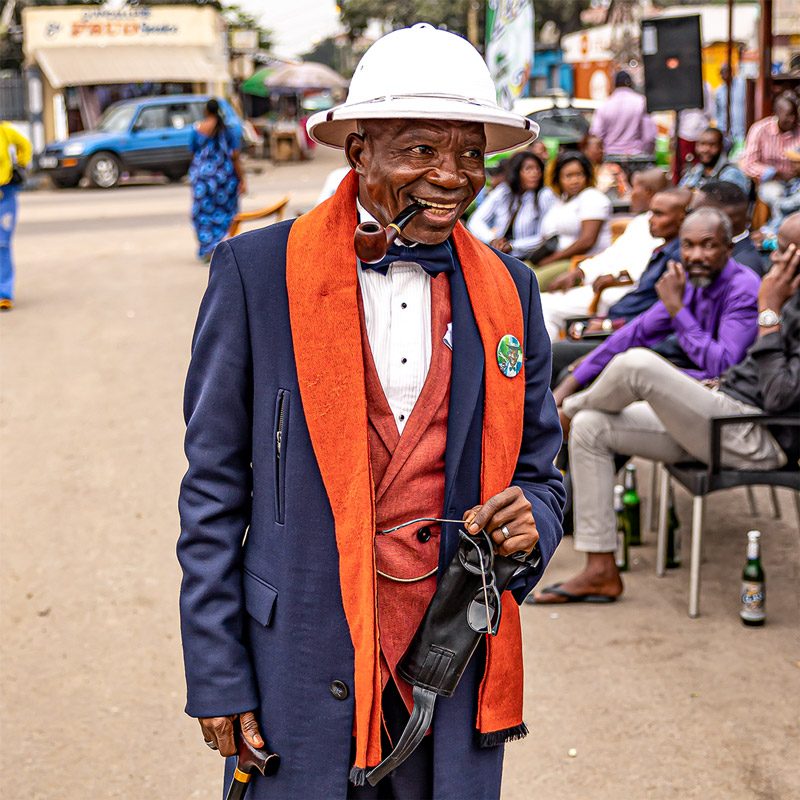
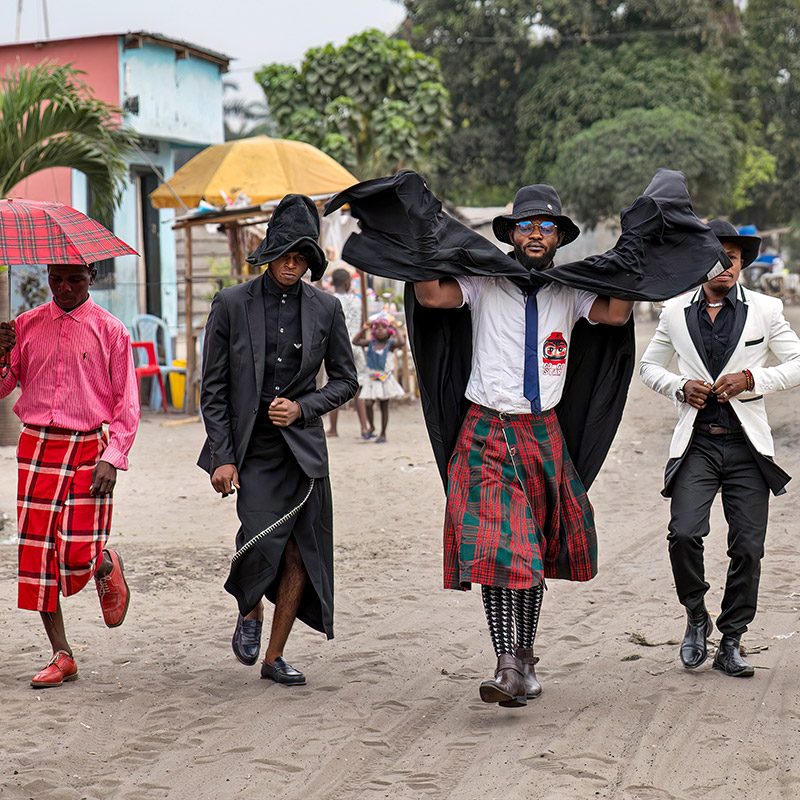
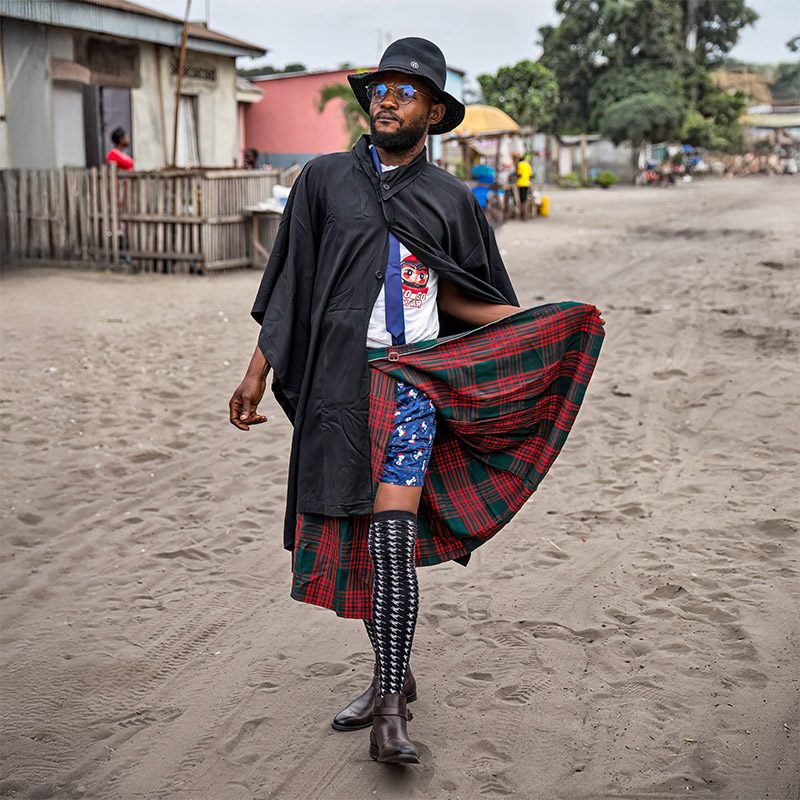
We will begin and end our expedition to the D. R. of the Congo in Kinshasa, one of Africa’s most vibrant and creative capitals. We will explore the lively streets of Masina, where we will be able to observe the city’s everyday rhythm and encounter different expressions of urban life. Also, we will meet the local king, whose great-great-grandfather signed a treaty with Stanley in 1894. The visit will allow us to discover part of Kinshasa’s history through the memory of its traditional authorities. In addition, we will encounter the colourful world of Kinshasa’s Sapeurs, protagonists of an urban culture centred on elegance, clothing and personal expression. During our stay, we will also attend a traditional Voodoo wrestling performance. This cultural manifestation will add a ritual and theatrical dimension to our approach to the Congolese capital. At the end of the journey, we will explore central Kinshasa once again. We will visit the historic Forescom building and enjoy a final glimpse of the city before returning home.

Mbandaka: colonial heritage and historical memory
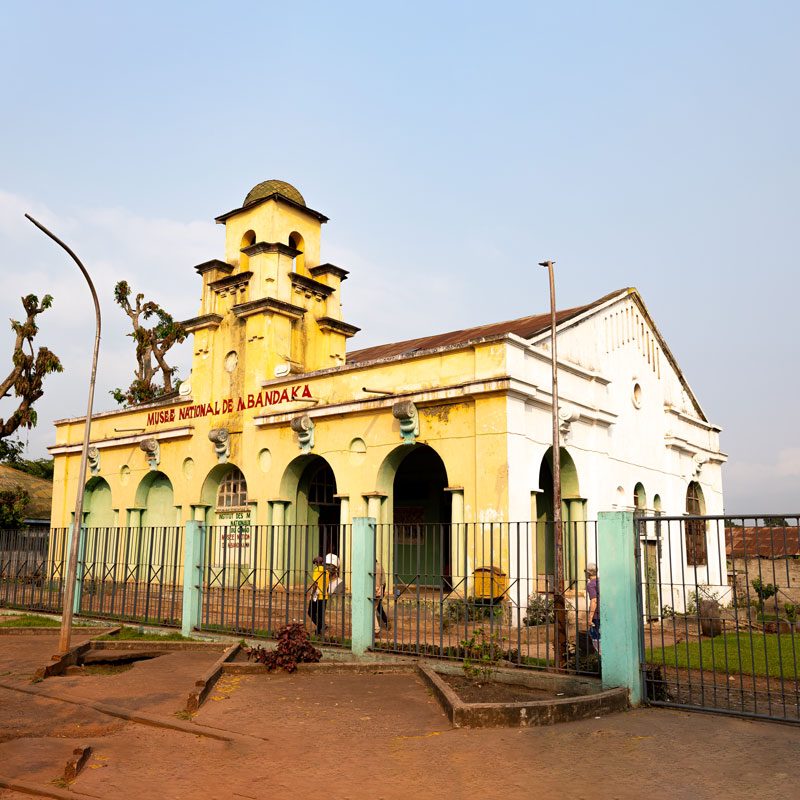
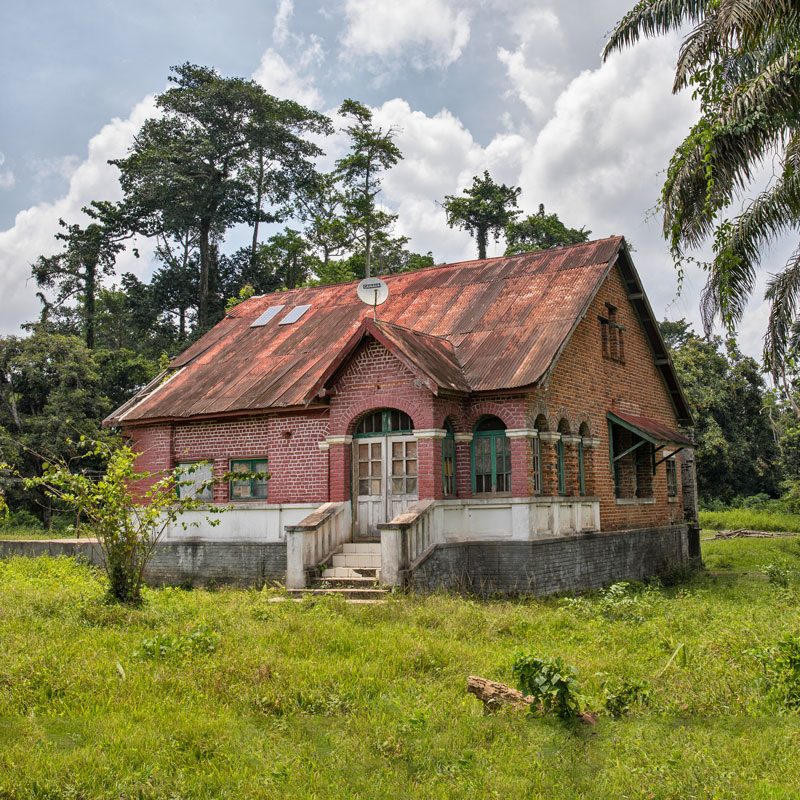
In Mbandaka, we will explore the historic colonial centre to discover the role the city played during the colonial period. Through its buildings, streets and historic spaces, we will gain an insight into a fundamental period in the history of the Democratic Republic of the Congo. The city will allow us to observe the material traces of that period and understand its influence on the urban development of the region. During this expedition to the D. R. of the Congo, we will also take a walking tour at sunset through the old port and colonial residential district. These spaces will offer us a different perspective on Mbandaka’s history and its relationship with the river. During our stay, we will also visit the local market and fish market. Both spaces will allow us to observe commercial activity and the importance of river products in everyday life.
Nzambe ya Bakoko: a distinctive spiritual tradition
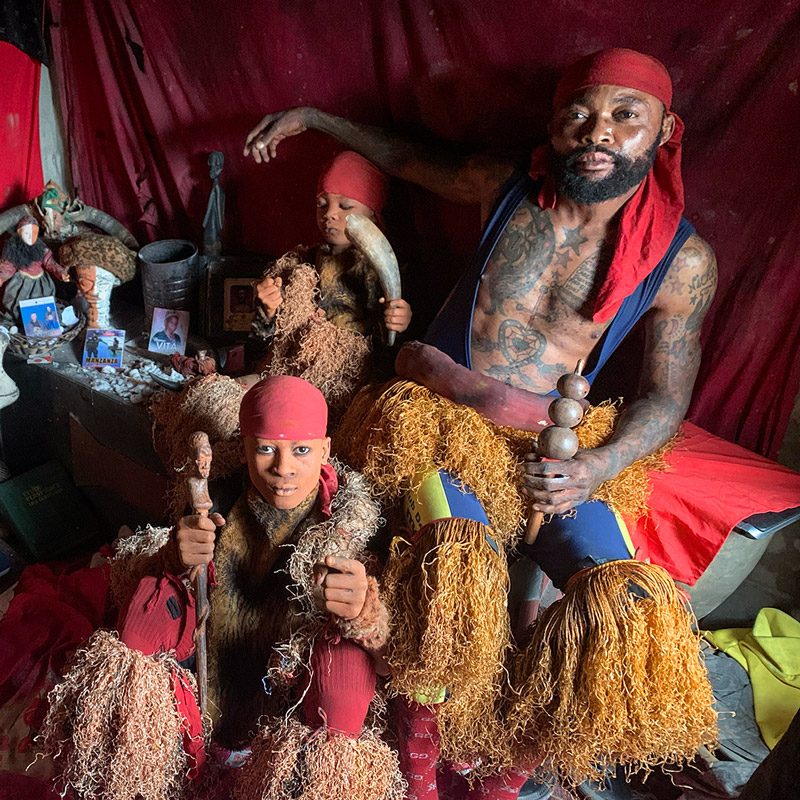
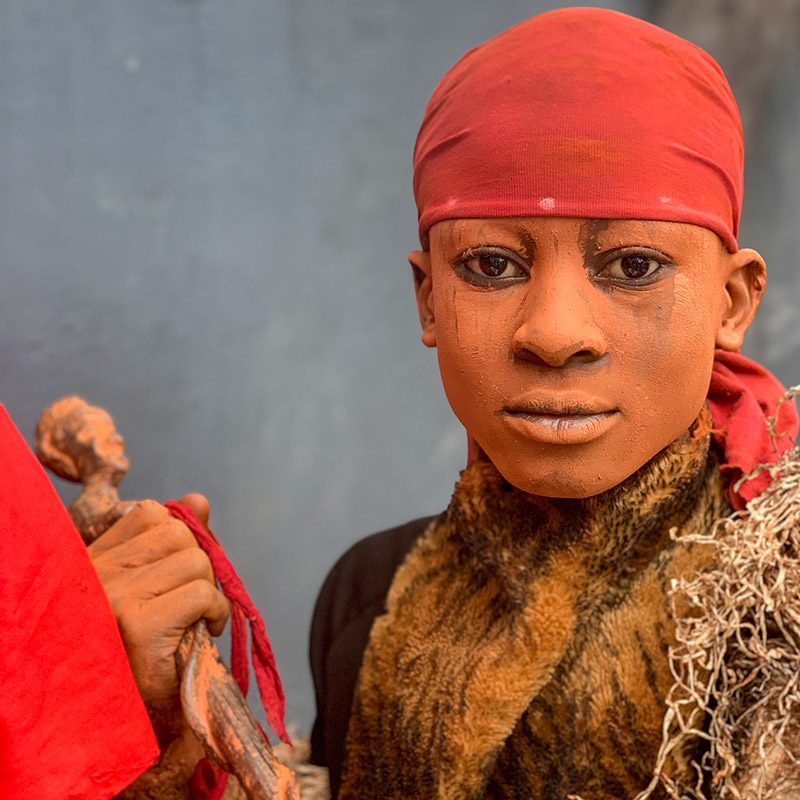
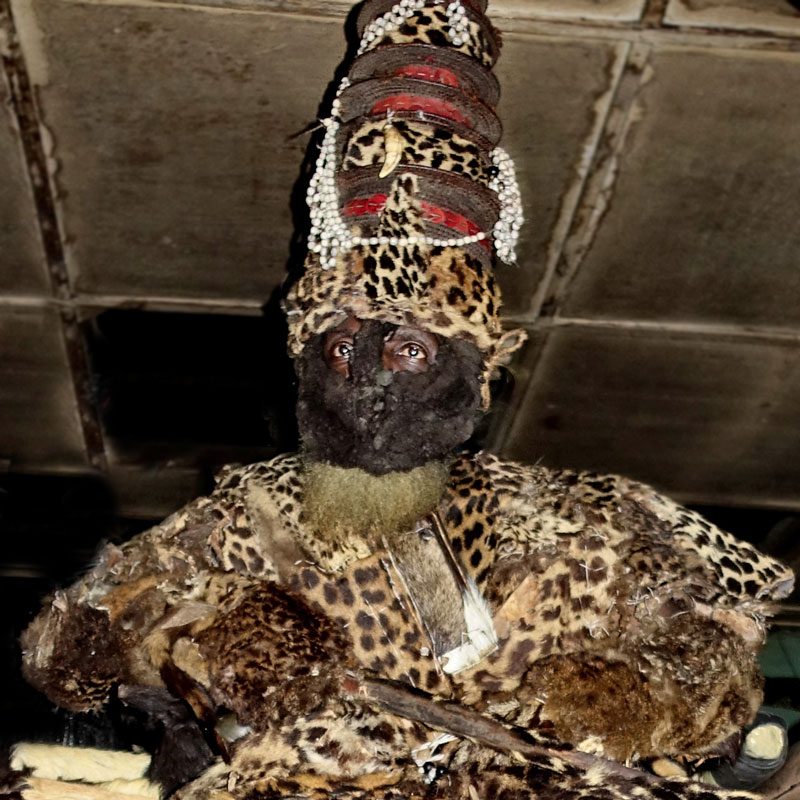
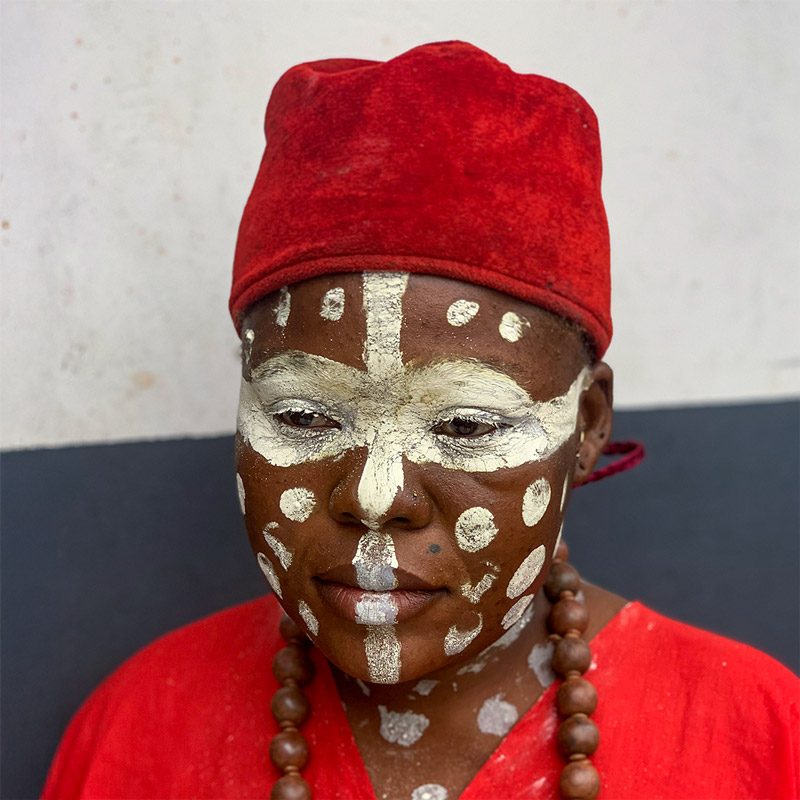
In Mbandaka, we will learn about the Nzambe ya Bakoko sect, a distinctive local spiritual expression. The visit will allow us to gain an insight into its beliefs, practices and ways of understanding the relationship between the community and the spiritual world. This tradition represents an example of the religious and cultural diversity found in Équateur Province. The encounter will offer an opportunity to discover a spiritual manifestation that is rarely encountered on conventional journeys through the country.
Kisantu: colonial heritage and missionary legacy
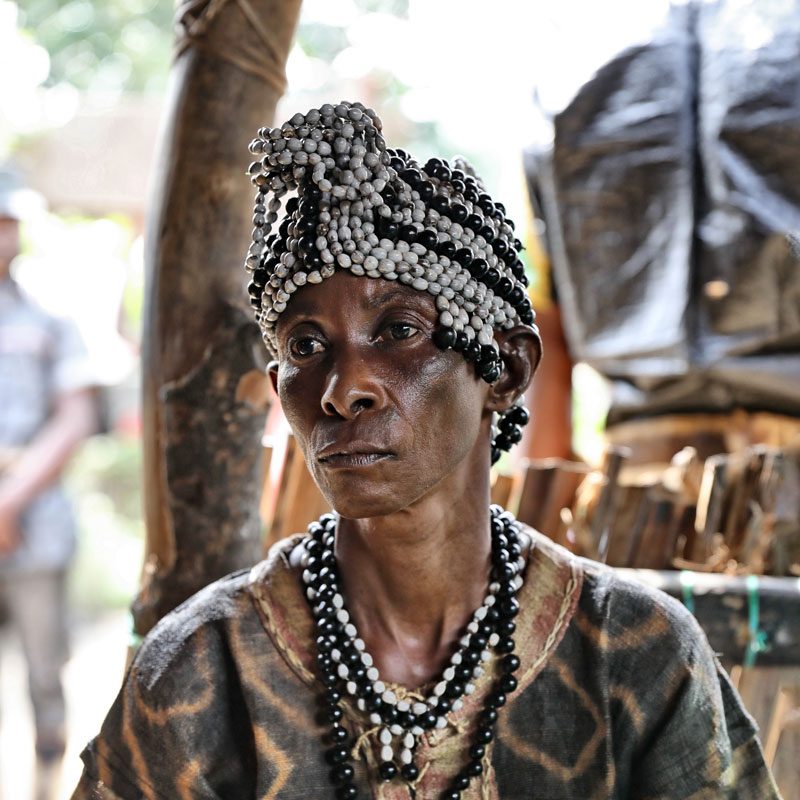
In Kisantu, we will visit a historic church and the former railway station, two sites connected with the colonial and missionary history of the region. The church will allow us to gain an insight into the role played by missions in the social and cultural transformation of the territory. Meanwhile, the railway station will reflect the importance of railway infrastructure during the colonial period. The visit will help us better understand the relationship between religion, transport, colonial administration and urban development in this part of the country.
Great rivers and remote rainforests
The Congo River and the Ikelemba River: navigating towards isolated territories
One of the main features of this expedition to the D. R. of the Congo will be navigating the Congo River and the Ikelemba River. Aboard a boat, we will cross the remote landscapes of Équateur Province. The journey will allow us to progressively venture into territories far from the usual routes and discover an environment dominated by water, rainforest and riverside communities. Navigation will also be a privileged way to observe the relationship between the rivers and local life. Along the way, we will encounter river landscapes, vegetation-covered banks and settlements connected to these great waterways. The river will not simply be a means of travelling. It will also be an essential element for understanding the mobility, economy and territorial organisation of the region’s populations.
The Munzambi rainforest: wild yam gathering
From Ngombe territory in Munzambi, our expedition to the D. R. of the Congo will take us deep into the rainforest, until we reach a wild yam gathering camp. This visit will allow us to discover an activity associated with the traditional use of forest resources. We will observe how the rainforest provides food and other essential materials for the communities that inhabit it. The journey will also offer a direct insight into knowledge of the forest. Identifying plants, locating resources and gathering them are all part of knowledge passed down through generations. We will spend the night at a camp in the middle of the rainforest. Around the fire, we will share an evening featuring traditional dances and different cultural activities. The experience will allow us to experience the rainforest environment particularly intensely. In addition, contact with the communities and observation of their practices will help us understand the relationship between culture, subsistence and territory.
Throughout the expedition to the D. R. of the Congo, we will combine river navigation with walks through the rainforest and visits to remote villages. The landscape will be characterised by vast expanses of vegetation, waterways and difficult-to-access territories. Walking will allow us to observe the forest resources at close quarters and the way communities interact with them. Meanwhile, navigation will provide a broader perspective on the landscapes of Équateur Province. The combination of rivers, rainforest and cultural encounters will make this expedition an immersive experience in one of Africa’s most remote and extraordinary environments.
© Photos by Jordi Zaragozà Anglès and Xavi de las Heras taken during an expedition to the D. R. of the Congo.
► Download the itinerary for this expedition to the D. R. of the Congo
Click the button below to reach the download form for the itinerary of this expedition to the D. R. Of the Congo easily.



 ES
ES

