
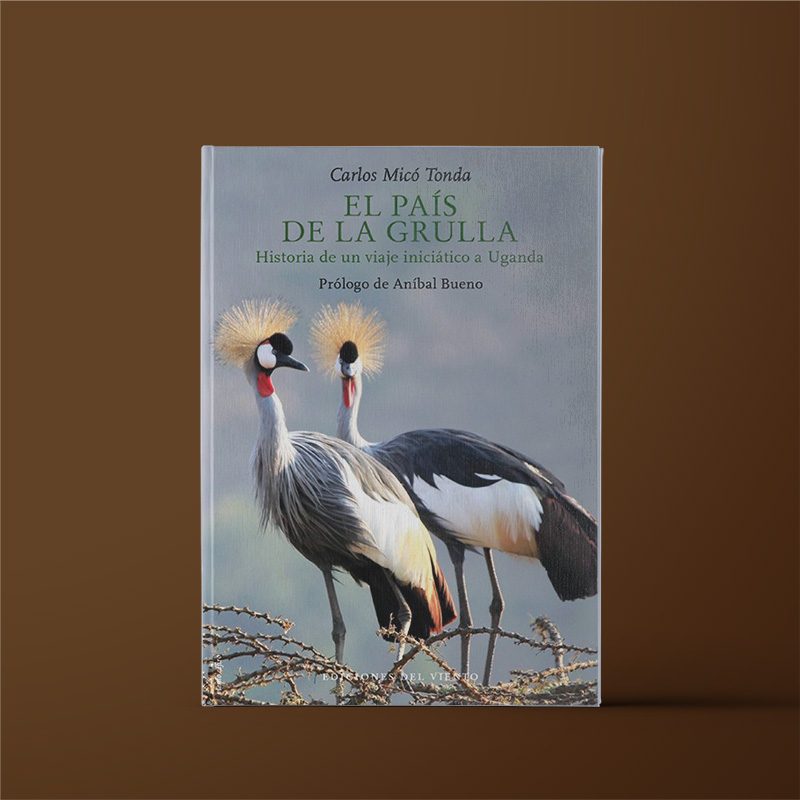
Africa, that great continent of more than thirty million square kilometers, one and a half billion inhabitants and fifty-four sovereign nations with thousands of different cultures that, erroneously, tends to be homogenized. That is the macro scenario. But it is the narrative about small regional stories and particularities what this territory urgently needs. The demystification, […]
28
Feb
Feb
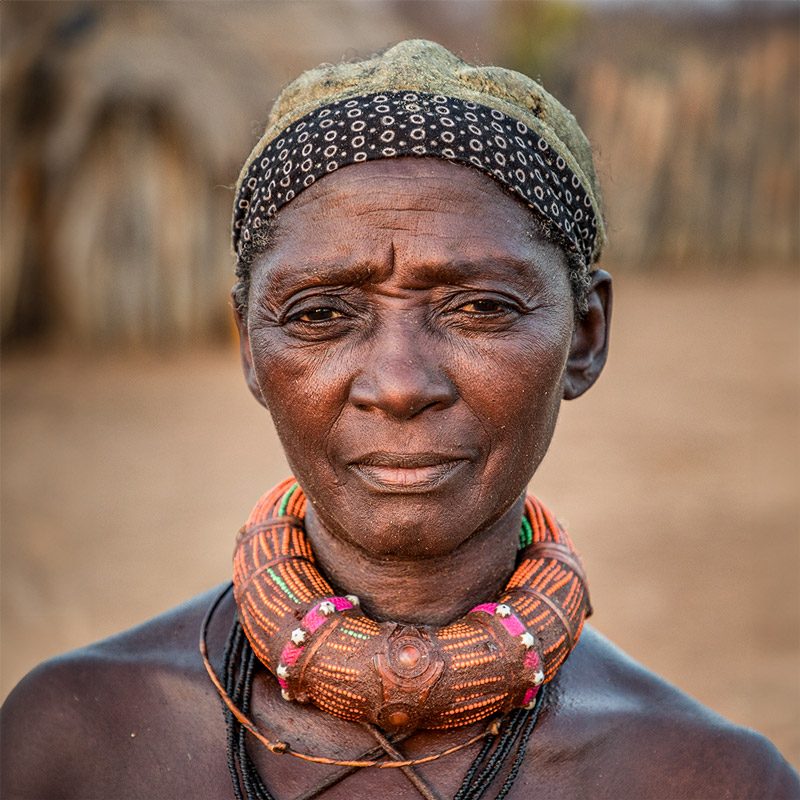
Gambue people share many traditions with their northern neighbors: the Muila and the Handa. One of them is the use, by women, of bead and clay necklaces. They also have complex hairstyles, which indicate the marital status of each woman. Nowadays, they can only be found in remote villages and only in the older generations […]
31
Jan
Jan
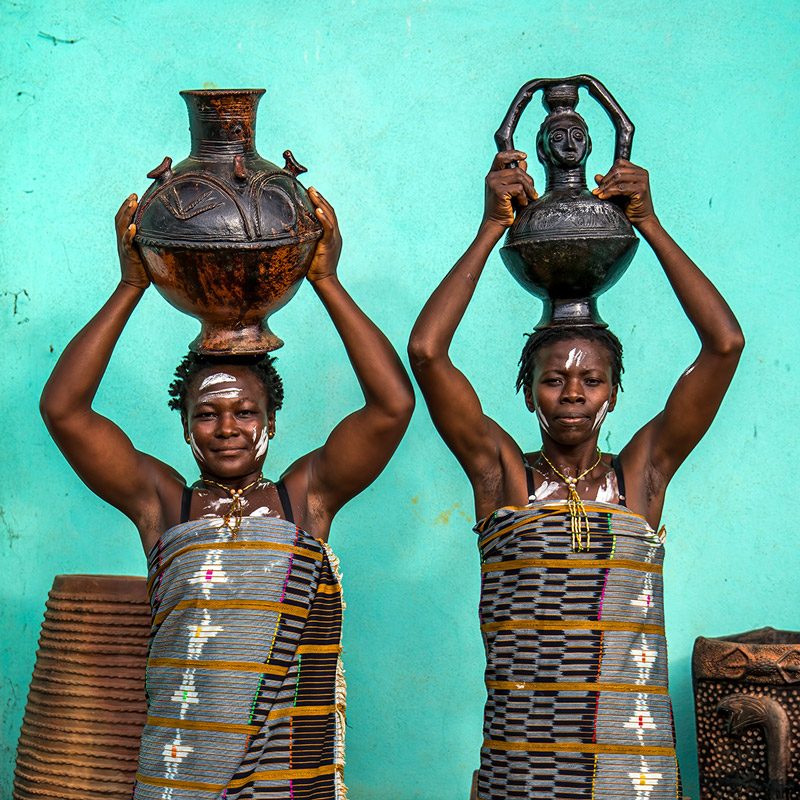
According to oral tradition, the Baule people were forced to leave Ghana when the Ashanti Empire rose to power. While they were fleeing to the west for their lives, they came to the Komoe River, which they were unable to cross. With their enemies chasing them, they began to throw their most prized possessions into […]
23
Jan
Jan
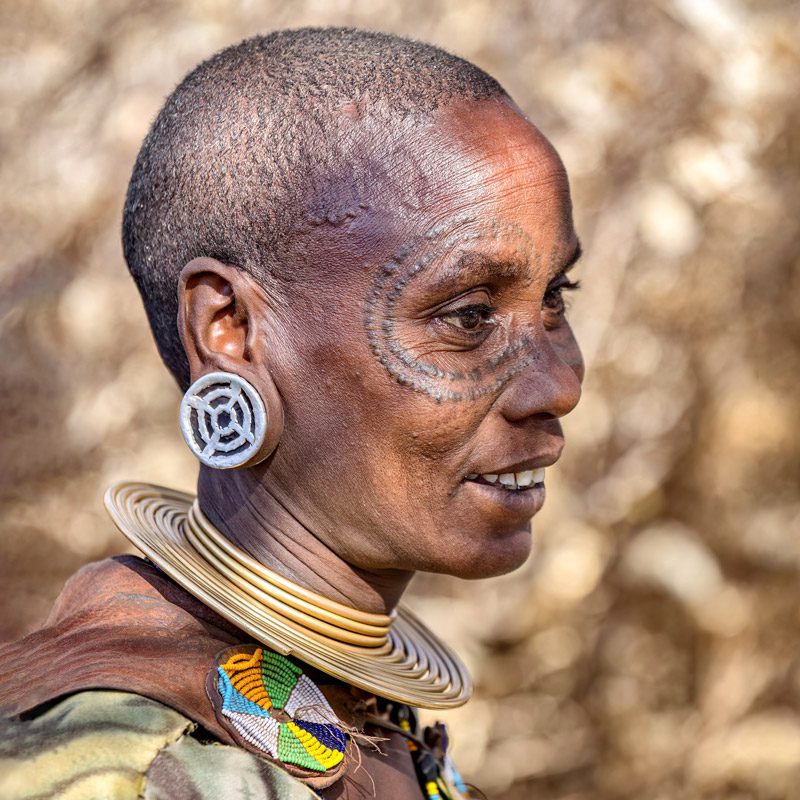
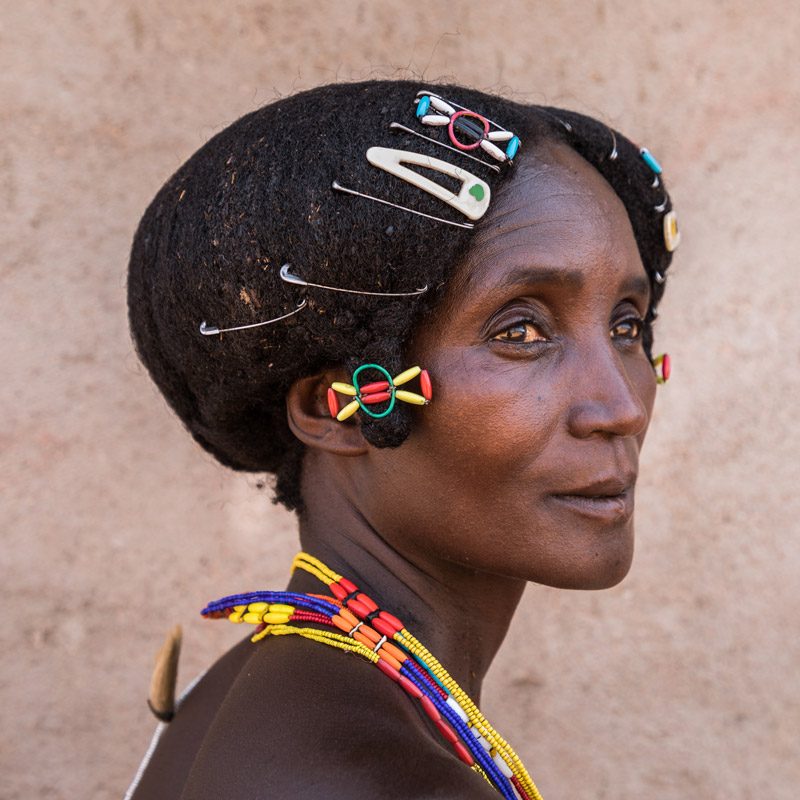
The Datoga tribe, also known as the Mang’ati in Swahili, is an agro-pastoral semi-nomadic and Nilotic-speaking ethnic group living in north-central Tanzania. They consider themselves the oldest tribe in Tanzania. The Datoga people are a proud people with a reputation as the first and foremost fierce warriors, known for their stealthy ability to eliminate their […]
03
Jan
Jan
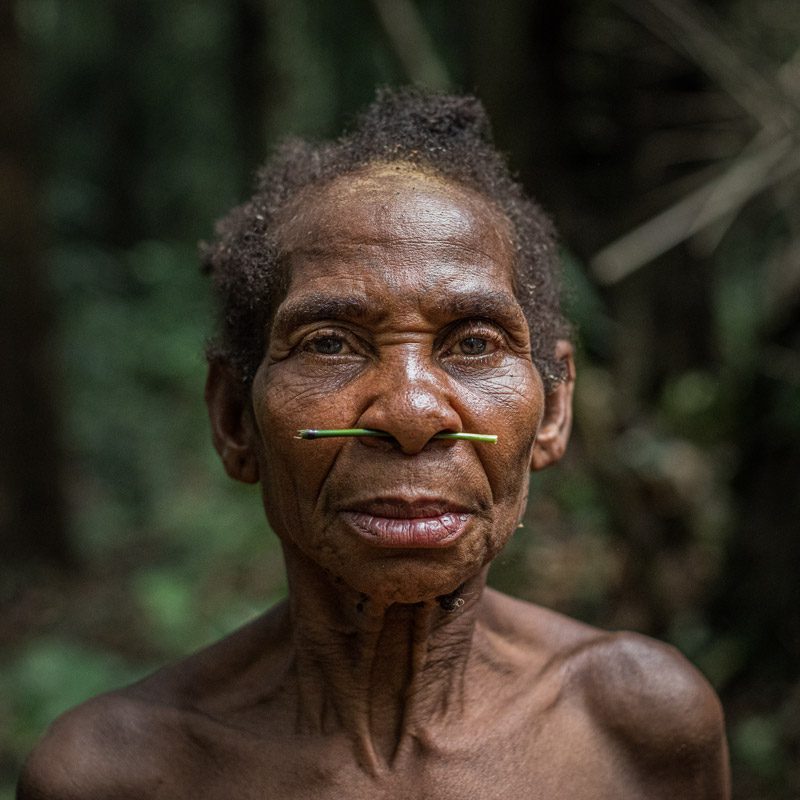
The Dimba tribe of Angola is a livestock society that mainly inhabits the savannah on the outskirts of the town of Cahama. Also, they practice hunting and subsistence agriculture. Currently, they usually cultivate the lands of the Himba and liven up their festivals with songs, being their successors in terms of social rank in the […]
08
Nov
Nov
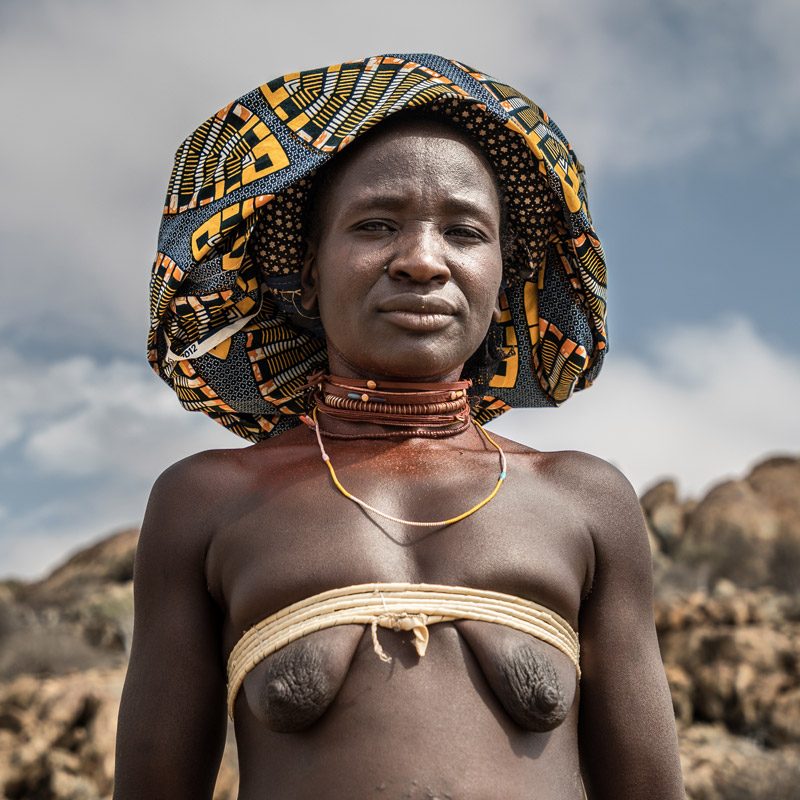
The Baka people (Aka is the term used to designate themselves) are a seminomadic ethnic group inhabiting the Central African rainforests. The Baka have a deep relationship with their environment. For the Baka people, the forest is living and communicates with them. The foundation of the Baka is to live in harmony with nature. Location […]
18
Oct
Oct
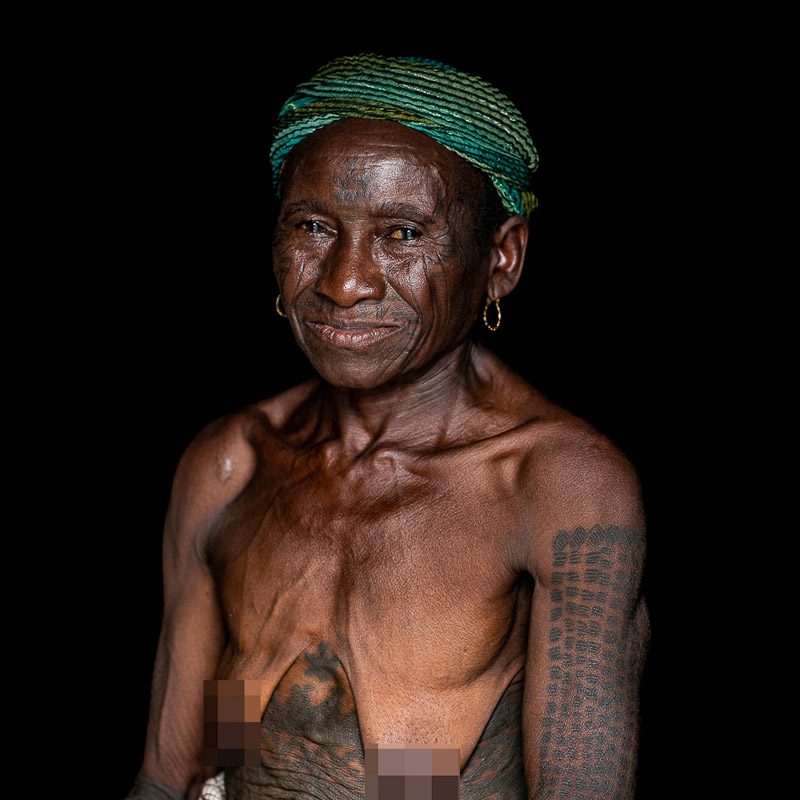
The Cubal tribe of Angola are a semi-nomadic group, whose economy is based on livestock, and also on agriculture since the 90s. Their territory is quite wide, although it is mainly located in the Namib Desert, surrounded by the Serra da Chela mountains and the Cunene River. They were the last people to succumb to […]
10
Oct
Oct
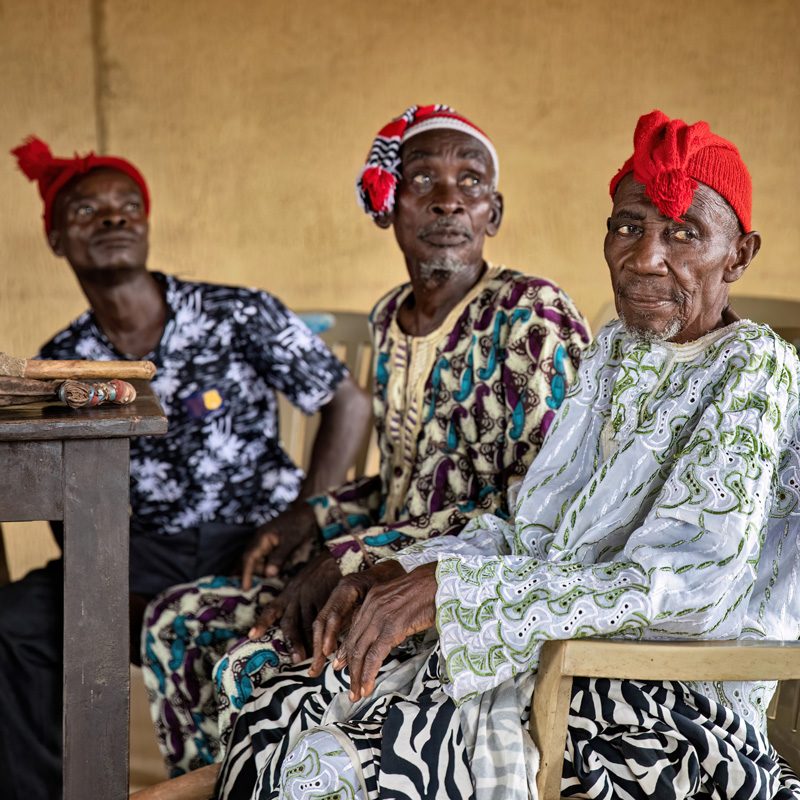
The Ije tribe of Benin, also known as Ohori or Holi, are a subgroup of the Yoruba people. This ethnic group live in the South-eastern Benin, in the surroundings of Onigboló, in between Pobe and Ketou. The Ije people are numbering 110,000 and their primary language is Ede Ije. Often, the Ohori people, together with […]
04
Oct
Oct
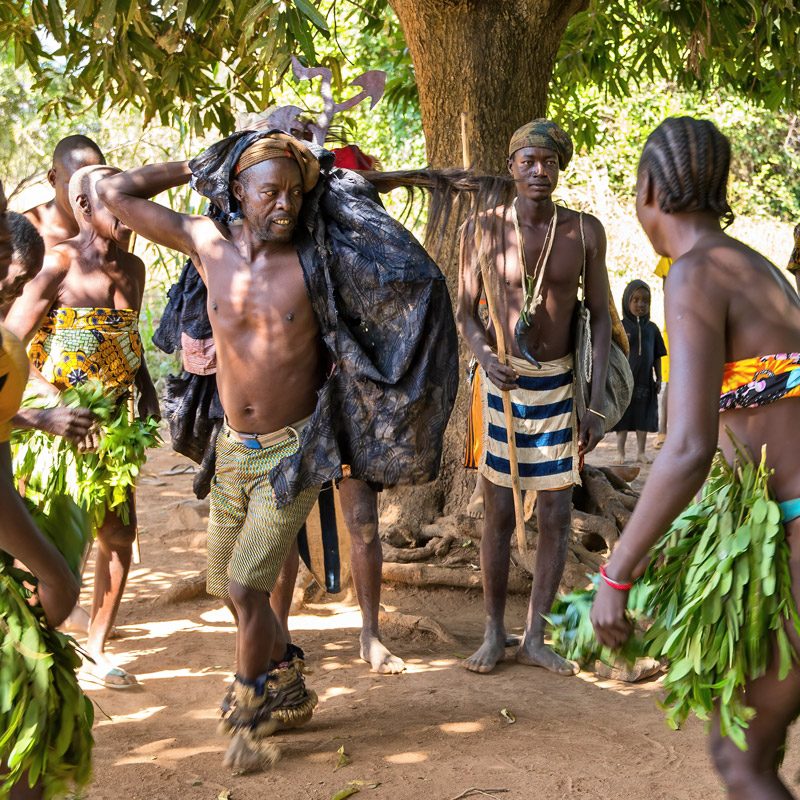
The Igbo people are an ethnic group native to the central and southeastern Nigeria. Geographically, the Igbo homeland is divided into two unequal sections by the Niger River. The Igbo people are one of the largest ethnic groups in Africa. Location of the Igbo people in the territory of Nigeria Igbo economy Subsistence farming of […]
19
Jul
Jul
About 18,000 members make up the unknown Dowayo or Namchis people of Cameroon, who live around the city of Poli in the northern region of the country. The English anthropologist Nigel Barley put them on the map by describing their rites and customs in the novel ‘Innocent Anthropologist’ (1983). Economy and social organization of the […]

 ES
ES

