
 Trip from 6 to 17 September 2026 / From 2,750€
 Download the itinerary for this ethnographic trip to Kyrgyzstan
Bishkek and the first steps of the ethnographic trip to Kyrgyzstan
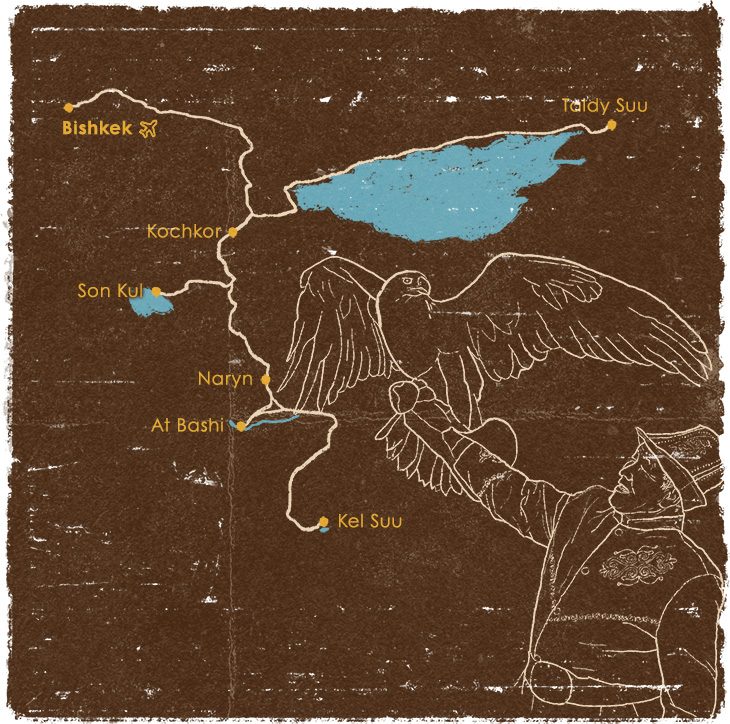
We will begin the ethnographic trip to Kyrgyzstan in Bishkek, the country’s capital. Here we will familiarise ourselves with the Kyrgyz historical and social context. We will explore the main urban spaces and visit the lively Osh Bazaar, a key place to understand everyday life. Moreover, this first contact will help us appreciate the country’s cultural diversity. From here, we will start our journey towards the more rural regions.
Balasagun, Kochkor and the nomadic felt heritage
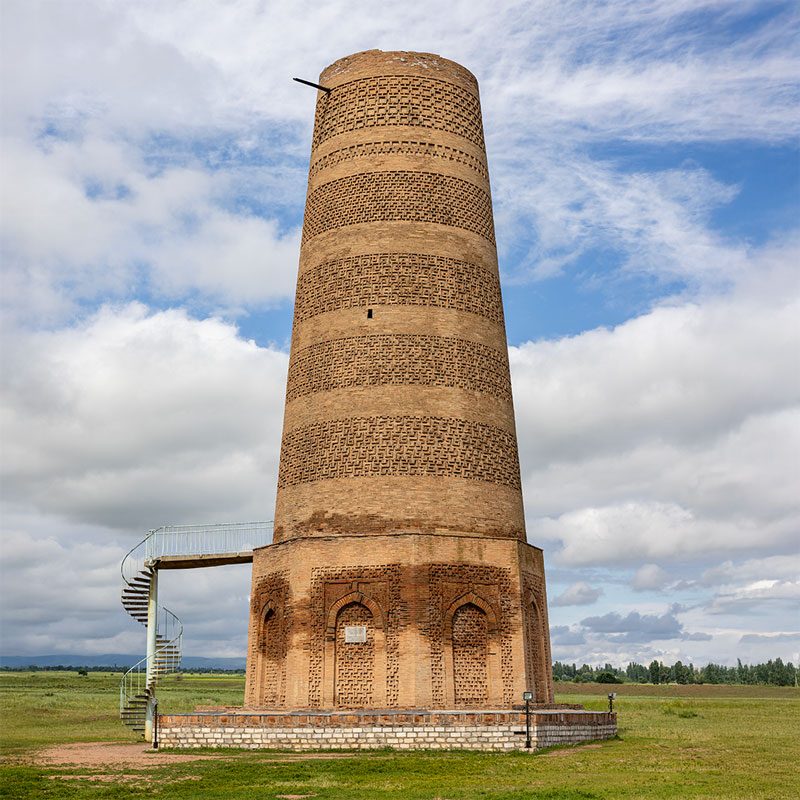
Next, we will delve into the ancient history of the region. We will visit the archaeological site of Balasagun and the Burana Minaret, remnants of ancient Central Asian civilisations. Later, we will meet a Kyrgyz women’s cooperative in Kochkor. During this experience, we will learn how shyrdaks, traditional nomadic felt carpets, are made. This encounter adds an essential social dimension to the ethnographic trip to Kyrgyzstan.

Jailoo and pastoral life in the mountains
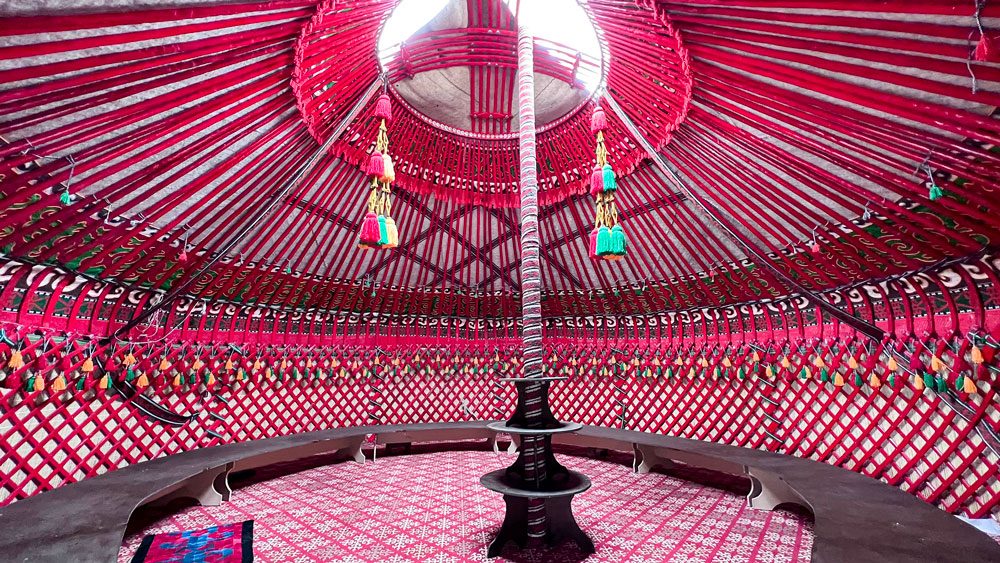
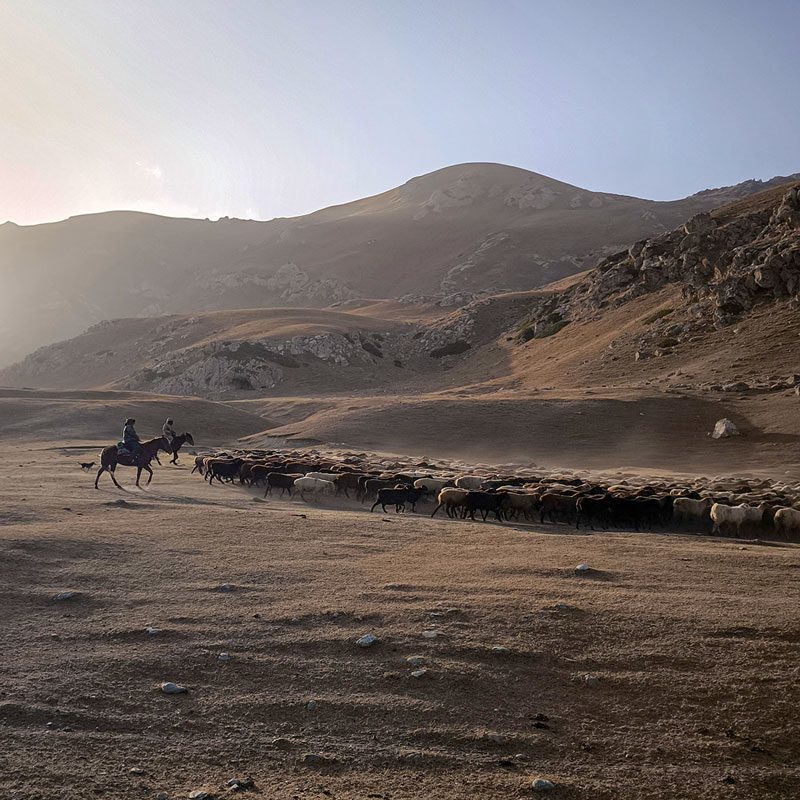
Afterwards, we will enter the jailoo, the high mountain pastures where nomadic families spend the summer. Here we will live alongside Kyrgyz shepherds and sleep in traditional yurts. During this stage of the ethnographic trip to Kyrgyzstan, we will share daily tasks. We will observe livestock care and taste products made in the mountains. In this way, we will understand the depth of pastoral culture.


Son Kul: sacred lake and nomadic high plateau
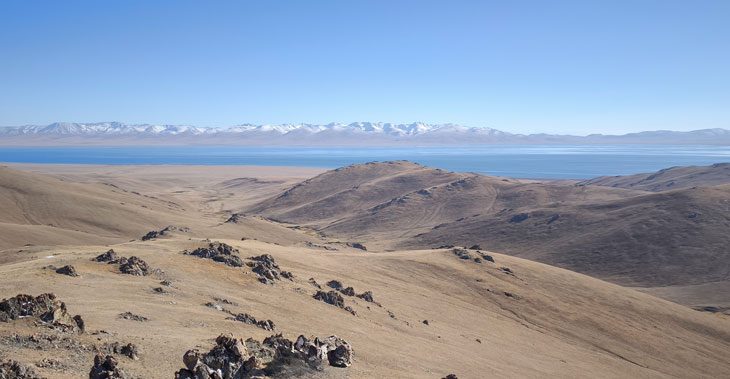
We will continue towards the alpine lake of Son Kul, located at over 3,000 metres above sea level. This place is one of the most sacred spaces of Kyrgyz pastoralism. Every summer, families move their livestock and yurts here. As we walk through this vast highland landscape, we will feel the immensity of the territory. Without doubt, Son Kul is one of the most striking moments of the ethnographic trip to Kyrgyzstan.
Kel Suu: isolation, borders and untouched nature
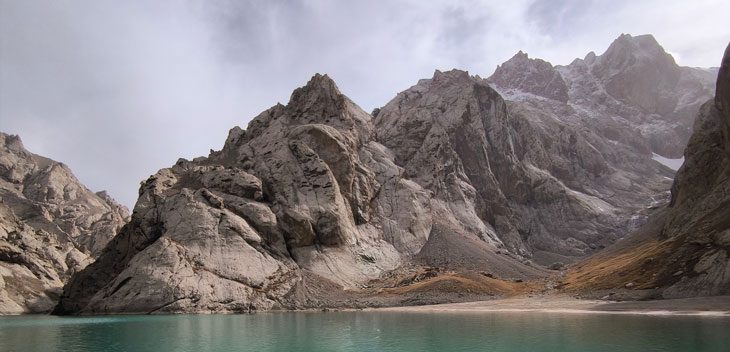
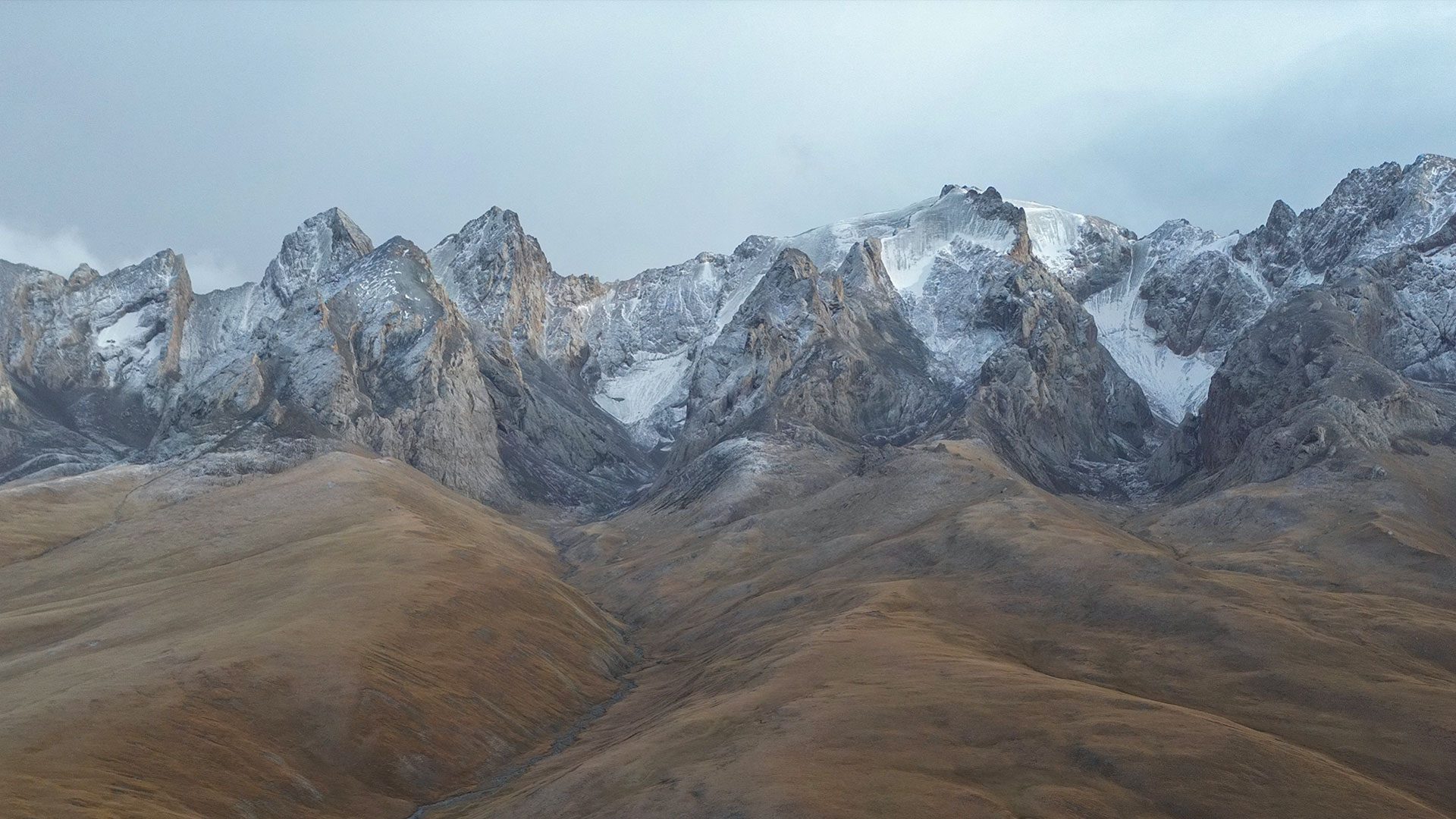
Later on, we will head to the remote lake of Kel Suu, near the border with China. Surrounded by cliffs and glaciers, this enclave has remained isolated for decades. We will explore the valley on foot and, if conditions allow, navigate the lake. This region, with no permanent settlements, reflects the wildest essence of the ethnographic trip to Kyrgyzstan.
At Bashi and Kok Boru: ritual, community and tradition
After that, we will reach the At Bashi region. Here we will share lunch with a local family and attend a traditional ceremony before a Kok Boru match. Kok Boru is one of the most important equestrian games in Central Asia. Through this experience, we will understand its connection to history, hunting and livestock protection. This moment reinforces the cultural character of the ethnographic trip to Kyrgyzstan.


Sunday bazaar and yurt assembly in Taldy Suu
In At Bashi, we will visit the Sunday bazaar, where shepherds trade animals and goods. This market is a fundamental social meeting point. Later, we will meet a semi-nomadic family in Taldy Suu. Together with them, we will assemble traditional yurts and share daily life in a high-mountain environment. This experience captures the spirit of the ethnographic trip to Kyrgyzstan.


Horseback journey across the high pastures
We will accompany shepherds on a horseback journey through the mountains. During the ride, we will search for yaks, horses and cattle grazing on the highest pastures. From the heights, we will enjoy views of glaciers, alpine forests and wide valleys. In addition, we will take part in an essential daily activity of the nomadic economy.


Rural schools, archery and Kyrgyz falconry
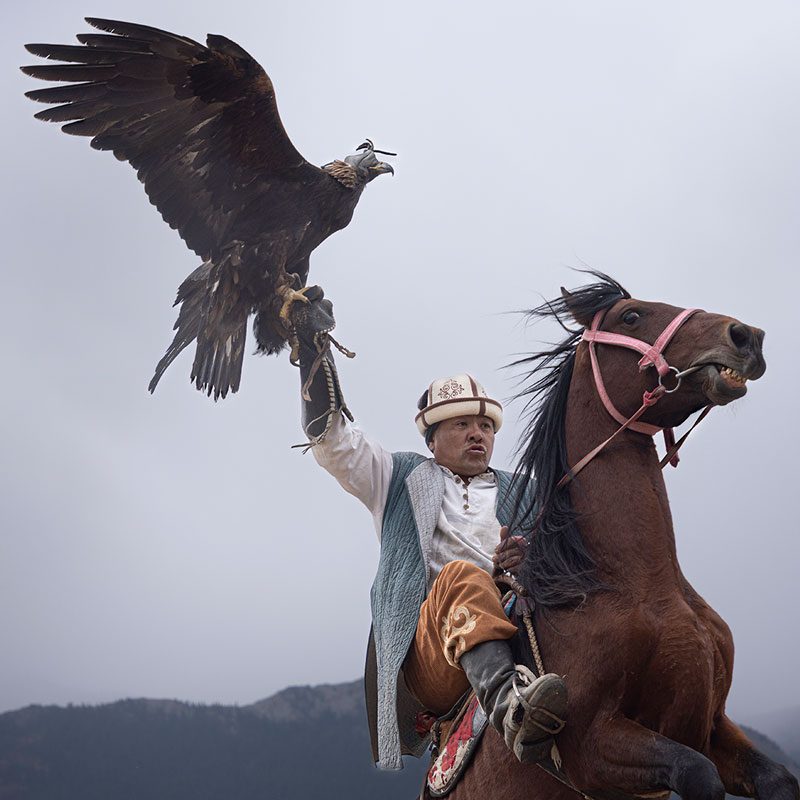
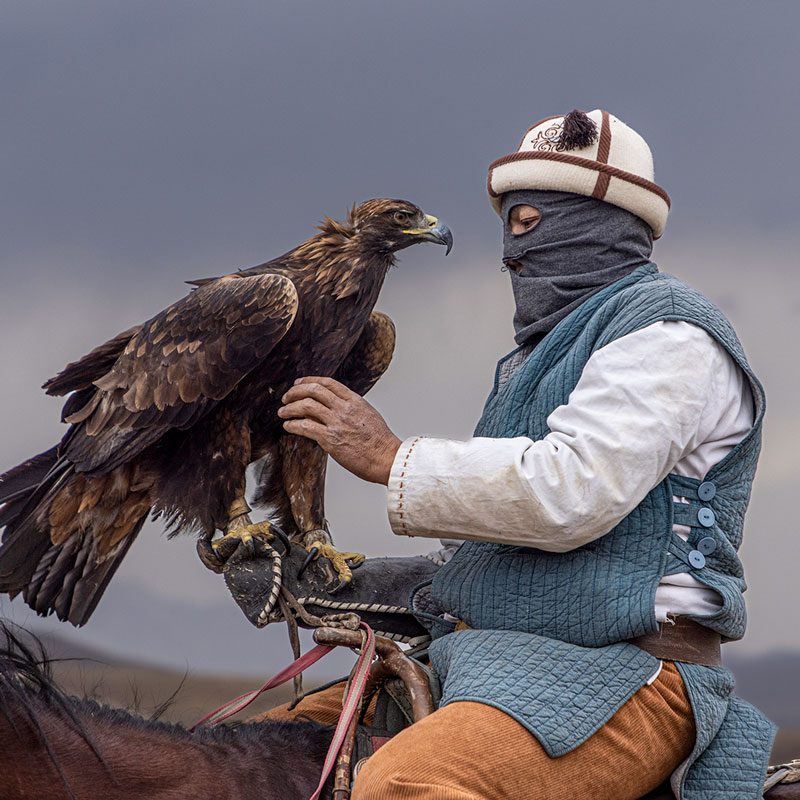
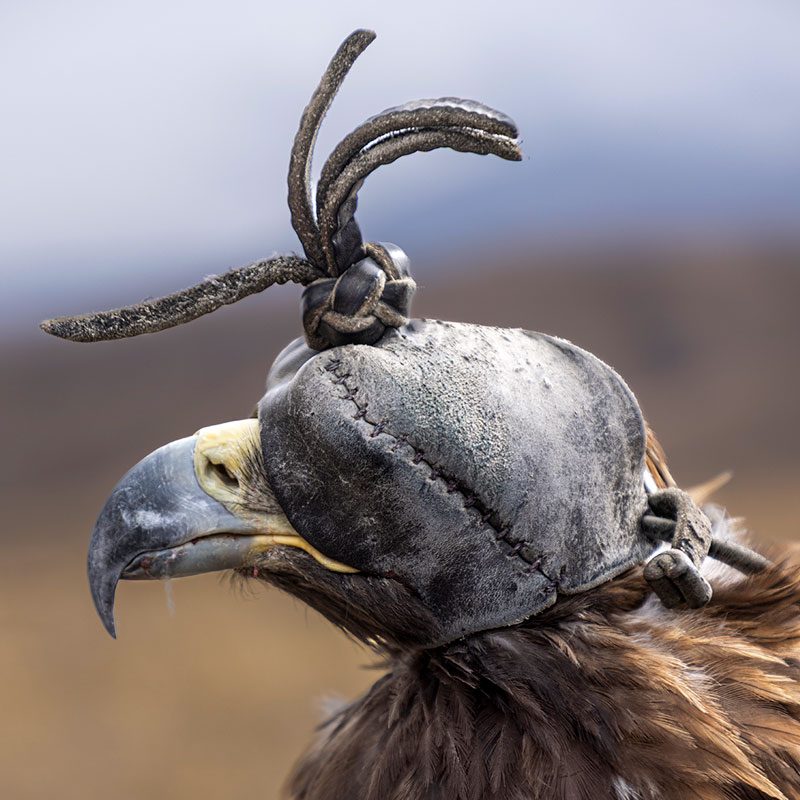
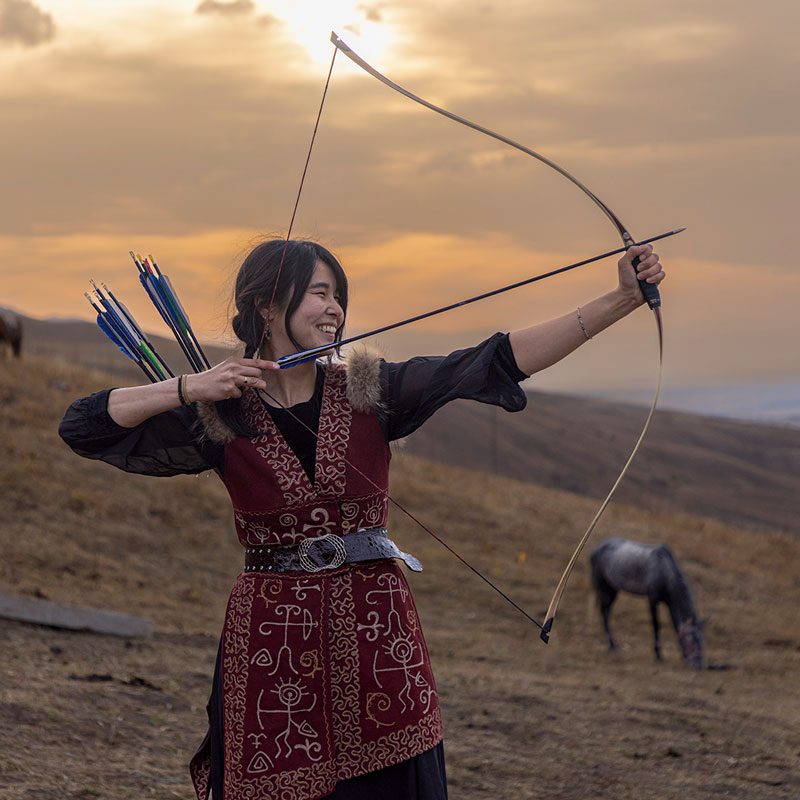
Before leaving the rural regions, we will visit a local school. This encounter will be special for both the group and the village children. Later, we will practise archery and meet a Kyrgyz falconer. Falconry is an ancient hunting technique, inherited from the mountain peoples of the Altai. In this way, we will conclude the ethnographic trip to Kyrgyzstan by connecting past and present.

Return to Bishkek and farewell
Finally, we will return to Bishkek to say goodbye to the country. After days of shared life, walks and encounters, this ethnographic trip to Kyrgyzstan will have allowed us to understand a culture deeply connected to nature and movement. A trip designed for those seeking real experiences in territories where tradition still sets the rhythm of life.
© Photos by Aníbal Bueno and Xavi de las Heras taken during an ethnographic trip to Kyrgyzstan.
► Download the detailed itinerary for this ethnographic trip to Kyrgyzstan
Click on the button below to easily reach the itinerary download form for this trip.

 ES
ES

