
 Trip to Cameroon from 13 to 24 July 2027 / From 2,650€
 Discover the highlights of this ethnographic trip to Cameroon
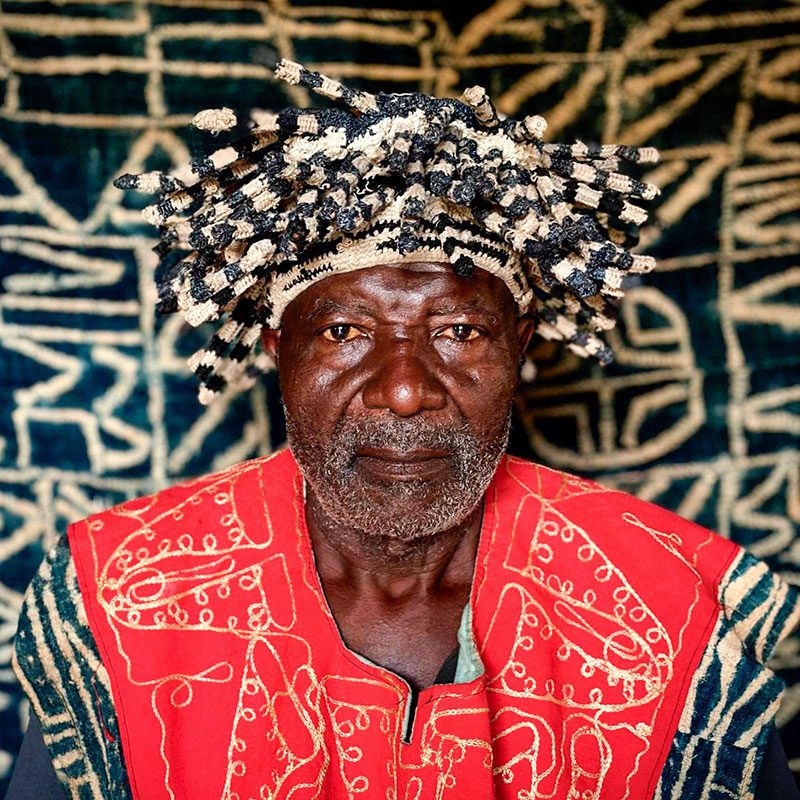
Bandjoun and Bangoulap: the heart of the Bamileke kingdoms
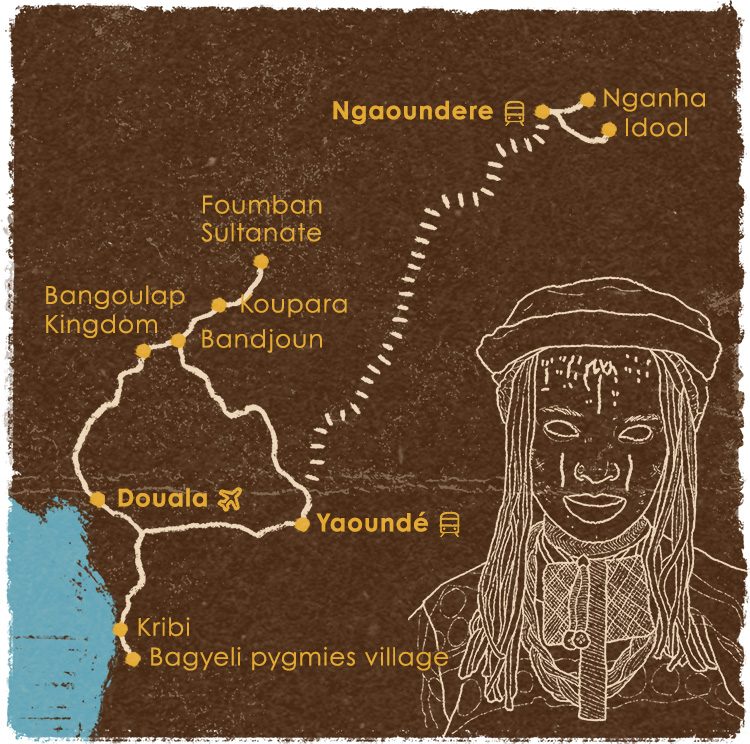
The ethnographic trip to Cameroon begins in the Western Highlands. It's one of the country's most culturally rich regions and the historic homeland of the Bamileke kingdoms. Our first visit will be to the Royal Palace of Bandjoun, regarded as one of the best-preserved royal palaces in Cameroon and one of the finest examples of traditional Bamileke architecture. Its buildings, symbolic features and ceremonial spaces provide valuable insight into the important role these monarchies continue to play in the region’s social organisation. We will then travel to the Kingdom of Bangoulap, where we will receive a traditional welcome ceremony. We will also have the opportunity to meet the King of Bangoulap and gain first-hand insight into an institution that still occupies a central place within the local community. This first stage of the ethnographic trip to Cameroon offers an excellent introduction to the political and cultural traditions of the Bamileke people.

Bamileke ceremonies: masquerades, rituals and living traditions
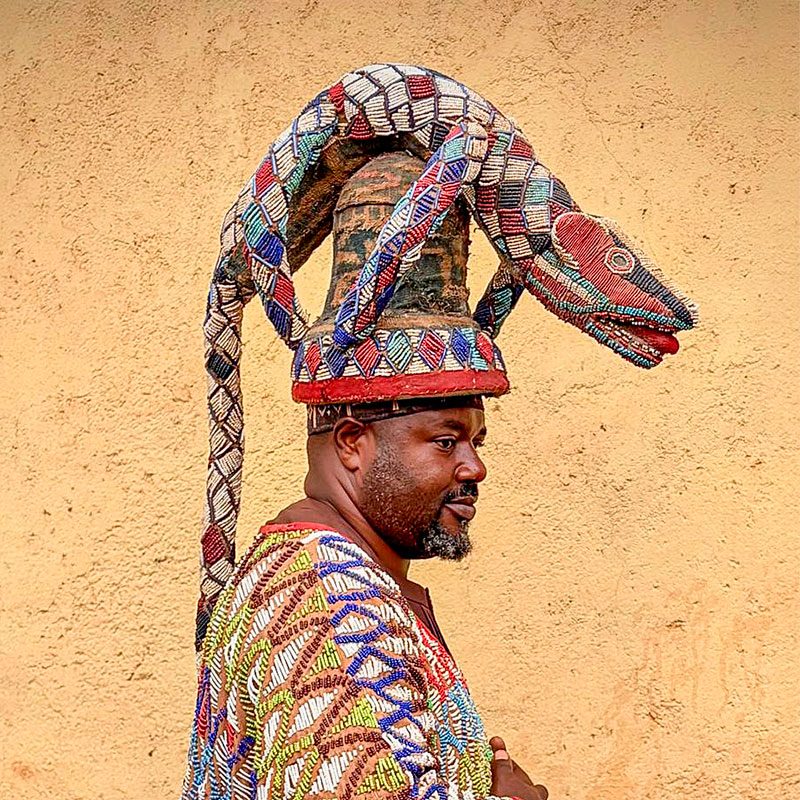
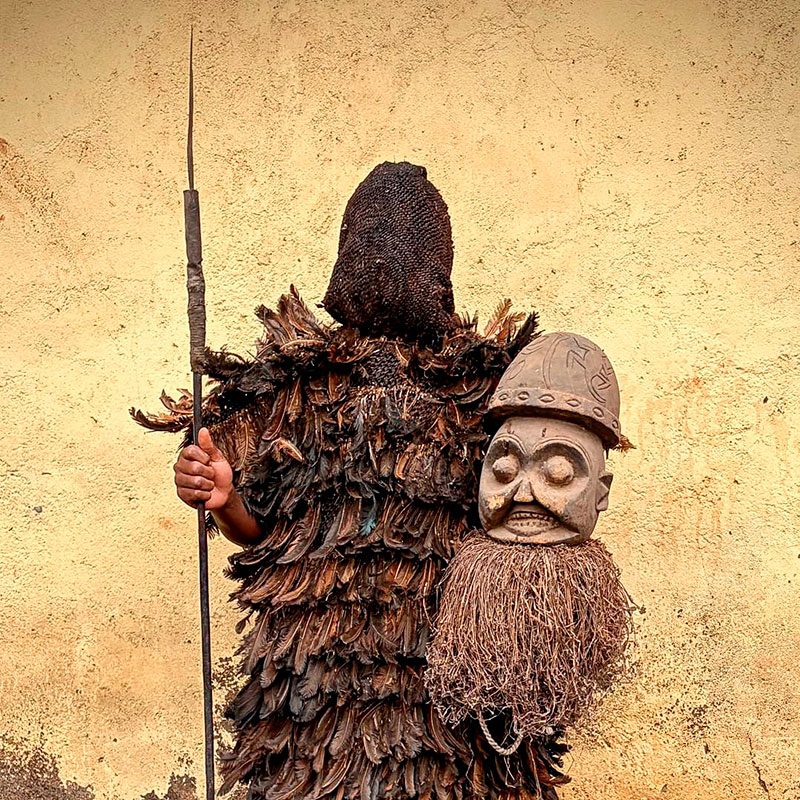
One of the highlights of the ethnographic trip to Cameroon will be an immersive experience in the traditional ceremonies of the Kingdom of Bangoulap. We will attend a spectacular Bamileke masquerade, one of the region’s most distinctive cultural expressions. These ceremonies combine music, dance, elaborate masks and complex symbolic traditions that remain an essential part of ceremonial life in the traditional kingdoms.
Also, we will share a traditional Bamileke lunch and take part in a ritual held at the sacred rocks, a place of profound spiritual significance for the local community. This experience provides a unique opportunity to understand the close relationship between traditional authority, ancestral beliefs and cultural identity.

Foumban: the great sultanate of the Bamun people
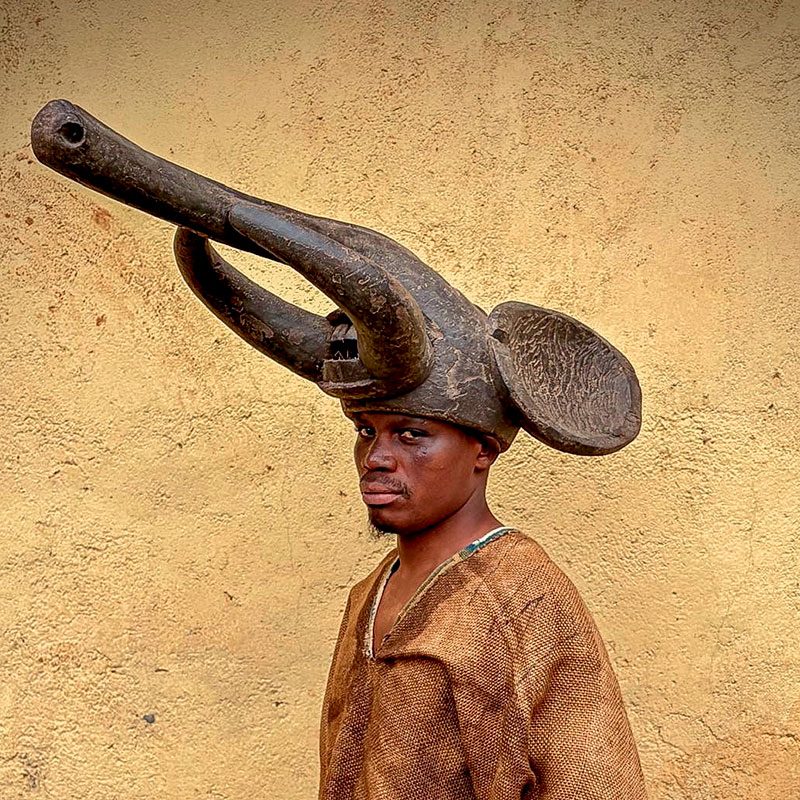
The ethnographic trip to Cameroon continues to Foumban, the historic capital of the Bamun people and one of the country's foremost cultural centres. If the timing coincides with the weekly ceremony, we will witness the Sultan's procession to the Central Mosque, accompanied by his court, dignitaries and traditional musicians, one of the sultanate's most iconic events.
We will then explore the lively market of Foumban before visiting the Sultan's Palace and its museum, where we will discover the remarkable history of the Bamun Kingdom and the legacy of one of Central Africa's most influential monarchies.
Bamun craftsmanship and traditional ceremonies
The cultural richness of the ethnographic trip to Cameroon is also reflected in the Bamun people's artistic and ceremonial traditions. We will visit the artisans' quarter of Foumban, renowned for its exceptional bronze casting, wood carving, textiles and traditional crafts, which have earned Bamun art international recognition.
Later, we will travel to Koupara to attend a traditional pre-Islamic Bamun ceremony. During this celebration, we will witness masked dances that preserve ancient ritual traditions passed down through generations, offering an exceptional opportunity to explore the community's rich spiritual heritage.
The Fulani Kingdom: encounters with the cattle-herding peoples of northern Cameroon
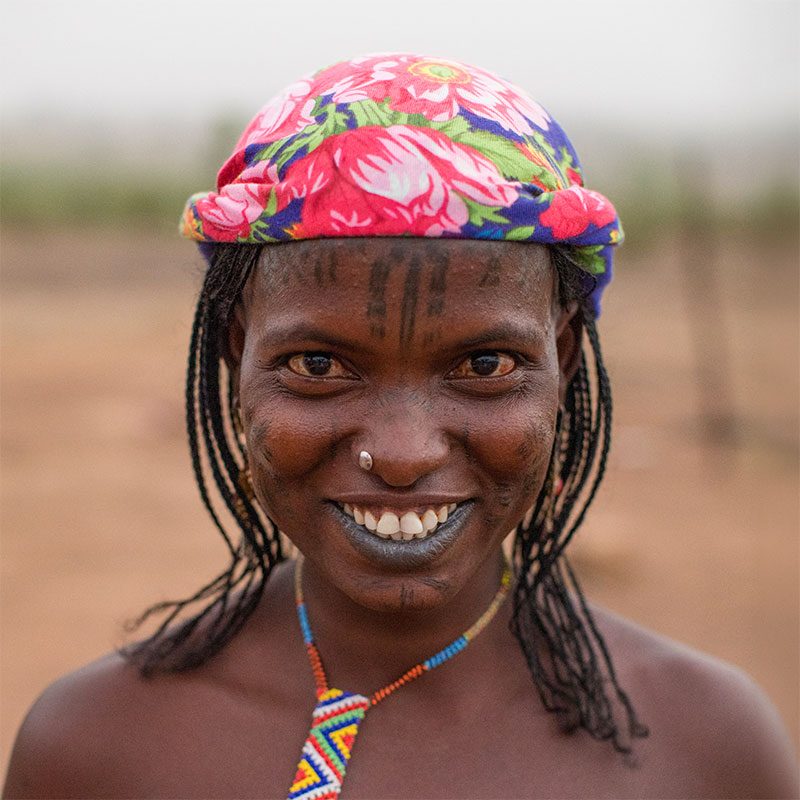
The ethnographic trip to Cameroon also offers the opportunity to discover Fulani culture, one of the great pastoral societies of West Africa. We will visit a Fulani Kingdom that was historically established to welcome the region's pastoral communities. There, we will meet local people and gain insight into a way of life deeply connected to cattle herding, while learning about the social and cultural traditions that continue to shape Fulani identity.

Ngaoundéré and the Mbum Kingdom: traditions of the Adamawa Plateau
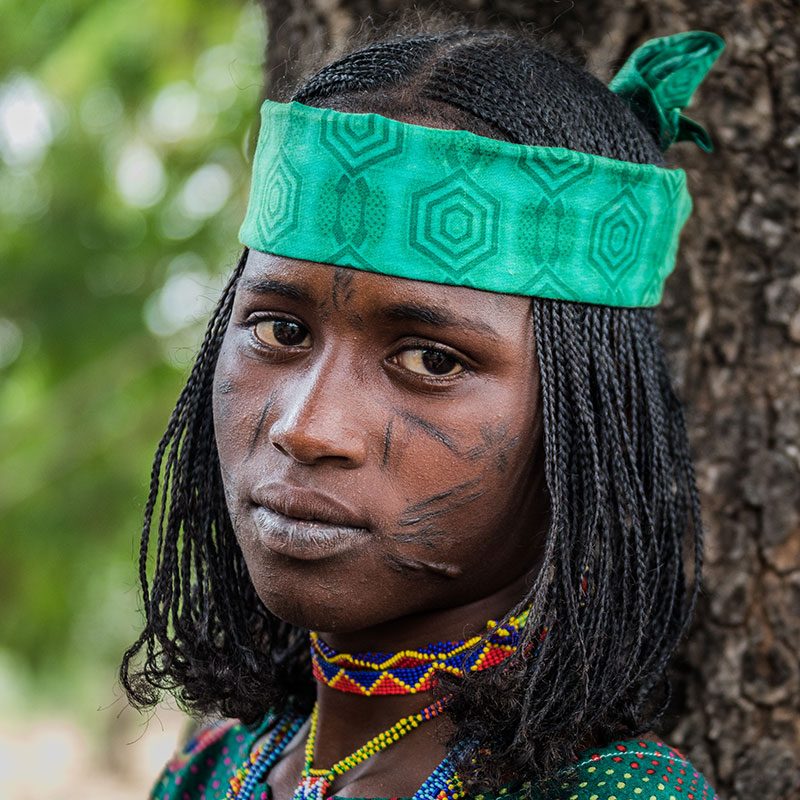
The expedition continues across the Adamawa Plateau, where we will discover some of northern Cameroon's most important traditional institutions. We will begin by exploring Ngaoundéré, visiting its Royal Palace and historic colonial market, two landmarks that reflect the city's political and commercial development.
We will then travel to the Mbum Kingdom of Nganha, where we will be welcomed by the Mbum King and attend a rare traditional masquerade. This ceremony provides a remarkable opportunity to experience the ritual traditions that remain an important part of Mbum cultural life. As a result, this stage of the ethnographic trip to Cameroon offers a deeper understanding of the country's extraordinary cultural diversity.


The Emirate of Idool: architecture and political tradition
The ethnographic trip to Cameroon then takes us to the historic Emirate of Idool, one of the most distinctive traditional settlements in the Adamawa region.
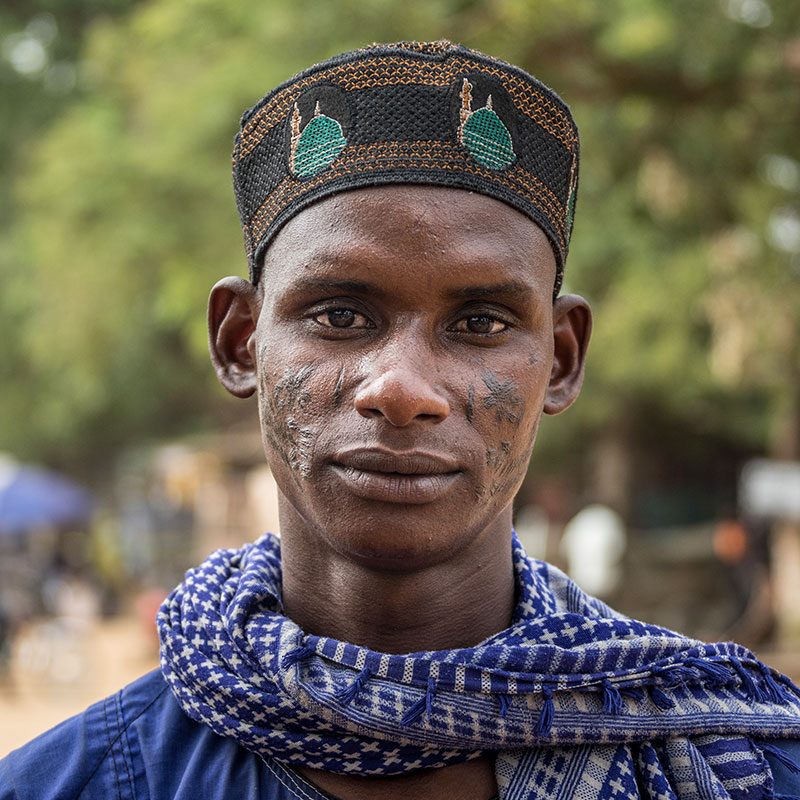
During our visit, we will meet the Emir and several members of the local nobility, gaining insight into the traditional political system that continues to function in this territory. We will also explore the historic town of Idool, whose architecture and urban layout reflect the legacy of the former emirates of northern Cameroon.
The Bagyeli: life in the equatorial rainforest
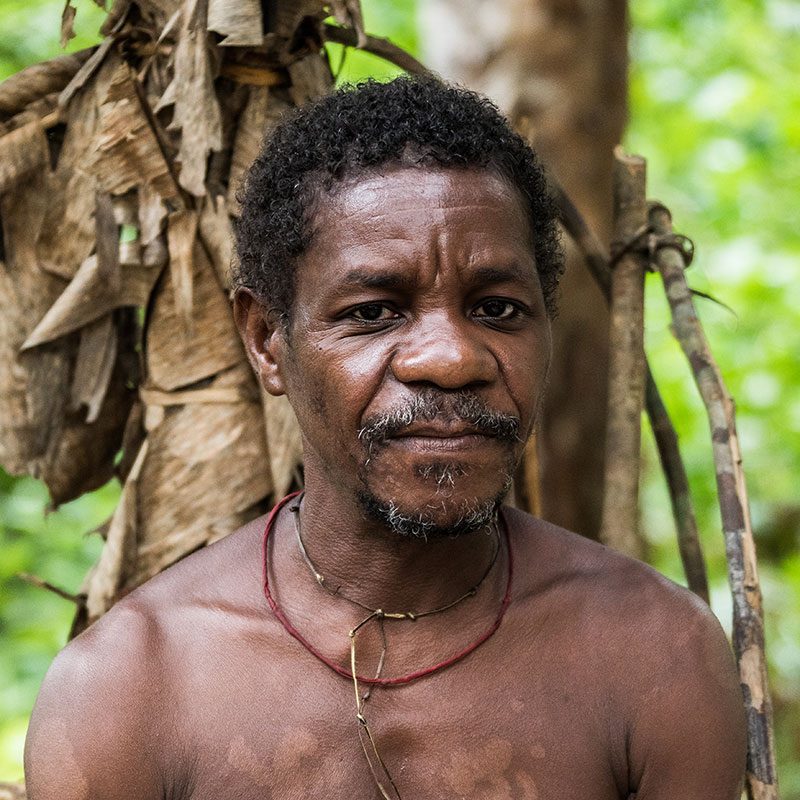
One of the most rewarding encounters of the ethnographic trip to Cameroon will be our visit to the Bagyeli pygmy community, regarded as one of the country's oldest peoples. We will spend time with community members to learn about their traditional way of life, which remains deeply connected to the equatorial rainforest.
We will also discover how they preserve ancestral knowledge of the forest, including hunting, gathering and the sustainable use of natural resources. This experience offers valuable insight into one of Central Africa's most distinctive cultures.

Yaoundé and Kribi: history, diversity and the Atlantic coast
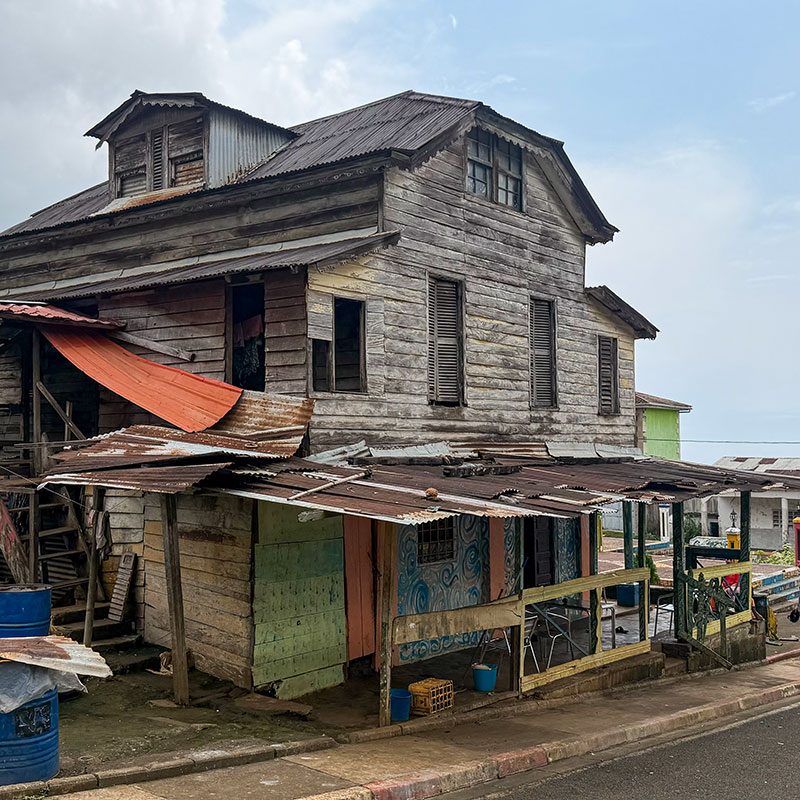
The ethnographic trip to Cameroon also combines urban heritage, cultural diversity and coastal landscapes. In Yaoundé, we will enjoy a guided visit through the Muslim Quarter before exploring the post-colonial district, where modern architecture reflects the historical evolution of the Cameroonian capital. Later, we will return to Ngaoundéré to stroll through its Central Market and historic old quarter. Two places that offer an authentic glimpse into the everyday life of this important northern city. Finally, we will arrive in Kribi, one of Cameroon's principal coastal towns. Here, we will explore its seafront and experience the atmosphere of this historic Atlantic settlement, bringing to a close an ethnographic trip to Cameroon that combines traditional kingdoms, ancestral ceremonies, Indigenous communities and some of Central Africa's most fascinating peoples.


© Photos by Aníbal Bueno taken during an ethnographic trip to Cameroon.
► Download the itinerary for this ethnographic trip to Cameroon
Click the button below to easily access the download form for this ethnographic trip to Cameroon

 ES
ES

