
 Trip to Cameroon from 20 to 29 March 2027 / From 2,820€
 Discover the highlights of this ethnographic trip to northeastern Cameroon
Yaoundé: the political capital of Cameroon
We will begin our ethnographic trip to northeastern Cameroon in Yaoundé, the country's political capital. The city will give us a first glimpse of Cameroon before we venture into its more remote regions. We will climb Mount Febé, from where we will enjoy a good panoramic view of the capital. We will also visit its interesting African art museum. This first encounter will bring us closer to the country's cultural and artistic diversity.
Later, we will return to Yaoundé from the north to continue our journey towards the forested east. This region belongs to Bantu territory, where Cameroon's largest ethnic group is concentrated. It is also the territory to which much of the country's political elite belongs.
Ngaoundéré: Muslim Cameroon and the heritage of Adamawa
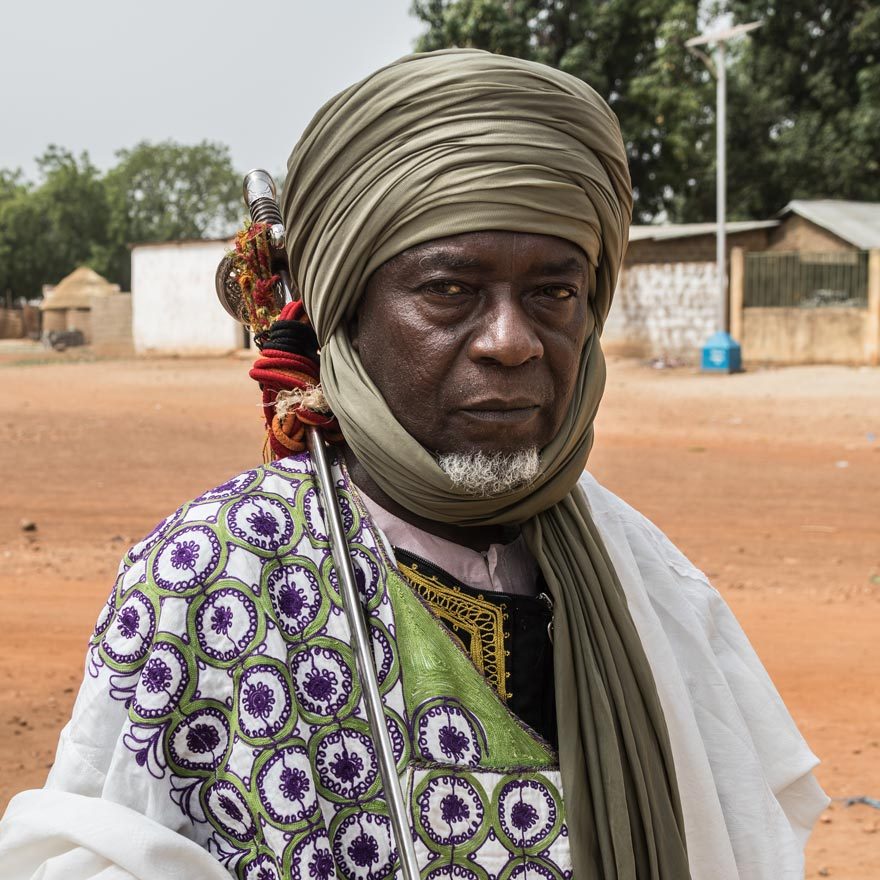
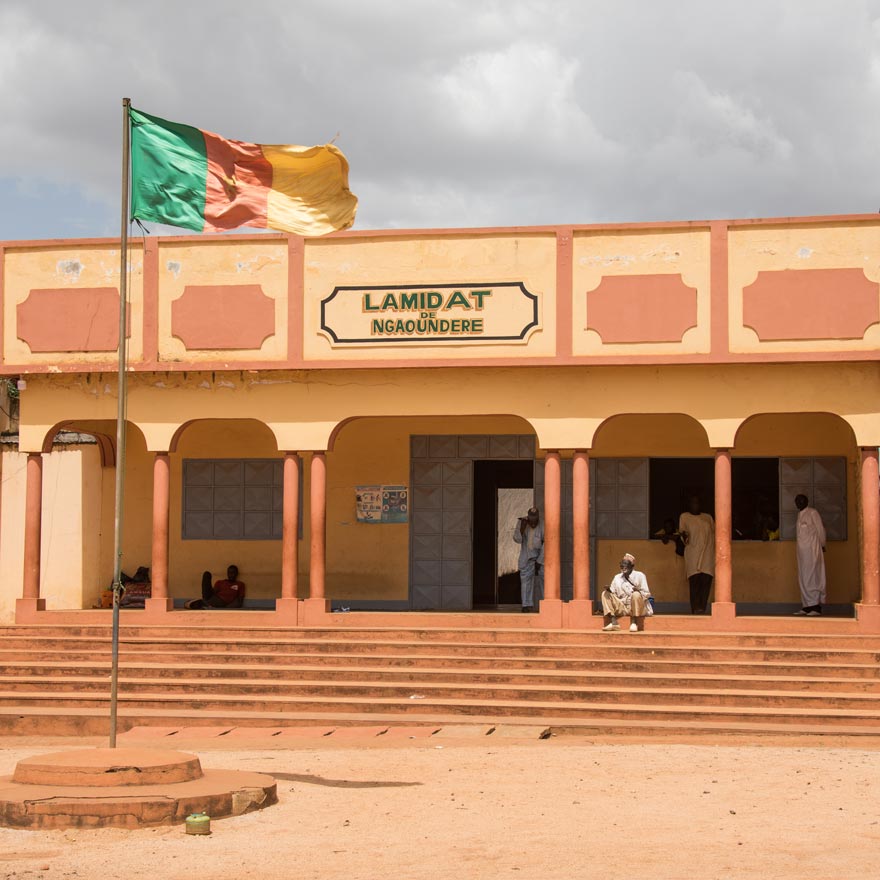
Ngaoundéré is the capital of the Adamawa province and plays an important economic role in the region. The city connects northern Cameroon and Chad by rail with the port of Douala. It is also an important livestock and cotton-producing area. Despite its economic growth, Ngaoundéré retains an old medieval atmosphere around the Lamido's palace, or sultanate. We will visit this area and also explore the old quarter.
Some traditional adobe houses still survive in its streets. We will also visit the former colonial market, another testimony to the city's history. Ngaoundéré will allow us to enter Muslim Cameroon. This cultural reality is very different from the forested and predominantly Christian regions of the south.
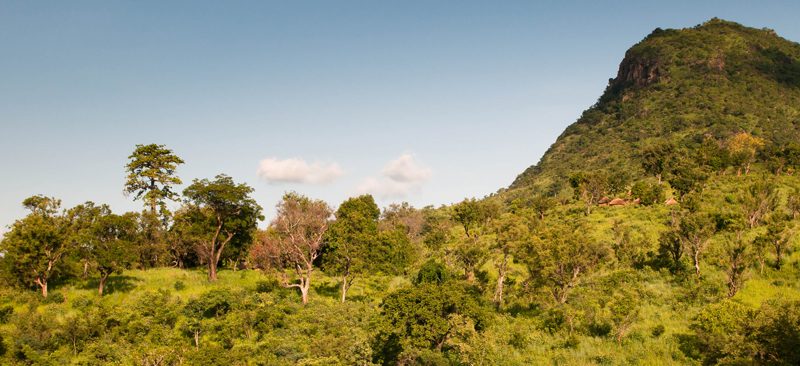
During the journey towards the Benoué Valley, we will also be able to observe a significant change in the landscape. We will descend from the Adamawa Plateau towards the African plain. At the same time, we will notice how the climate changes as we lose altitude. The modern villages around Ngaoundéré are mainly built with cement and corrugated iron. However, these buildings disappear after a few kilometres. From then on, we will find traditional adobe villages along the dirt tracks.
Mbororo: nomadic pastoralists of the Faro Valley
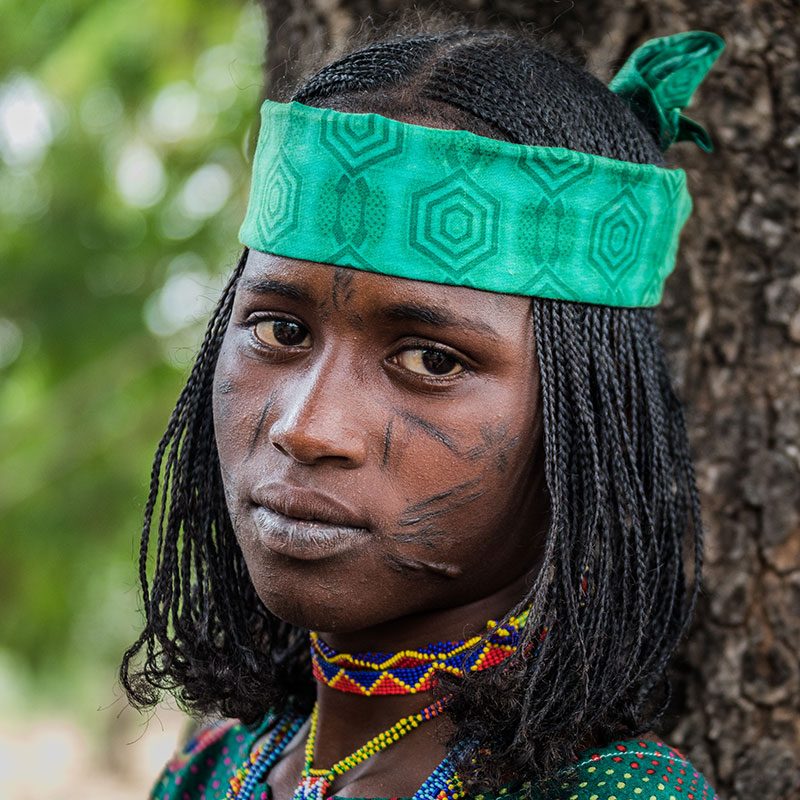
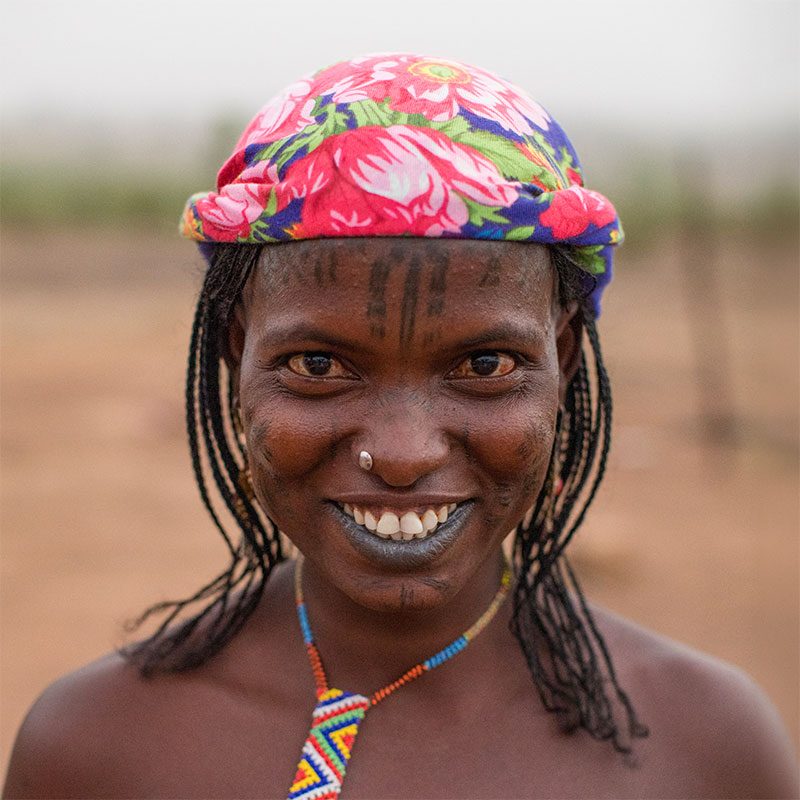
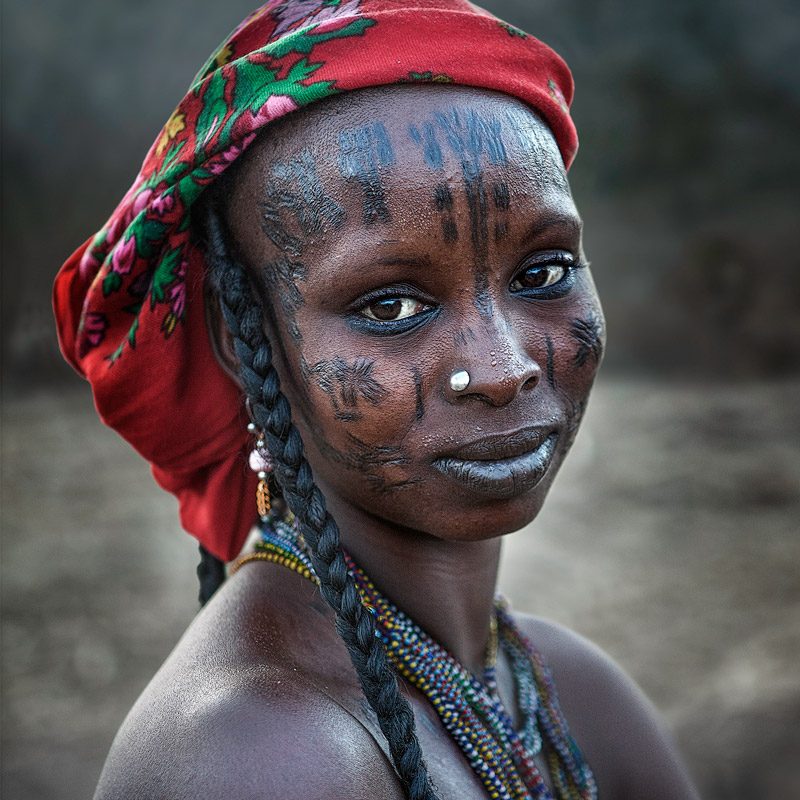
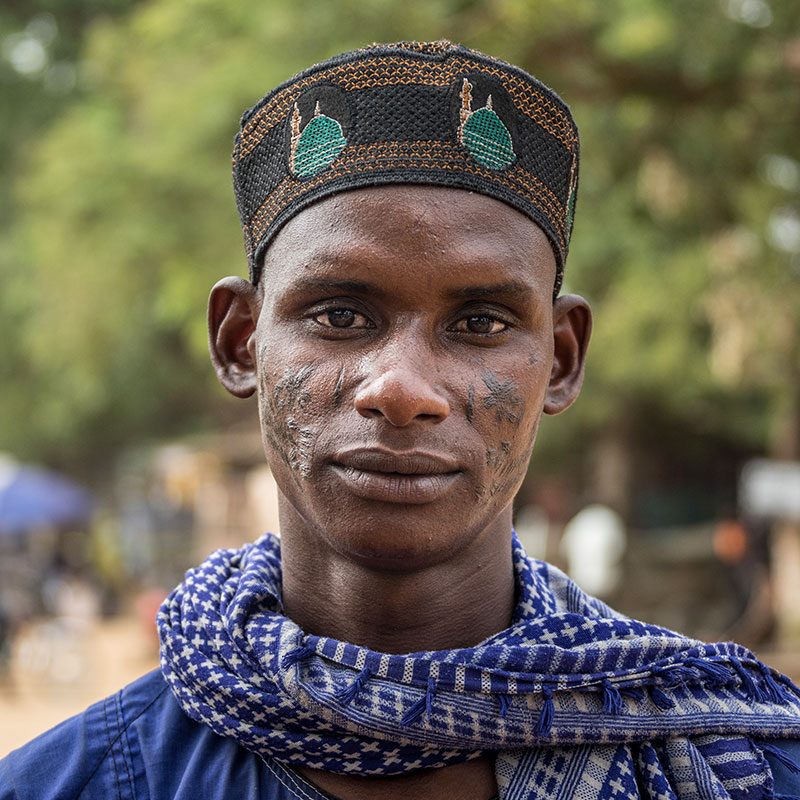
One of the most fascinating encounters of the ethnographic trip to northeastern Cameroon will be meeting the Mbororo. This nomadic pastoralist ethnic group has lived in the Faro Valley for centuries. The Mbororo have preserved much of their traditional culture to the present day. Their close relationship with cattle is one of the fundamental elements of their way of life. Particularly striking is their custom of decorating the face and parts of the body with beautiful and complex tattoos. These designs can indicate the social class and marital status of the person wearing them.
During our stay, we will greet the elders of the community. They guide the destiny of their people and preserve ancient customs based on honour and respect for nature. We will also meet Mbororo communities living near our camp. These encounters will allow us to gain a deeper understanding of their culture and their relationship with the land and cattle.

Dupá tribe: farming, animism and life in the mountains
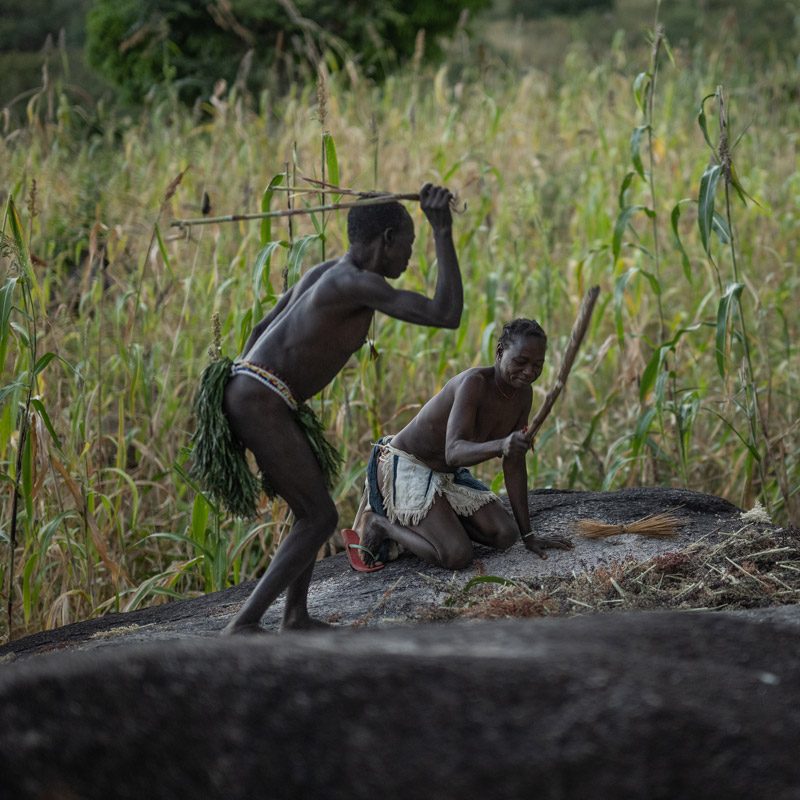
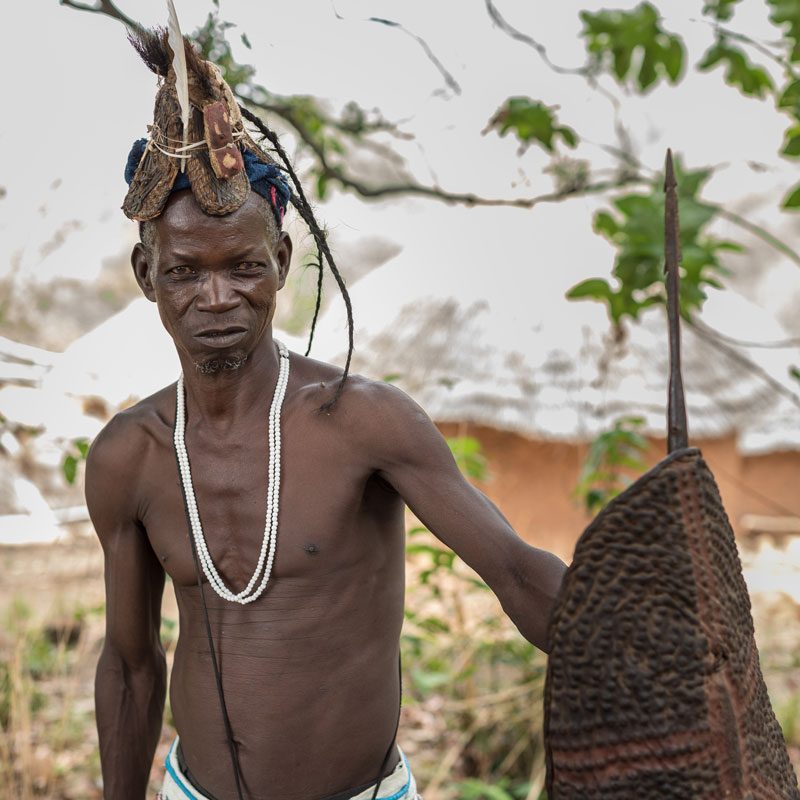
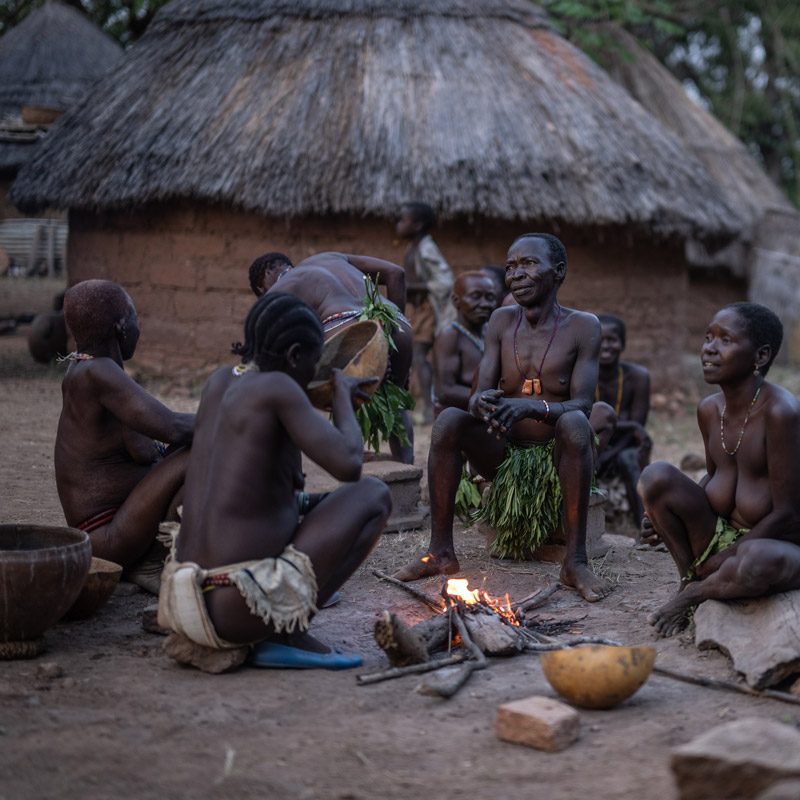
From the Faro Valley, we will head towards the mountains to visit one of the Dupá villages. The approach will take us through a mountainous and little-visited environment. There, inhabitants of these mountains remain attached to an ancestral way of life. The Dupá are primarily farmers, and their lives revolve around their millet fields.
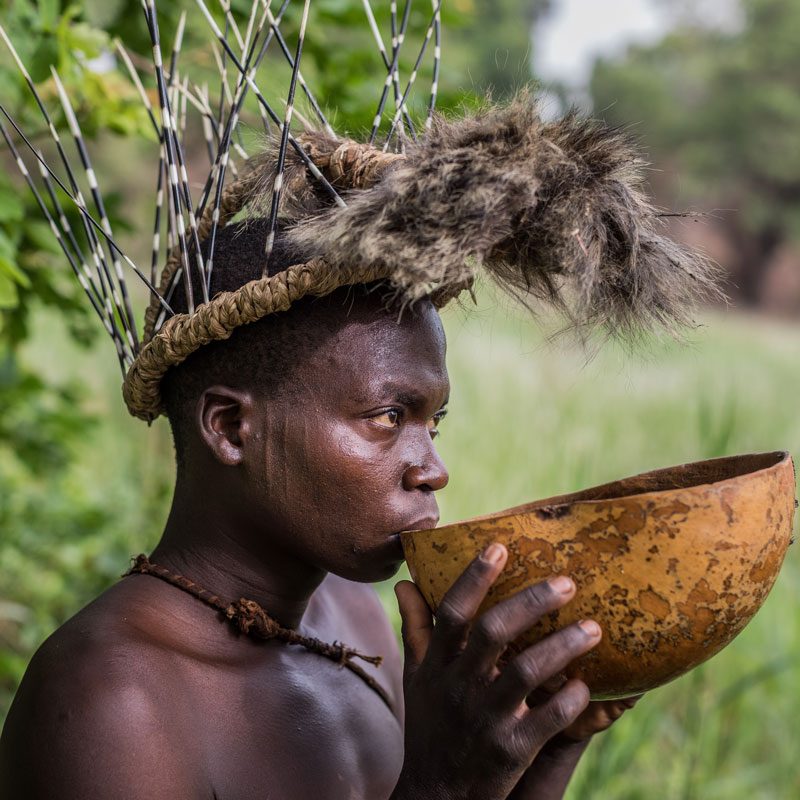
Their agricultural calendar is accompanied by different celebrations. They organise festivities before and after the harvests. During these celebrations, they drink large quantities of bil-bil, a local beer made from fermented millet. If one of these celebrations coincides with our stay, we will ask permission to participate. It will be an exceptional opportunity to approach their traditions with respect.
Dupá men combine agricultural work with hunting. To do so, they use bows and arrows, maintaining traditional techniques linked to their way of life. Dupá society also retains a strong connection to its animist values. Its inhabitants show a clear determination to preserve these beliefs and customs in the face of modernity. During our stay, we will discover their architecture, sacred forests and different aspects of their everyday life. This encounter will be one of the most immersive moments of the ethnographic trip to northeastern Cameroon.
Messamena and the colonial settlements of eastern Cameroon
After returning towards Yaoundé, we will head towards the forested east of the country. This region retains large areas of tropical rainforest and constitutes a cultural environment different from the northern lands. During the journey, we will pass through several settlements of colonial origin. Some buildings dating from the period of German presence, between 1884 and 1916, are still preserved there.
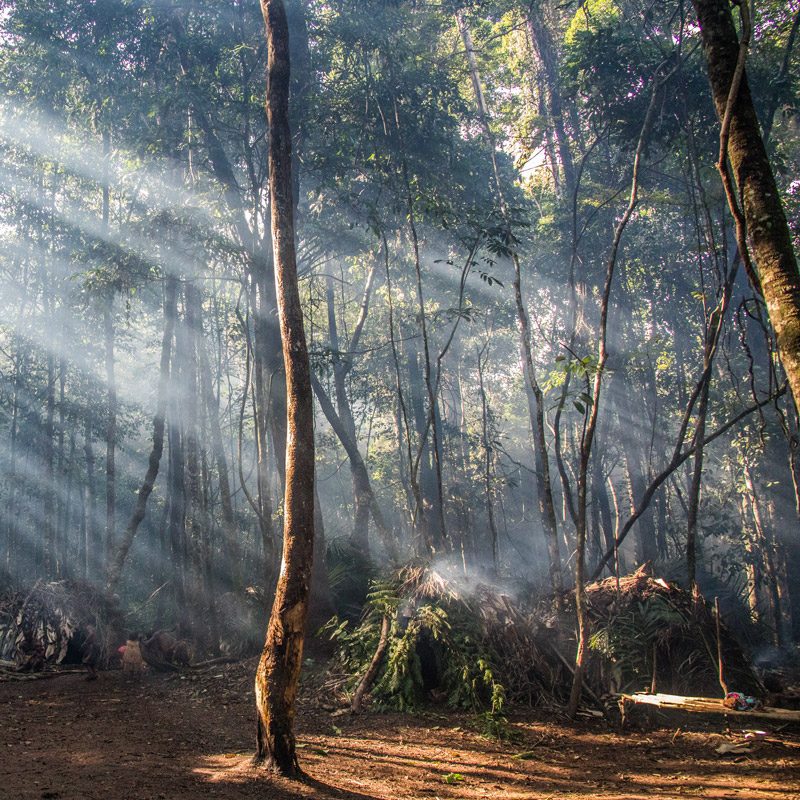
We will reach Messamena, where we will be able to walk through the town and discover this transitional environment between inhabited areas and the forest. From there, we will continue along a forest track. We will cross several tropical streams before gradually entering the forest. This landscape will allow us to understand the importance of the forest for the communities living in eastern Cameroon. It will also be the setting for our encounter with some of the last traditional clans of Baka Pygmies.
Baka Pygmies: life and spirituality in the rainforest
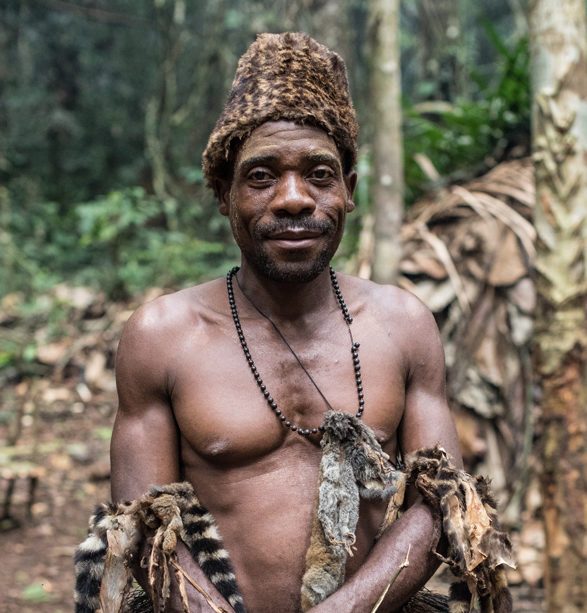
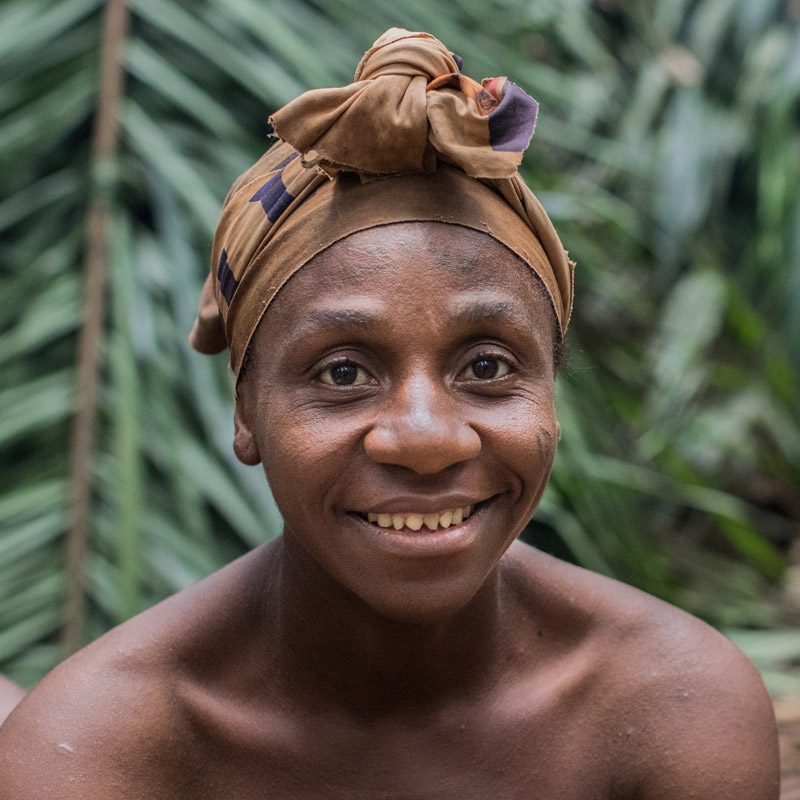
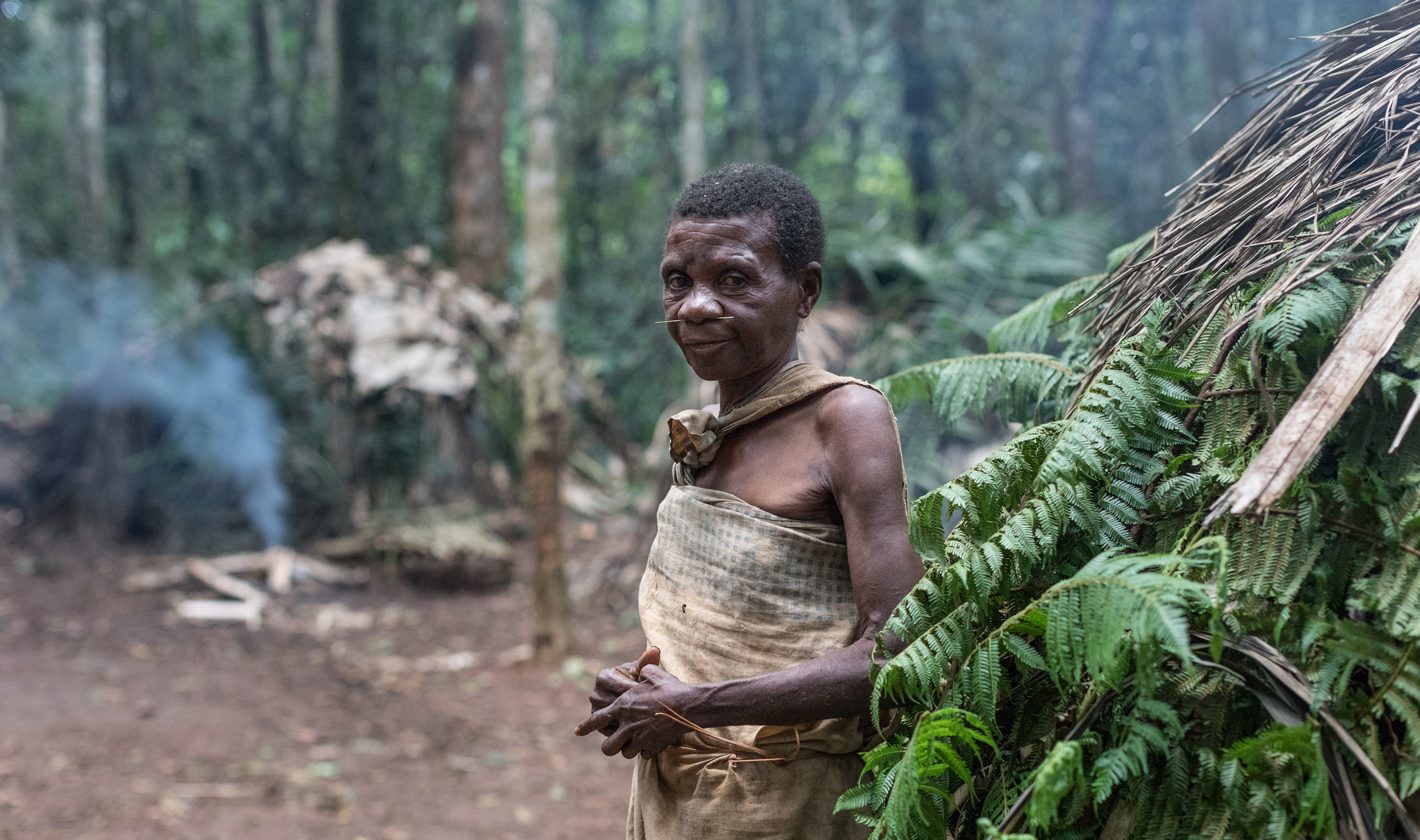
Meeting the Baka Pygmies will be one of the great moments of the ethnographic trip to northeastern Cameroon. We will venture into the forest to meet some of the last traditional Baka clans. We will walk to their camp, where our hosts will welcome us. During our stay, we will be able to discover a culture deeply connected to the tropical forest.
The Baka have preserved much of their animist culture. For them, the forest is much more than a natural environment. It is also the territory where they carry out many of their traditional activities and practices. We will share some of their everyday activities. Also, we will be able to accompany them as they gather wild yams, plants and medicinal bark. In addition, we will learn about their traditional hunting techniques.
Their relationship with the forest is also reflected in their knowledge of natural resources. These practices demonstrate the close connection between the community and the forest environment. As night falls, we will discover another of the most characteristic expressions of their culture. We will enjoy their polyphonic singing and the sacred Ejengi dance, the spirit of the forest. In the heart of the tropical forest, this experience will allow us to approach a spiritual dimension deeply connected to the territory. It will also be one of the final ethnographic encounters of this journey.
Overall, the ethnographic trip to northeastern Cameroon offers an immersion in some of the country's most distinctive traditional cultures. From the Mbororo pastoralists and Dupá farmers to the Baka communities of the forest, we will discover different ways of life and relationships with the environment. The journey will also cross highly contrasting landscapes. We will travel from the highlands of Adamawa and the plains of the Benoué to the vast expanses of tropical rainforest in the east. The result will be an insight into a diverse and little-known Cameroon. A land where traditions, beliefs and the relationship with nature still play a fundamental role.

© Photos by Markus Mauther, Ana Robles and Aníbal Bueno taken during an ethnographic trip to northeastern Cameroon.
► Download the itinerary for this ethnographic trip to northeastern Cameroon
Click the button below to reach the download form for the itinerary of this ethnographic trip to northeastern Cameroon easily.


 ES
ES

