
 Trip to Nigeria from 8 to 14 March 2027 / From 2,990€
 Discover the highlights of this cultural trip to northern Nigeria
Durbars: tradition, power and equestrian mastery
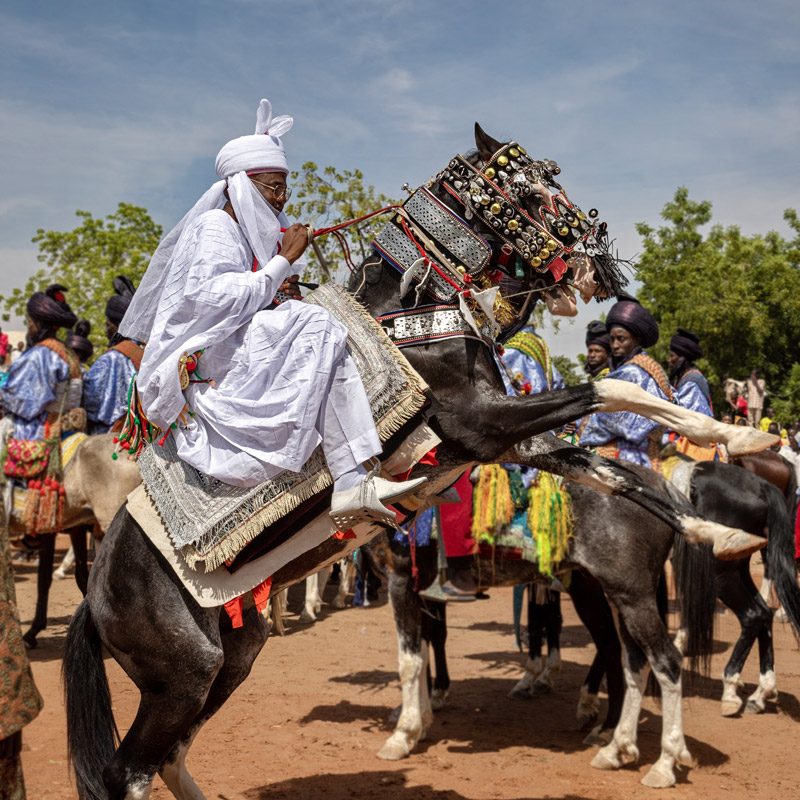
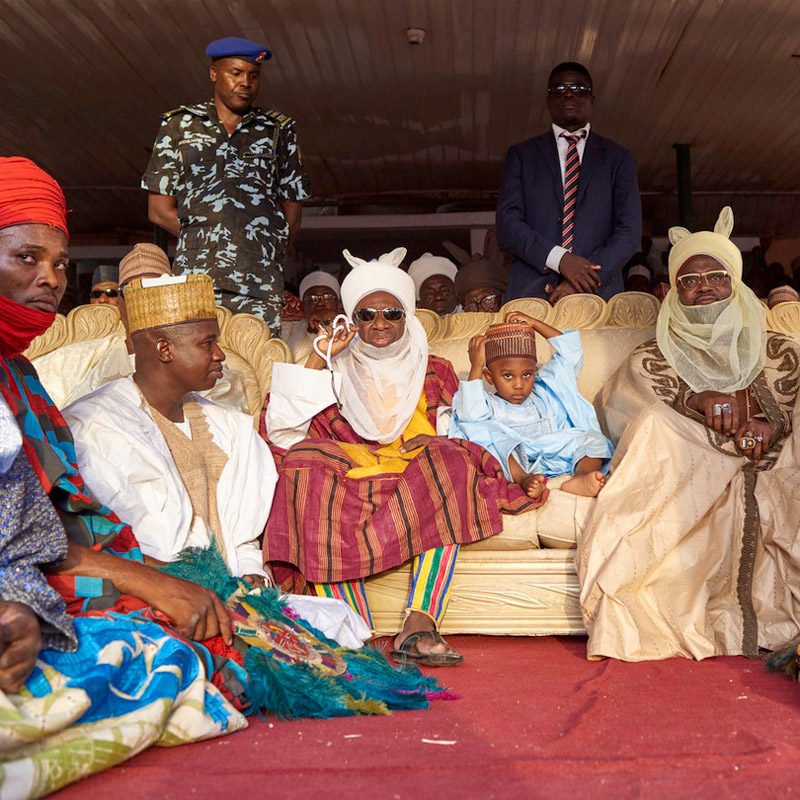
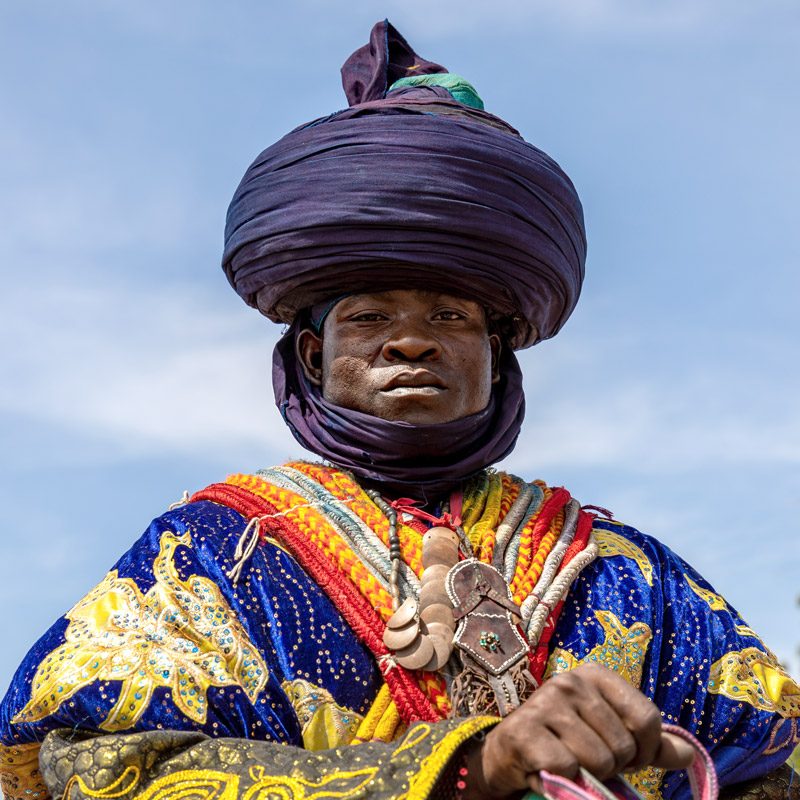
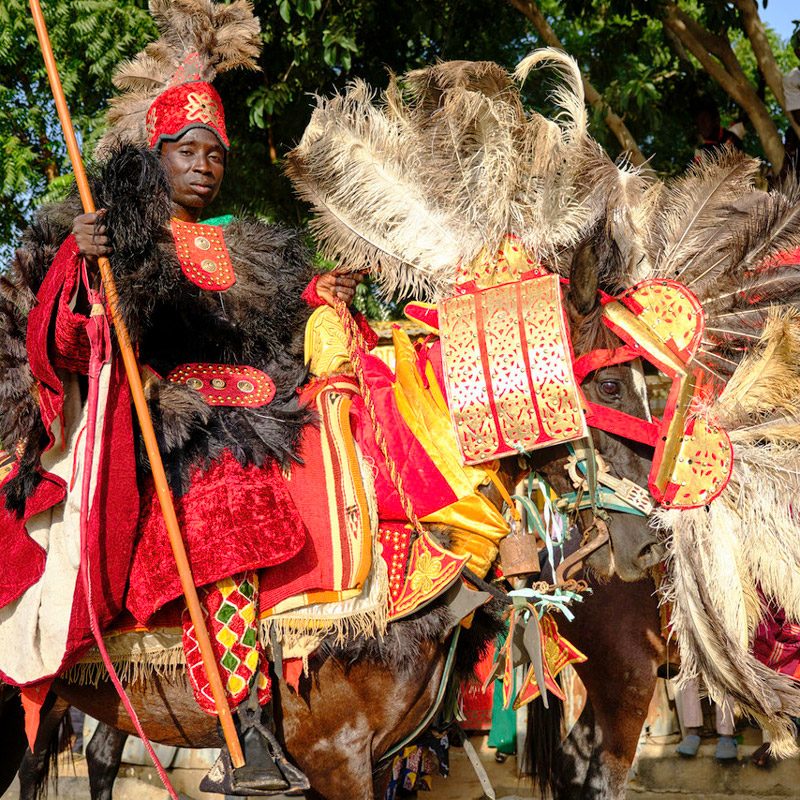
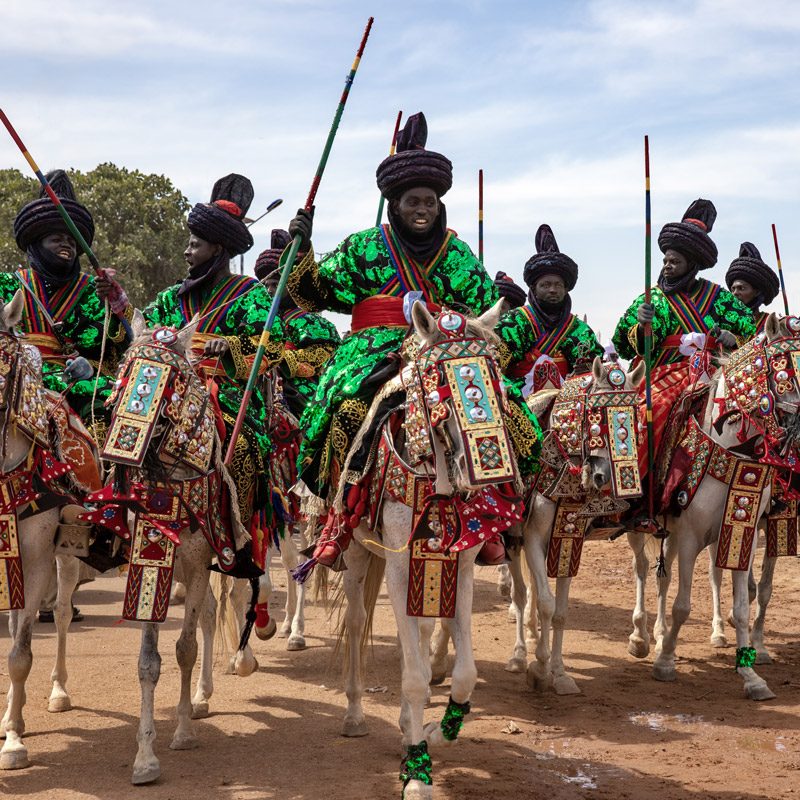
One of the great highlights of this cultural trip to northern Nigeria will be the spectacular Durbar festivals of Zaria and Dutse. The Durbar is a centuries-old royal celebration held during the main Islamic festivities. Its origins can be traced back to the military parades of the ancient Hausa kingdoms. During these celebrations, we will see hundreds of richly dressed horsemen. Royal guards, musicians and palace officials will also take part. All of them pay homage to the emir in an impressive display of loyalty and tradition. The thunder of galloping horses combines with vibrant costumes and court ceremonies. The result is one of the most impressive equestrian and cultural spectacles in West Africa. In Zaria, one of the oldest and most prestigious Hausa cities, we will attend the emirate’s Durbar. The city was formerly known as Zazzau and was one of the original seven Hausa city-states. In addition, Zaria became an important centre of trade, politics and Islamic learning. Its history is closely linked to the legendary Queen Amina, one of Africa’s most celebrated historical figures. Later, in Dutse, we will witness another great gathering of horsemen, traditional musicians and royal dignitaries. Each Durbar thus offers a different perspective on the continuity of Hausa institutions and traditions. During the Zaria celebration, we may even have the opportunity to meet the legendary “Hyena Men”. If it is not possible to meet them there, we will have another opportunity near the Emirate of Dutse.
The historic capitals of the Hausa emirates
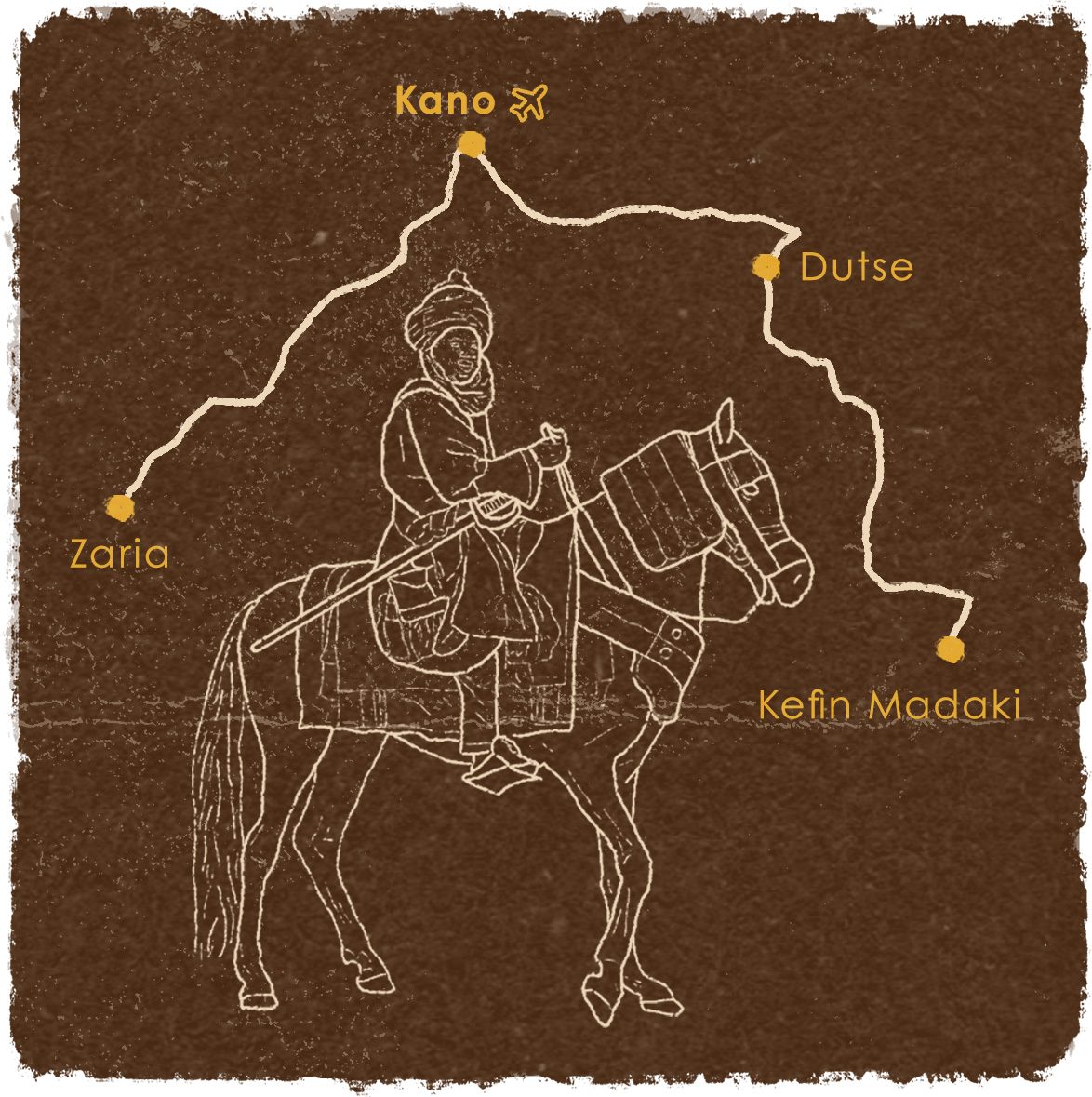
The cultural trip to northern Nigeria will allow us to discover three important historic capitals of the Hausa emirates: Kano, Zaria and Dutse.
Kano: Hausa history and culture
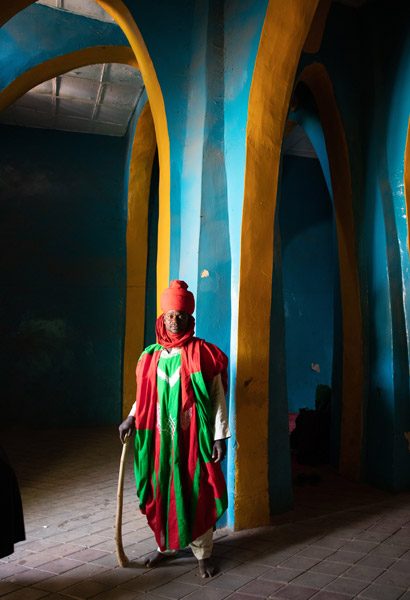
Kano is known as the cultural capital of northern Nigeria and is one of the oldest cities in West Africa. For more than a thousand years, it has been an important crossroads of trade and culture. The city connected the trans-Saharan trade routes with the kingdoms of the Sahel. Today, it remains a fundamental spiritual and cultural centre for the Hausa people. It is also home to one of Nigeria’s most influential emirates. We will explore its historic neighbourhoods, traditional markets and ancient walls. In addition, we will discover some of its main monuments.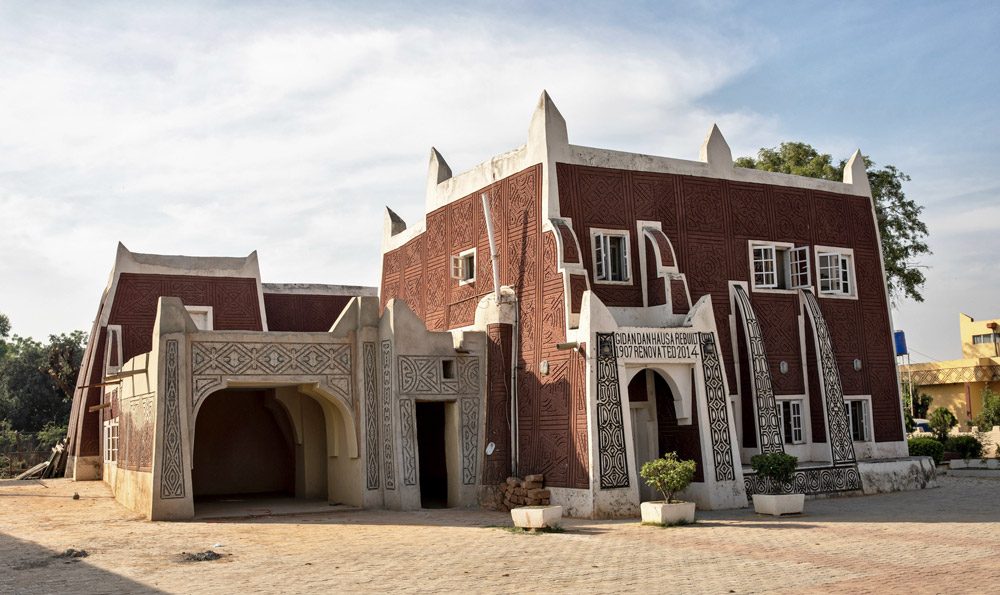

Zaria: the ancient kingdom of Zazzau
The next stage will take us to Zaria, one of the oldest and most prestigious Hausa cities. Formerly known as Zazzau, it was one of the original seven Hausa city-states. Its position favoured its development as a centre of trade and Islamic learning. The city was also linked to important political processes and the expansion of Hausa influence. Its connection with the legendary Queen Amina forms part of one of the best-known stories from Africa’s past.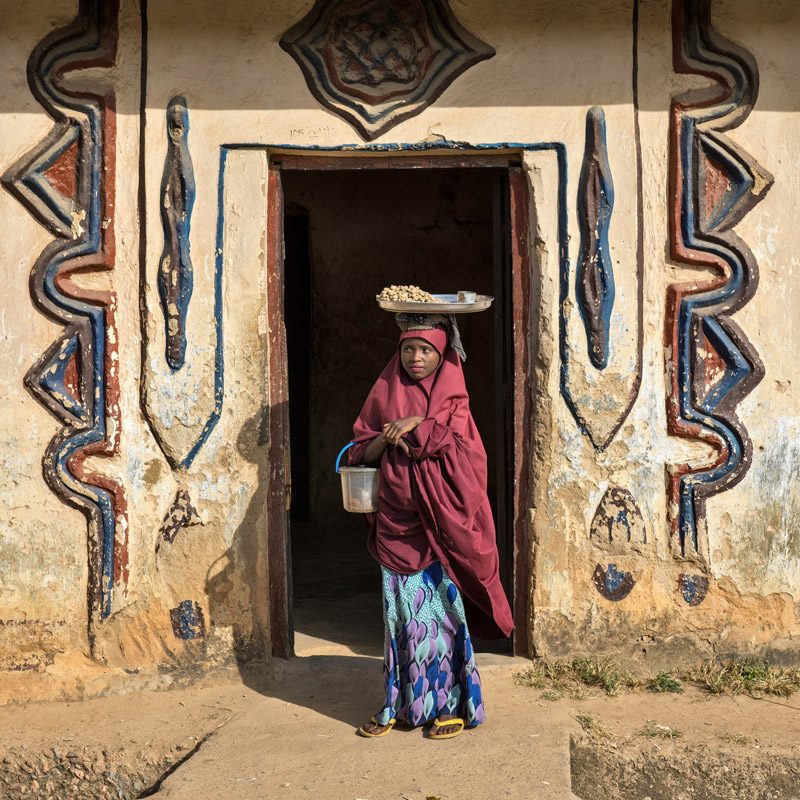
Dutse: the capital of the Emirate
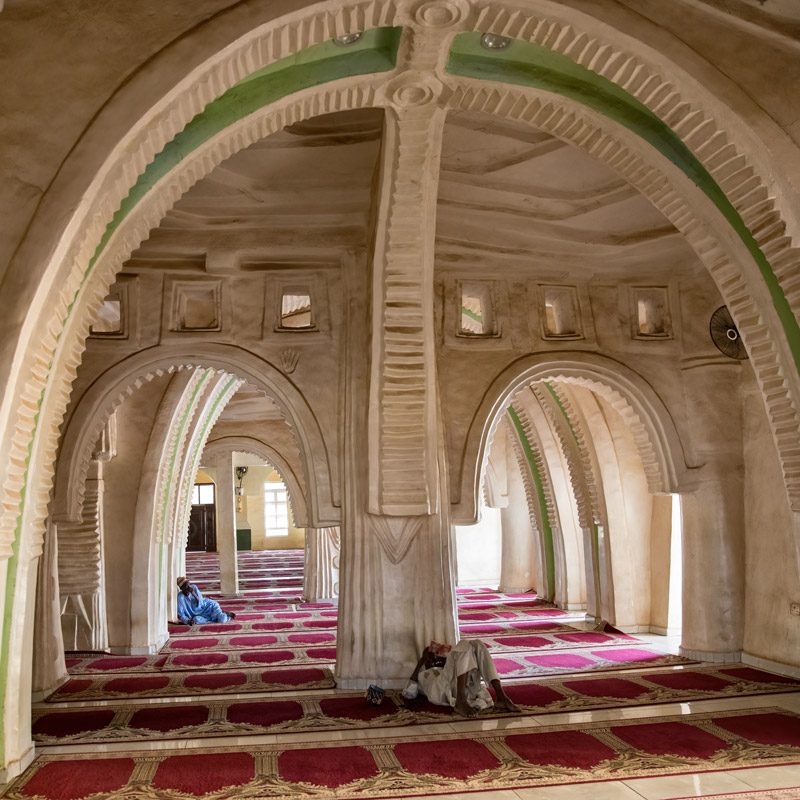
Finally, we will reach Dutse, capital of Jigawa State and seat of the Emirate of Dutse. Its name means “rock” in Hausa. It refers to the spectacular granite outcrops that dominate the surrounding landscapes. The emirate retains deep roots in traditional Hausa culture. Furthermore, it preserves many of the customs that have shaped the history of this region for centuries. Visiting these three cities will allow us to better understand the historical organisation of the emirates and the importance that their traditional institutions still retain.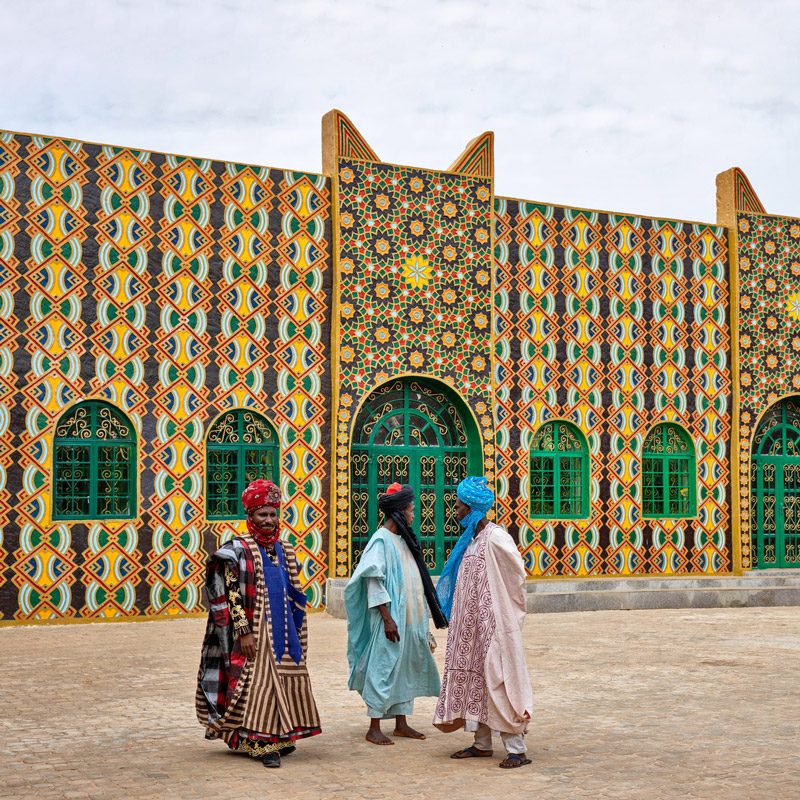
Architecture and traditions of the Hausa people
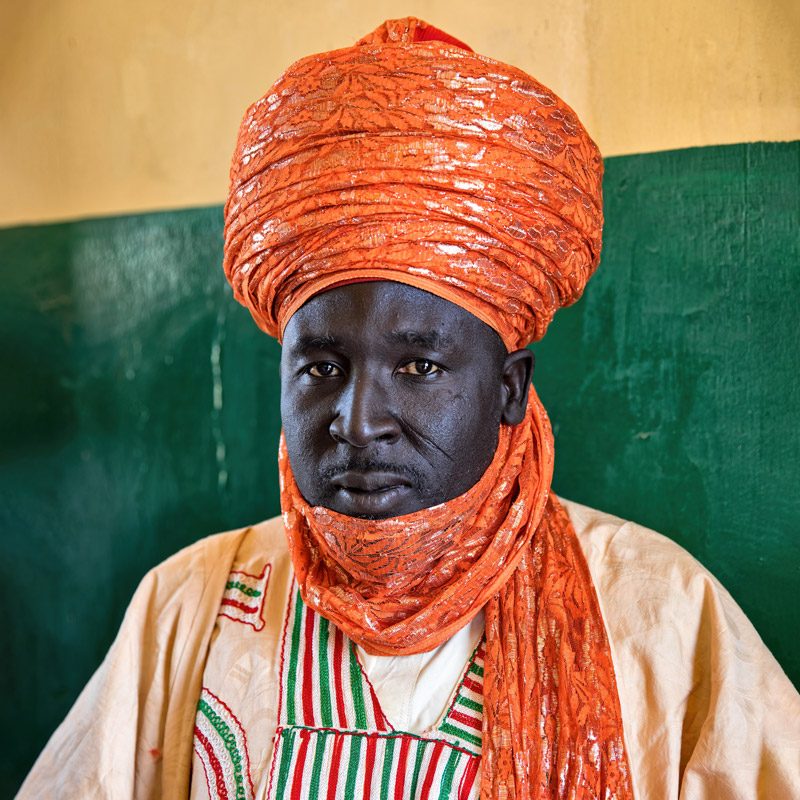
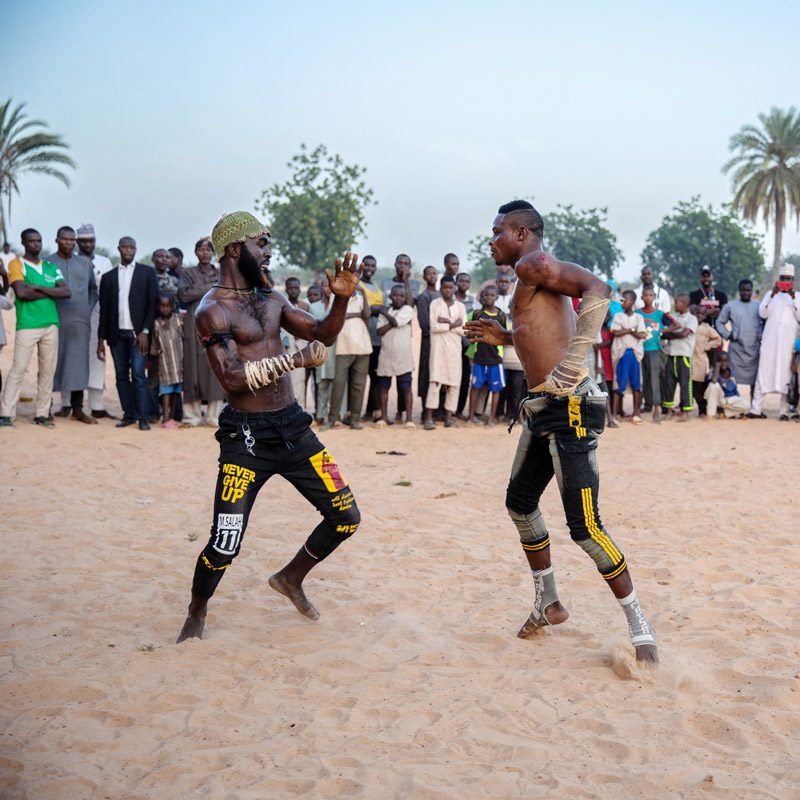
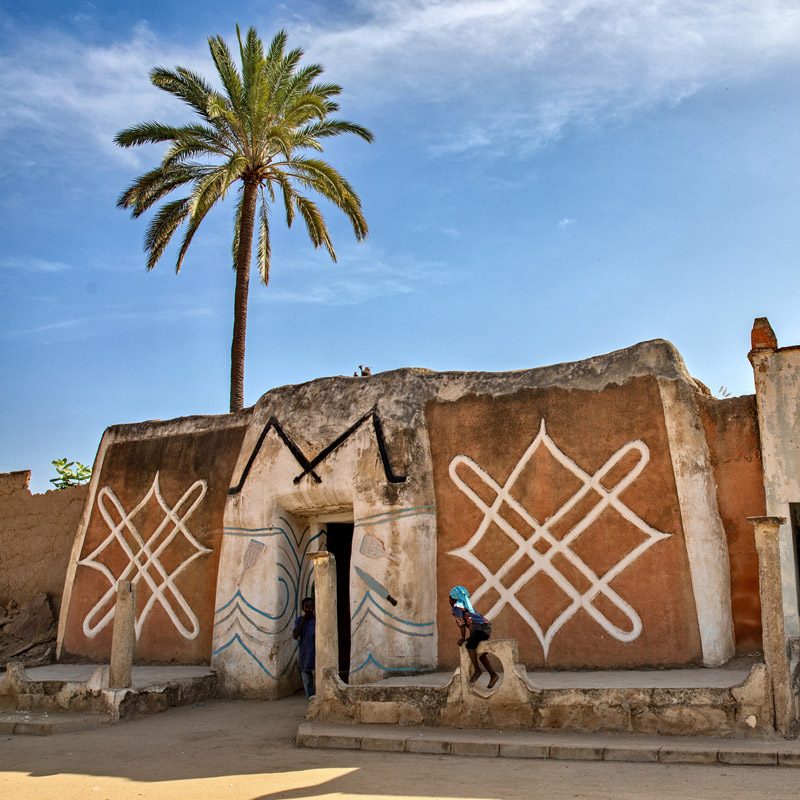
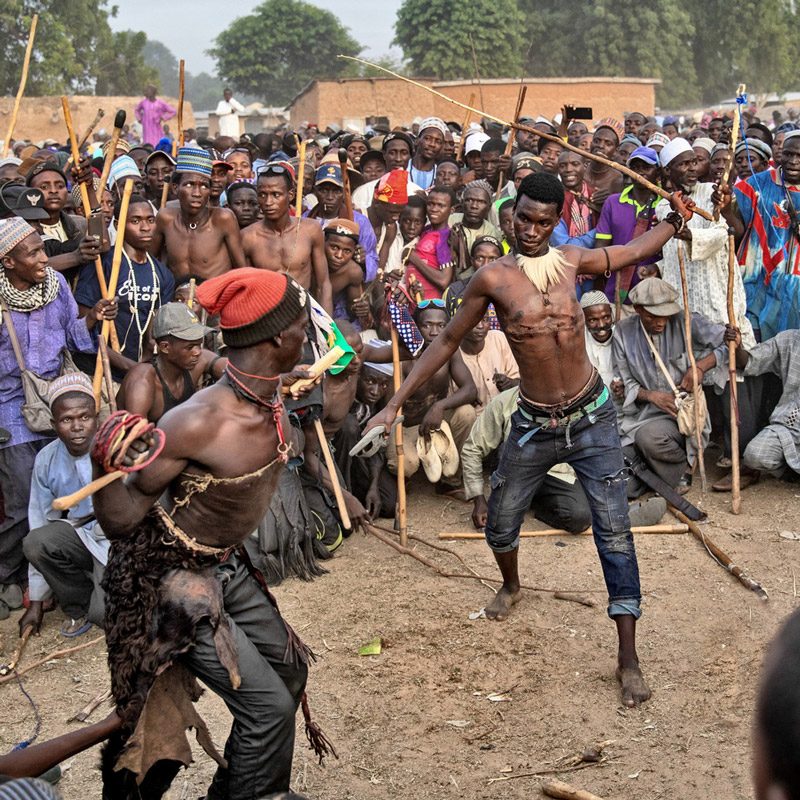
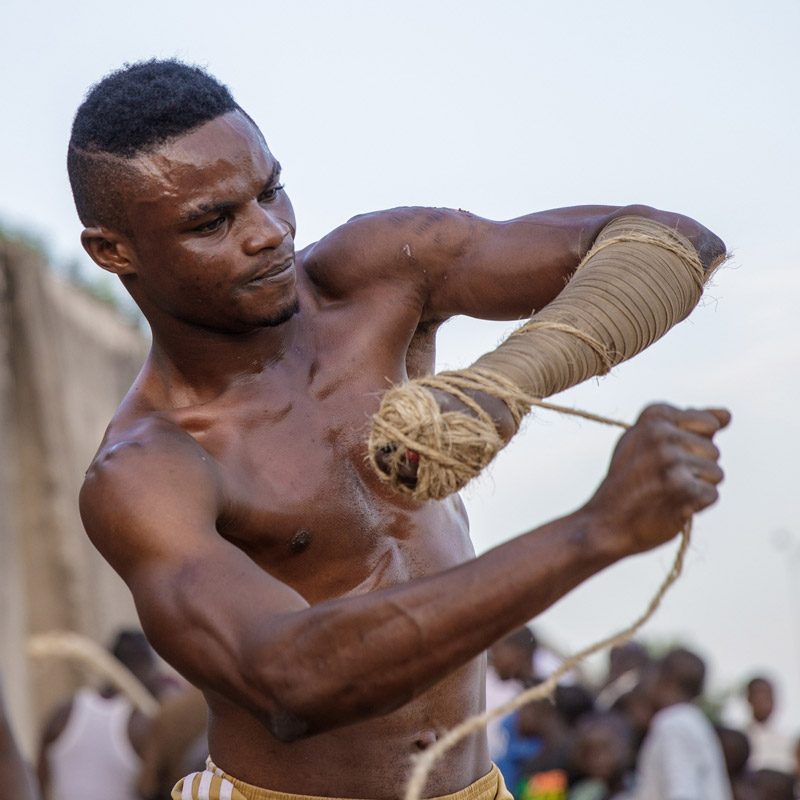
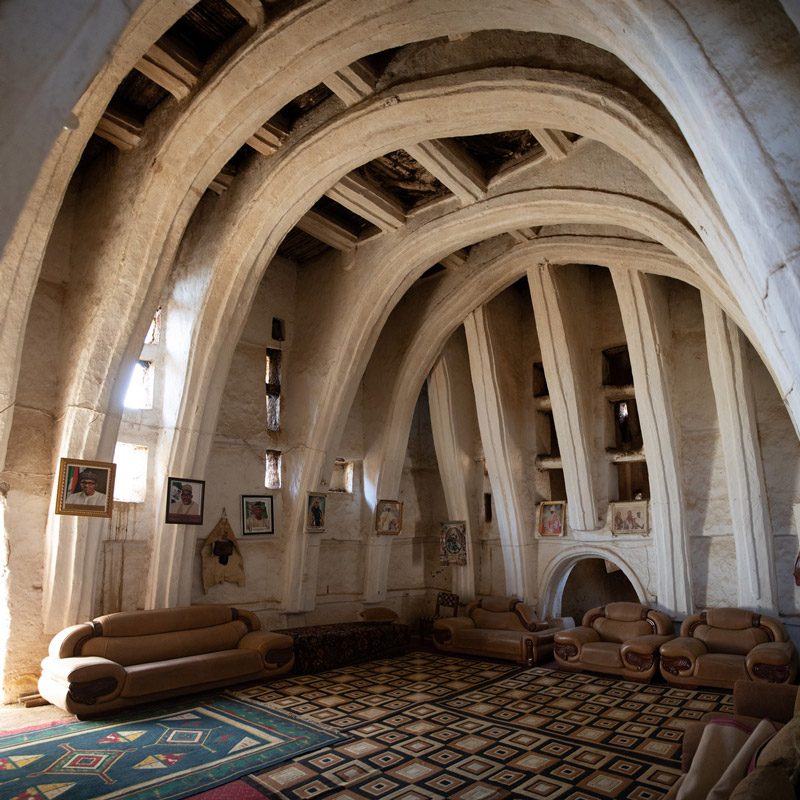
The cultural trip to northern Nigeria will also bring us closer to traditional territories outside the main urban centres. We will visit Kefin Madaki and its historic palace. There, we will gain an insight into traditional structures and the lives of communities linked to the Emirate of Dutse. Also, we will visit nearby villages and meet their inhabitants. We will meet local fishermen and discover aspects of their daily lives. One of the most interesting elements will be the traditional architecture of the Hausa people. Traditional palaces and buildings are made from sun-dried earth. Their façades feature elaborate geometric motifs. These designs reflect centuries of architectural knowledge adapted to the conditions of the Sahel environment. During the visit, we may also attend a demonstration of Dambe, the traditional martial art of the Hausa people. Dambe was originally practised by butchers preparing for seasonal festivities. Over time, it became an expression combining athletic skill, ritual symbolism and cultural pride. Today, it remains one of the most distinctive combat disciplines in West Africa.
The Fulani and the Sharo initiation rite
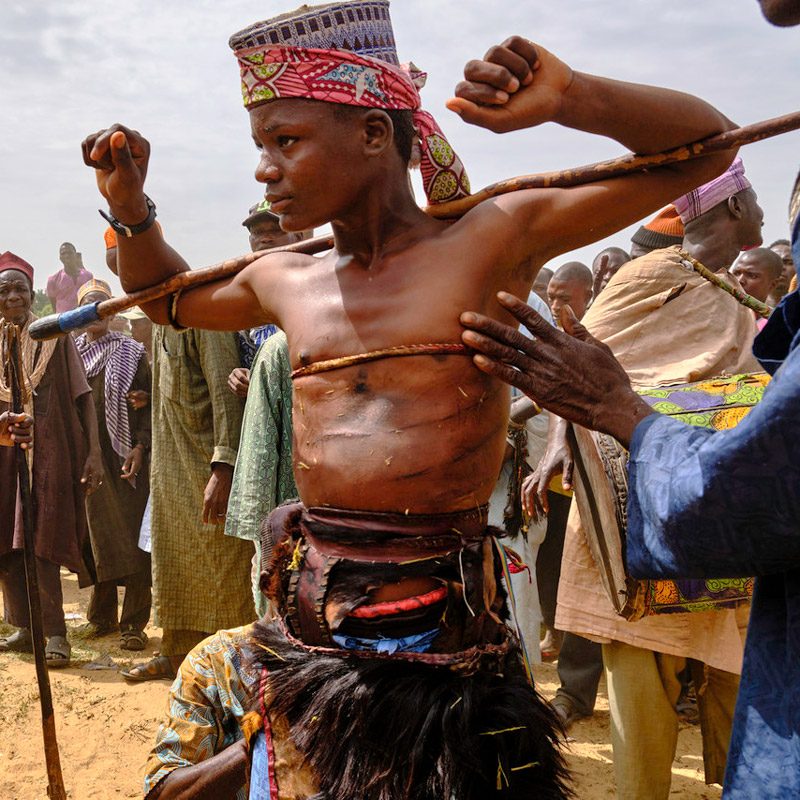
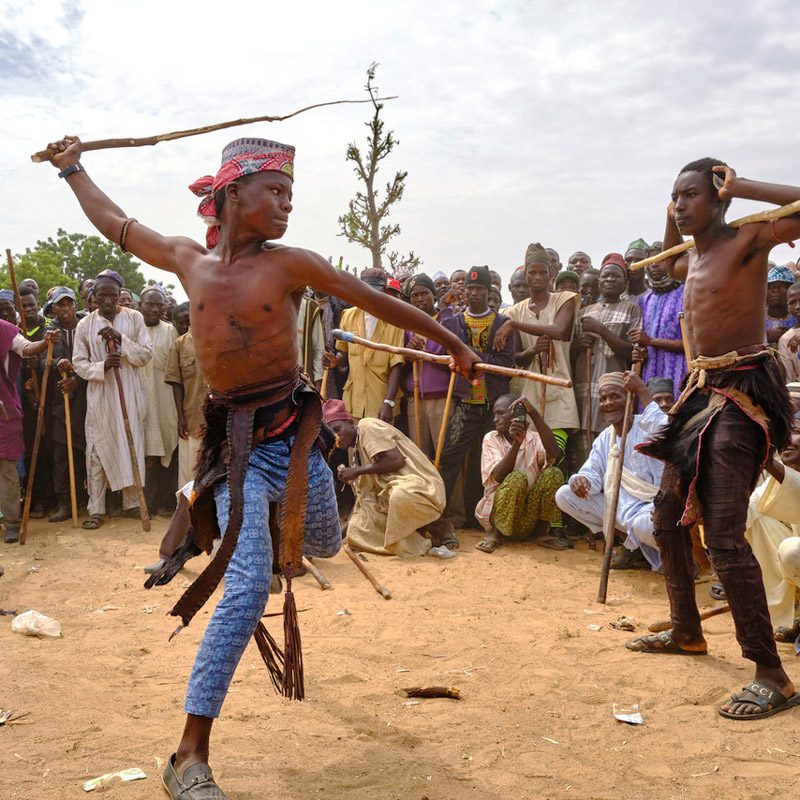
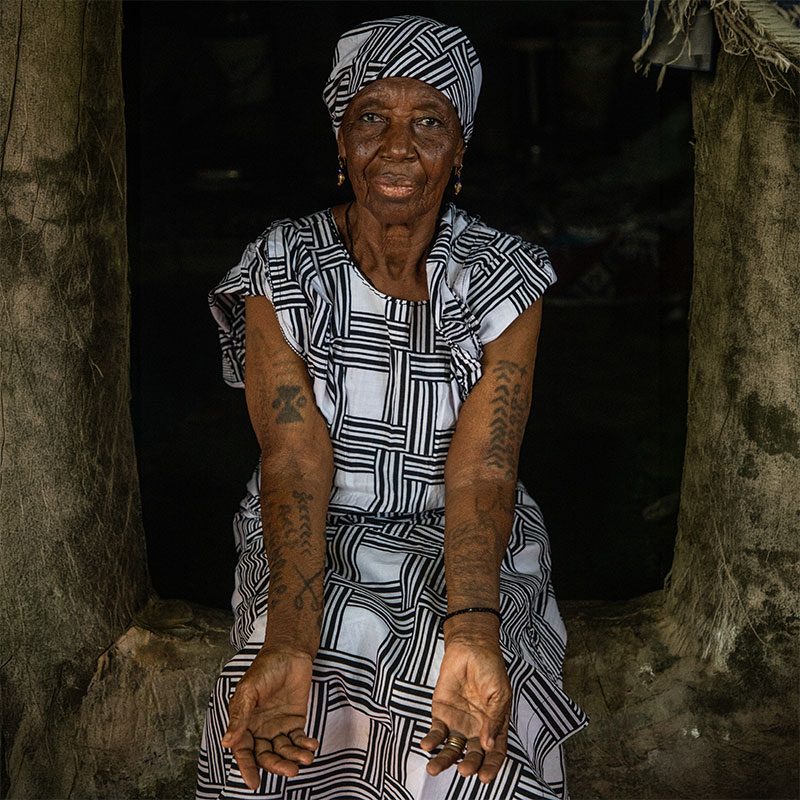
One of the most unique encounters on this cultural trip to northern Nigeria will be an approach to Fulani culture. The Fulani are one of Africa’s largest ethnic groups. They are primarily known for their pastoral traditions and cattle herding. Over time, they have maintained a strong cultural identity. This identity is expressed through elaborate ceremonies, distinctive clothing and a rich oral tradition. If local schedules and community authorisation permit, we may witness a Sharo ceremony. This is a traditional Fulani initiation rite. During this extraordinary event, young men demonstrate their courage and endurance before their families and community members. The ceremony also represents their preparation for entering adulthood. Sharo allows us to approach a tradition in which social values, community identity and the transition to adulthood are expressed through a public ritual.
Possession rituals and Hausa spirituality
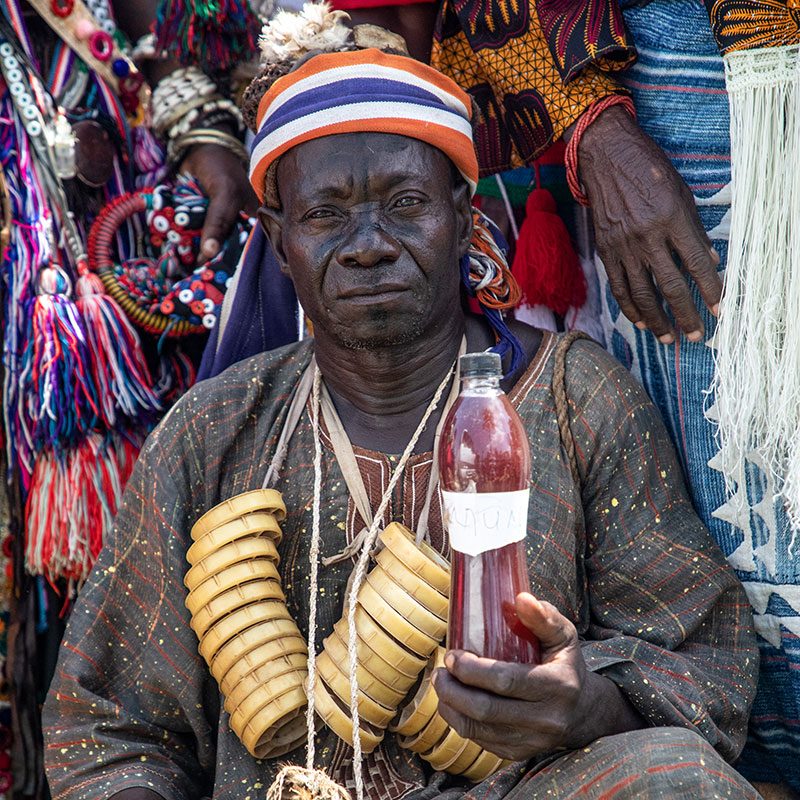
The cultural trip to northern Nigeria will culminate with an approach to one of the oldest spiritual traditions of Hausa culture: Bori. Predating the arrival of Islam in the region, Bori is a traditional spiritual practice combining music, drums, dancing and spirit possession rituals. The ceremony offers an exceptional opportunity to observe a cultural tradition that has endured for centuries. Moreover, it allows us to understand the diversity of beliefs and spiritual practices that have formed part of the history of the Hausa peoples. Overall, this cultural trip to northern Nigeria proposes a journey through the ancient Hausa emirates and some of the traditions that still have a living presence in northern Nigeria. The Durbars, the emirs’ palaces, Hausa villages, Fulani culture, Sharo and the Bori ceremony will allow us to discover a region of great historical and cultural richness.

© Photos by Jordi Zaragozà Anglès, Jorge Fernández and Aníbal Bueno taken during a cultural trip to northern Nigeria.
► Download the itinerary for this cultural trip to northern Nigeria
Click the button below to go directly to the itinerary download form for this cultural trip to northern Nigeria.

 ES
ES

