
 Trip to Nigeria from 4 to 8 March 2027 / From 1,195€
 Discover the highlights of this expedition to Yoruba country
Lagos: the great metropolis of the Gulf of Guinea
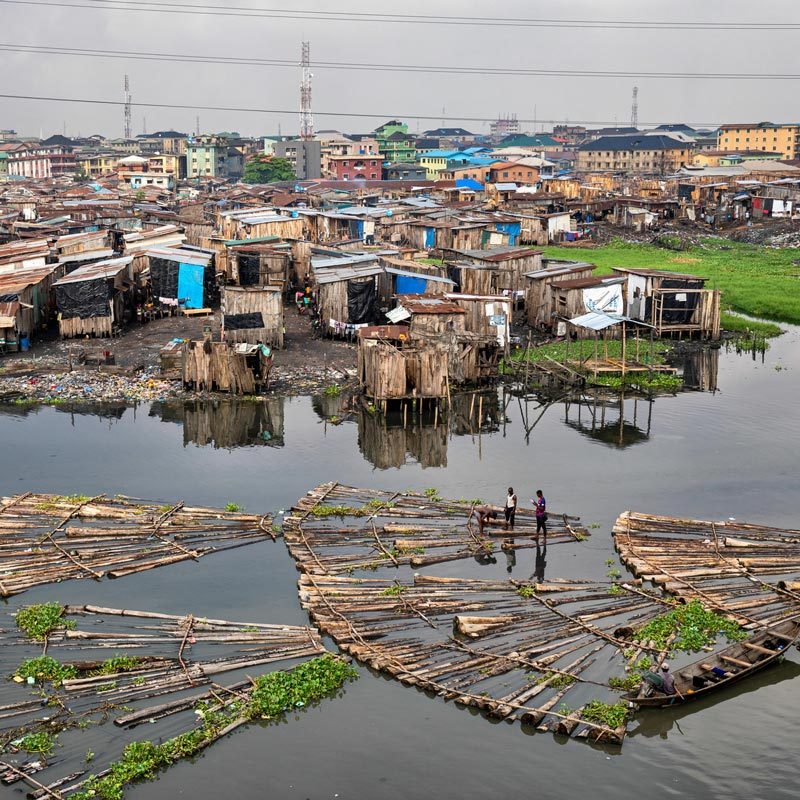
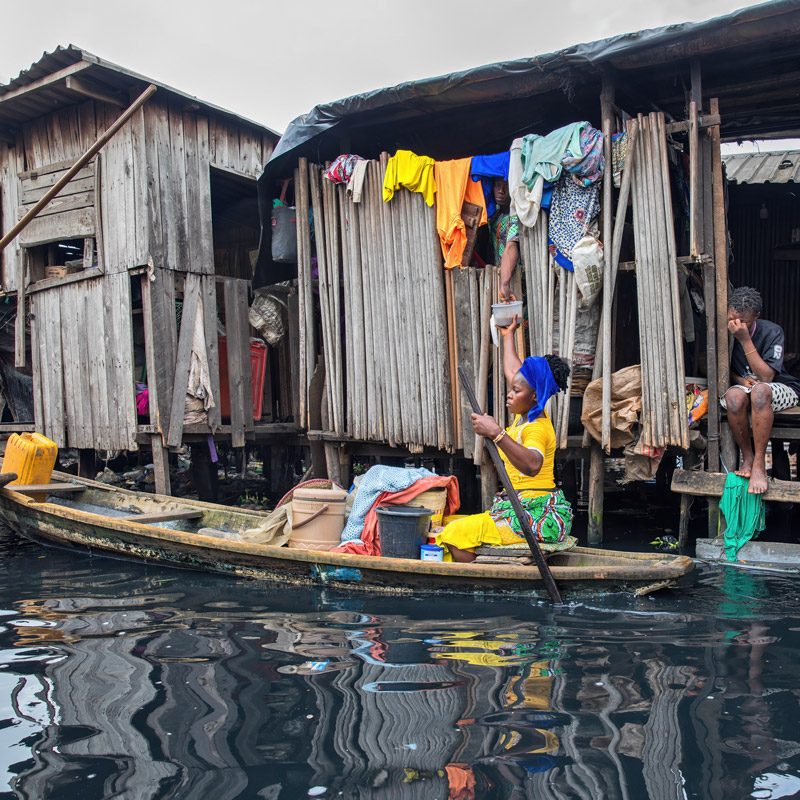
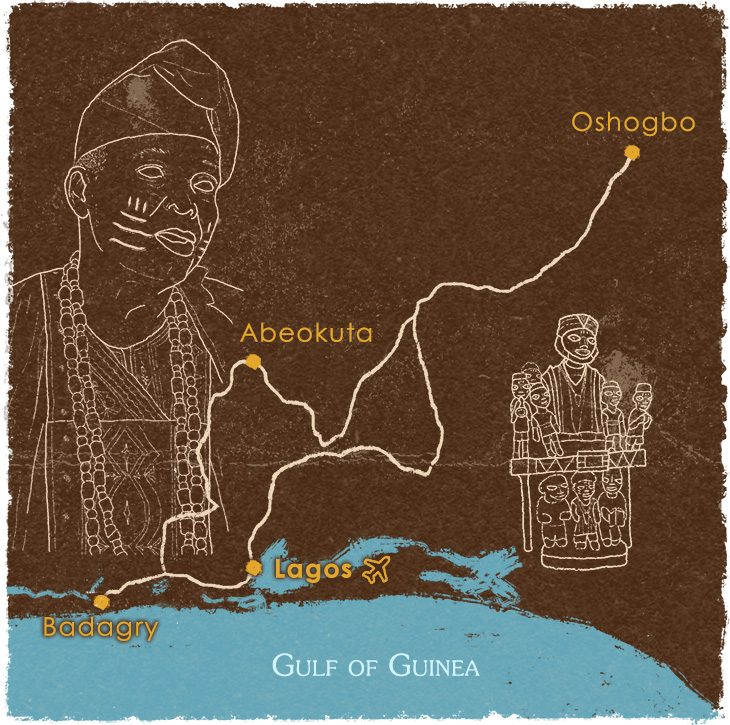
The expedition to Yoruba country will begin in Lagos, Nigeria’s economic and cultural centre and one of Africa’s great cities. This vast metropolis combines modern financial districts with popular markets, historic neighbourhoods and communities settled on the lagoon. One of the first places we will discover will be Makoko, the unique waterside neighbourhood built on stilts. Considered one of the continent’s most remarkable aquatic communities, it offers a very different perspective on urban life in Lagos and on the close relationship its inhabitants maintain with their aquatic surroundings. Also, we will visit some of the city’s main museums to learn about Nigeria’s history and artistic heritage. In this way, the first stage of the expedition to Yoruba country will provide an initial insight into the extraordinary cultural diversity of southwestern Nigeria.
Badagry: the memory of slavery and voodoo traditions
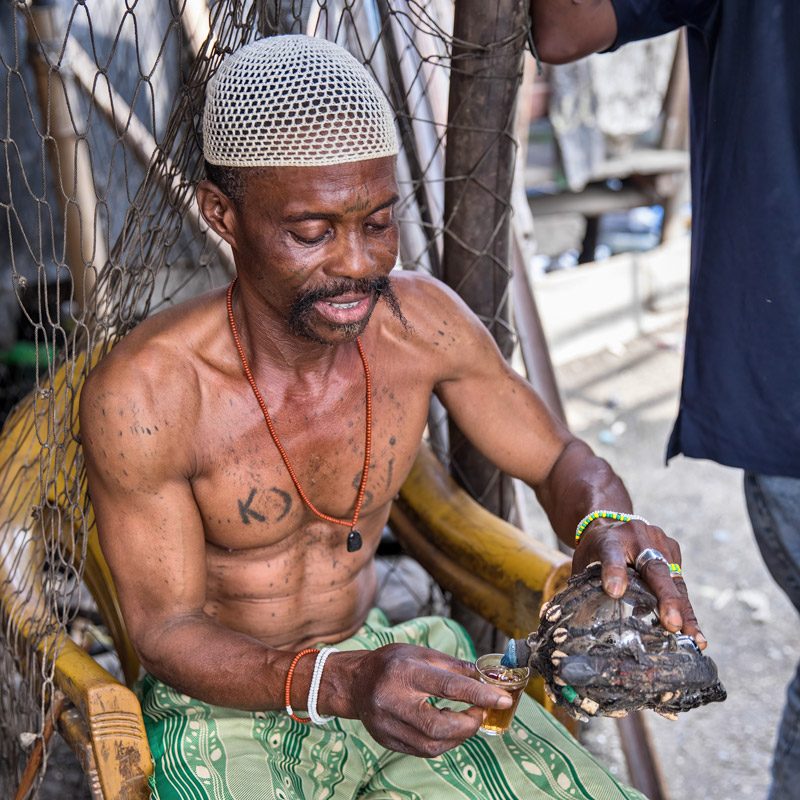
The expedition to Yoruba country will continue towards Badagry, a port city deeply connected to the history of the transatlantic slave trade. We will explore its main historical sites. We will visit former colonial buildings, museums and embarkation sites used for centuries for the deportation of millions of Africans to the Americas. This journey will allow us to approach one of the most painful episodes in the history of West Africa and the memory that is still associated with these places. Badagry will also allow us to discover other cultural expressions of the region. We will attend a presentation of the spectacular Zangbeto masks, traditional guardians of voodoo origin whose presence continues to be respected in numerous communities across the Gulf of Guinea. These figures, associated with traditional religious beliefs and practices, represent one of the region’s most distinctive ritual expressions. Thus, this stage of the expedition to Yoruba country will combine historical memory, colonial heritage and spiritual traditions that continue to form part of community life.
Abeokuta: fetishes, traditional religion and Afro-Brazilian heritage
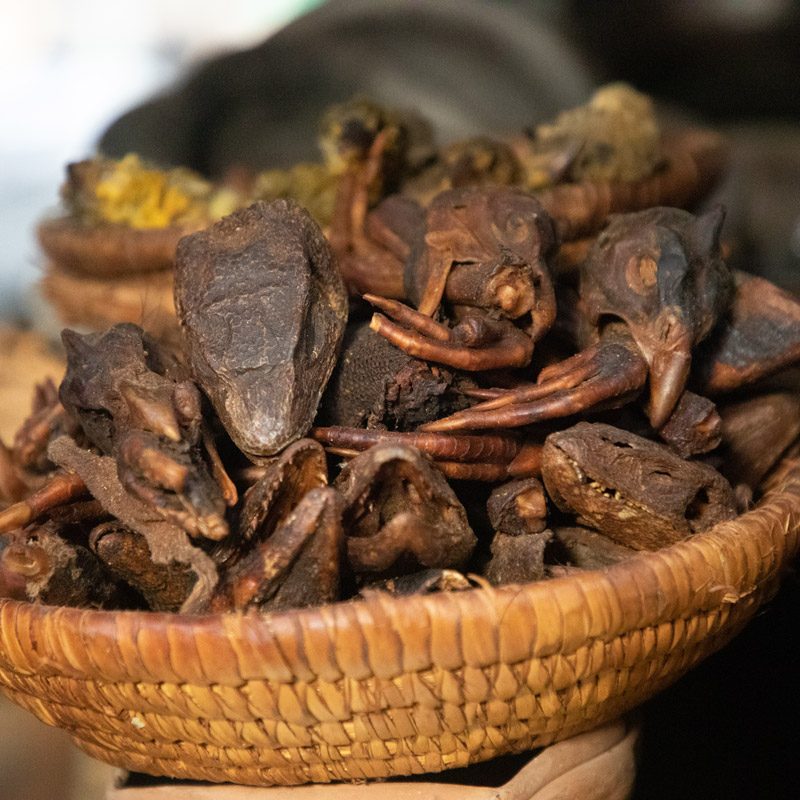
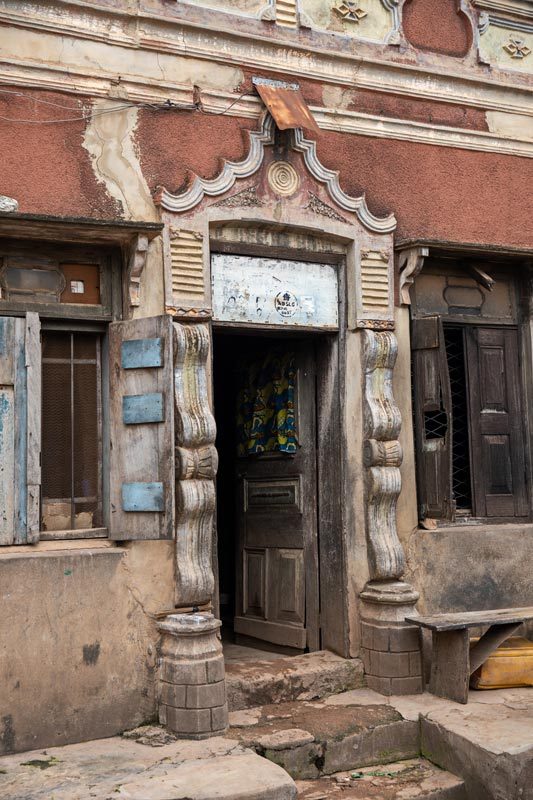
The journey will then take us to Abeokuta, capital of Ogun State and one of the main historic centres of Yoruba territory. We will visit its traditional market of ritual objects and fetishes. It is a particularly interesting place for understanding the importance that traditional religious practices continue to have in local society. Here, priests and healers acquire various elements that are later used in ceremonies and rituals. Also, we will explore the neighbourhoods that preserve remarkable Afro-Brazilian architecture. This heritage is a legacy of enslaved people who returned from Brazil during the 19th century, whose arrival left a profound architectural and cultural mark on various cities in West Africa. In this way, the expedition to Yoruba country will allow us to discover in Abeokuta the connection between local religious traditions and a history shaped by exchanges between Africa and the Americas.

Osogbo: the spiritual heart of Yoruba culture
The final major stage of the expedition to Yoruba country will take us to Osogbo, considered one of the main spiritual centres of Yoruba culture.
The Osun-Osogbo Sacred Grove
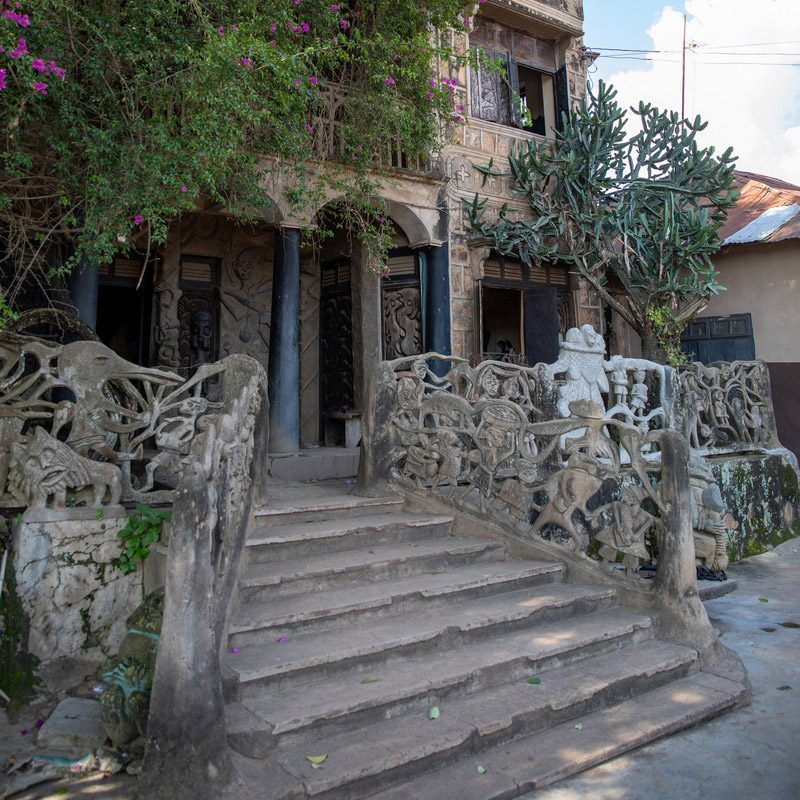
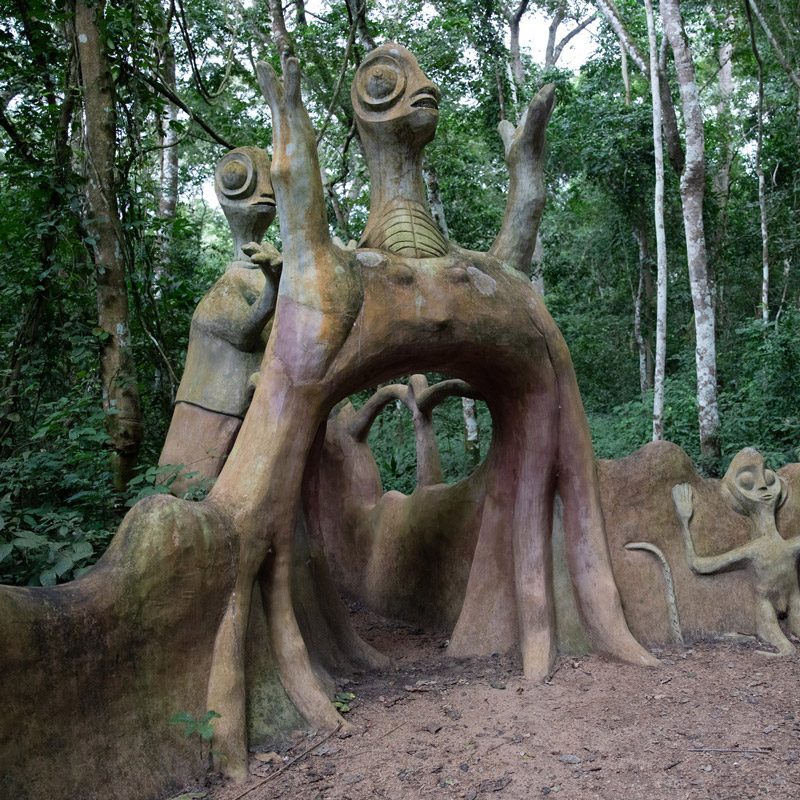
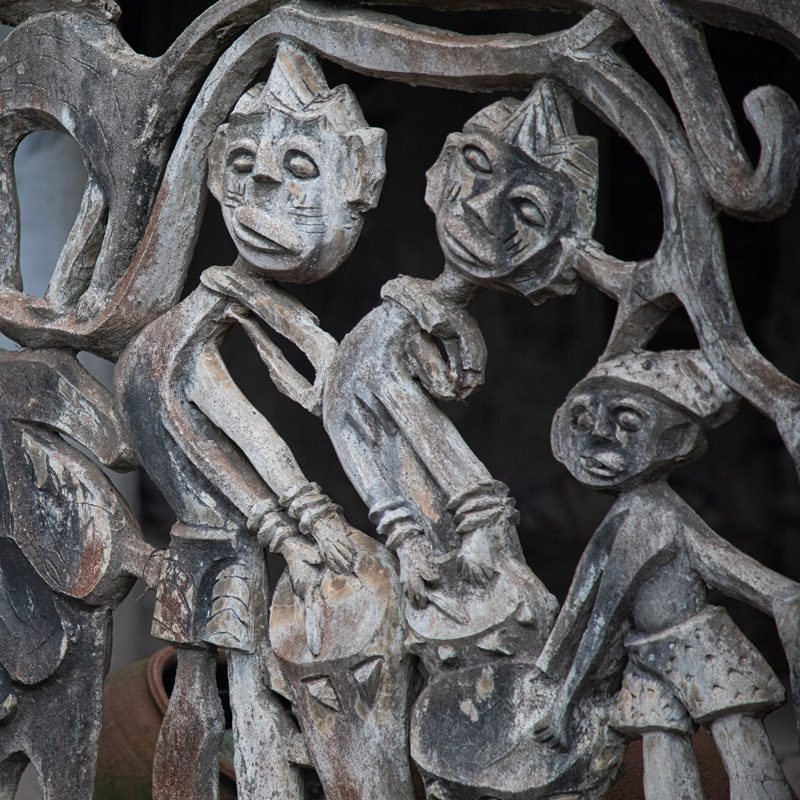
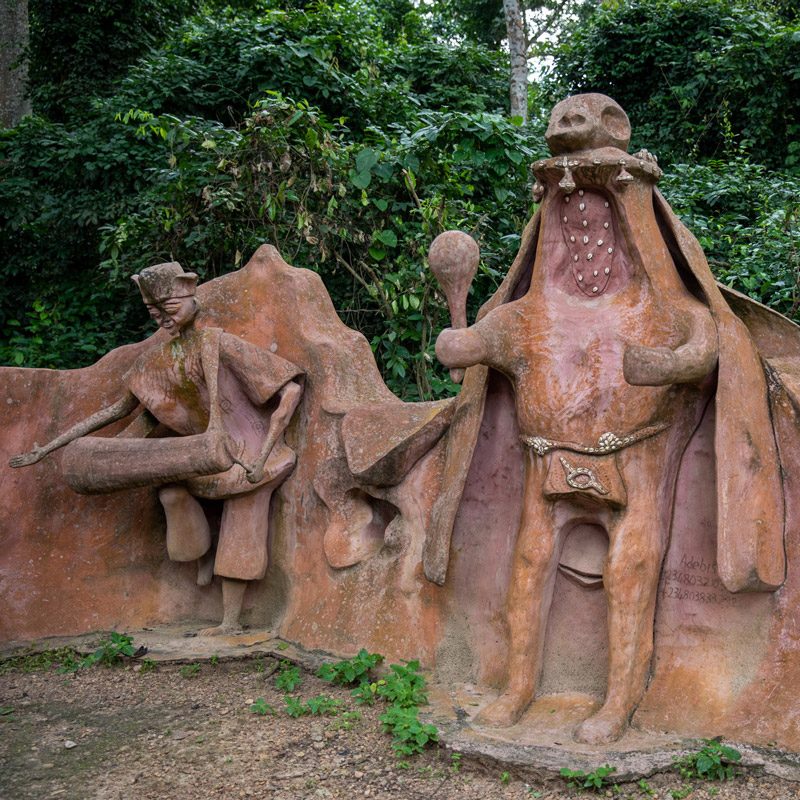
We will visit the Osun-Osogbo Sacred Grove, one of the last preserved sacred spaces of traditional Yoruba religion and a UNESCO World Heritage Site. Amid enormous tropical trees are numerous altars, sculptures and shrines dedicated to Osun, a deity associated with fertility and water. The grove is a place of great spiritual importance and allows us to understand the close relationship between Yoruba religion, nature and places considered sacred. Also, we will visit the home and studio of Susanne Wenger, an Austrian artist who devoted much of her life to preserving Yoruba religious traditions. Her work played a fundamental role in the conservation of the sacred grove and in the revival of different artistic and spiritual expressions associated with this place.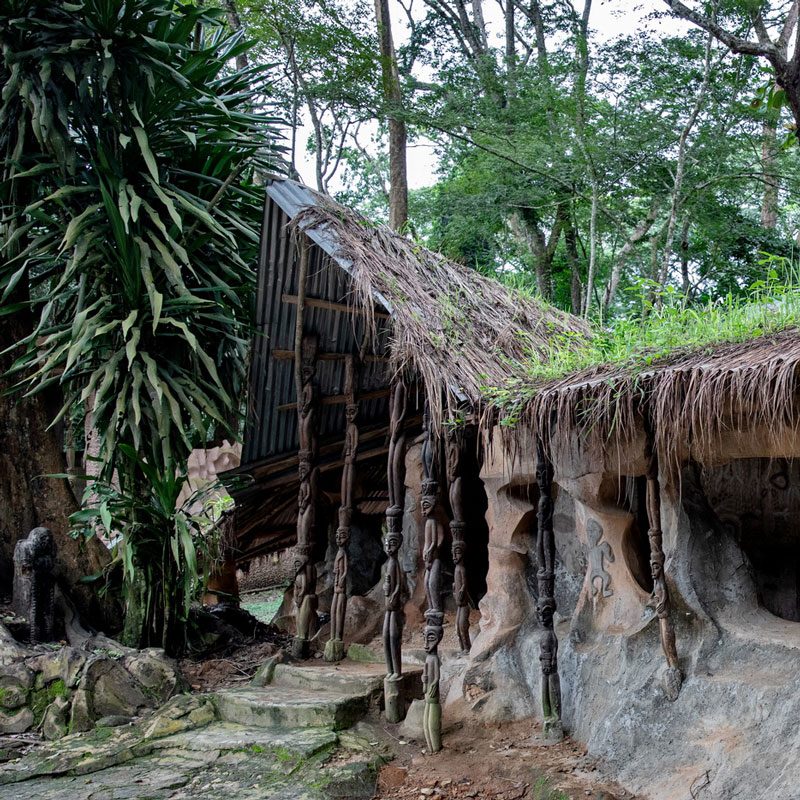
Egungun masquerades and the cult of ancestors
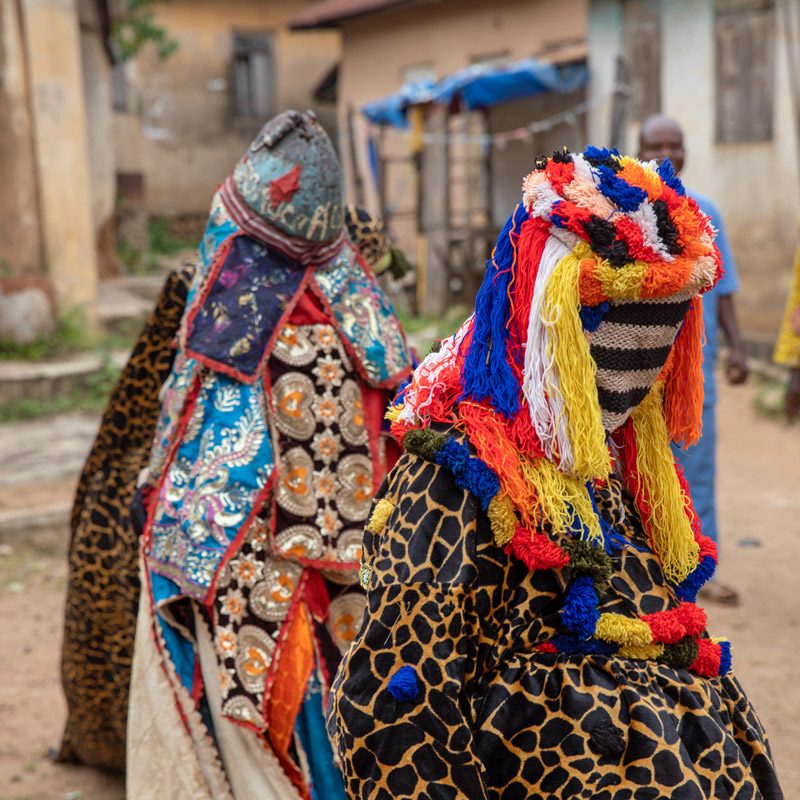
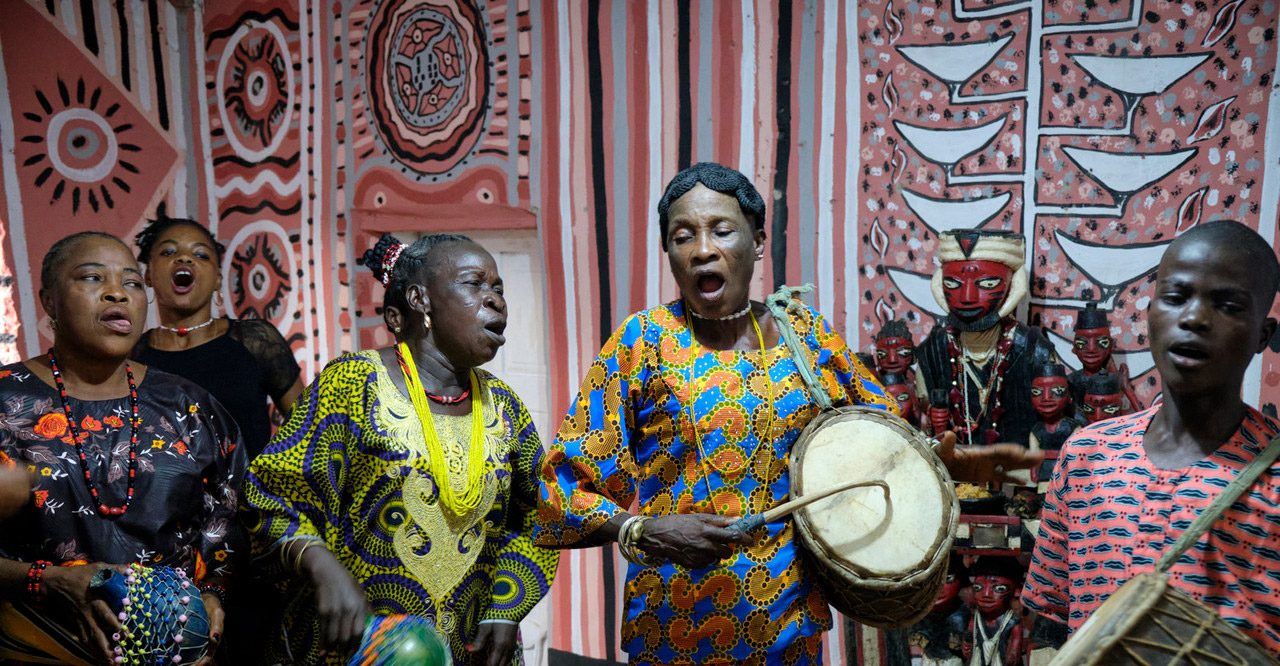
If the ceremonial calendar allows, we will have the opportunity to encounter an Egungun masquerade. This is one of the most important ritual expressions of Yoruba culture. These ceremonies represent the spirits of ancestors and express the close relationship between the world of the living and that of the dead within Yoruba tradition. Their colourful costumes, masks and complex dances make these celebrations one of the most impressive cultural expressions in West Africa. Overall, the expedition to Yoruba country offers an immersion in the history, beliefs and living traditions of this region of Nigeria. Throughout the journey, we will encounter communities, markets, sacred spaces and ritual manifestations that allow us to understand the extraordinary cultural richness of the Yoruba world.
© Photos by Jordi Zaragozà Anglès, Jorge Fernández y Aníbal Bueno taken during an expedition to Yoruba country.
► Download the itinerary for this expedition to Yoruba country
Click the button below to easily access the download form for this trip's itinerary.


 ES
ES

