
Equatorial Guinea
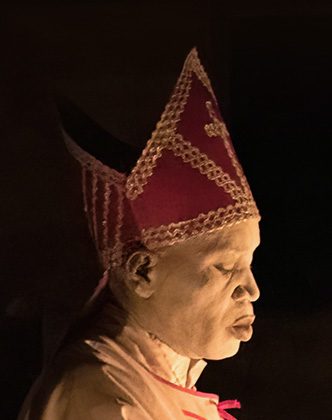
The syncretic bwiti religion
Bwiti is a cult or spiritual movement practiced by the Fang tribe of Equatorial Guinea, Cameroon and Gabon, as well as other ethnic groups such as the Punu and Mitsogo. The bwiti would be that which allows a person to obtain freedom from it. The bwiti incorporates animism, ancestor worship, and, in some cases, Christianity into a syncretic belief system.
Read article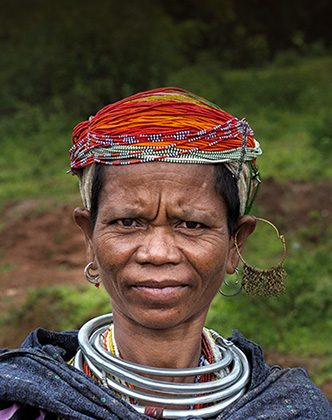
India
The Bonda people, inhabitants of the remote hills of Orissa
The Bonda people of India are a fascinating group with a rich cultural tradition and a deep connection to their natural environment. Their way of life, aesthetics and religious practices offer a unique window into one of the oldest and most resilient tribal cultures of the Indian subcontinent.
Read article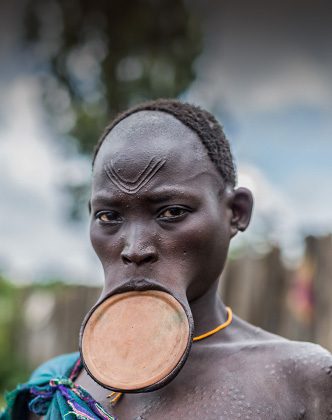
Ethiopia
The Mursi tribe, struggling to survive in a changing world
The Mursi are fighting because their lifestyle is under threat and they are suffering abuse by the dominant society. Despite the constant pressure, most Mursi are adapting to the new situation. That is a characteristic of the Human species: to survive or die. The Mursi want to continue living.
Read article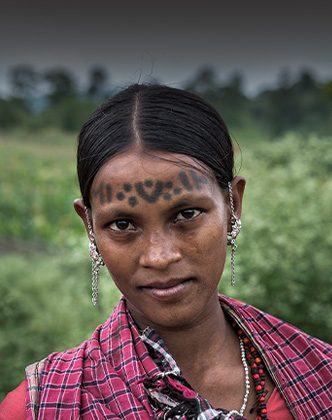
India
The Baiga, inhabitants of Indian forests
The Baiga are a forest-dwelling indigenous tribal community in eight states of central India. In the local mythologies, they are often recognized as the original inhabitants of the Earth. They lived in intimacy with the elements of nature, and even at present, their everyday lives and livelihoods continue to be closely intertwined with their forest.
Read article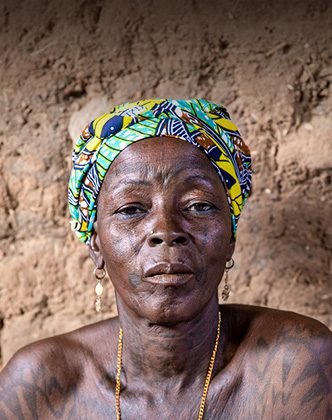

Behind the lens
Michel Pedrero, nomadic photographer
Michel Pedrero is a documentary photographer specializing in photojournalism, social portraits, press photography, and wildlife. In 2022, he was a finalist in the World Press Photo Contest for 'Sudan looks at us'. It is worth highlighting his collaboration with National Geographic, The Times and Vogue.
Read article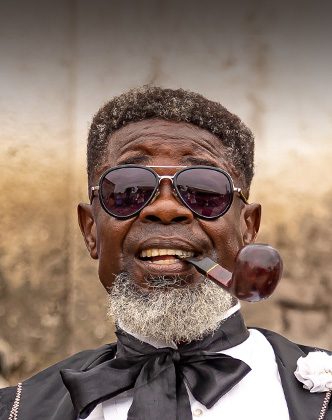
Madagascar
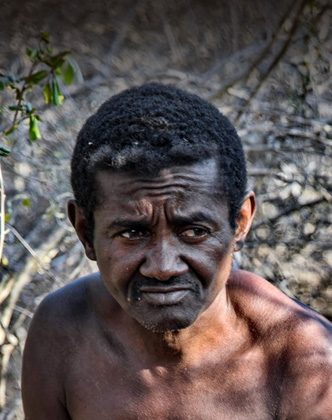
The Mikea people, inhabitants of the thorny forest
The large island of Madagascar is associated with floral endemisms and rare species of arboreal mammals, such as the famous lemurs. Last Places' vocation to explore the lesser-known areas of countries' ethnography has led us to design an alternative trip to Madagascar, focused on its tribes, such as the Mikea people.
Read article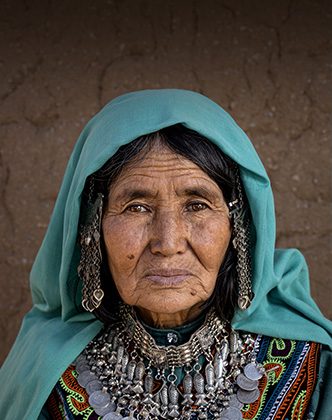
Afghanistan
The Hazara people, the Mongoloids who came from the east
With more than 6 million souls, the Hazara tribe is the third-largest ethnic group in Afghanistan. Most of the Hazara live in what is known as Hazarajat, in central Afghanistan. They are also found in Kabul and in Quetta, in neighboring Pakistan.
Read article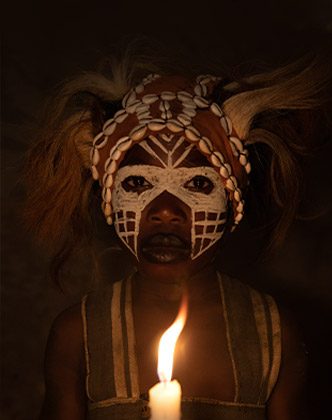
Ivory Coast
Snake Girls Ritual
The snake girl ritual is usually celebrated in communities that live in isolated and difficult-to-access regions, where traditional Guere culture is more preserved. Through the dance, participants enter into communion with nature and sacred wild animals, especially the snake. By performing this dance, it is believed that the village will be protected by the animal spirits of the forest.
Read article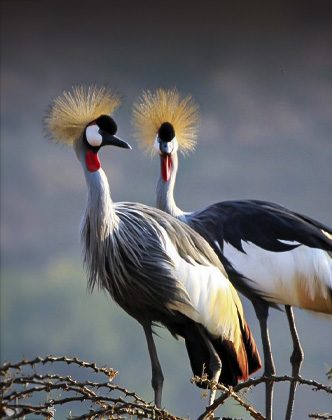
Uganda
‘El país de la grulla’ by Carlos Micó
A series of experiences narrated in the form of a first-person travel chronicle from a specific corner of Africa. One with a very marked identity, but at the same time with an overwhelming historical cultural diversity. We are talking about the pearl of Africa.
Read article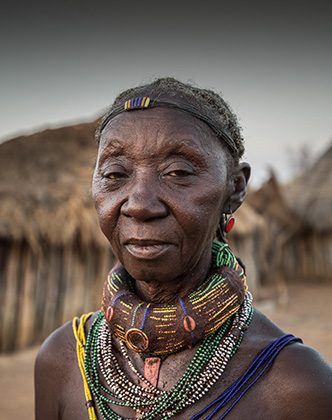
Angola
The Gambue tribe of Angola, a people in cultural transition
The Gambue tribe has the tradition of wearing beaded clay necklaces and shaping their hair into complex forms to show their marital status. Nowadays, the Gambue can only be found in remote villages and only in the older generations can traditional tribal clothing be seen,
Read article
 ES


