
Ivory Coast
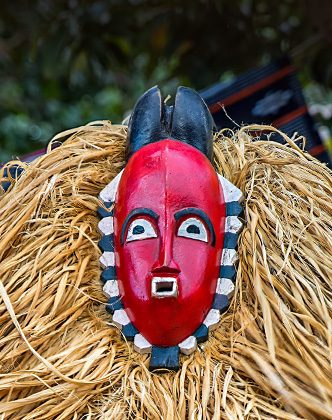
The Baule people, masters of masks, pottery and fabric
The Baule people (also known as Baoulé) are an Akan group representing one of the largest ethnic groups on the Ivory Coast, made up of about 4,085,000 people. They live in a triangle-shaped region (the Baoule “V”) between the Bandama, N'Zi and Komoé Rivers.
Read article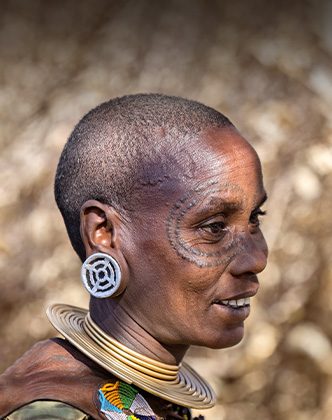
Tanzania
The Datoga tribe, the fierce blacksmiths of Tanzania
The Datoga tribe is an agro-pastoral semi-nomadic and Nilotic-speaking ethnic group living in north-central Tanzania. The Datoga people are a proud people with a reputation as the first and foremost fierce warriors, known for their stealthy ability to eliminate their adversaries. They refused to subject themselves to colonization and vehemently resent the government, making them enemies of the state.
Read article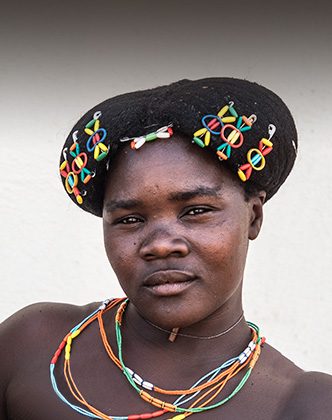
Angola
The Dimba tribe of Angola, the artisan people
The Dimba tribe is a livestock society that mainly inhabits the savannah on the outskirts of the town of Cahama, Angola. Their towns are characterized by being surrounded by robust palisades and having houses decorated with colorful geometric patterns. Women still preserve a fascinating hairstyle culture, wearing different and amazing styles.
Read article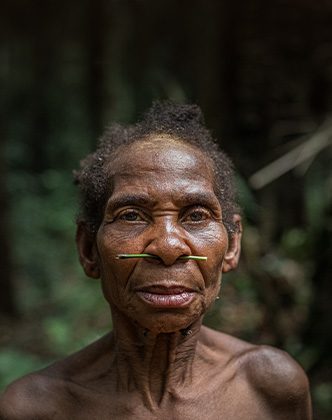
Cameroon
The Baka people of Cameroon, the inhabitants of the rainforest
The Baka people (Aka is the term used to designate themselves) are a seminomadic ethnic group inhabiting the Central African rainforests. The Baka have a deep relationship with their environment. For the Baka people, the forest is living and communicates with them. The foundation of the Baka is to live in harmony with nature.
Read article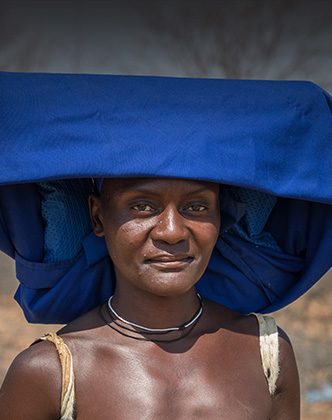
Angola
The Cubal tribe of Angola, the warrior people
The Cubal tribe of Angola are a semi-nomadic group, whose economy is based on livestock and agriculture. Their territory is quite wide, although it is mainly located in the Namib Desert. It is the last people to succumb to the Portuguese in colonial times. Cubal women wear an original and unique headdress. Likewise, they use belts to tighten their breasts, as a bra.
Read article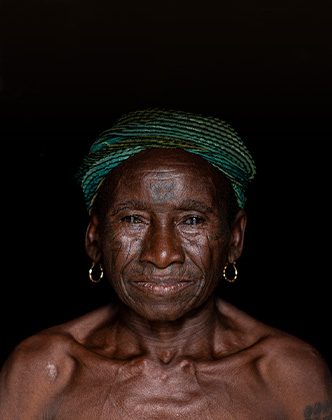
Benin
The Ije tribe of Benin, tattoo masters
The Ije tribe of Benin, also known as Ohori or Holi, are a subgroup of the Yoruba people. This ethnic group live in the South-eastern Benin, in the surroundings of Onigboló, in between Pobe and Ketou. Ije women have a distinctive way of self-fashioning; displayed in hairstyles, dressing and body decorations such as scarifications and tattoos.
Read article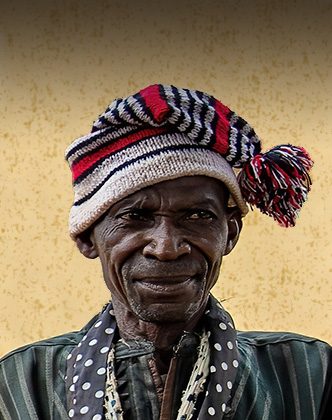
Nigeria
The Igbo people of Nigeria, founders of Biafra
The Igbo people are an ethnic group native to the central and southeastern Nigeria. Geographically, the Igbo homeland is divided into two unequal sections by the Niger River. The Igbo people are one of the largest ethnic groups in Africa.
Read article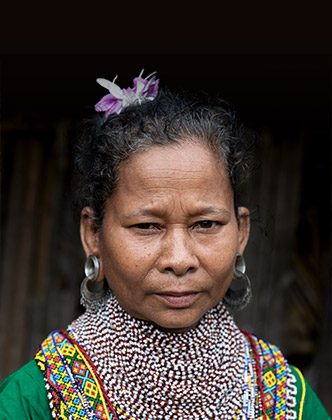
Bangladesh
The resilient Tripura people from the Chittagong Hills of Bangladesh
In the hills of Chittagong, close to the Myanmar border, we find what we at Last Places like to describe as an “island of resistance”. There live the Tripura people, a small animist and Hindu ethnic group made up of about 60,000 people. This ethnic group proudly clings to its own customs, regardless of who rules Bangladesh.
Read article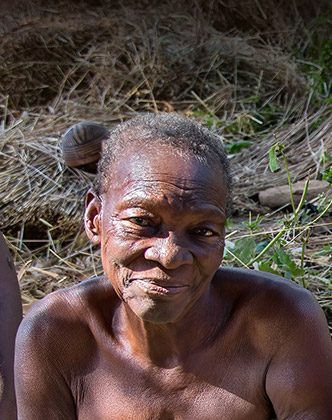
Cameroon
The Dowayo people of Cameroon, worshipers of skulls
About 18,000 members make up the unknown Dowayo or Namchi people of Cameroon, who live around the city of Poli in the northern region of the country. The English anthropologist Nigel Barley put them on the map by describing their rites and customs in the novel 'Innocent Anthropologist' (1983).
Read article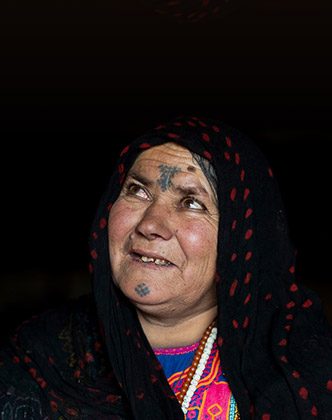
Afghanistan
The Kochi people, the last nomadic tribe of Afghanistan
About a million and a half people make up the Kochi or Kuchi people, the last nomadic tribe living between central and southern Afghanistan. About 60% of them continue to lead a nomadic lifestyle. The instability of the country during the last 30 years and the recurring droughts are modifying the customs of the Kochi, who increasingly choose to settle in permanent places.
Read article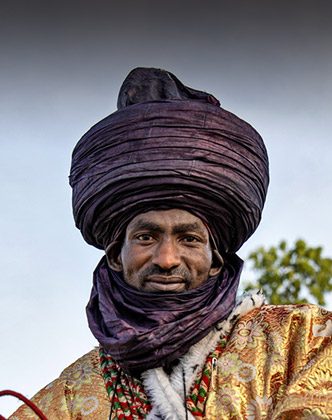
Cameroon, Chad, Niger, Nigeria
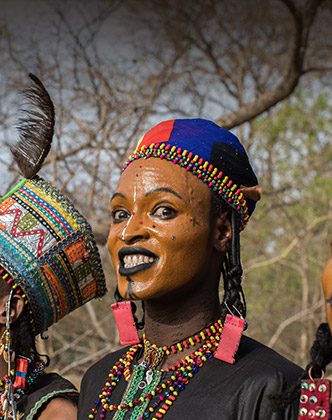
The Gerewol tribal ceremony, where men wear makeup to attract women
During the month of October, the Mbororo or Wodaabe nomads gather in the region near N'Djamena, the capital of Chad. This event consists of a large annual courtship ceremony, which lasts several days. Its objective is that the mbororo women choose their partner. In addition, this meeting serves to unify and unite the clans.
Read article
 ES


