Why travel to Bangladesh?
Tribes of the Chittagong Hills
The forested hills bordering Myanmar and India are home to some of the most distinctive tribal peoples in Asia. Among them are the Mru, an animist people who keep their traditional dress and way of life. Alongside them, other ethnic groups still inhabit this mountainous region east of Chittagong.
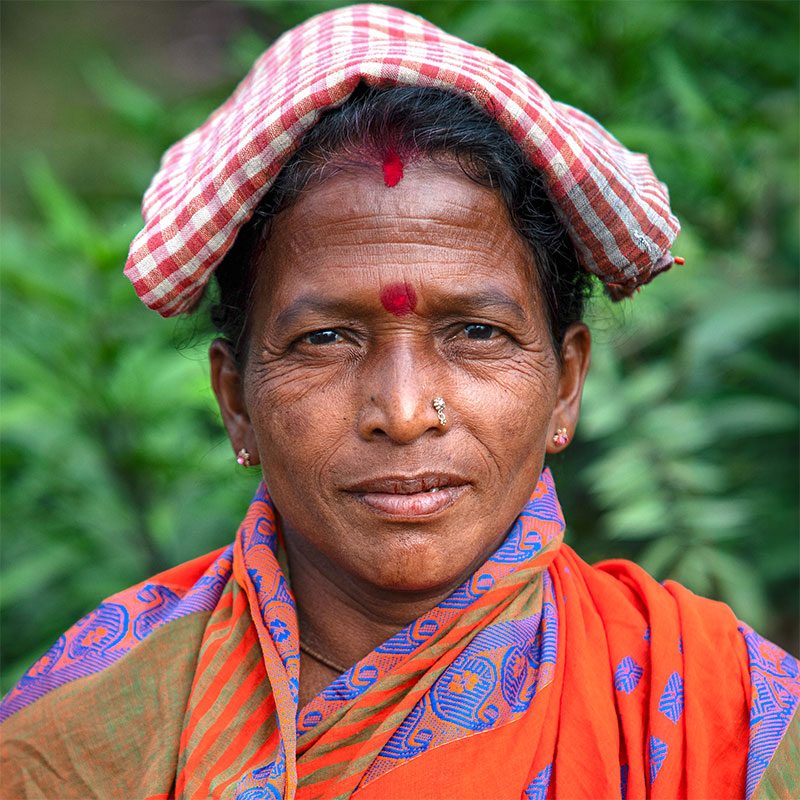
The Tripura are another of these peoples. They number around 60,000, are animist and Hindu, and are divided into several clans. They live from slash-and-burn farming in small villages, on hilltops or in isolated valleys, and build their bamboo houses on raised platforms to protect themselves from damp and from animals.
Tripura women wear silver earrings and ornaments on their wrists, ankles, neck, nose and hair, some of which indicate their marital status. You can learn more about their history and the challenges they face in our article on the Tripura people of the Chittagong Hills.
Rakher Upobash, the Hindu festival of light
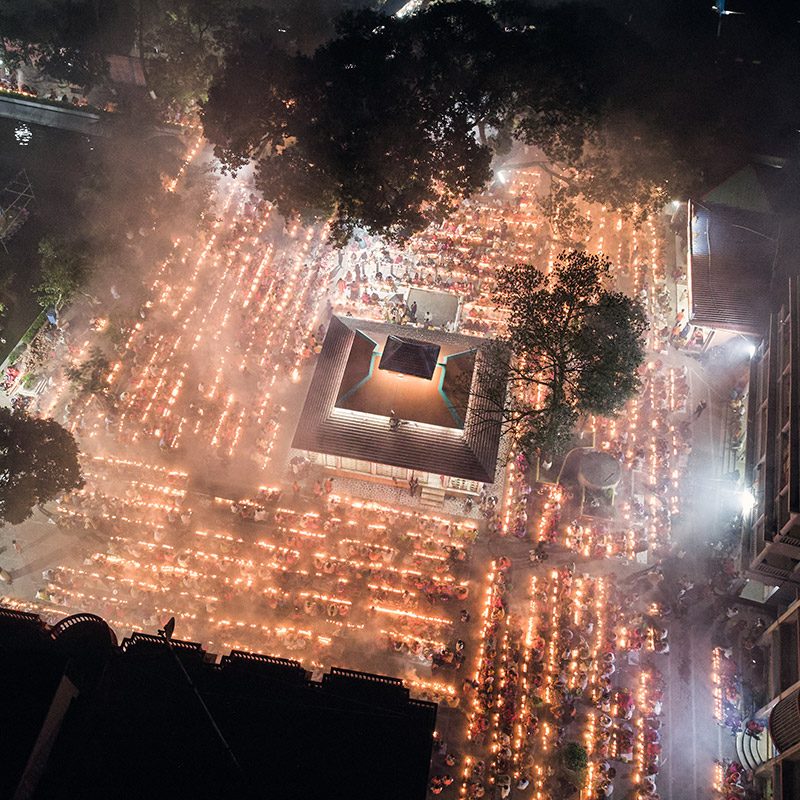
In a Muslim-majority country, the Hindu community celebrates one of its most striking rituals: Rakher Upobash. It is a day of fasting and prayer in honour of Baba Lokenath Brahmachari (1730–1890), a saint revered for his ascetic life and his teachings of compassion. It takes place during the sacred month of Kartik, between October and November.
“Thousands of devotees before small oil lamps”
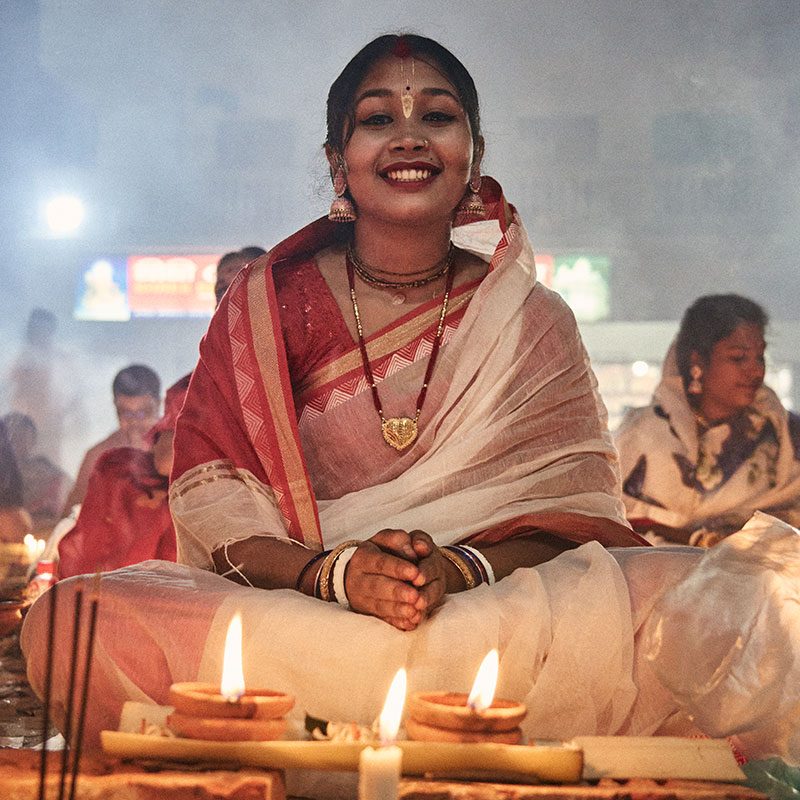
As evening falls, thousands of devotees sit in rows before small oil lamps, known as
pradip, surrounded by offerings of fruit, sweets and flowers. The
Lokenath Brahmachari Ashram temple in Dhaka is the centre of the celebration. We explain its origins and meaning in the article
Rakher Upobash: a festival of devotion and light in Bangladesh.
The Sundarbans and life in the Ganges Delta
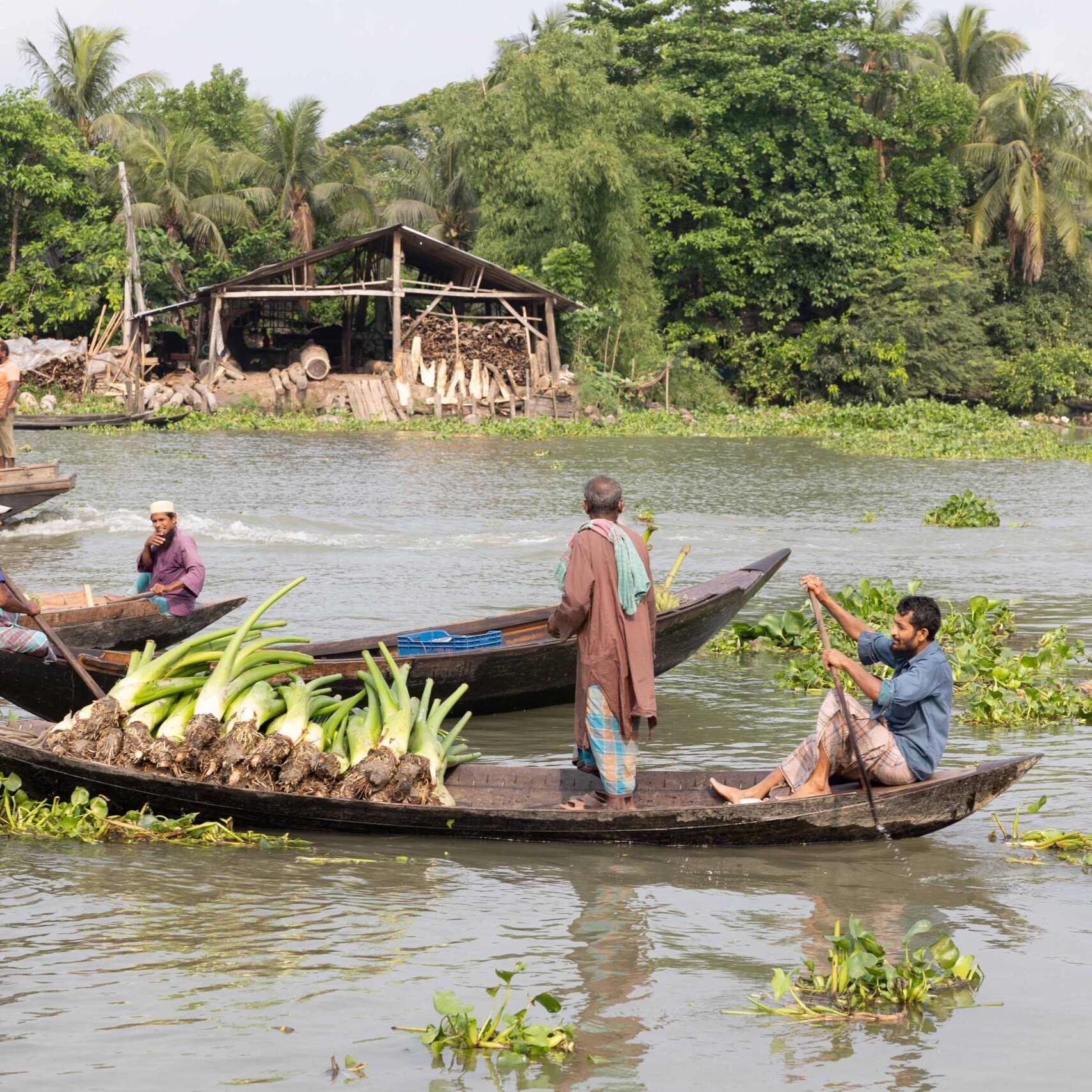
The Ganges Delta is the last refuge of the Bengal tiger. Among its channels and mangroves, fishing villages that maintain a traditional way of life also survive.
“At certain times of year, up to 80% of the country is under water”
Water shapes life across the whole country: at certain times of year, up to 80% of the territory is under water. That is why fish, together with
rice and dhal, forms the basis of Bengali cuisine.
Dhaka and Chittagong, cities that are worlds in themselves
Dhaka is Asian urban life at its most extreme. Every year the city floods with the rains and with farmers arriving from the countryside in search of a better life. Letting yourself be carried along by its human tide, by the struggle for life and by hope, is an intense experience with a poetry of its own.
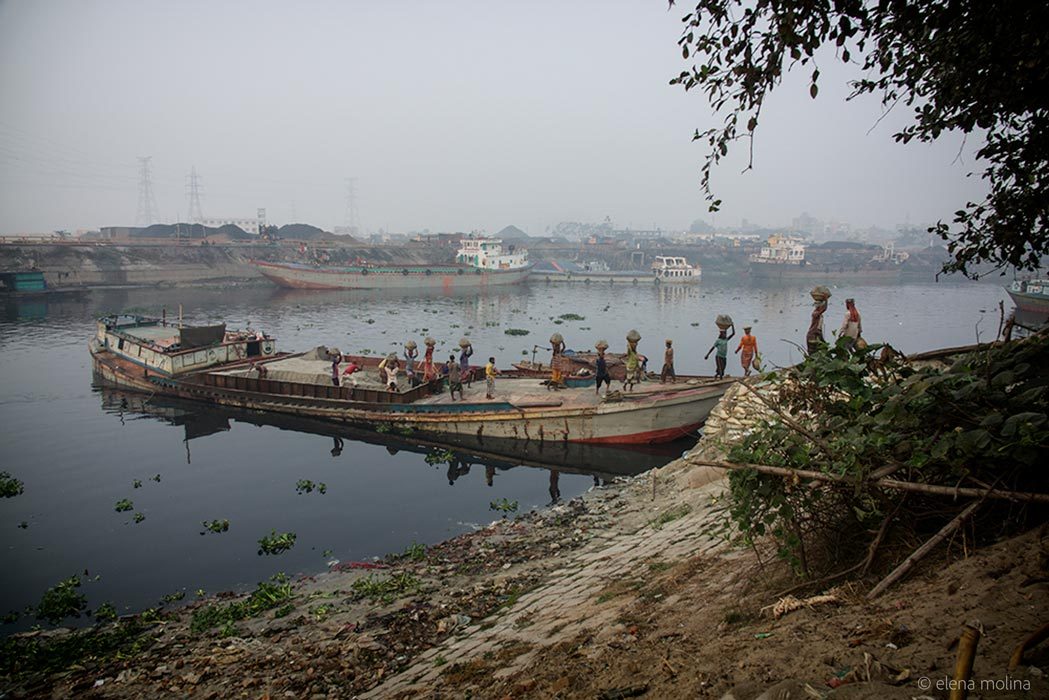
Chittagong, the country's second city and its economic capital, is more orderly, but also more roguish. It is home to large shipyards and the biggest open-air shipbreaking yards in the world. Its centre has a lively, popular atmosphere, and the city is the gateway to the tribal, non-Islamised Bangladesh of the hills.
The historic heritage of Bangladesh
Bangladesh preserves a rich architectural heritage spanning several centuries, spread across the whole country. Buddhism, Muslim sultanates and Hindu merchants have left their mark on historic sites such as Paharpur, Gaur, Bagerhat and Sonargaon.
In Paharpur, in the north-west, stand the ruins of Somapura Mahavihara, a great Buddhist monastery founded by the Pala king Dharmapala in the late 8th century. It has been a UNESCO World Heritage Site since 1985, and its cross-shaped temple influenced Buddhist architecture in Pagan, in Myanmar, and in Java.
Near the border with India lie the remains of Gaur, capital of the Bengal Sultanate. Here stands the Choto Sona Mosque, the ‘small golden mosque’, built during the reign of Alauddin Husain Shah (1493–1519) and named after the gilding that once adorned its ornamentation.
In the south, on land that was once part of the Sundarbans, the governor Khan Jahan Ali founded the mosque city of Bagerhat in the 15th century, also a World Heritage Site. Its best-known monument is the Sixty Dome Mosque, which, despite its name, has 77 domes.
“The Sixty Dome Mosque actually has 77 domes”
Near Dhaka,
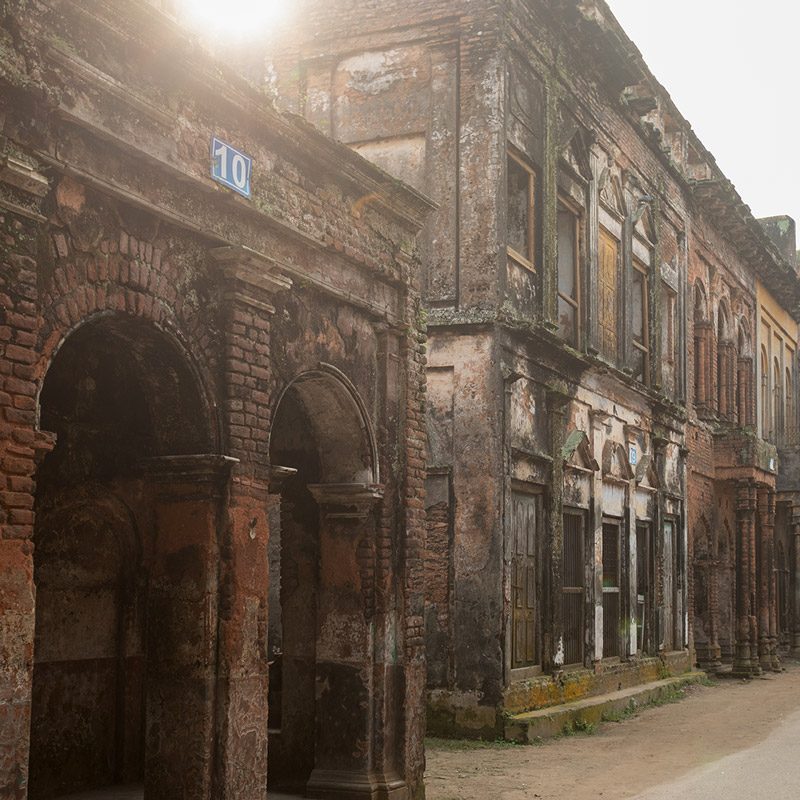
Sonargaon was an important political centre of Bengal until the capital moved to Dhaka in the 17th century. In its
Panam Nagar quarter, a street of Hindu merchants' houses, renovated in colonial style between the late 19th and early 20th centuries, recalls its former prosperity.
© Photographs by Aníbal Bueno, Xavi de las Heras, Héctor Ruiz Golobart and Edith Scharffenberg, taken during our trips to Bangladesh.
Useful information before you travel to Bangladesh
Straight answers to the questions our travellers ask most often. Information using official sources and our own experience on the ground.
Do I need a visa to enter Bangladesh?
Yes, a tourist visa is required. You can apply at the Bangladeshi embassy in your country or online, and Last Places will help you with the process. Requirements depend on your nationality: always confirm them with the Bangladeshi embassy or high commission in your country.
Bring around ten black-and-white copies of your passport and visa (if you obtained it before travelling): they are often requested at military and police checkpoints.
Which vaccinations are compulsory for Bangladesh?
Before each trip, book an appointment at a travel health clinic in your country: they will advise you, based on your personal circumstances, on vaccinations, malaria prophylaxis and general hygiene measures, such as mosquito bites or gastrointestinal infections.
Is it safe to travel to Bangladesh?
Yes, Bangladesh is generally a safe country. However, petty crime is very common in large cities such as Dhaka and Chittagong, so it is worth staying alert in busy areas.
Entering the tribal hills of Chittagong requires special government permits, which Last Places arranges. Before travelling, check your own government's travel advice as well.
When is the best time to visit Bangladesh?
The best time is from November to February, although you can travel to Bangladesh all year round. From April the heat becomes intense, and the monsoon begins in mid-June. It is a beautiful spectacle, but we advise against that season because of the high humidity.
How much does a trip around Bangladesh cost?
It depends on the departure: you will find the price of each trip on its card on this page, and its trip page details what is included. On top of that, for drinks, meals not included and shopping, allow around €400, and a little more if you want to buy art or crafts. Outside the capital, food, drink and crafts are cheap compared with European prices.
Tips are not compulsory, but they are expected and appreciated: between €3 and €5 in restaurants and hotels, depending on the bill and the service.
Do I need travel insurance for Bangladesh?
Our group departures include basic travel assistance insurance, but not cancellation insurance. You can check its conditions in the detailed itinerary of each trip.
We recommend considering cancellation insurance, which covers your costs if something unexpected prevents you from travelling. If you would like broader cover than the basic policy provides, you can also take out additional insurance yourself.
What currency is used in Bangladesh and can I pay by card?
The currency is the Bangladeshi taka (BDT, symbol Tk). You can change money on arrival. Outside the large cities it is difficult to withdraw cash from ATMs with foreign cards, so bring enough cash, in euros or dollars, for the whole trip.
What language is spoken in Bangladesh and is there internet access?
The official languages are Bengali and English. In the cities almost everyone speaks at least some English, but not in the more remote villages, where a guide-interpreter accompanies us.
Connectivity is limited: only hotels in the capital have Wi-Fi, sometimes with a weak signal. You can buy a SIM card in Dhaka, although some remote areas have no coverage.
What plugs are used in Bangladesh?
Plugs are type C and D, with a voltage of 230 V and a frequency of 50 Hz. Type C is the standard continental European plug; for type D, common in India, Sri Lanka and Nepal, you will need an adapter.
Can you travel to Bangladesh independently?
In the cities it is possible, but the tribal regions are another matter. Entering the Chittagong Hills requires special government permits, and in remote villages hardly anyone speaks English. That is why our routes include arranging the permits and a guide-interpreter, who also helps us connect with the communities.
Is it ethical to visit tribal communities in Bangladesh?
It is, when the visit is made with respect and follows a clear protocol. Our presence disrupts the communities' routine, so we greet the community leader with the help of the guide-interpreter, ask permission to enter the village and then to enter each house, granary or plot of land.
We avoid bringing clothes, shoes, toys, plastic or sweets: they are alien to their culture and speed up globalisation. Instead, we choose fabrics bought at their markets and products they use every day. We also work with the NGO Tribal Heritage, which preserves tribal culture through responsible tourism.
Can I photograph people, and do I have to pay?
Yes, always with permission. In villages, you first greet the local leader and agree on photographs; they are usually paid for after a little haggling, and the Last Places guide helps arrange it. In markets you need to be more careful when asking the person or group for permission.
It is forbidden to take photographs, including with your phone, around government buildings, military installations and public services, including petrol stations, bridges and airports.
Download the useful information sheet
We have gathered everything you need to know before you travel to Bangladesh in one document: visa, vaccinations and first-aid kit, safety, currency and payment methods, tipping, climate, luggage, photography rules and the protocol for visiting tribal communities. Fill in the fields and we will send the sheet to your email address.








 ES


