
Cameroon
Cameroon tour:
tribes of the north and the equatorial rainforest
2 departures available
Same trip in 2027 and 2028: choose the date that suits you best.
This Cameroon tour travels through two very different worlds: the Sahelian, Muslim north and the equatorial rainforest of the east. It is an ethnographic expedition designed to reveal an Africa unlike any you may already know. In the north we will travel through the Faro Valley, home to the nomadic Mbororo, and the Vokre Mountains, a refuge for some of the last animist peoples of Cameroon.
In the east we will venture into the country’s last virgin tropical forests, meeting Bantu peoples and the Baka, who still live by hunting and gathering. Between these two worlds, the city of Ngaoundéré and its sultanate will open the doors to Muslim Cameroon. At Last Places we have been travelling to Cameroon since 2008.
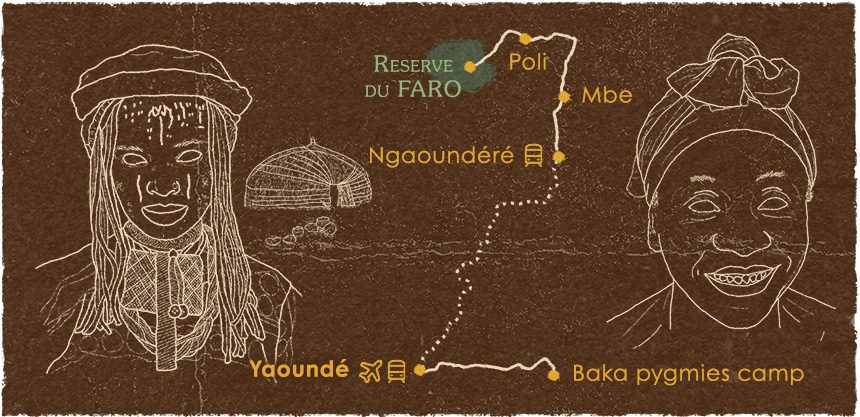
We will travel in a group of 4 to 12 travellers, accompanied by a Last Places guide and local guides. Over 10 days we will travel by road and by overnight sleeper train between Yaoundé and Ngaoundéré. We will stay in hotels, in a camp in Poli and, alongside the Dupa and the Baka, in tents. To reach their villages we will make two walks, of about two hours and one hour. In the detailed itinerary you will find the day-by-day programme, the planned accommodation, the meals included and what the price includes. Download the trip itinerary and we will send it to your email address.



Our trip to Cameroon: what we will discover
Yaoundé: the political capital and the train to the north
We will begin in Yaoundé, the political capital of Cameroon. We will climb Mount Febe to look out over the city and visit a museum of African art. At dusk we will board the overnight train to the north, which will take us from the forested, Christian south to the lands of Muslim Cameroon.
Ngaoundéré: the Lamido’s palace and the old town
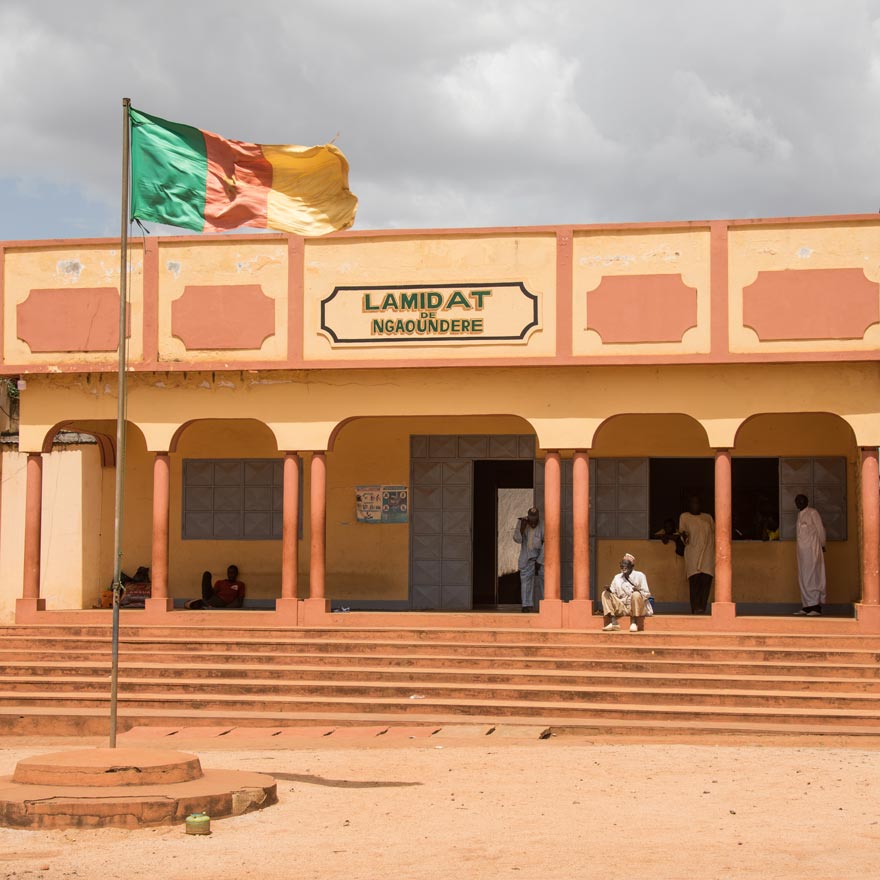
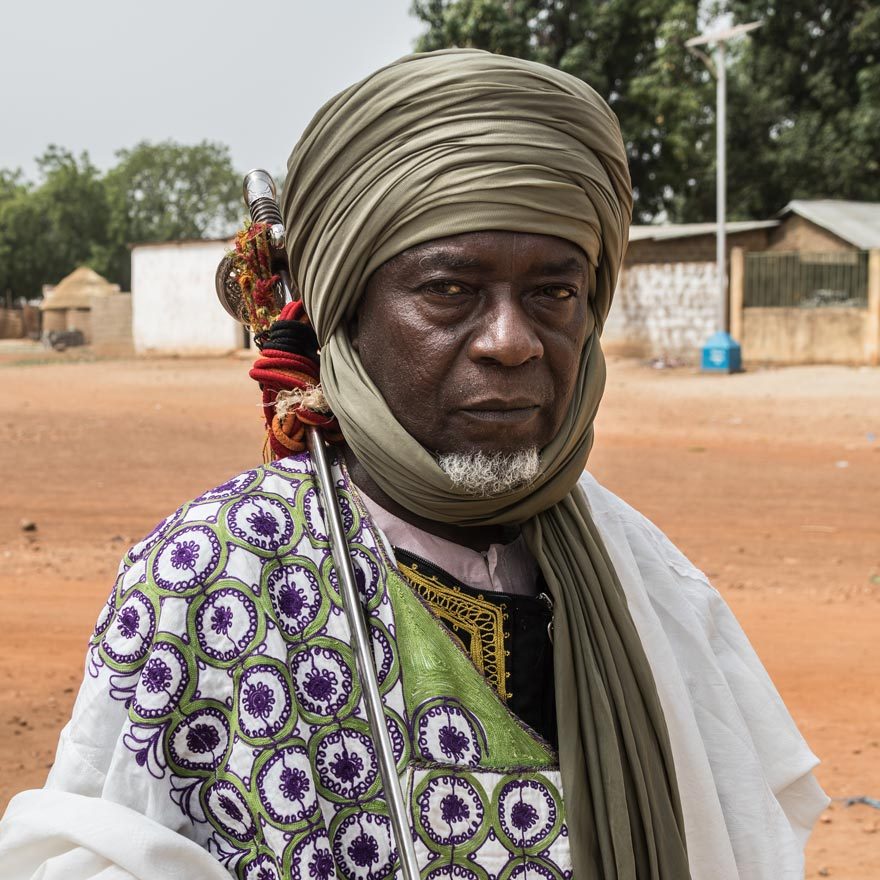
We will arrive in Ngaoundéré in the morning, the capital of the province of Adamawa. Its railway links northern Cameroon and Chad with the port of Douala, and the region also lives from cattle and cotton. Despite its growth, the city keeps a medieval atmosphere around the palace of the Lamido, or sultanate.
We will visit the sultanate, the old quarter, where a few traditional adobe houses survive, and the old colonial market. Here we will begin to discover Muslim Cameroon, so different from the south of the country.
From the Adamawa Plateau to the Faro Valley: a landscape of adobe
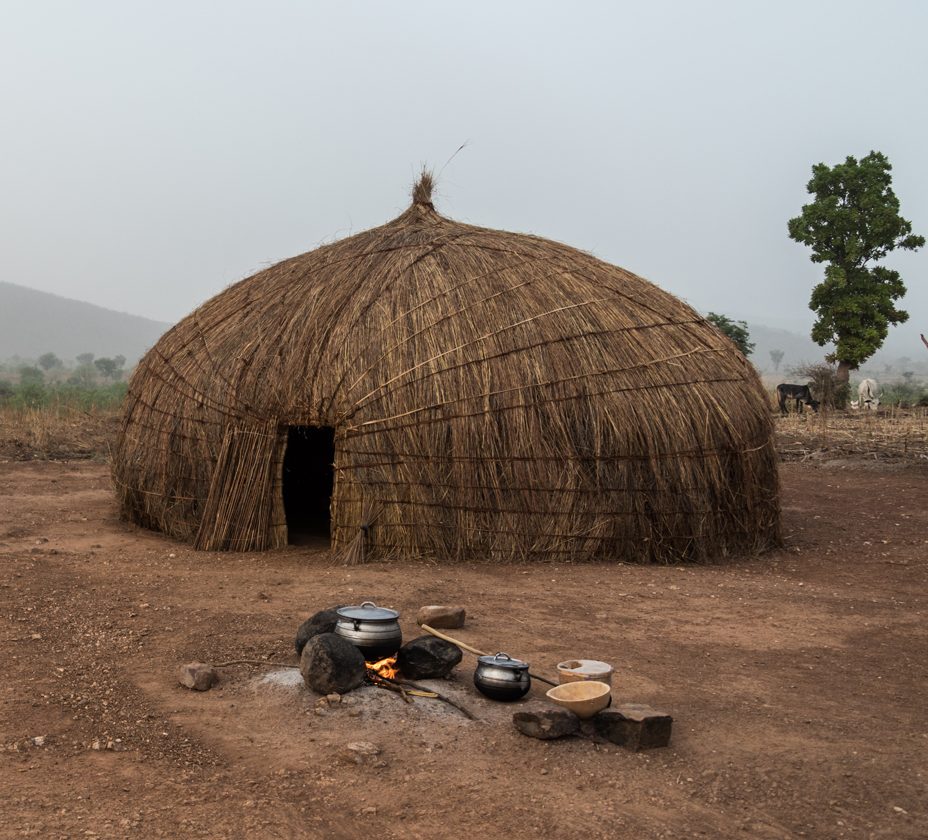
We will descend from the Adamawa Plateau towards the Benoué Valley, with sweeping views over the African plain. As we drop lower, we will feel the climate change. About 20 kilometres from Ngaoundéré, the villages of cement and corrugated zinc disappear: along the dirt road we will find only traditional adobe settlements.
We will stop for lunch at a local market, among stalls of grilled meat, maize, sweet potatoes, bananas and biscuits. In the afternoon we will reach Poli, the capital of Faro, and have dinner beneath the starry African sky.
The Mbororo: tattoos and nomadic herding in the Faro Valley
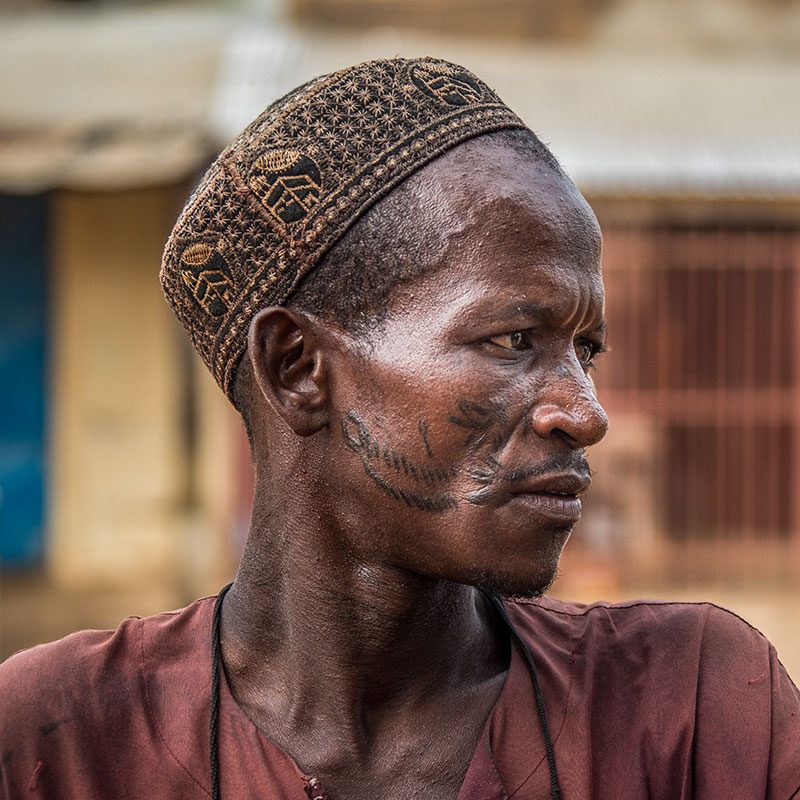
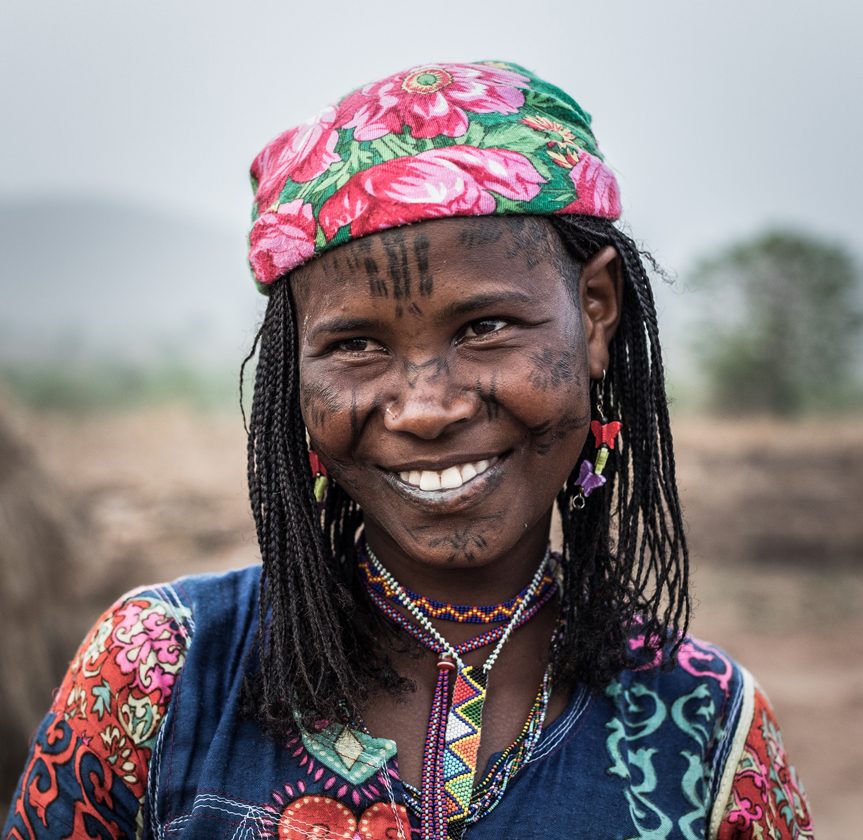
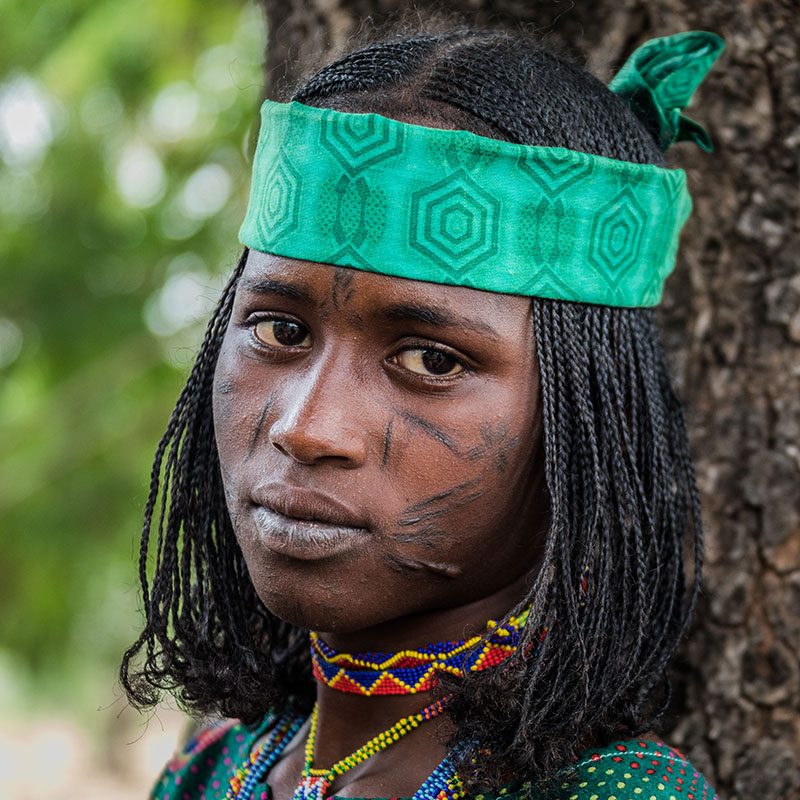
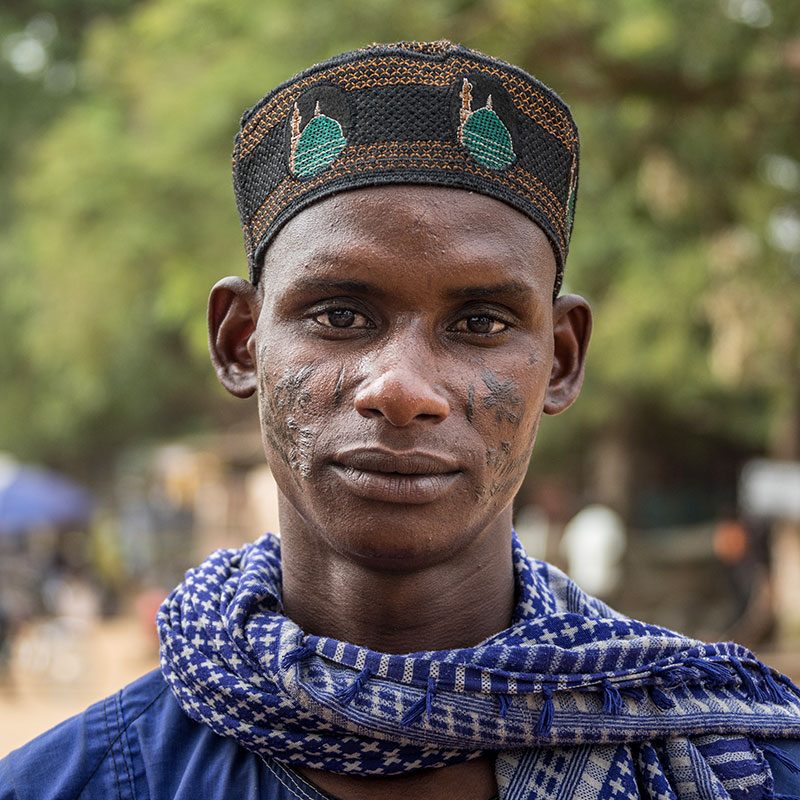
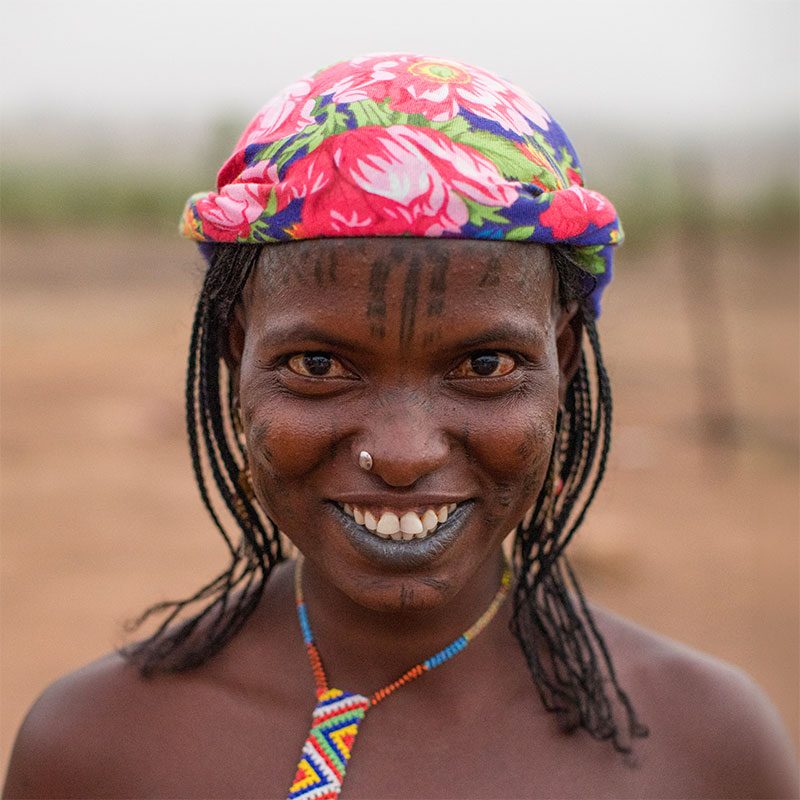
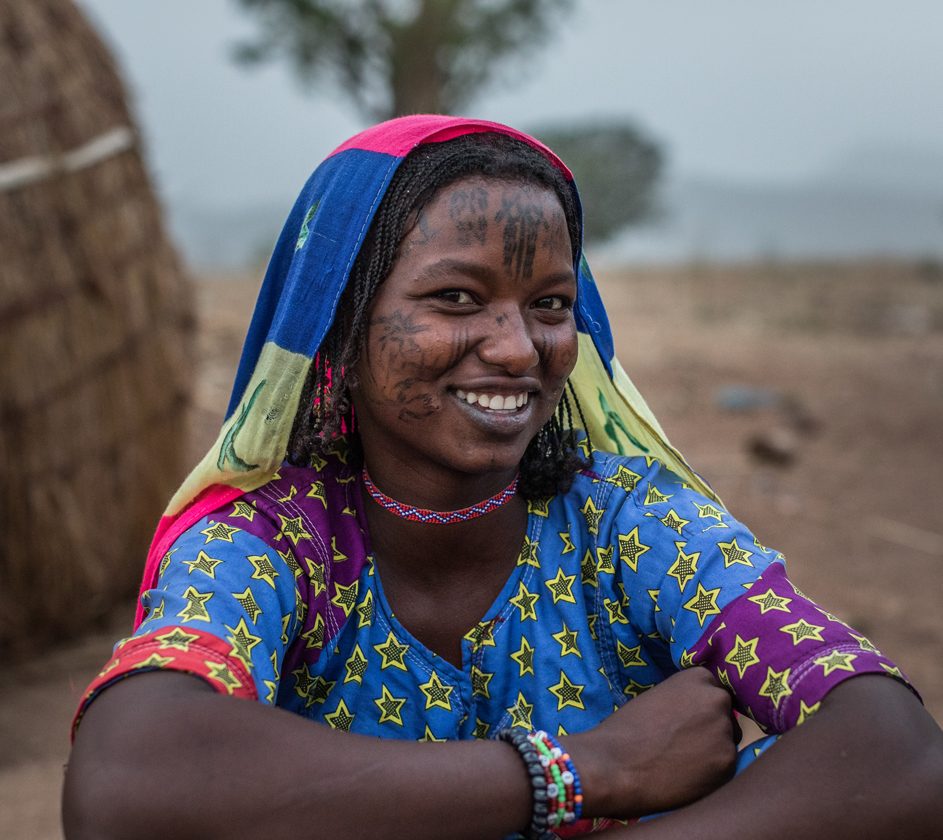
In the Faro Valley we will meet the Mbororo, a nomadic herding people who have lived in the region for centuries and have preserved their traditional culture to this day. They are known for the intricate tattoos that decorate their faces and parts of their bodies, which indicate the social class and marital status of the wearer.
We will greet the elders, who guide the destiny of their people and uphold the ancient customs of honour, respect for nature and a close bond with their cattle. These are the same nomads who gather every year in this valley for the Gerewol, the courtship ceremony at the heart of our Cameroon Gerewol tour. We will visit them again on our return from the mountains.
The Dupa: millet, bil-bil and sacred forests
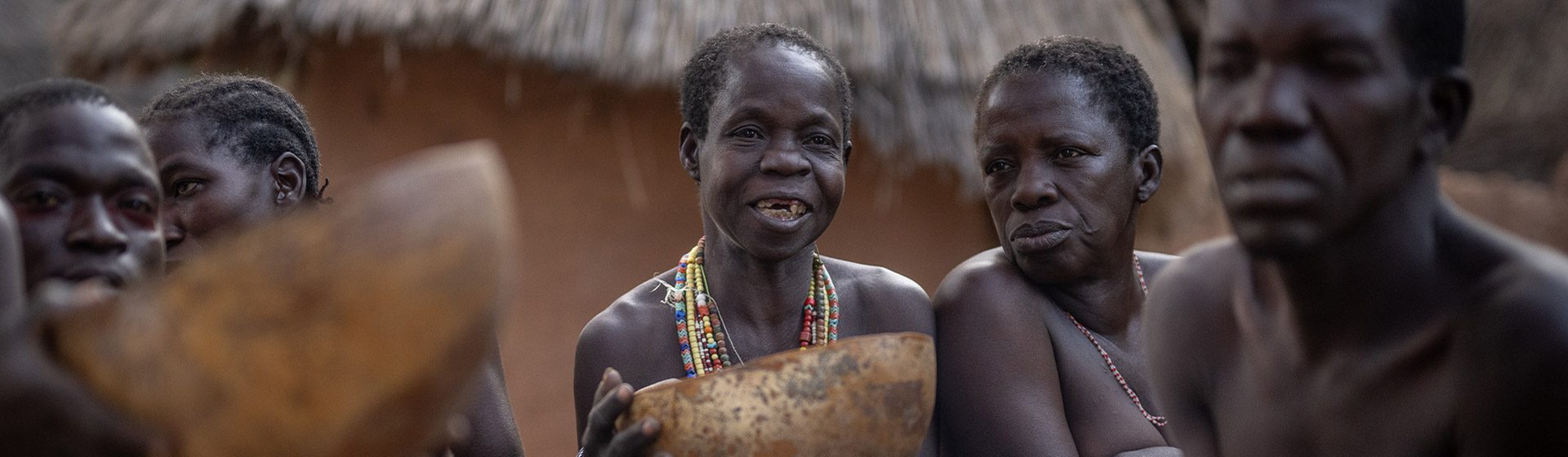
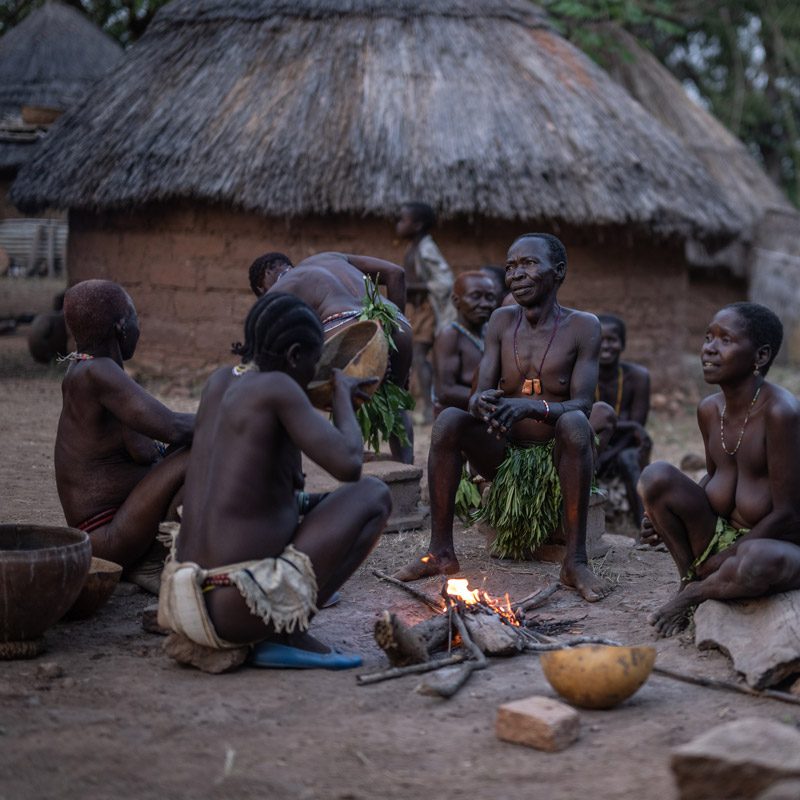
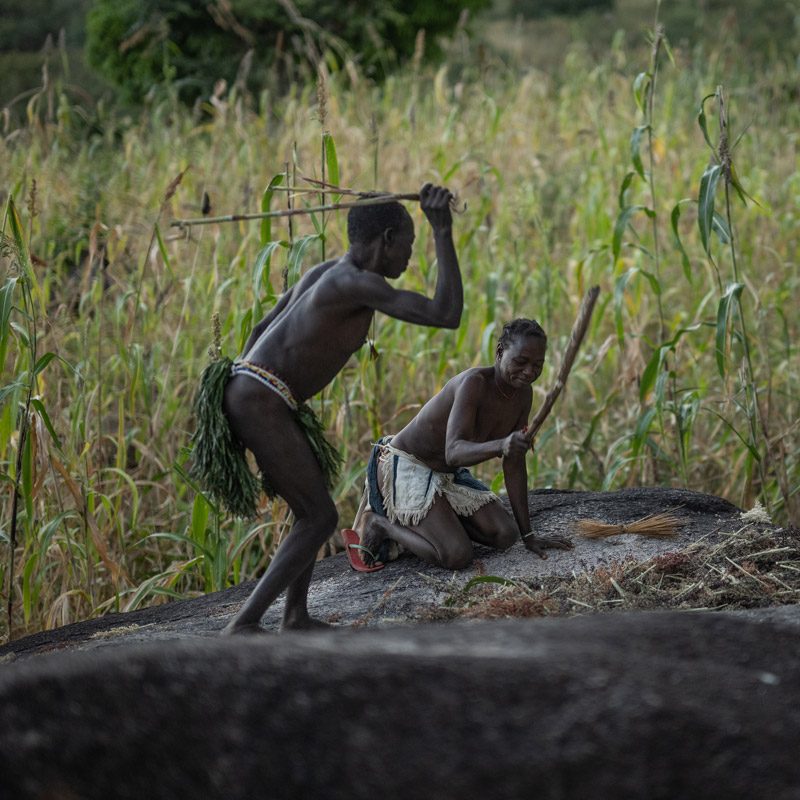
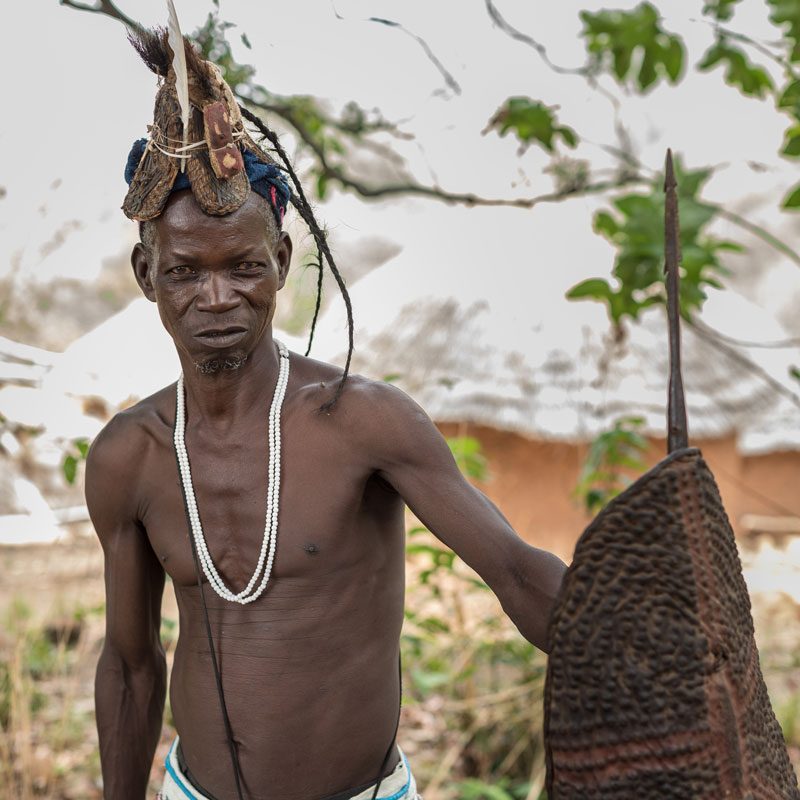
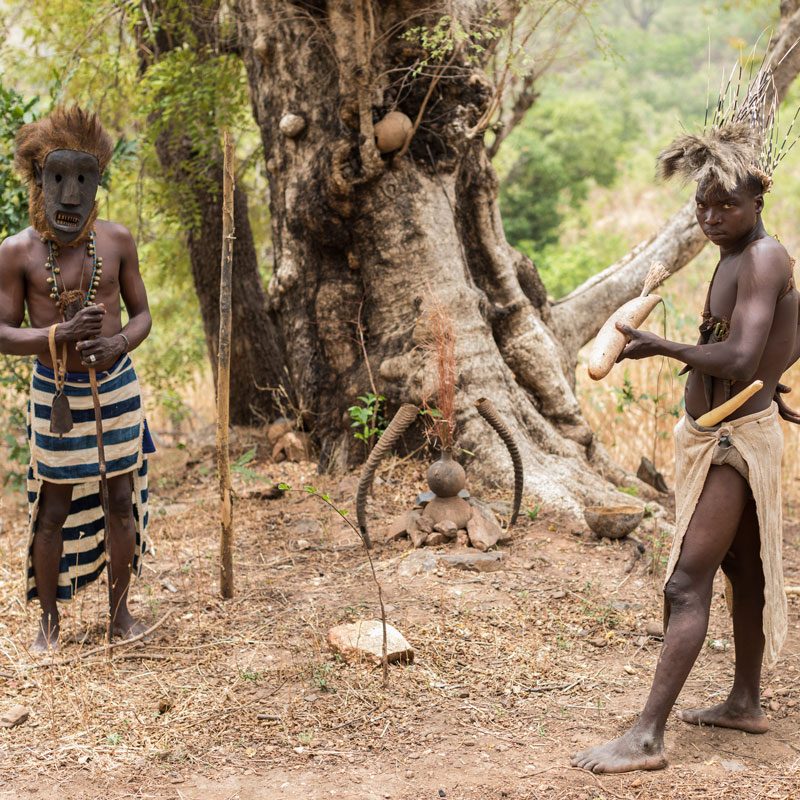
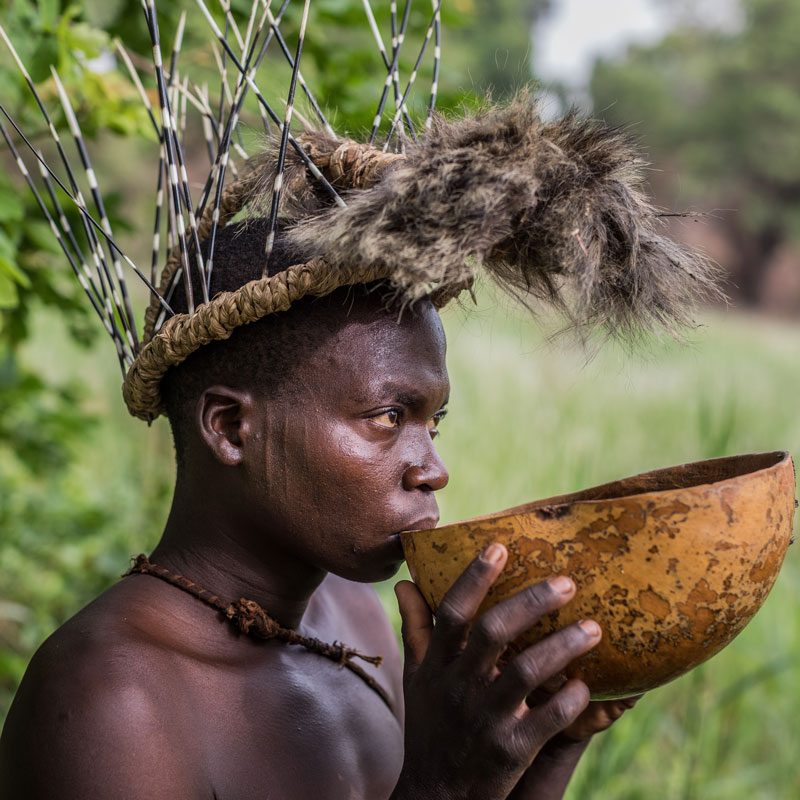
At the foot of the nearby mountains, we will walk for about two hours to a Dupa village and set up camp there. The elders will welcome us and introduce us to the life of their people: their architecture, their sacred forests and their customs. The Dupa still hold on to their ancestral way of life. They are farmers, and their life revolves around their millet fields.
Before and after the harvests they hold festivities at which bil-bil, the local beer made from fermented millet, flows freely. If one of these celebrations takes place during our stay, we will ask permission to take part. The men combine work in the fields with hunting with bows and arrows. Theirs is a society deeply attached to its animist values and determined to preserve them in the face of modernity.
We will spend the night in tents alongside them. In the morning we will say goodbye to a people little used to receiving foreign visitors, and follow the porters back to the main track through the valley.

Heading east: Bantu country and the German colonial legacy
On our way back to Ngaoundéré, via Mbé, we will stop if we come across a weekly market or a place of interest. At night we will board the train again, this time heading south. From Yaoundé we will continue east, where the rainforest still dominates the landscape.
This is Bantu country, the majority ethnic group in Cameroon, to which the country’s political elite also belongs. Along the way we will pass through towns of colonial origin that still preserve buildings from the German period, between 1884 and 1916. On arriving in Messamena, we will take a walk through the town.
The Baka: life in the tropical rainforest
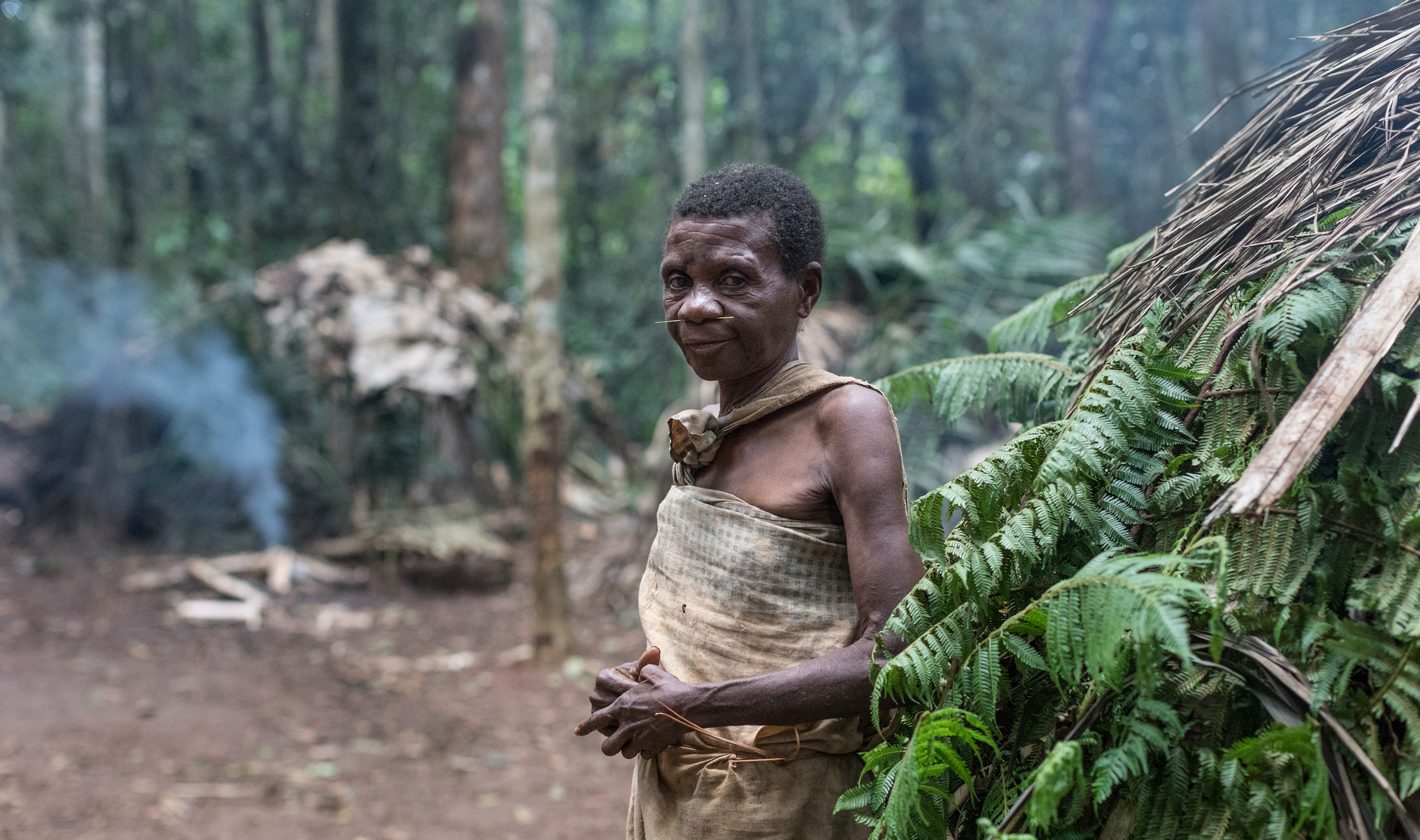
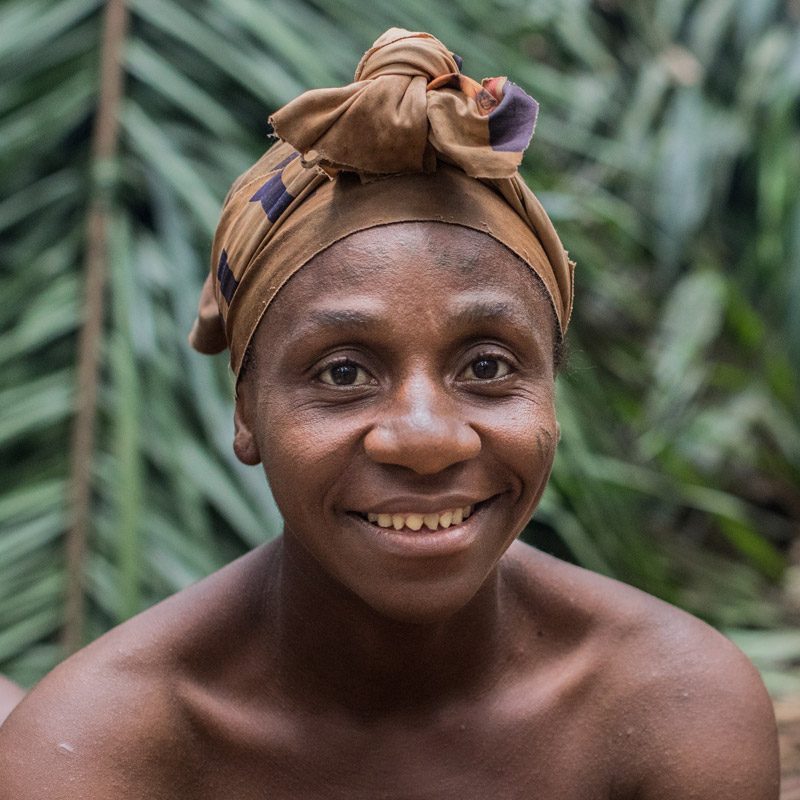
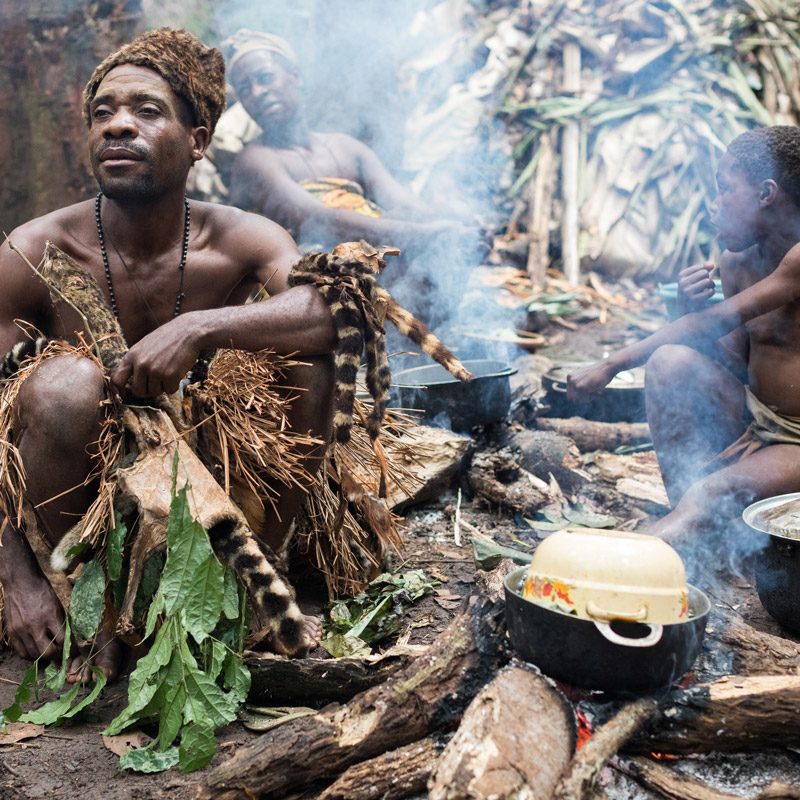
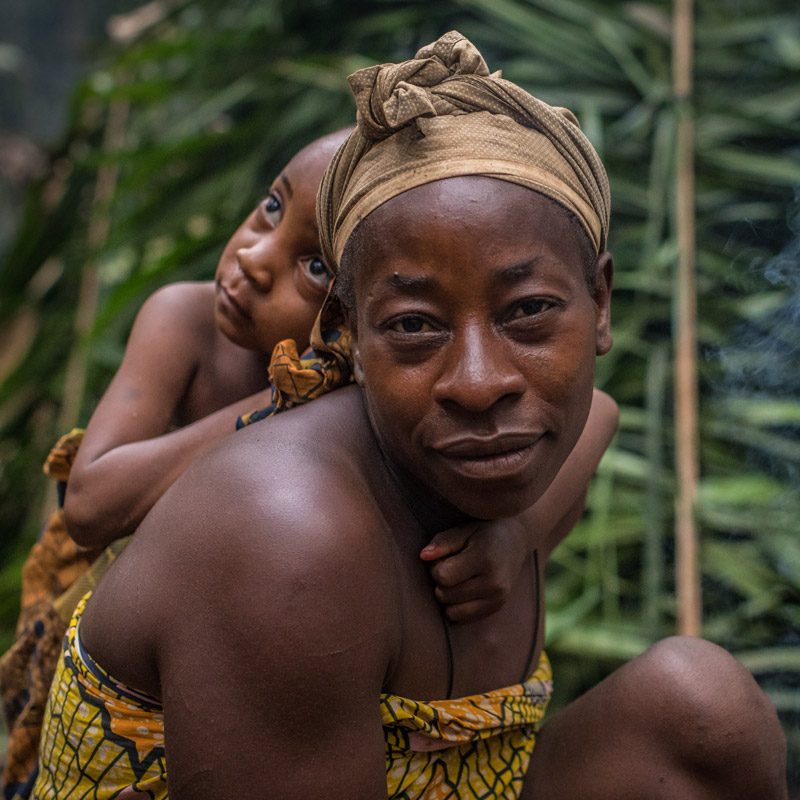
A forest track will take us, across tropical streams, deep into the rainforest. Here live some of the last traditional clans of the Baka people. After an hour’s walk we will reach their camp, where we will pitch our tents. The Baka have a profound bond with the tropical forest and have preserved much of their animist culture.
We will join them in gathering wild yams, medicinal plants and bark, and learn their hunting techniques. At night we will listen to their polyphonic songs and watch the sacred dance of Ejengi, the spirit of the forest. The next day we will say goodbye to our hosts and return to Yaoundé, where the journey ends.
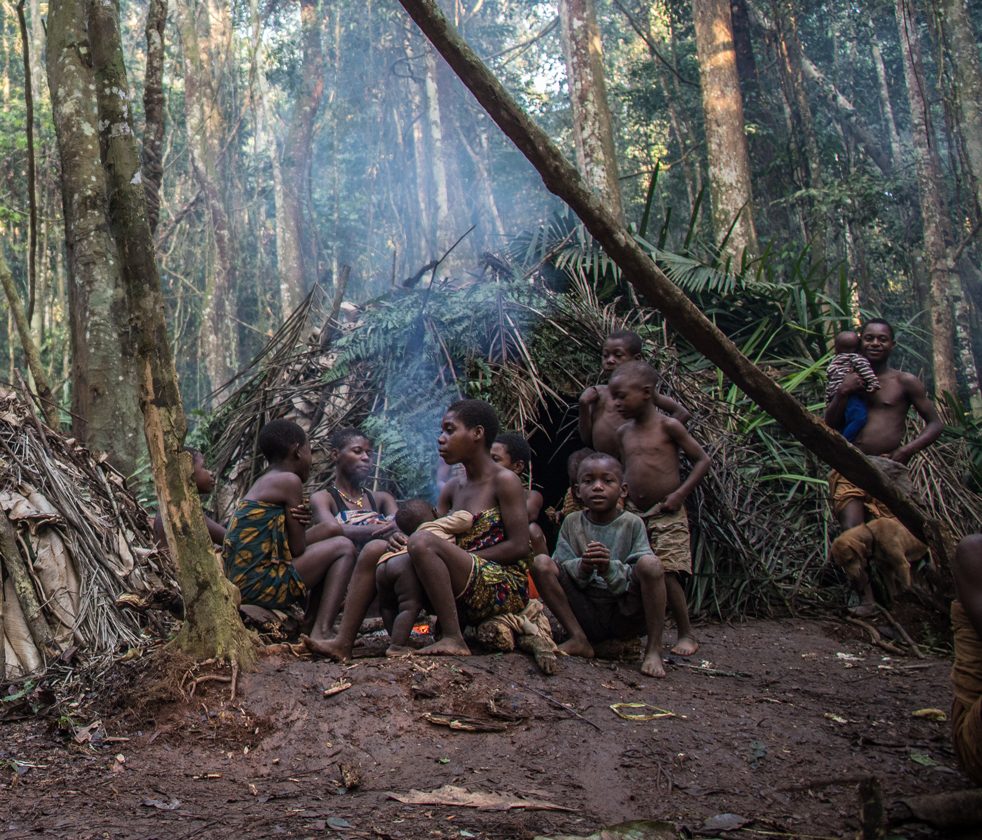
Photographs by Aníbal Bueno, taken during our trips to Cameroon.
Scheduled departures
More trips to Cameroon
We can also organize your tailor-made trip to . En este caso, indícanos tus intereses mediante el formulario de contacto que encontrarás más abajo.
Get in touch with our experts.

 ES


