
 Trip from 21 to 31 July 2027 / From 3,380€
 Discover the highlights of this cultural trip to Madagascar
Antananarivo: History, Markets and Urban Life
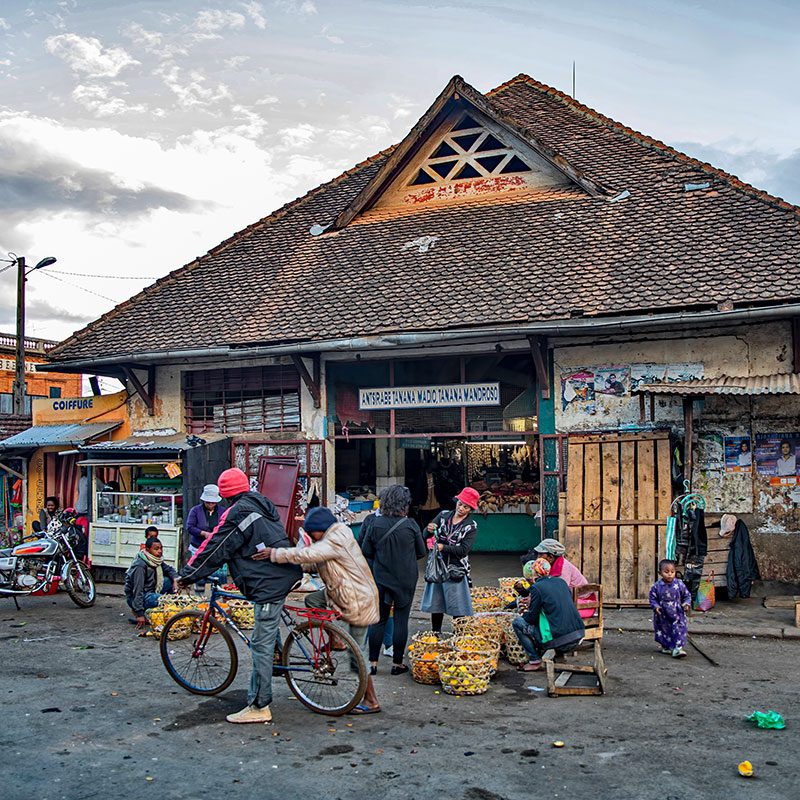
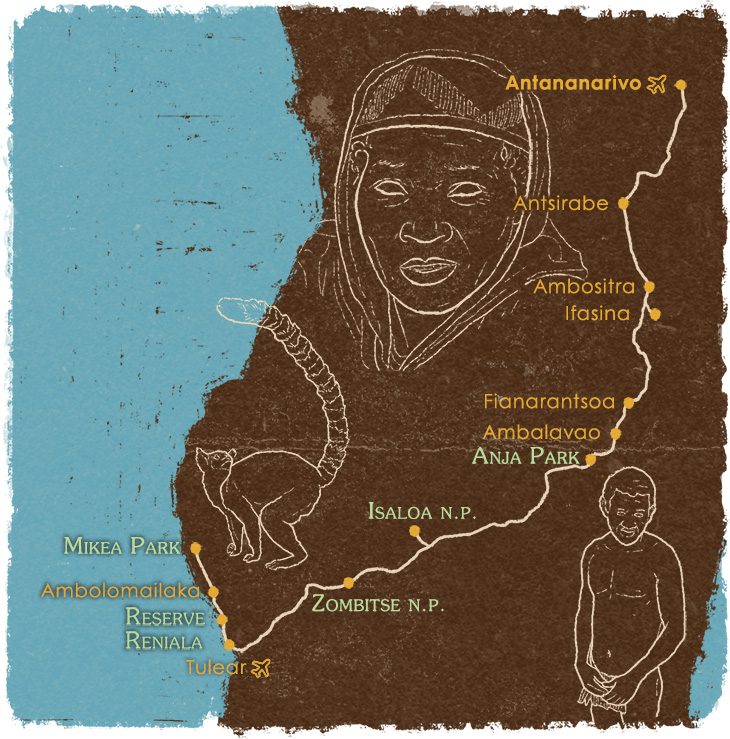
The cultural trip to Madagascar will begin in Antananarivo, the country’s political and cultural capital. From the outset, we will gain insight into everyday life on the island through its streets, markets and historic landmarks. We will also discover some of the city’s most representative sites, including Soarano Railway Station and Independence Avenue. In addition, we will visit the La Digue handicrafts market, considered one of the largest craft markets in Africa. Here, we will discover a wide variety of products made by artisans from different regions of Madagascar. Therefore, this stage of the cultural trip to Madagascar will provide an excellent introduction to the island’s cultural and artistic diversity.
Antsirabe: Colonial heritage and craft traditions
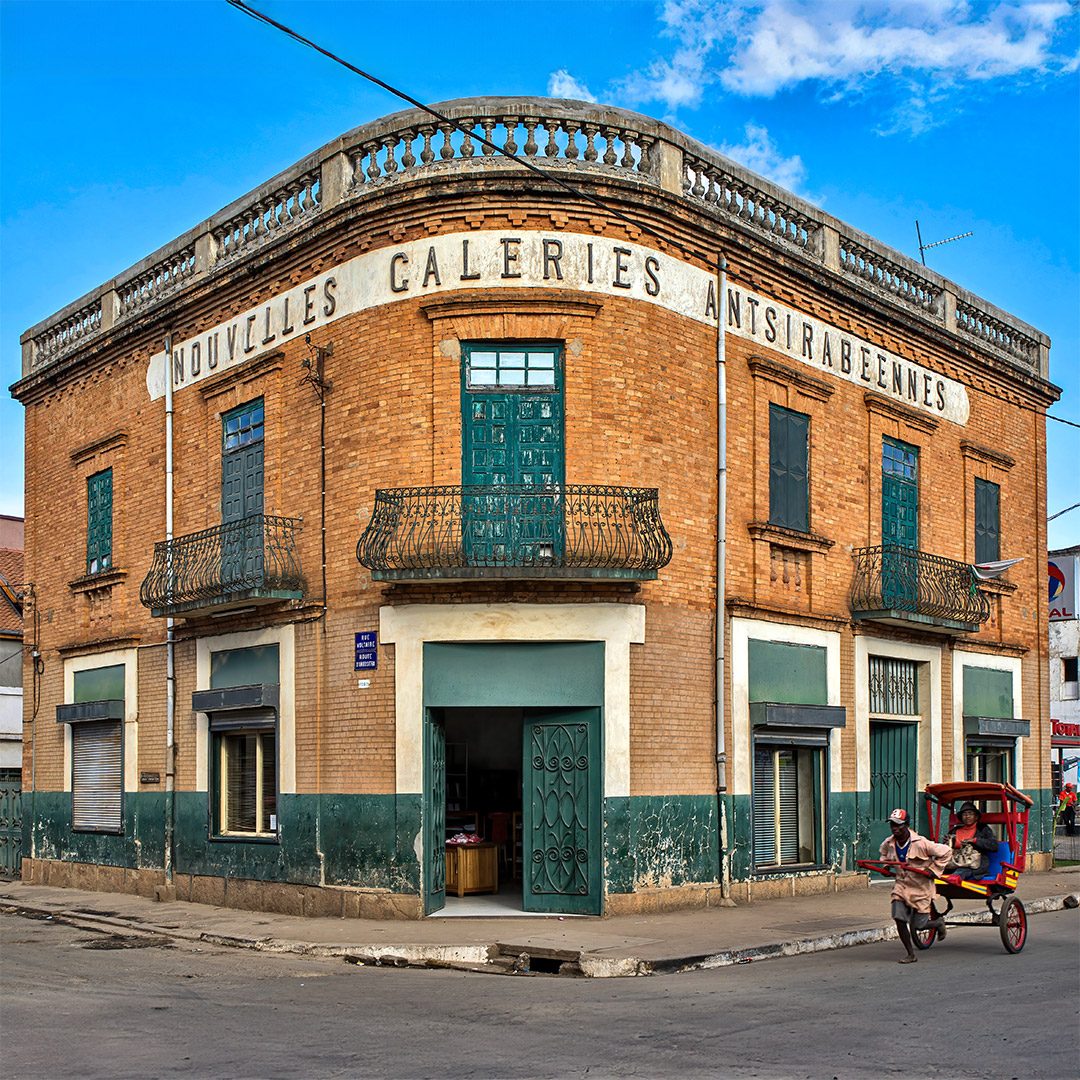
The cultural trip to Madagascar will continue to Antsirabe, located in the heart of the Malagasy Highlands. During the journey, we will pass through landscapes of terraced rice fields and rural communities that reflect the importance of agriculture in this region. Once in the city, we will explore its historic centre aboard traditional pousse-pousse rickshaws. In addition, we will visit markets, railway stations and buildings linked to the French colonial period. We will also discover iconic landmarks such as the Cathedral of Notre Dame de la Salette and the historic Hôtel des Thermes. In this way, this stage of the cultural trip to Madagascar will reveal one of the country’s most distinctive cities.


Zafimaniry Country: woodcarving and cultural heritage
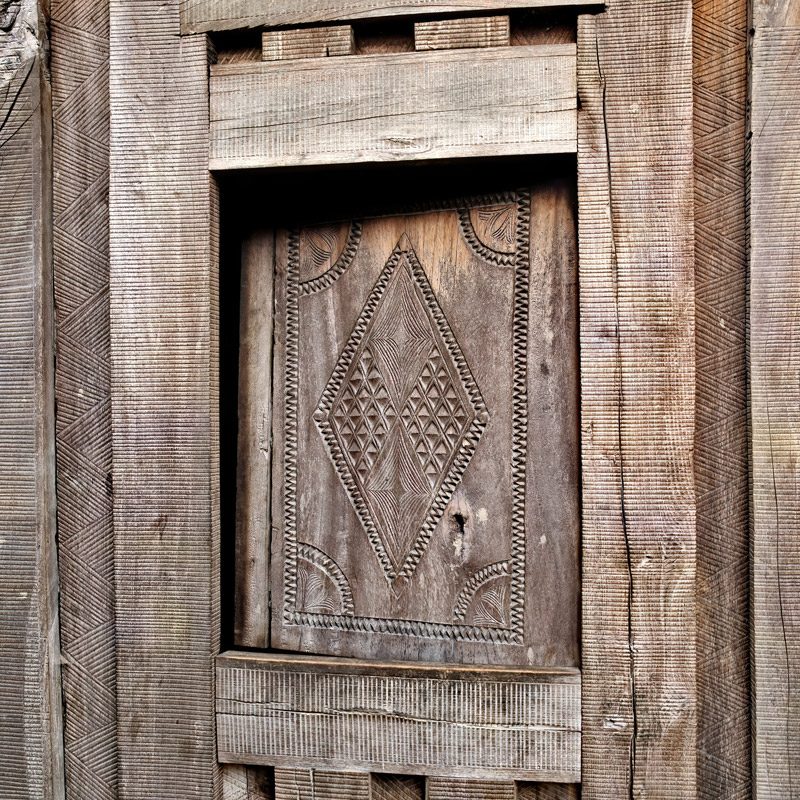
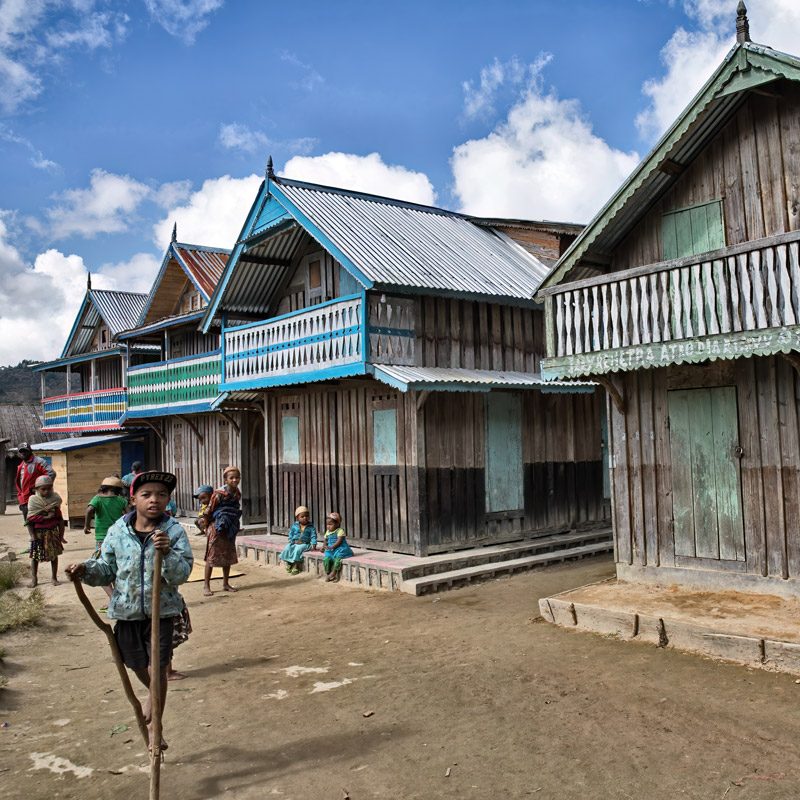
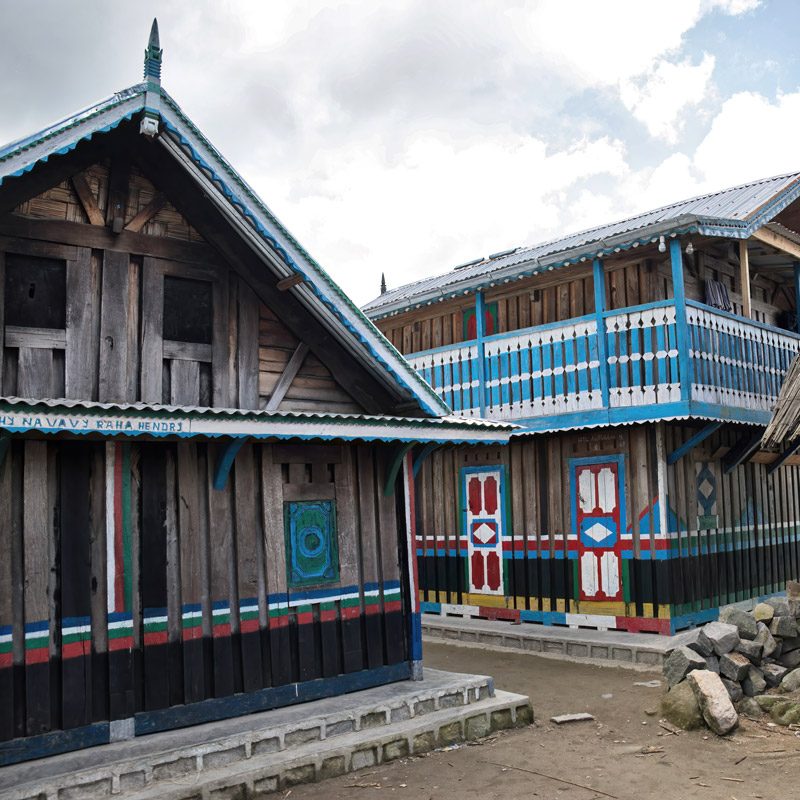
One of the highlights of the cultural trip to Madagascar will be our visit to Zafimaniry country. We will travel to Antoetra, the gateway to the territory of this Highlands community. We will hike through mountains and valleys to reach traditional villages. In addition, we will gain first-hand insight into Zafimaniry daily life and their remarkable craft traditions. Their exceptional woodcarving skills were recognised by UNESCO as an Intangible Cultural Heritage of Humanity. Also, we will visit woodworking and marquetry workshops, where we will discover techniques passed down through generations. Thus, this stage of the cultural trip to Madagascar will illustrate the close relationship between cultural identity, craftsmanship and territory.
Journey through southern Madagascar: Historic towns and changing landscapes
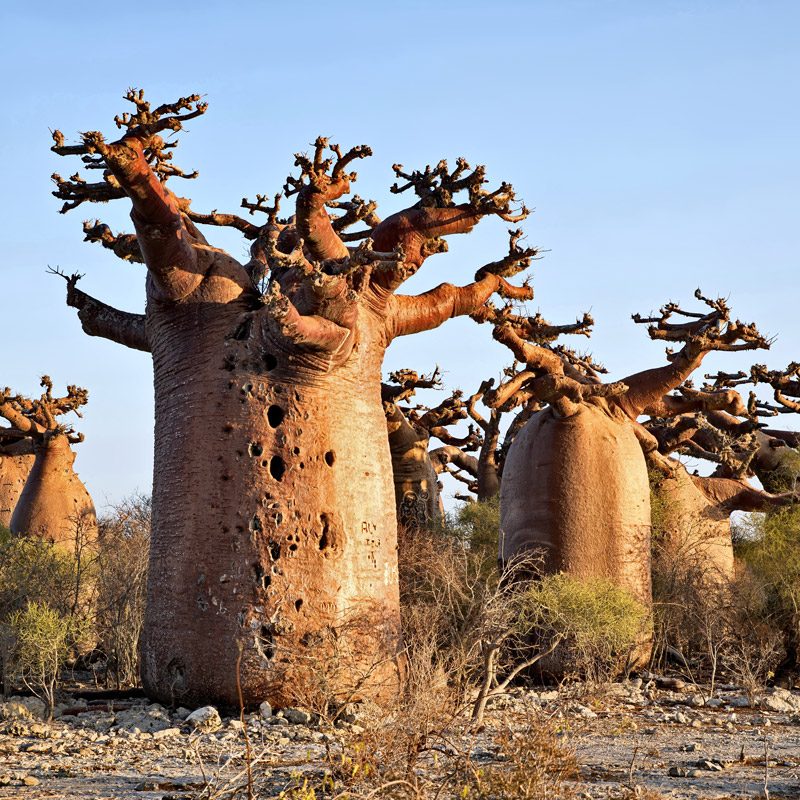
The cultural trip to Madagascar will take us through some of the island’s most varied landscapes. Along this route, we will visit Fianarantsoa, one of the most important historic towns in the interior, where we will stroll through its old quarter and enjoy panoramic views from the Haute Ville. Later, we will arrive in Ambalavao, a town known for its lively market and traditional Antemoro paper-making. Moreover, as we travel southwards, we will witness how the Highlands gradually give way to savannahs, arid regions and vast open horizons. During this journey, we will also admire the famous Mahafaly tombs, decorated with sculptures and zebu horns. Furthermore, we will stop to observe the first baobabs of southern Madagascar and visit iconic sites such as the Tropic of Capricorn and the Reniala Reserve. Consequently, this phase of the cultural trip to Madagascar will showcase the island’s remarkable geographical and cultural diversity.


Anjà Nature Reserve: lemurs and Betsileo heritage
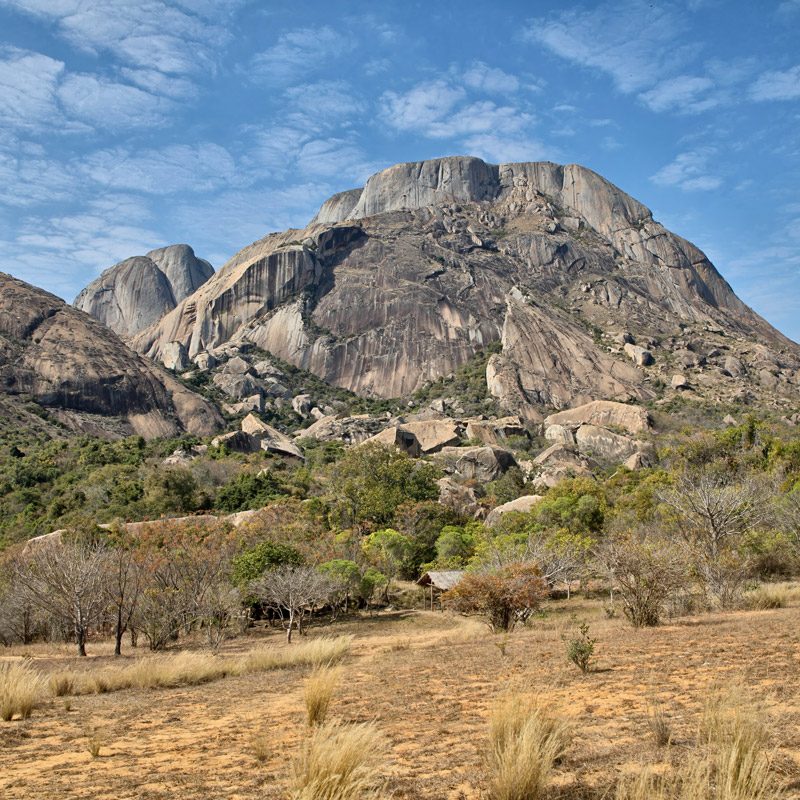
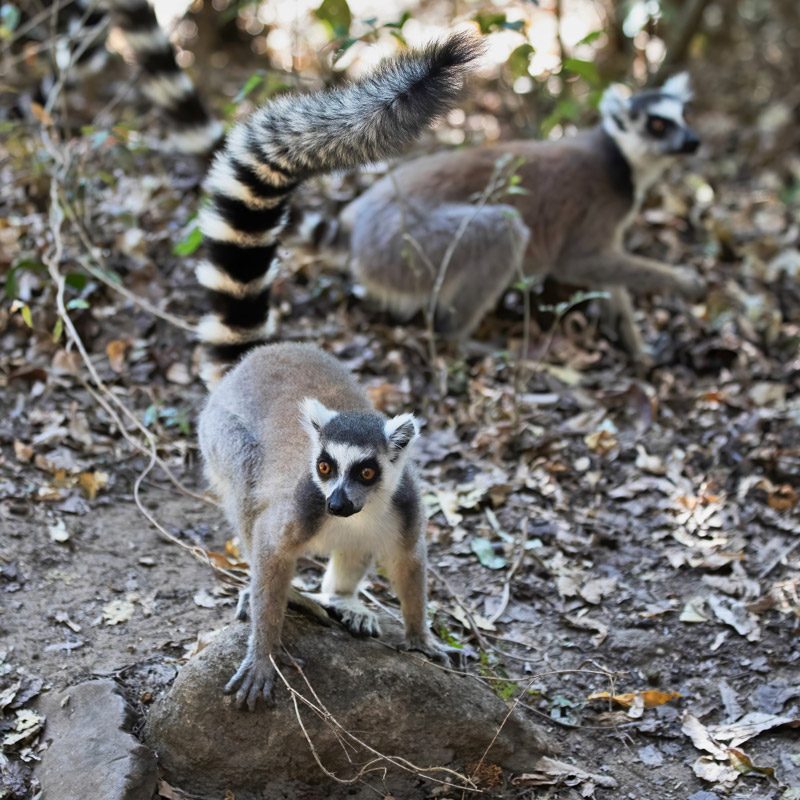
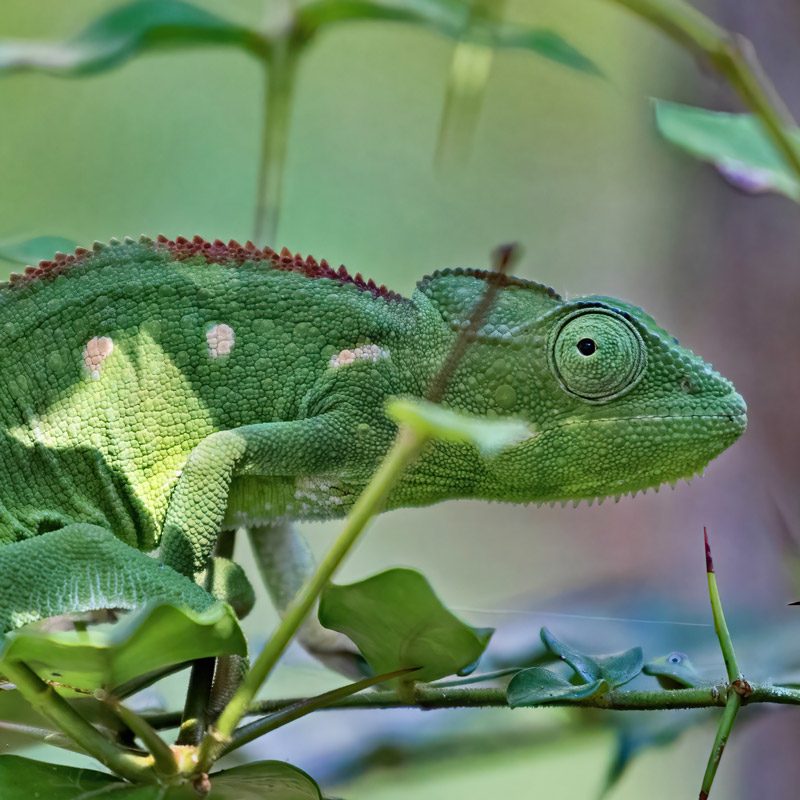
The cultural trip to Madagascar will include a visit to the Anjà Community Reserve, one of the country’s best locations for observing endemic wildlife. We will enjoy a walk through rocky landscapes and vegetation characteristic of southern Madagascar. In addition, we will have the opportunity to observe ring-tailed lemurs in the wild, as well as chameleons and other native species. We will also discover the traditional South Betsileo tombs integrated into the reserve’s landscape. In this way, this visit will combine nature, heritage and local traditions.
Isalo National Park: canyons, lemurs and Bara culture
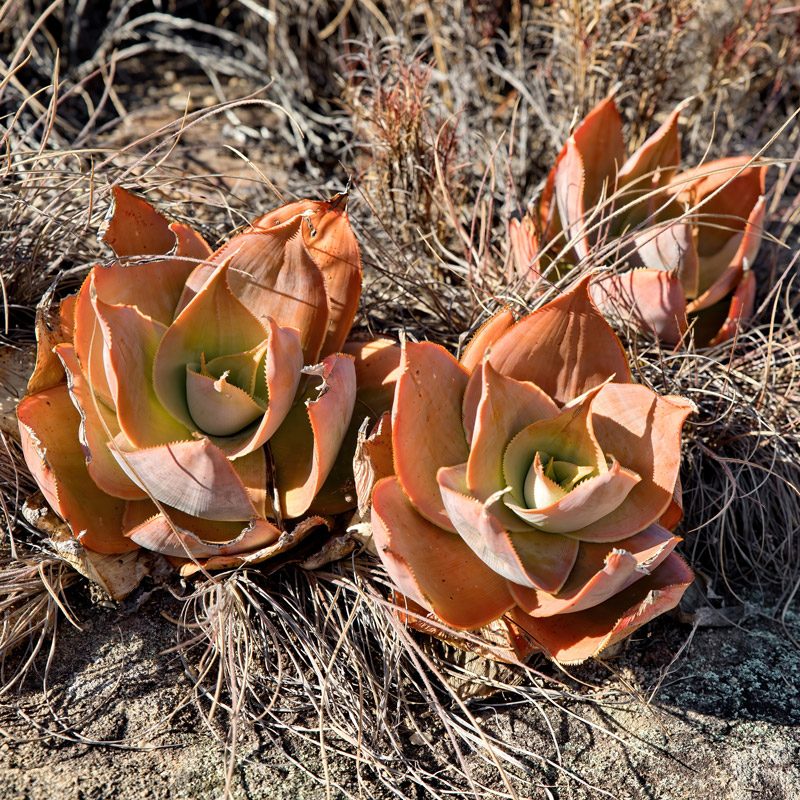
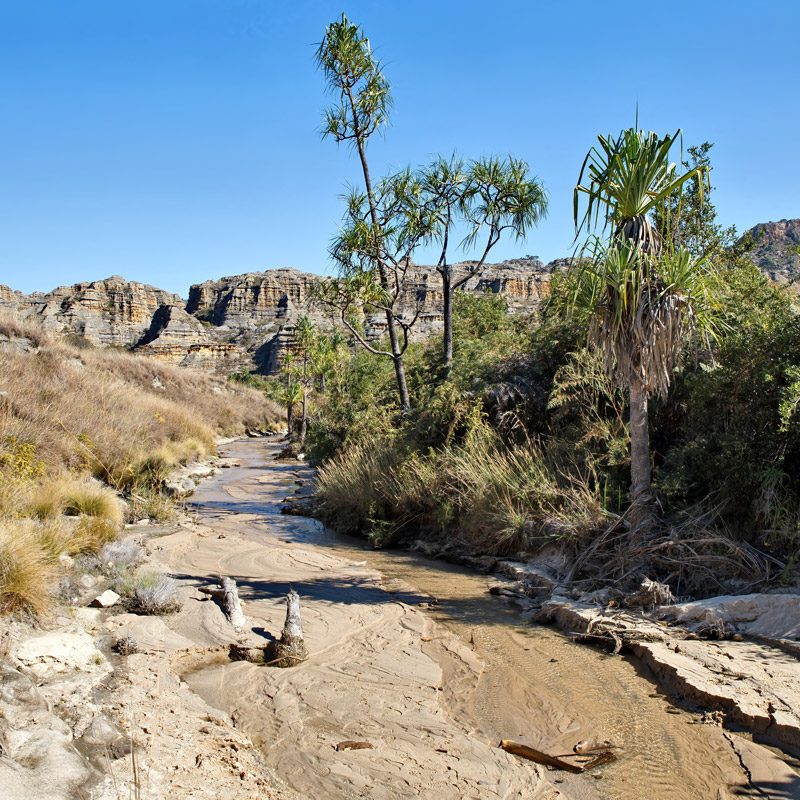
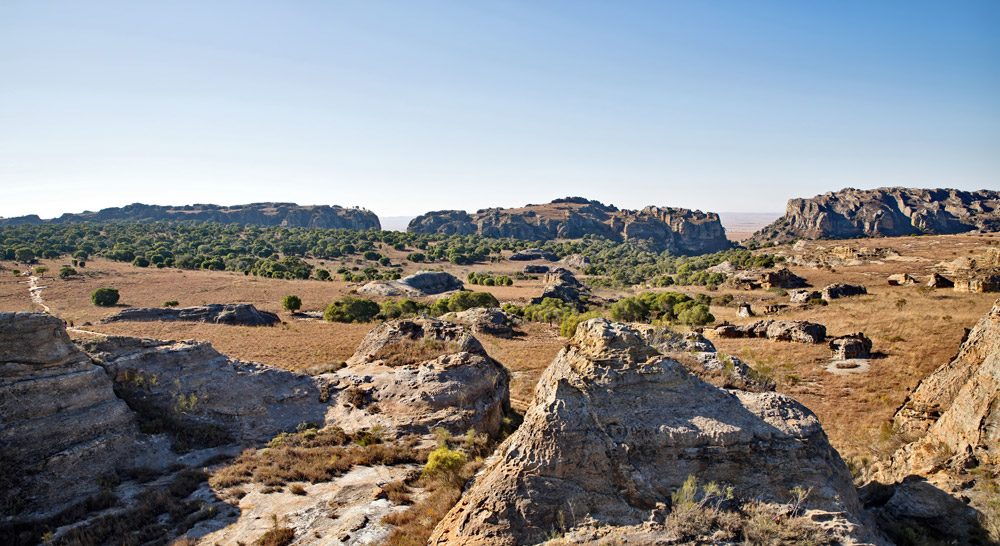
The cultural trip to Madagascar will continue in Isalo National Park, one of the country’s most spectacular natural areas. We will explore deep canyons, natural pools and trails crossing landscapes shaped by millions of years of erosion. We will visit iconic sites such as Namaza Canyon, the Blue Pool, the Black Pool and the Nymphs’ Waterfall. In addition, we will observe a wide variety of endemic plant species, including the Bismarckia nobilis palm, aloes and pachypodiums. Also, we will have the opportunity to spot several species of lemur and learn about the historical presence of tombs and shelters used for centuries. Furthermore, we will visit Bara communities to gain insight into the traditions of this semi-nomadic pastoral people. Therefore, this stage of the cultural trip to Madagascar will combine nature, history and ethnography.
Vezo maritime culture and traditional sailing
One of the most memorable moments of the cultural trip to Madagascar will be our encounter with the Vezo people. We will sail aboard traditional lateen-rigged boats known as lakana vezo alongside local fishermen. During the voyage, we will explore the coral reef of south-western Madagascar, designated a UNESCO Biosphere Reserve. In addition, we will observe traditional fishing techniques that remain fundamental to the local economy. Upon returning to Ambohimailaka, we will visit the village and witness the fishermen returning to shore. Thus, this experience will provide insight into the close relationship between the Vezo people, the sea and coastal resources.
Encounter with the Mikea People: hunter-gatherers of the spiny forest
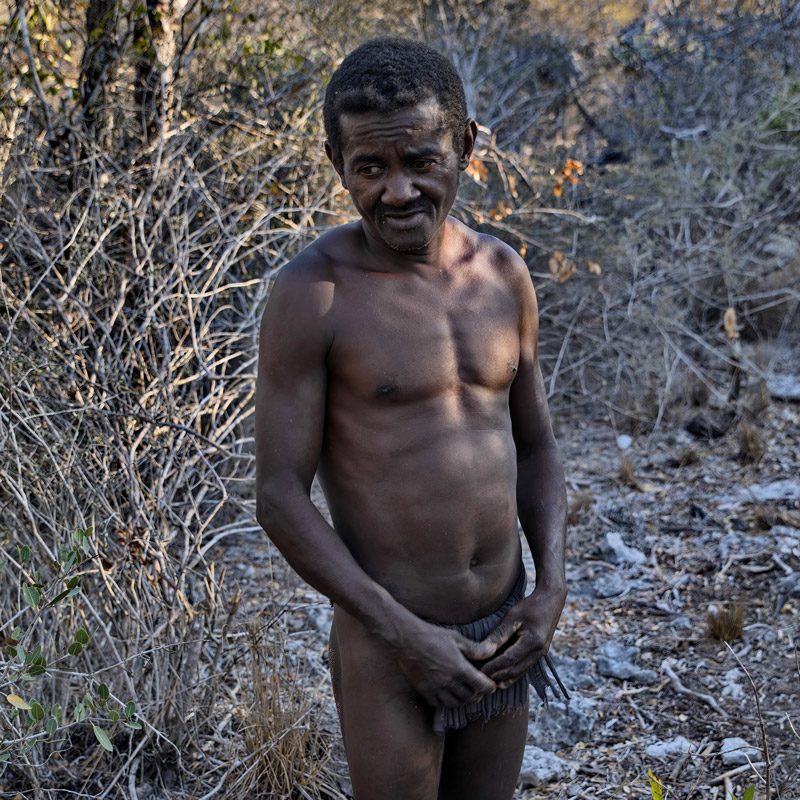
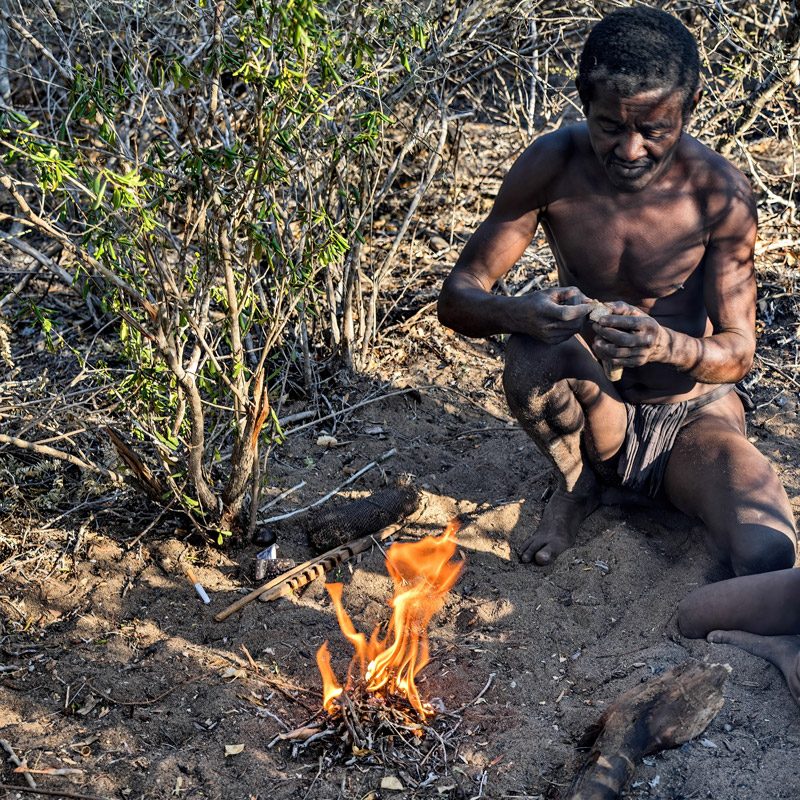
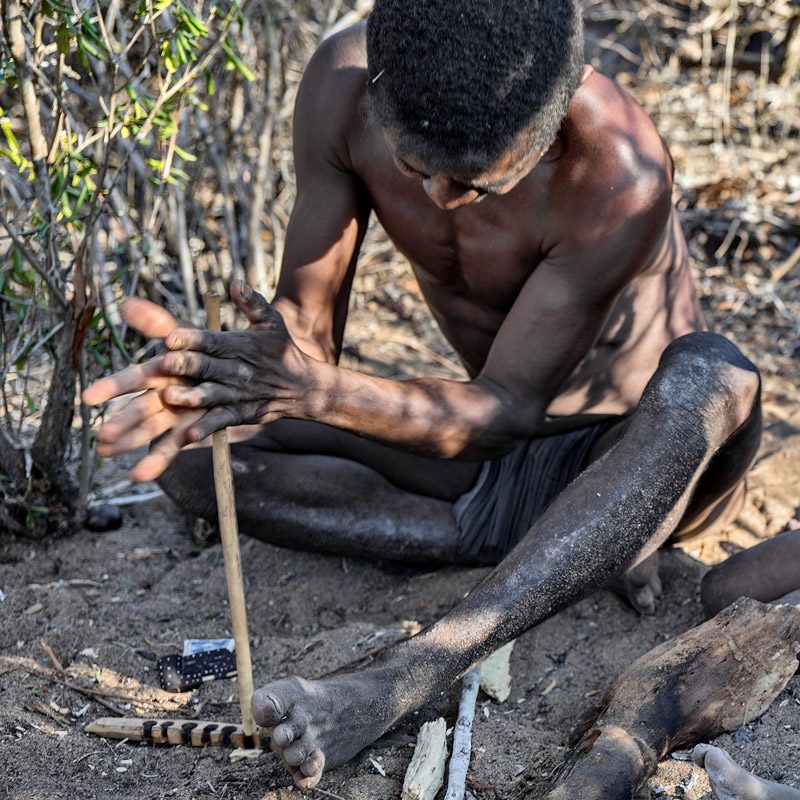
The cultural trip to Madagascar will conclude with one of the most fascinating anthropological experiences of the itinerary: an encounter with the Mikea people. We will venture into the spiny forest of the south-west to visit some of their settlements. The Mikea are known for maintaining lifestyles traditionally linked to hunting, gathering and nomadism. In addition, we will discover how they adapt to one of Madagascar’s most unique ecosystems. Also, we will spend time with local communities to learn about their customs and their relationship with the natural environment. As a result, this final stage of the cultural trip to Madagascar will offer a privileged insight into one of the island’s most fascinating and least-known cultures.
A cultural trip to Madagascar between nature, heritage and human diversity
Overall, the cultural trip to Madagascar offers a comprehensive immersion into some of the most fascinating landscapes and cultures of the Indian Ocean. We will not only explore historic towns, national parks and nature reserves, but also meet communities that preserve unique traditions and ways of life deeply connected to their environment.
For this reason, this route has been designed for travellers interested in anthropology, cultural heritage, nature and authentic experiences beyond conventional tourist circuits.
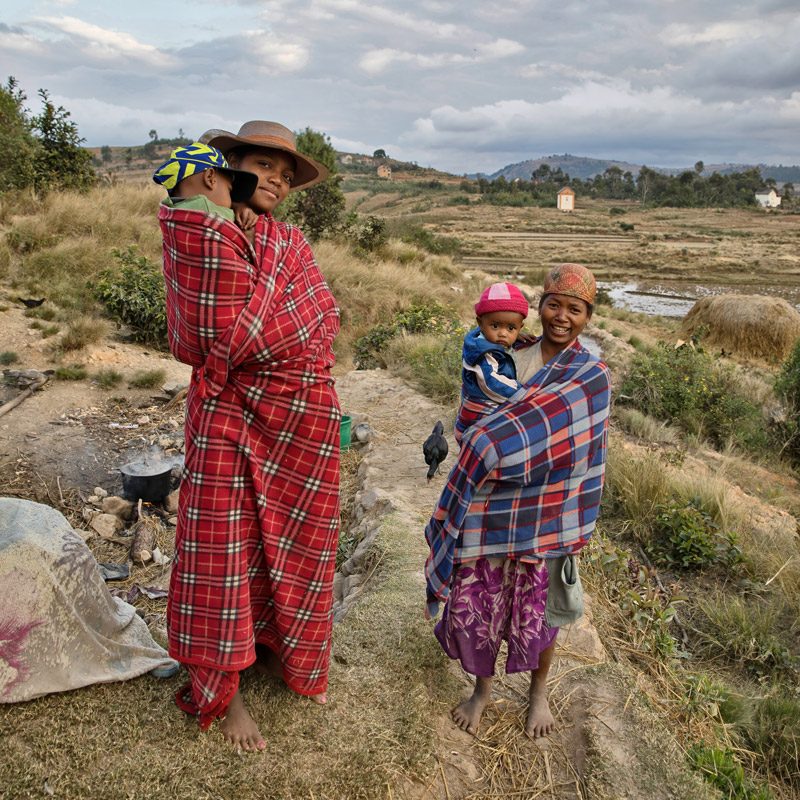
© Photos by Jordi Zaragozà Anglès taken during a cultural trip to Madagascar.
► Download the itinerary for this cultural trip to Madagascar
Click on the button below to easily reach the itinerary download form for this cultural trip to Madagascar.

 ES
ES

