
 Trip to Bangladesh from 9 to 19 of Nov. 2026 / From 2,730€
 Discover the highlights of this ethnographic trip to Bangladesh
Old and New Dhaka: Markets, River Ports and Urban Life
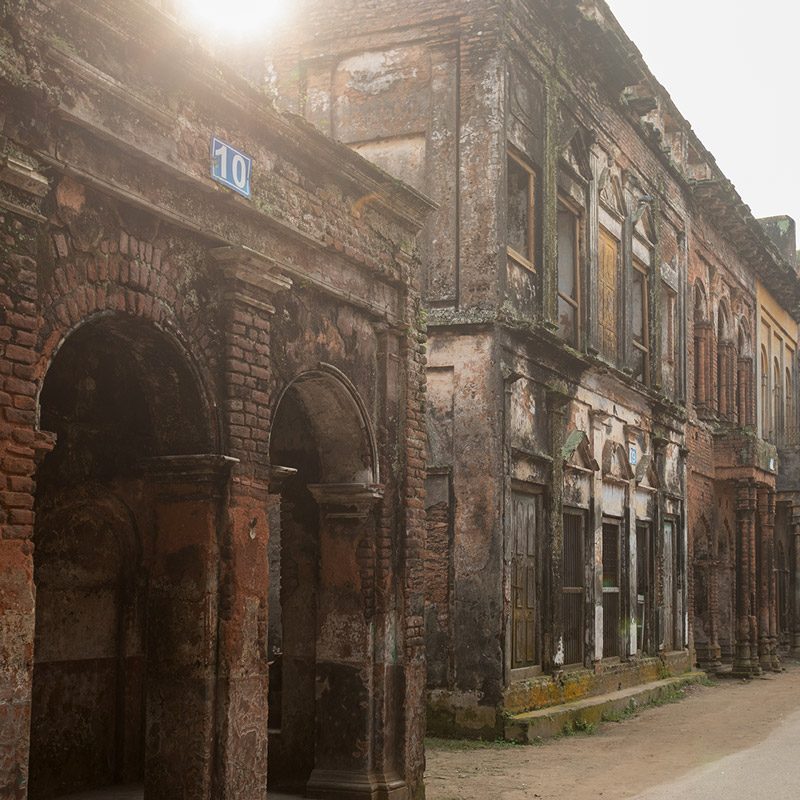
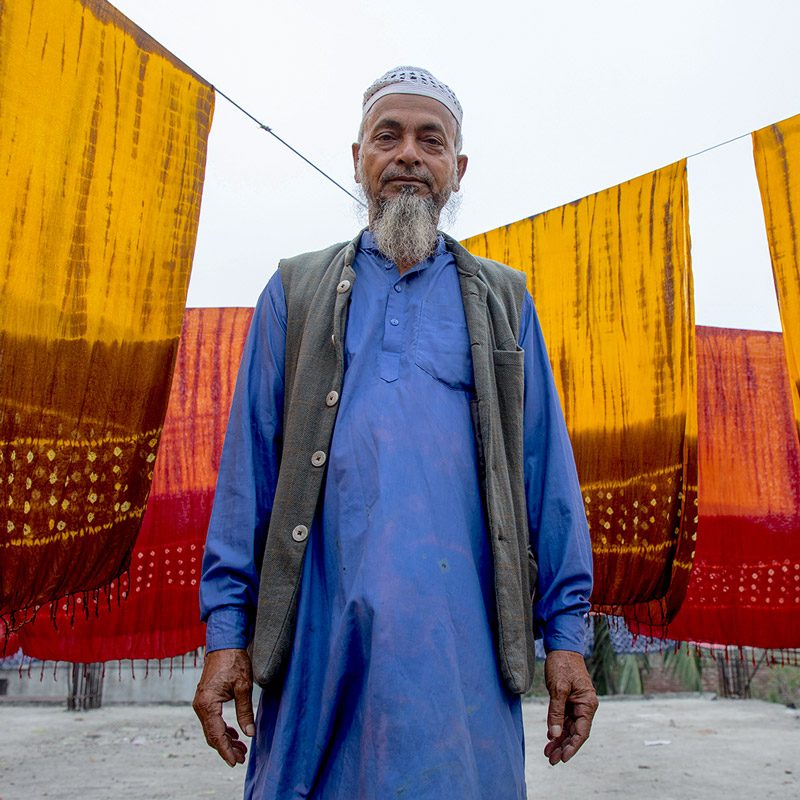
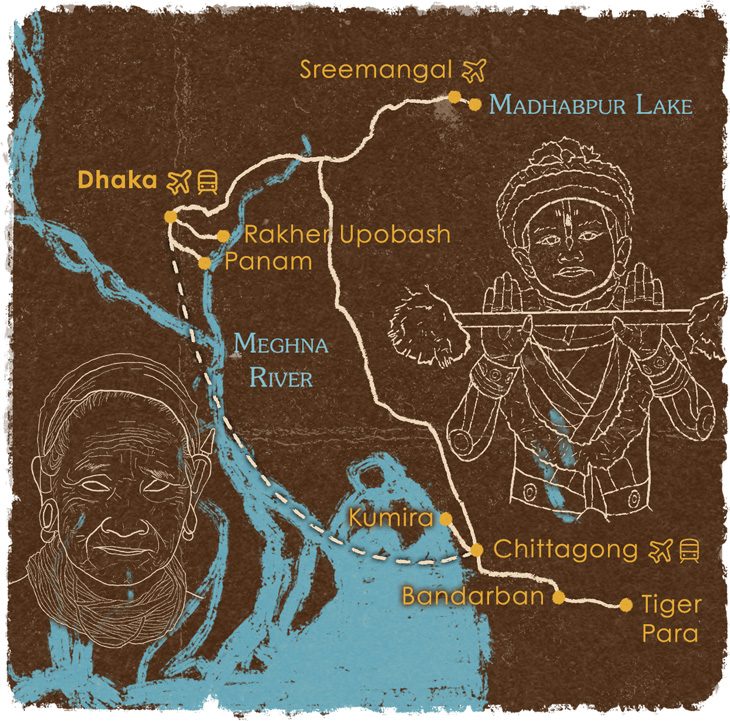
The ethnographic trip to Bangladesh will begin by exploring the contrasts between Old and New Dhaka. From the outset, we will wander through some of the most intense neighbourhoods and markets in the Bangladeshi capital. In this way, we will gain insight into the extraordinary population density and commercial vitality that define the city. We will delve into the narrow streets of Shakhari Bazar, one of the oldest quarters of Dhaka. There, we will observe everyday scenes shaped by trade, constant movement and community life. In addition, we will explore Islampur, the country’s largest textile market, where we will discover the importance of industry and commerce within the local economy. During the ethnographic trip to Bangladesh, we will also explore the area of Showarighat, located beside the Buriganga River. We will observe small boats and large vessels crossing the river while passengers and goods constantly arrive at the port. Furthermore, we will cross the river to visit small shipyards dedicated to the traditional repair of wooden boats. As a result, this stage will highlight the close relationship between the city and its waterways.
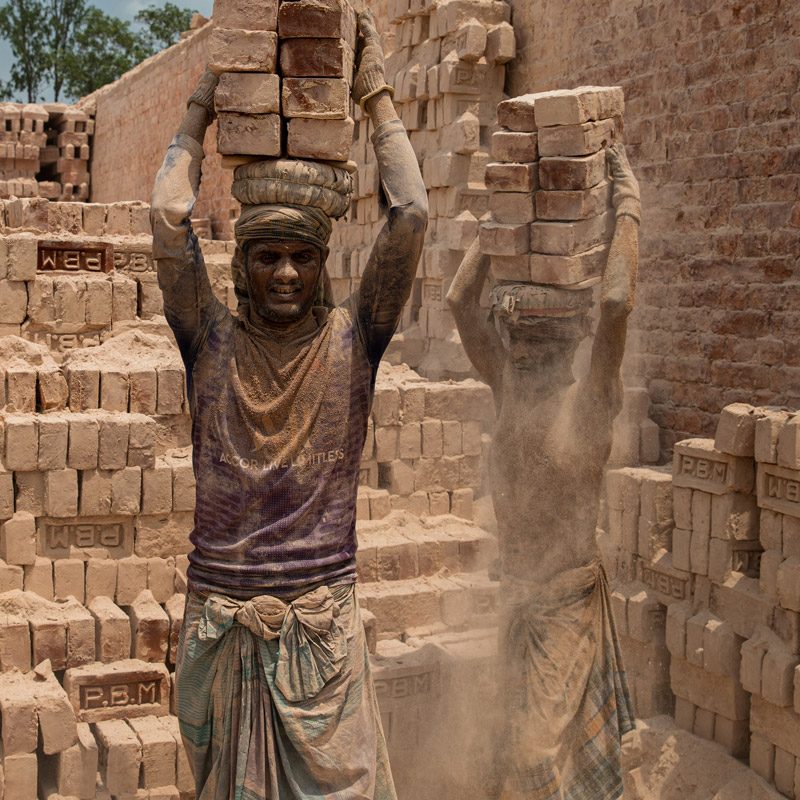
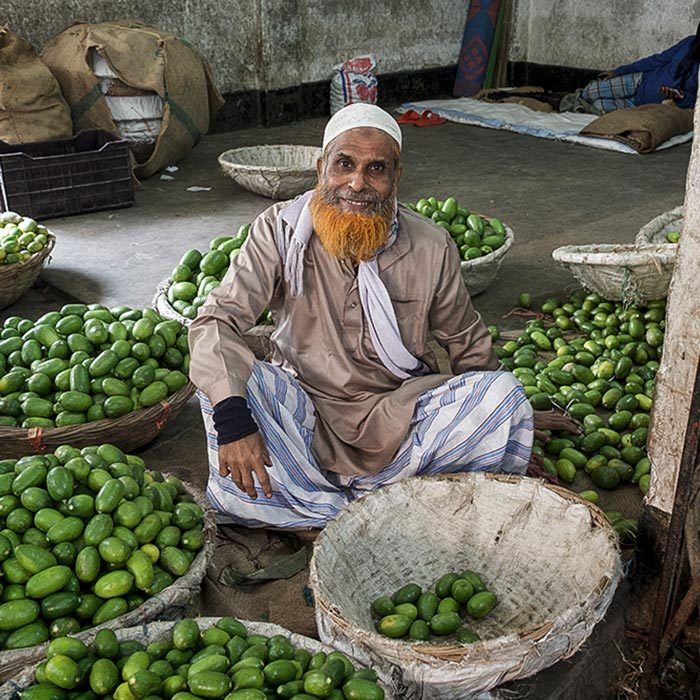
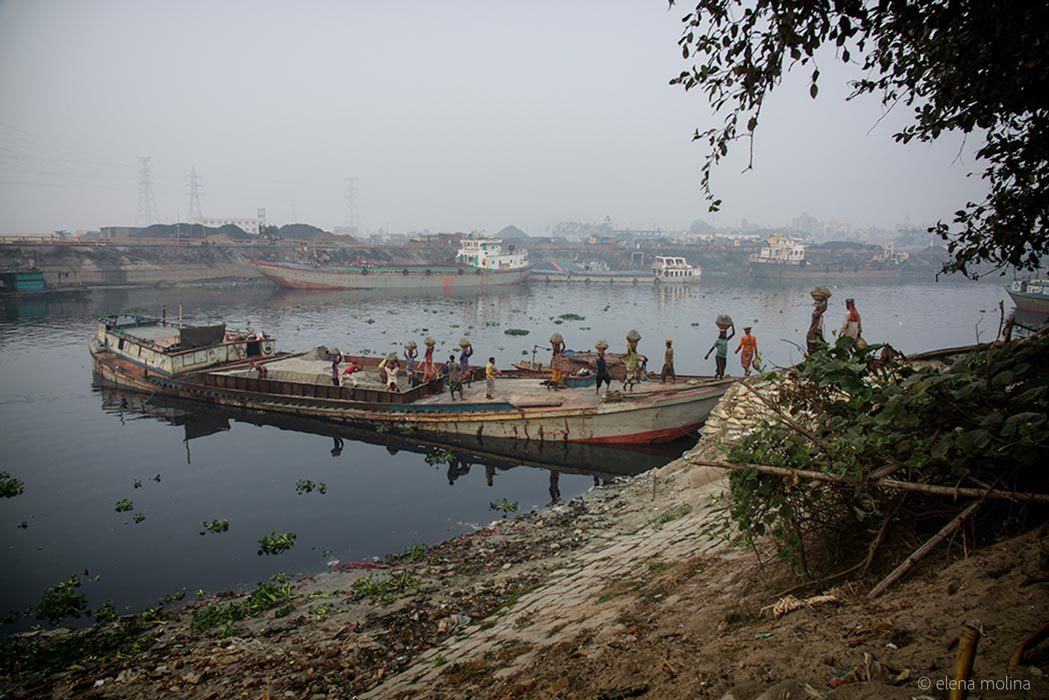
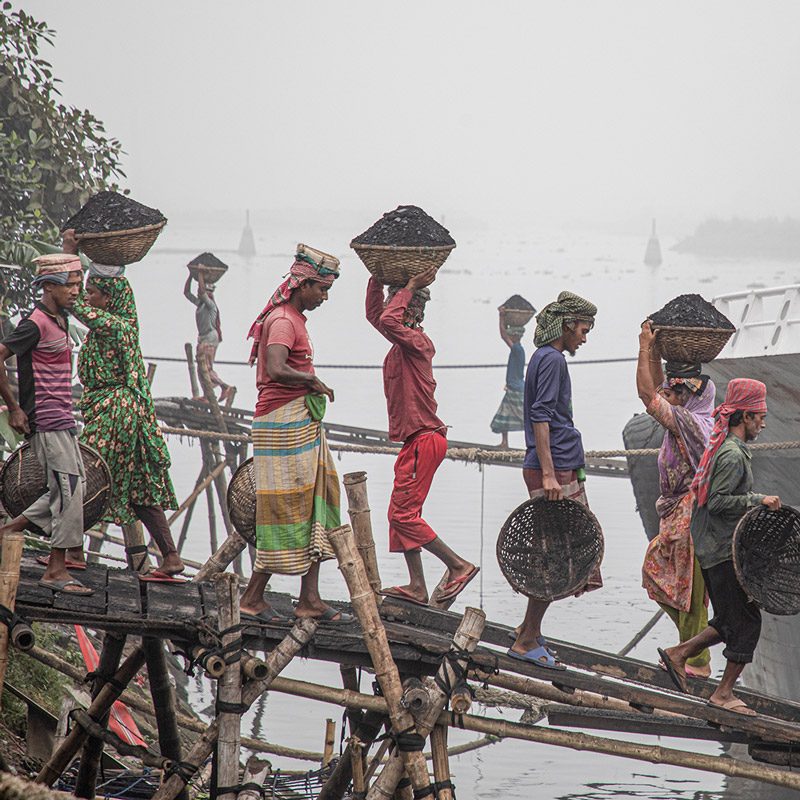
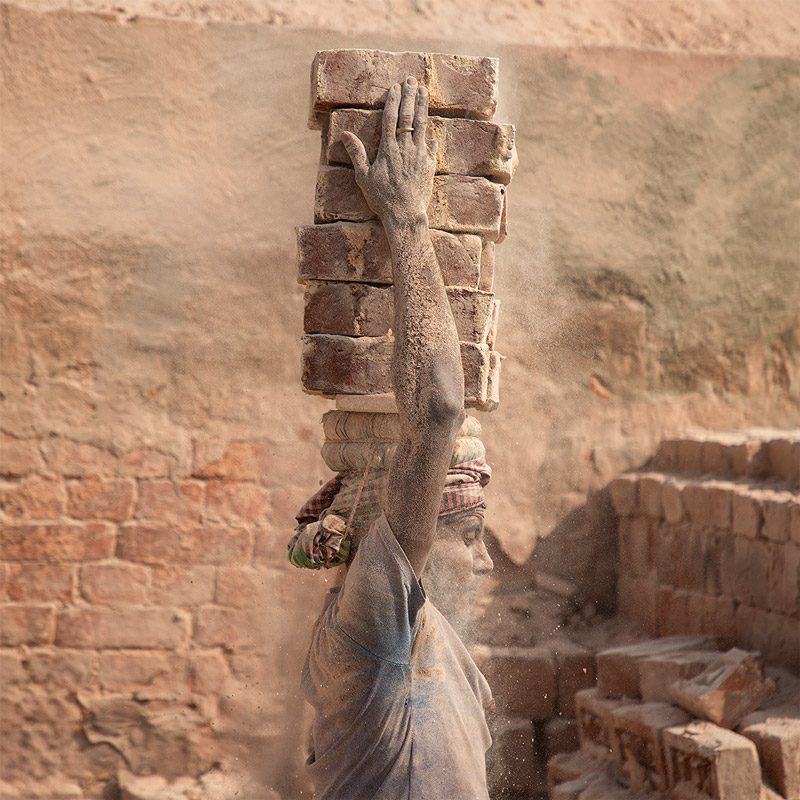
The ethnographic trip to Bangladesh will continue in New Dhaka. We will visit Kawran Bazar, the city’s largest fish and vegetable market. The train passing directly alongside the stalls creates especially dynamic urban scenes. Moreover, we will travel to Amin Bazar, where we will witness the loading and unloading of bricks, sand and coal from river boats. We will also visit Korail, one of Dhaka’s large working-class neighbourhoods. There, we will attempt to understand the living conditions and social dynamics of the contemporary capital. Therefore, this section of the ethnographic trip to Bangladesh will offer a profound insight into the urban, economic and human complexity of the country.
Rakher Upobash Festival
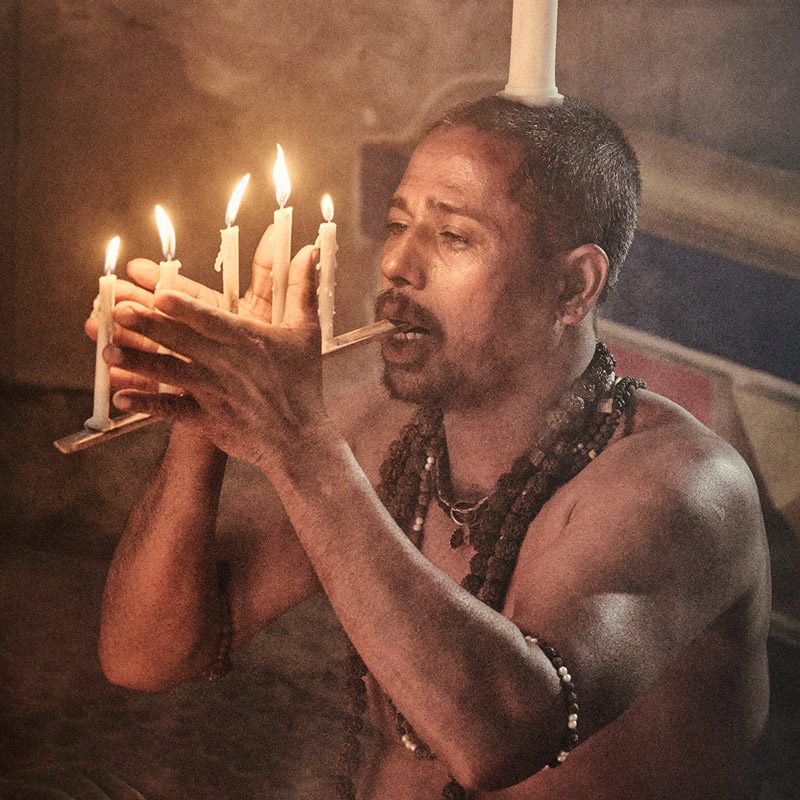
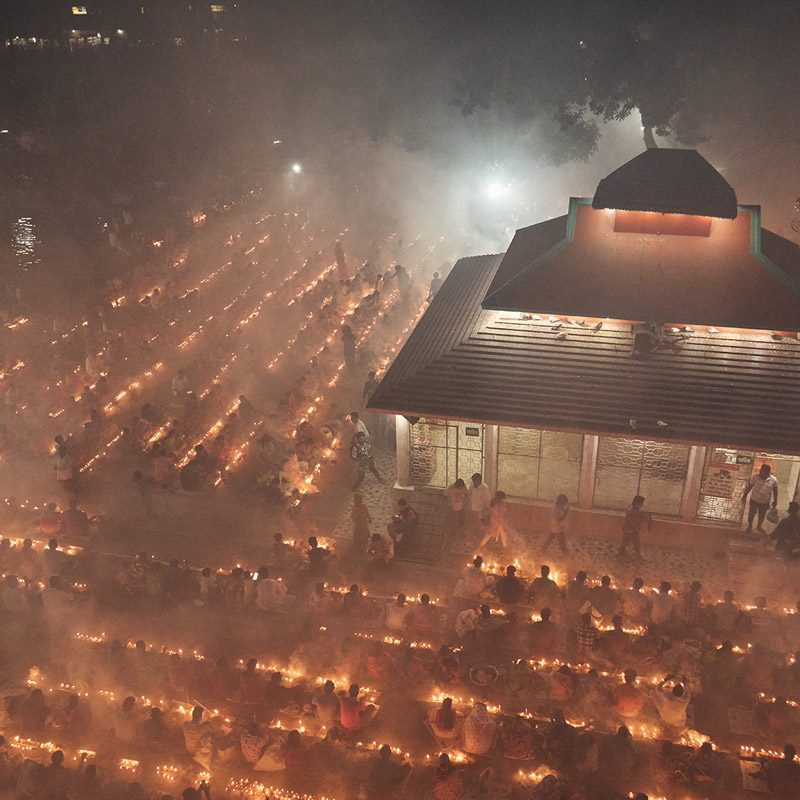
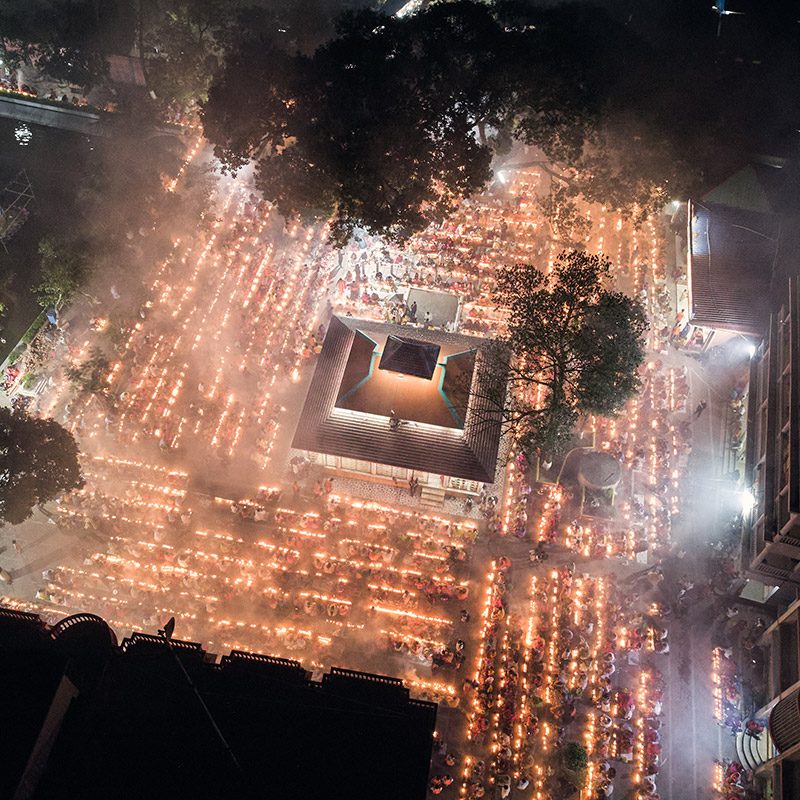
One of the most special moments of the ethnographic trip to Bangladesh will be attending the Hindu Rakher Upobash festival in Barudi. During this ceremony, we will witness religious rituals and community gatherings linked to local Hindu traditions. Furthermore, we will observe how spirituality continues to form part of the daily life of many rural communities. Thus, this stage of the ethnographic trip to Bangladesh will add a religious and ceremonial dimension to the journey.
Sreemangal: Tea Plantations and Rural Landscapes
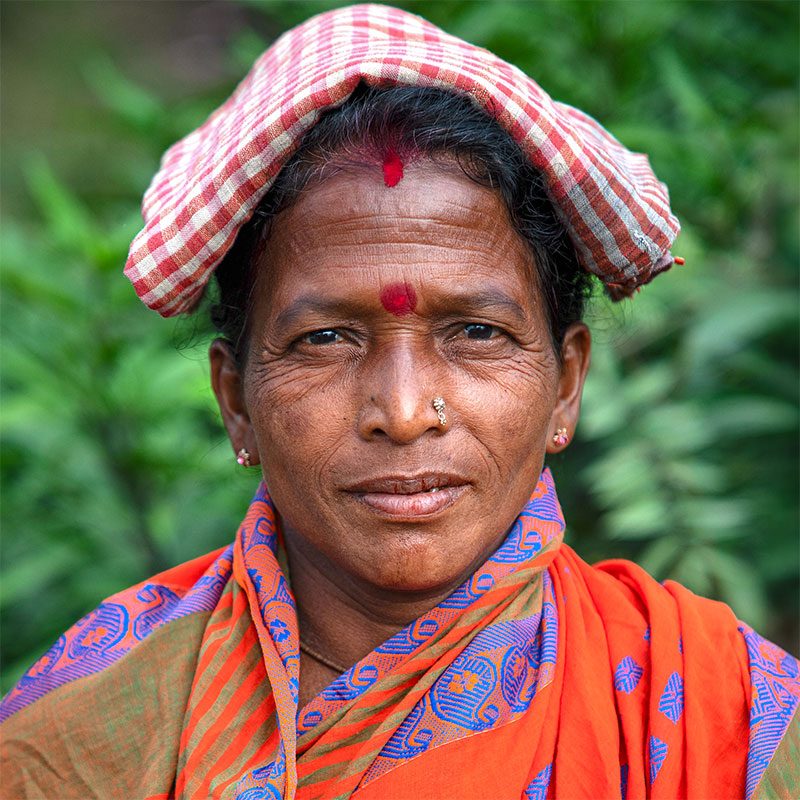
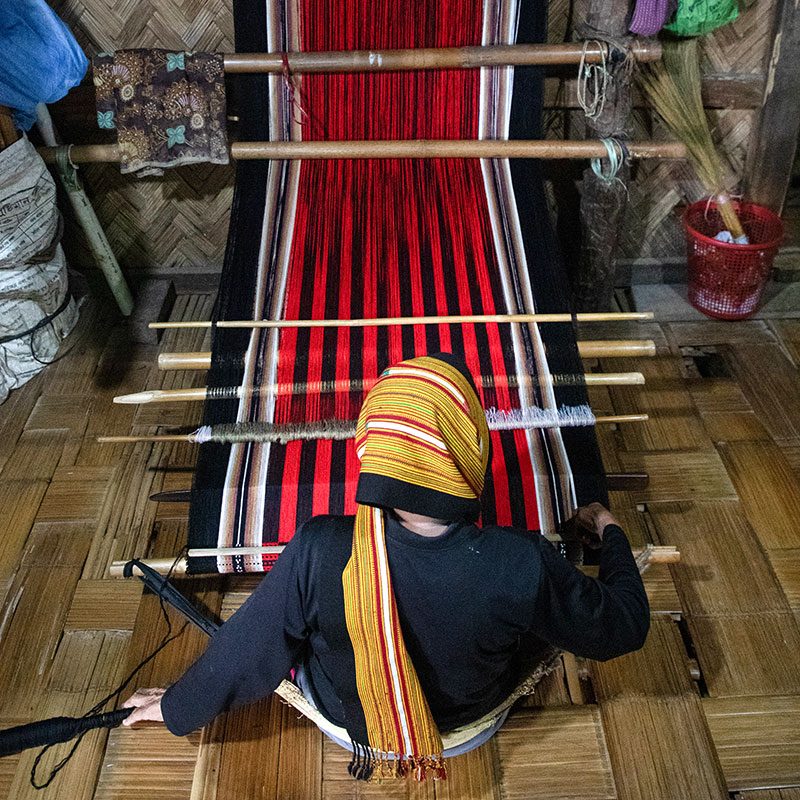
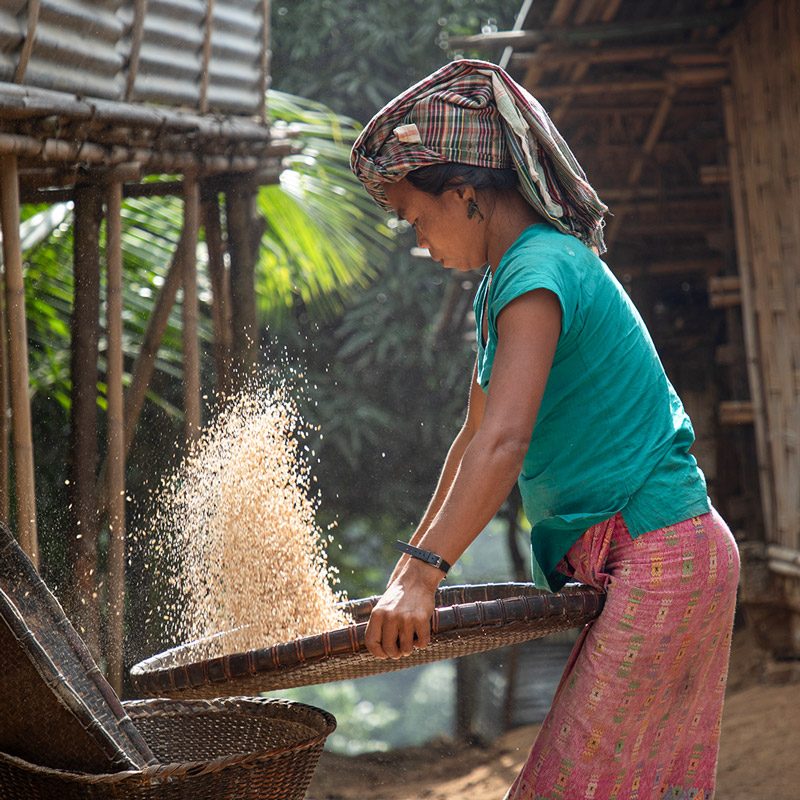
The ethnographic trip to Bangladesh will continue towards Sreemangal, one of the greenest regions in the country. This area is renowned for its extensive tea plantations and rolling landscapes. We will walk through tea gardens, rubber plantations and cultivated fields spread across the hills. In addition, we will explore pineapple and betel leaf plantations to better understand the local agricultural economy. We will also visit Manipuri villages and discover their traditional weaving techniques. We will spend time with local inhabitants to gain insight into their daily life and cultural expressions. Therefore, this stage of the ethnographic trip to Bangladesh will combine landscapes, agriculture and ethnic diversity.


Raas Festival
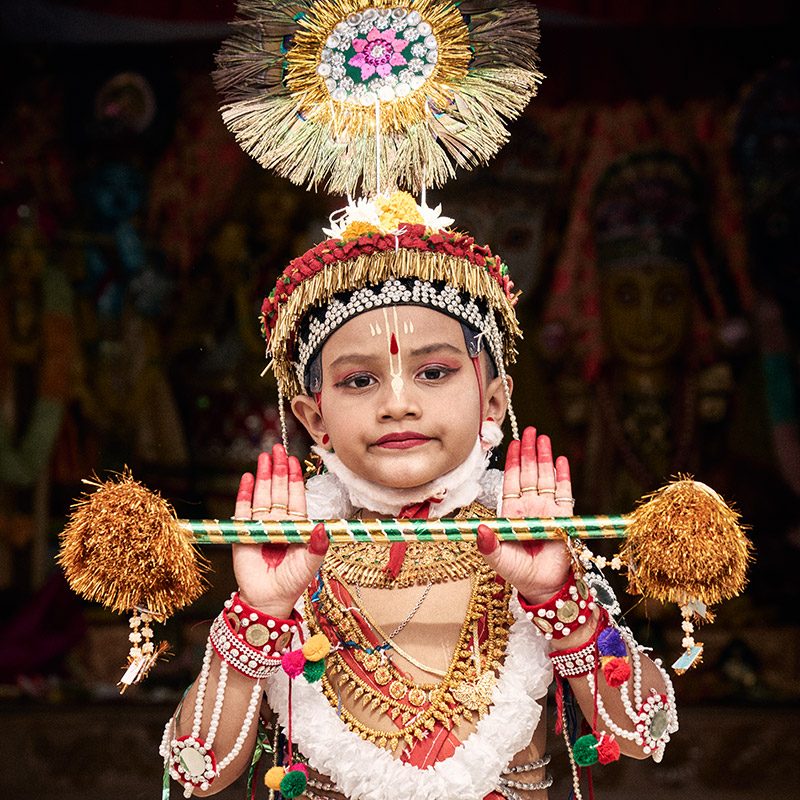
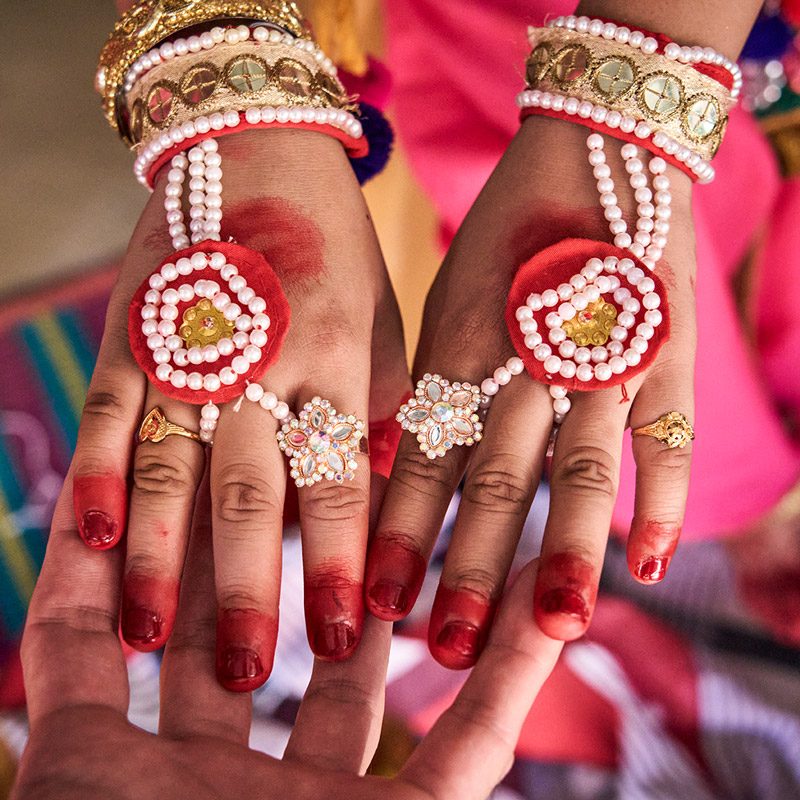
During the ethnographic trip to Bangladesh, we may have the opportunity to attend the Raas festival in a Tripura village near Sreemangal. This celebration is one of the most important cultural events for the Hindu communities of the region. In addition, we will witness dances, rituals and communal gatherings connected to Tripura traditions. As a result, this experience will offer deeper insight into the ceremonial and cultural dimension of local ethnic minorities.
Alternative Option: Lawachara Forest
If the itinerary does not coincide with the Raas festival, the ethnographic trip to Bangladesh will include a visit to Lawachara Forest. We will explore this tropical environment, characterised by its biodiversity and forest trails. In this way, this stage will provide a contrast between nature, rural communities and the jungle landscapes of the country’s north-east.Chittagong: Trade and Industrial Landscapes
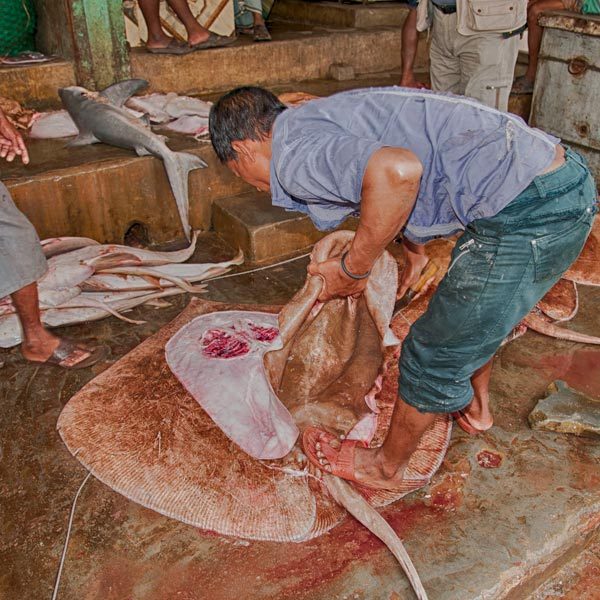
The ethnographic trip to Bangladesh will also take us to Chittagong, the country’s main seaport. The train journey from Dhaka will allow us to observe rural landscapes and everyday scenes across Bangladesh. In Chittagong, we will visit the fish market and the boat terminal. Moreover, we will travel to Kumira to observe one of the world’s largest ship-breaking yards. We will take a boat trip near the shipyards to observe maritime activity and the dismantling of large vessels. Consequently, this phase of the ethnographic trip to Bangladesh will reveal the country’s industrial and portside dimension.
Bandarban: Nature and Ethnic Diversity
The ethnographic trip to Bangladesh will continue towards Bandarban, a mountainous region located in the south-east of the country. From the outset, we will travel through landscapes of hills, viewpoints and indigenous villages. We will visit Nilachal, one of the region’s best-known viewpoints, from where we will admire the mountains and clouds covering the landscape. In addition, we will explore Love Point and several villages located in the Chimbuk hills. Likewise, we will walk through Bandarban town and visit a Buddhist temple. We will also discover the Meghla hanging bridge and several tribal commercial areas. Thus, this stage of the ethnographic trip to Bangladesh will provide insight into the cultural and geographical diversity of the country’s south-east.


Ethnic Minorities and Traditional Ways of Life
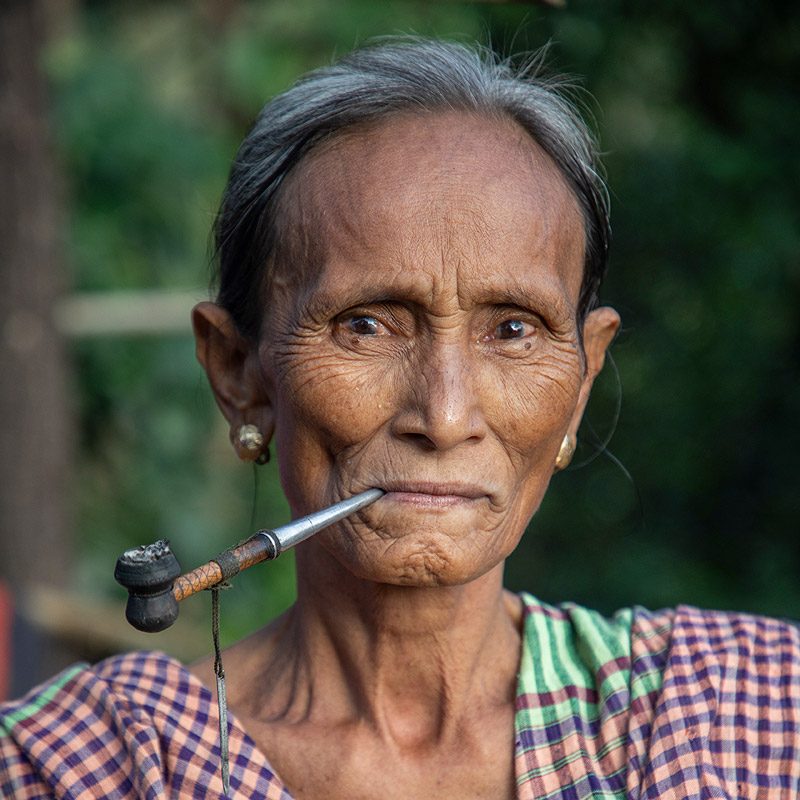
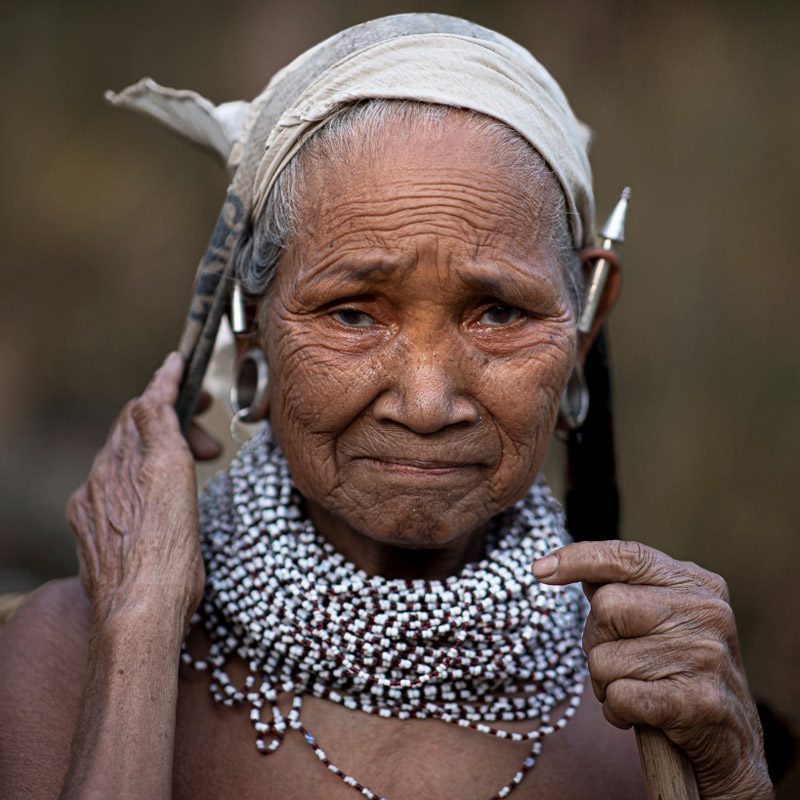
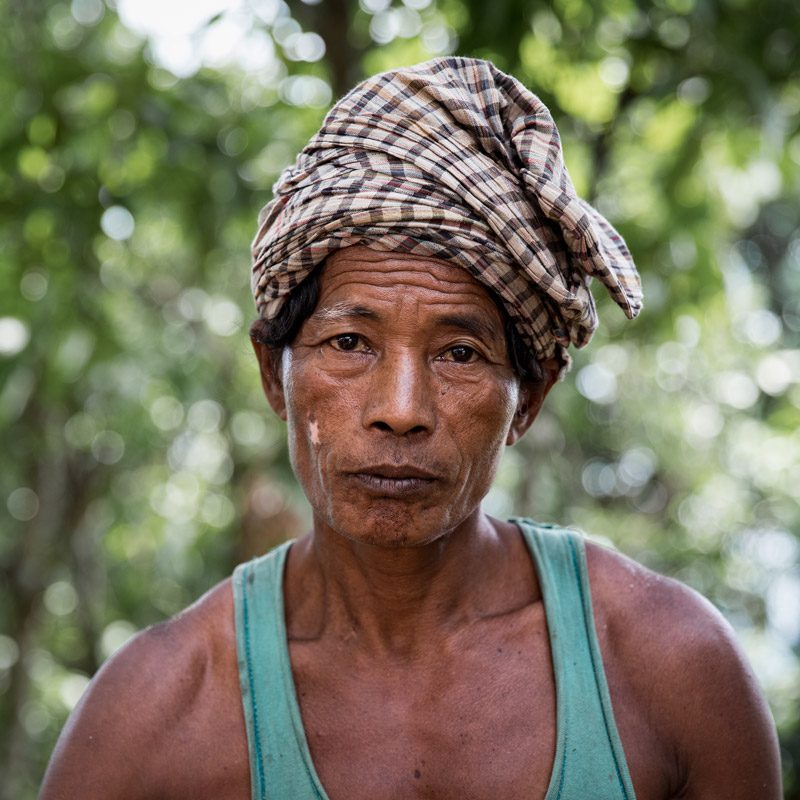
One of the central themes of the ethnographic trip to Bangladesh will be encounters with different indigenous communities. Throughout the journey, we will visit Manipuri, Tripura, Murong and Bawm villages, among others. We will spend time with local inhabitants to learn about their lifestyles, social structures and cultural traditions. In addition, we will discover weaving techniques, agricultural practices and forms of community organisation. During the journey, we may also attend tribal music and dance performances organised by local communities. In this way, the itinerary will offer a profound immersion into the country’s ethnic diversity.
An Ethnographic Trip to Bangladesh Through Rivers, Festivals and Tribal Cultures
Overall, the ethnographic trip to Bangladesh offers a complete immersion into one of the most culturally diverse contexts in South Asia. We will not only travel through cities, ports and rural landscapes. We will also gain insight into religious traditions, community systems and ways of life linked to rivers and mountains. For this reason, this route is designed for travellers interested in anthropology, photography, ethnic minorities and authentic cultural experiences.
© Photos by Aníbal Bueno, Héctor Ruiz Golobart, Edith Scharffenberg and Xavi de las Heras taken during a trip to Bangladesh.
► Download the itinerary for this ethnographic trip to Bangladesh
Click the button below to easily access the download form for this trip's itinerary.



 ES
ES

