
 Tribal trip to Benin from 7 to 15 January 2027 / From 2,100€
 Discover the highlights of this tribal trip to Benin
Southern Benin: markets, waterways and Afro-Brazilian heritage
Cotonou: gateway to Benin
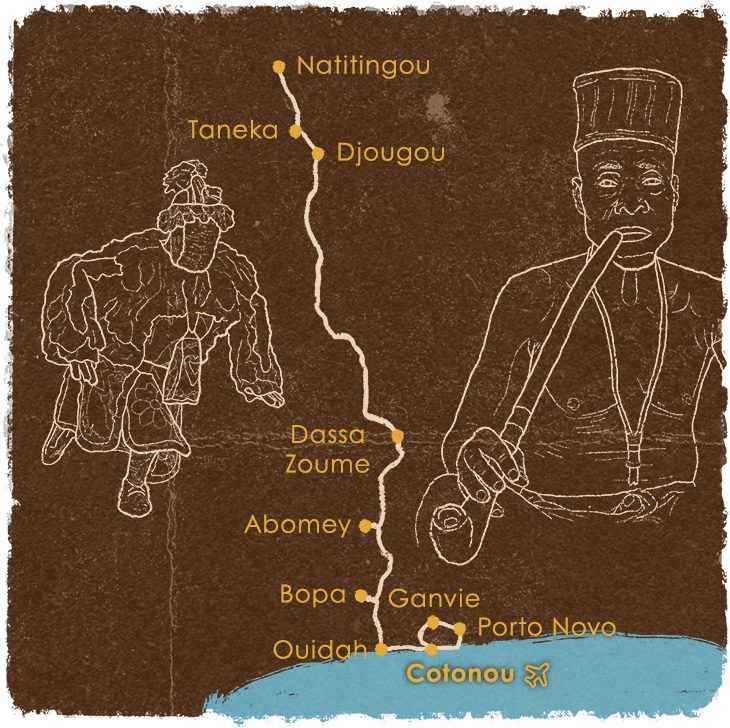
The tribal trip to Benin will begin in Cotonou, the country’s economic capital and main international gateway. From the outset, we will come into contact with the urban vitality of West Africa. In addition, this first stage will establish the historical and cultural context of the journey.Calavi and Ganvié: lake life on Lake Nokoué
During the tribal trip to Benin, we will travel to the port of Calavi, located beside Lake Nokoué. From there, we will sail to Ganvié, one of the most remarkable lake cities on the continent. Known as the African Venice, Ganvié rises above the water and maintains a way of life deeply connected to the lake. We will observe floating markets, canoe transport and daily activities. Thus, this stage will help us understand human adaptation to an aquatic environment.

Porto Novo: Afro-Brazilian heritage and political capital
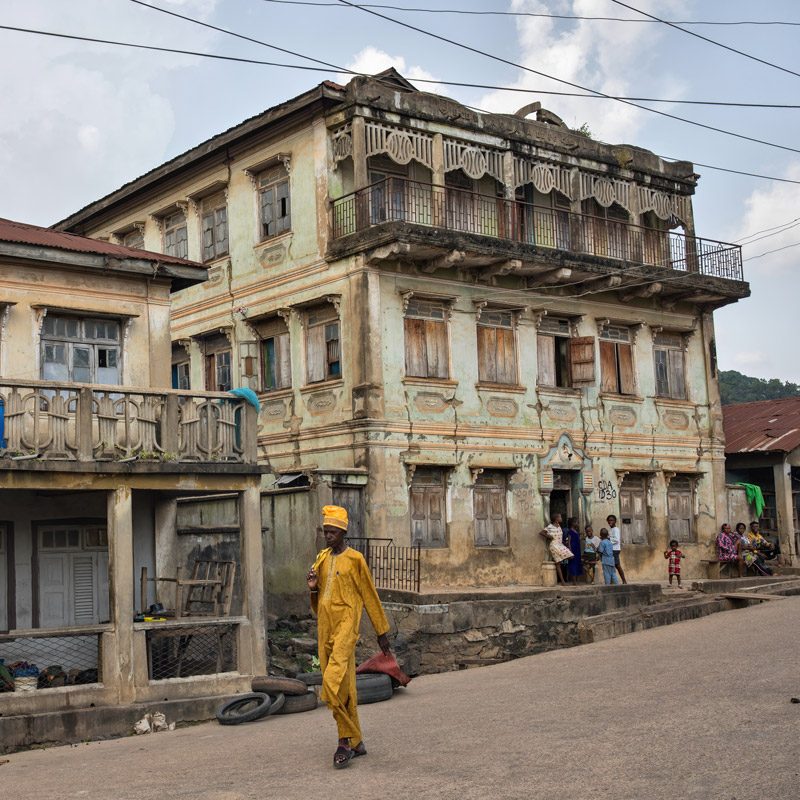
The tribal trip to Benin will continue in Porto Novo, the political capital of the country. We will explore its central market and historic Afro-Brazilian quarter. We will also visit the great central mosque and old family houses. Therefore, we will discover a city where African, colonial and Atlantic influences converge. This visit will add an urban and heritage dimension to the journey.

Spiritual Benin: immersion in the Voodoo universe
Voodoo festival in Ouidah
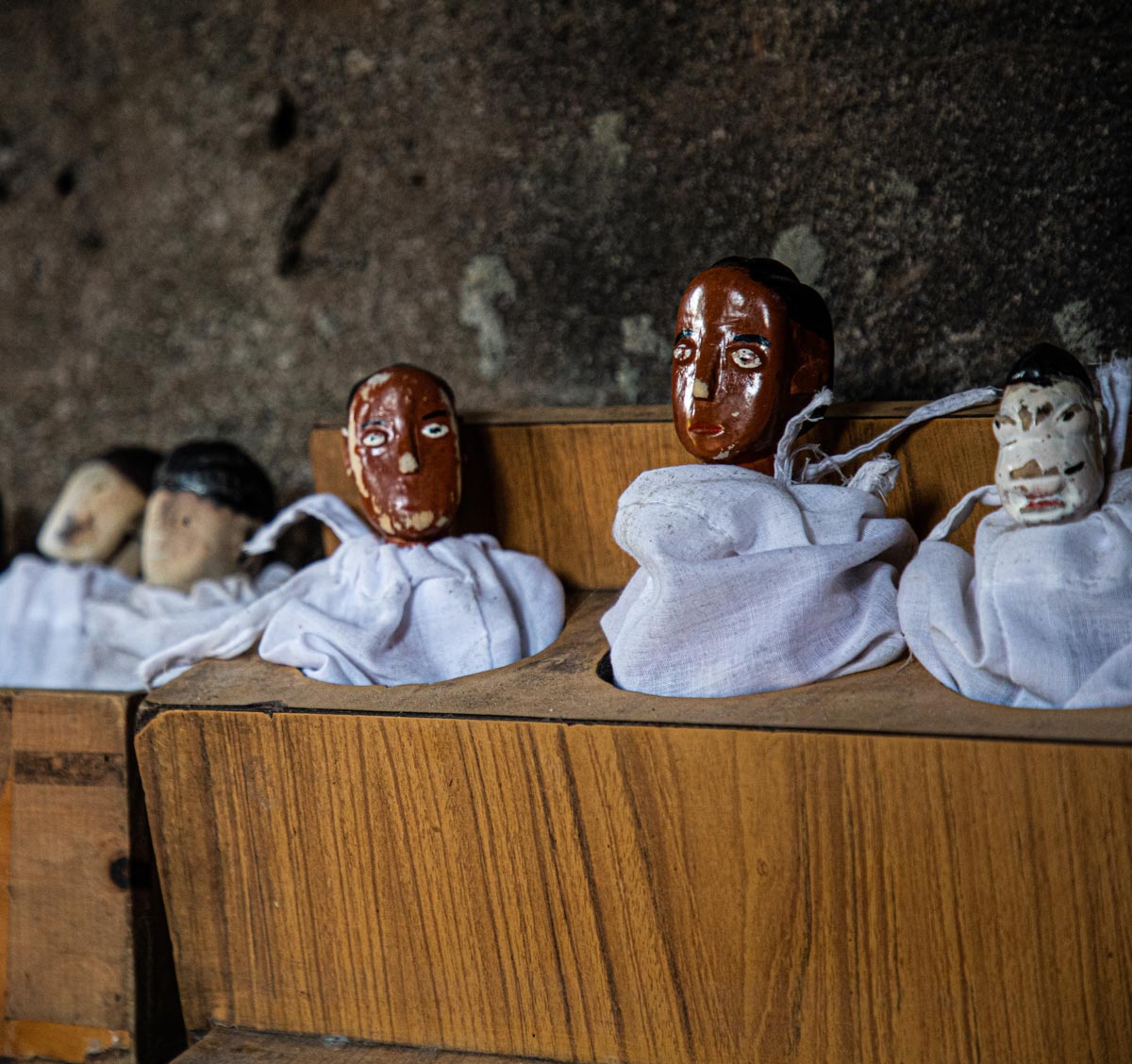
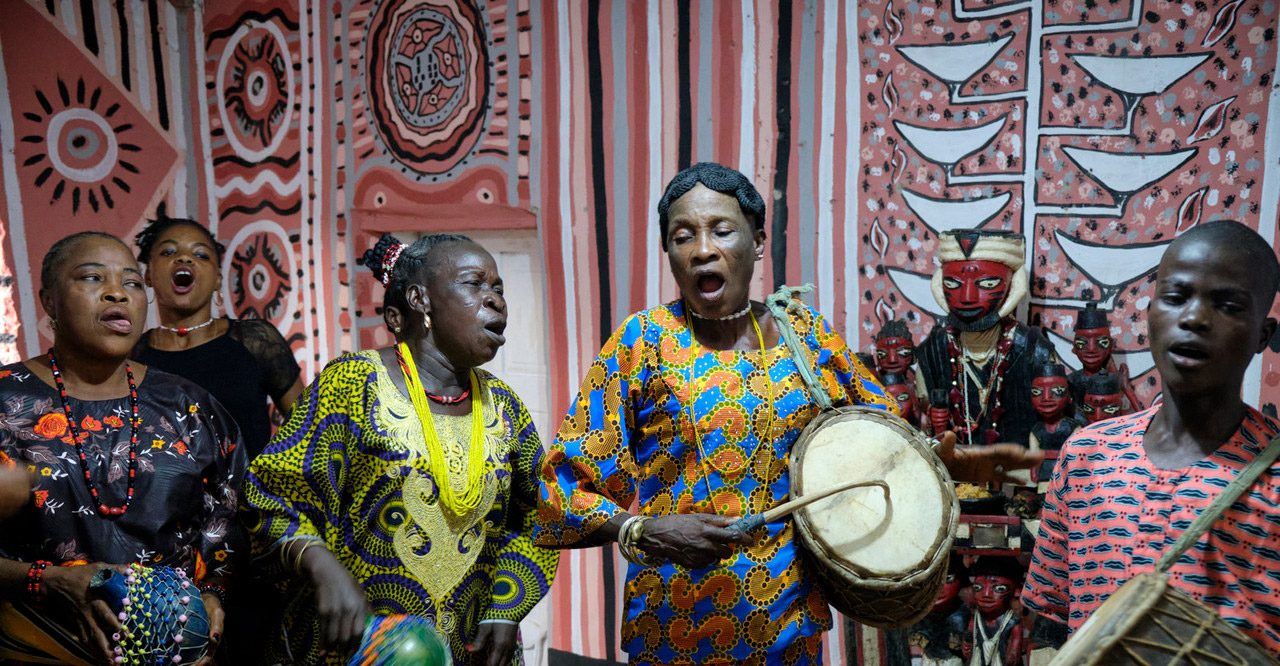
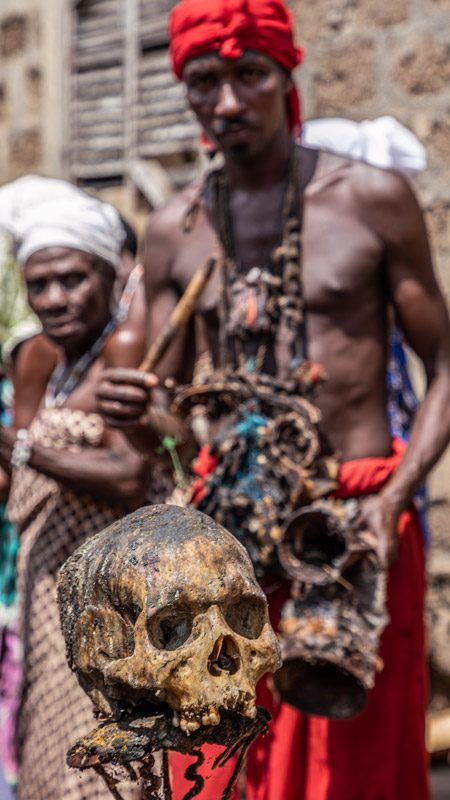
One of the central moments of the tribal trip to Benin will be our stay in Ouidah, an international reference point for Vodun. Coinciding with the great annual festival, we will witness rituals, dances and ceremonies bringing together communities from different regions. In addition, we will have local support to help interpret symbols and contexts. In this way, the journey will offer direct immersion in one of the most influential religious traditions in West Africa.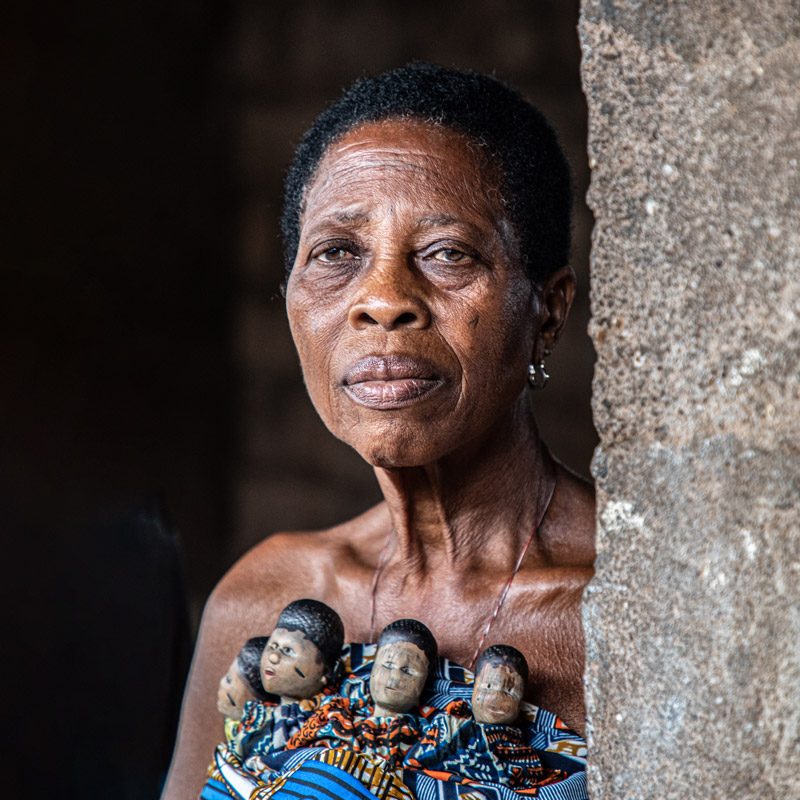
Egungun, Zangbeto and Gelede
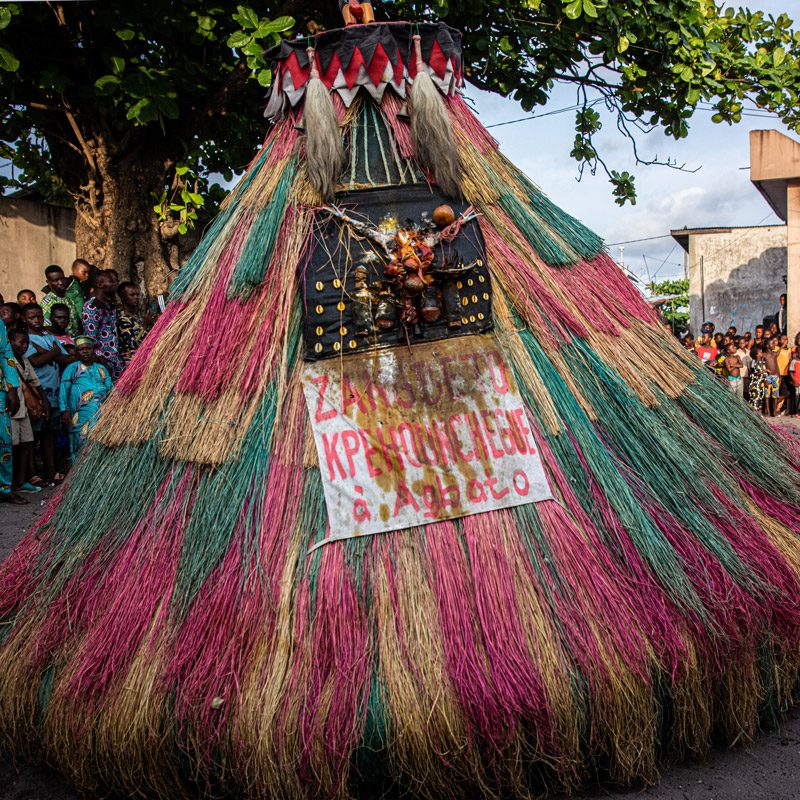
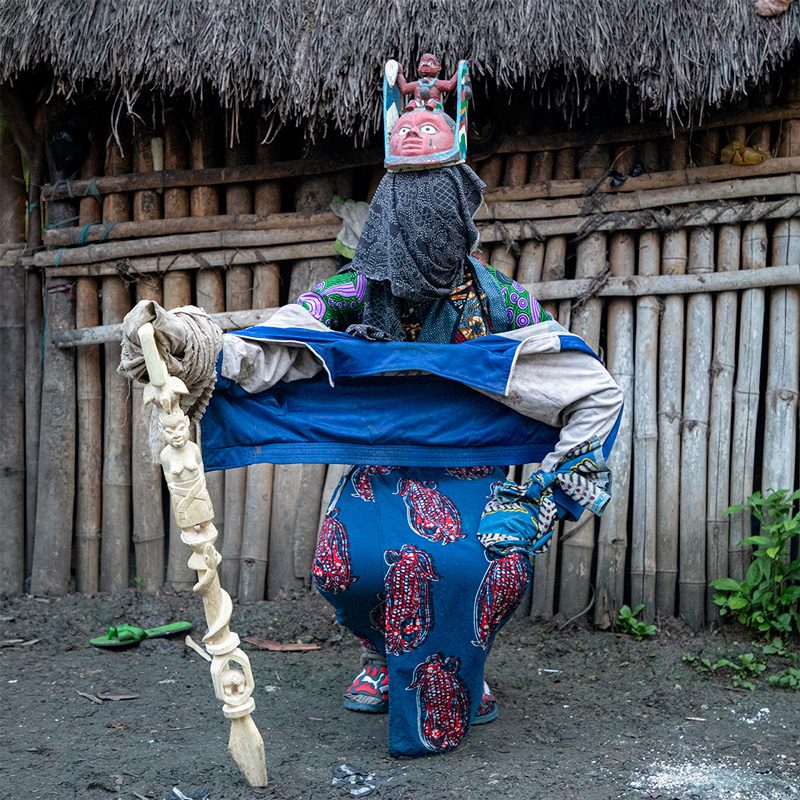
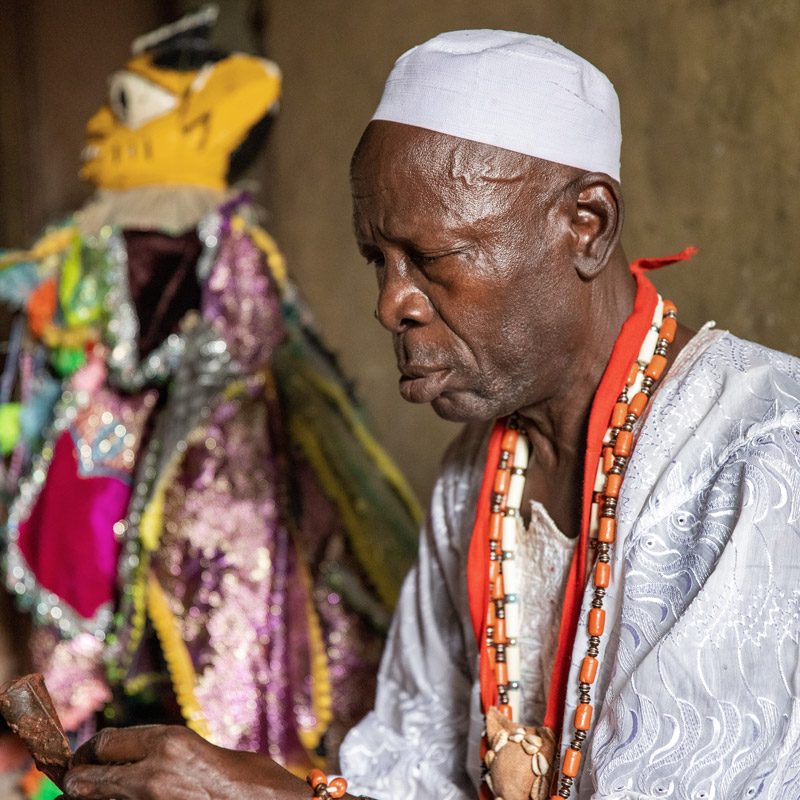
During the festival, we will attend ritual manifestations of enormous visual and cultural power. We will witness the appearances of Egungun, linked to the ancestors. We will also see Zangbeto, night guardians of great ceremonial importance. Likewise, we will discover Gelede, an expression connected to social and spiritual balance. Thus, the tribal trip to Benin will reveal the richness and diversity of the local ritual universe.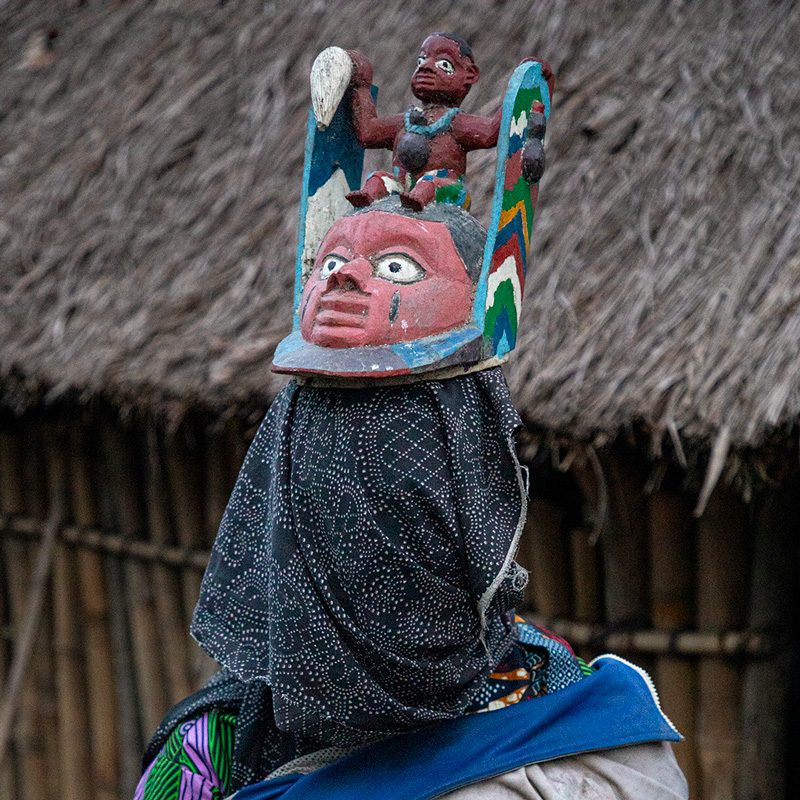

Sacred forest and Temple of the Pythons
Our experience in Ouidah will include essential places of Beninese spirituality. We will visit the sacred forest, a ceremonial space full of symbolism. We will also enter the famous Temple of the Pythons, located opposite the colonial cathedral. This contrast between religions will help us understand the coexistence of beliefs in Benin.

Lake Ahémé, Bopa and traditional shrines
Later, the tribal trip to Benin will take us to the Lake Ahémé region, one of the country’s most conservative areas. Along its shores, we will see shrines located in fishing villages. In Bopa, we will meet a Shango priest and attend a traditional ritual. Later, we will visit the Vodun shrine of Dankoli, one of the best known in the country. For this reason, this stage will broaden our understanding of spiritual practices beyond the festival itself.Abomey: royalty and historical memory
The journey will also include Abomey, former capital of the Kingdom of Dahomey. We will visit the royal palace, now converted into a museum, and stroll through its night market. Thus, the trip will connect religion, political power and historical memory in one of Benin’s great cultural centres.Traditional communities and ethnic diversity
Tofinu people: lake identity
In Ganvié, we will meet the Tofinu people, creators of this unique city on the water. Their history is linked to strategies of resistance and adaptation. In addition, we will observe how they maintain traditional activities related to fishing and lake trade.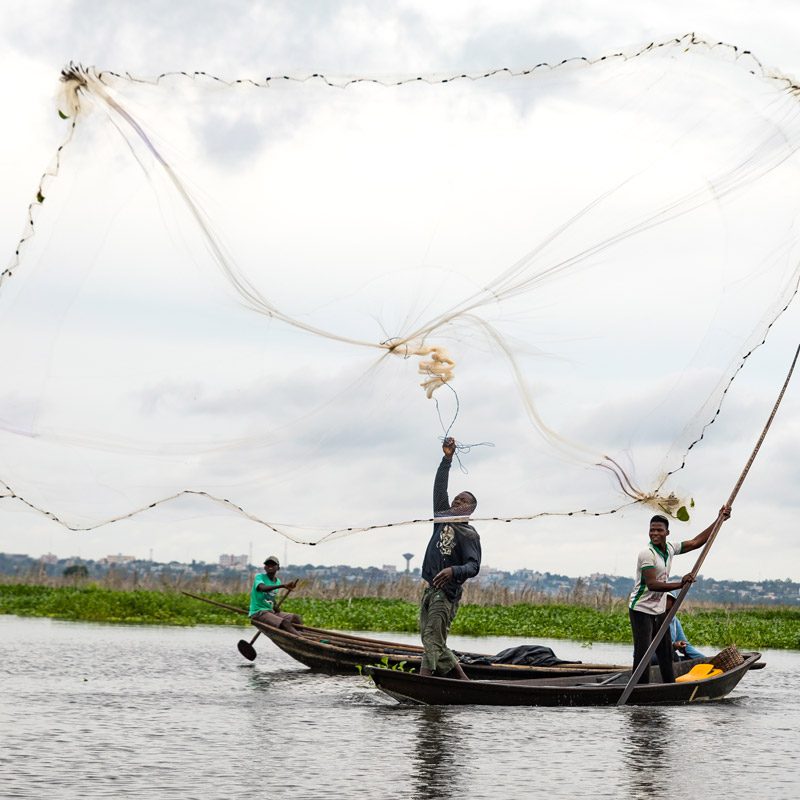

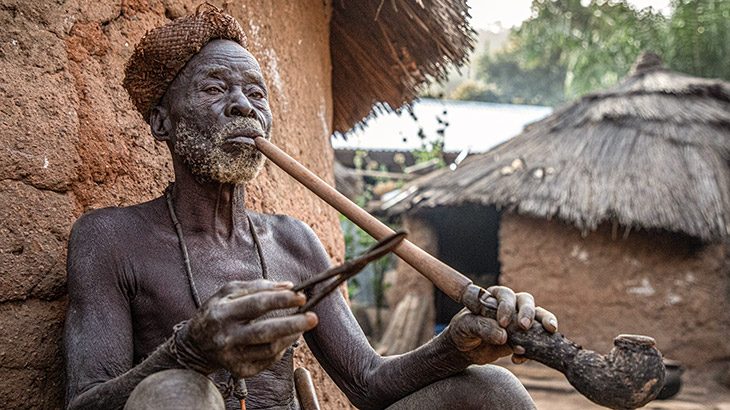
Taneka territory: hills, history and resistance
In Ganvié, we will meet the Tofinu people, creators of this unique city on the water. Their history is linked to strategies of resistance and adaptation. In addition, we will observe how they maintain traditional activities related to fishing and lake trade.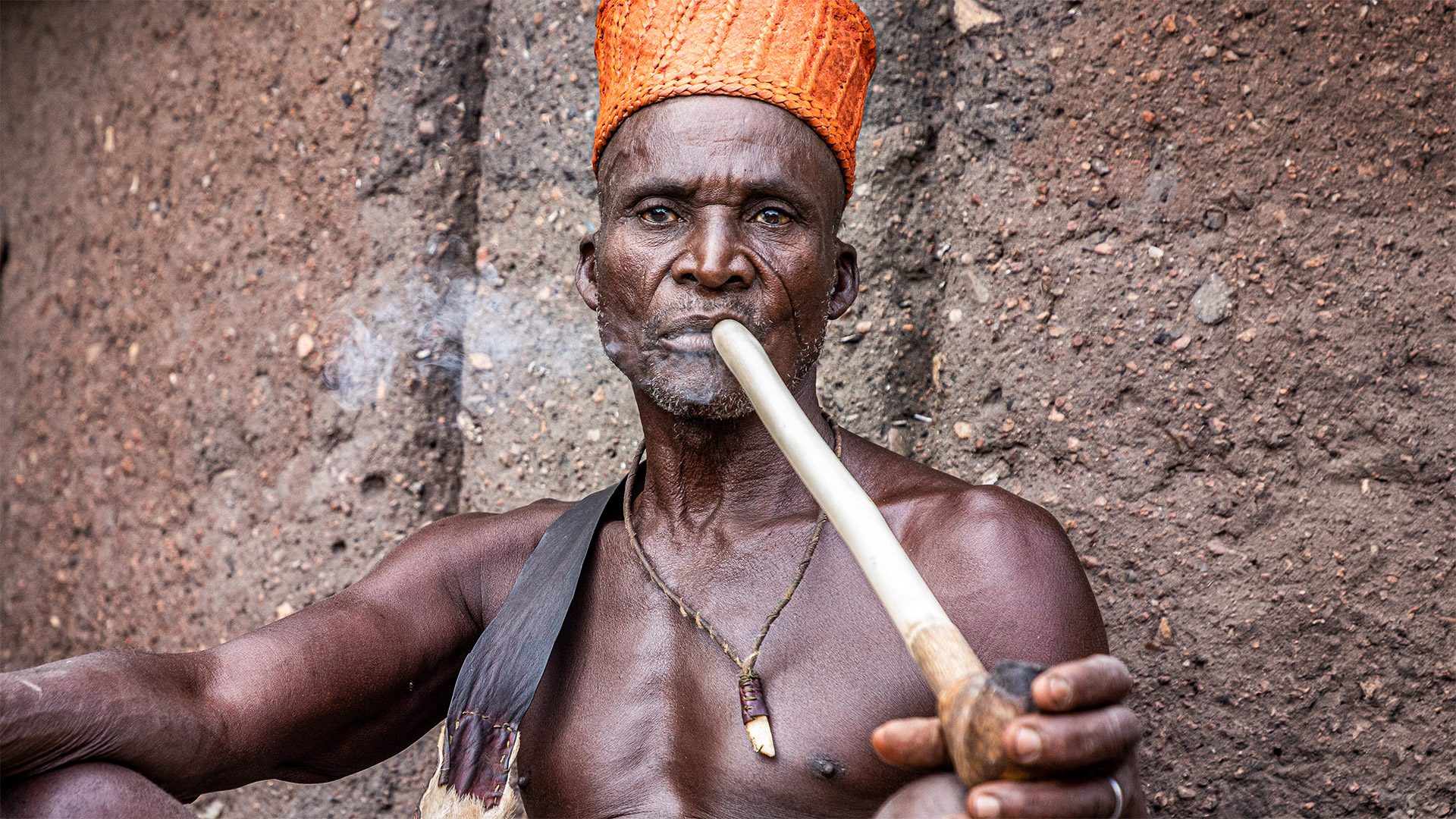
Ditamarí community and Tata architecture
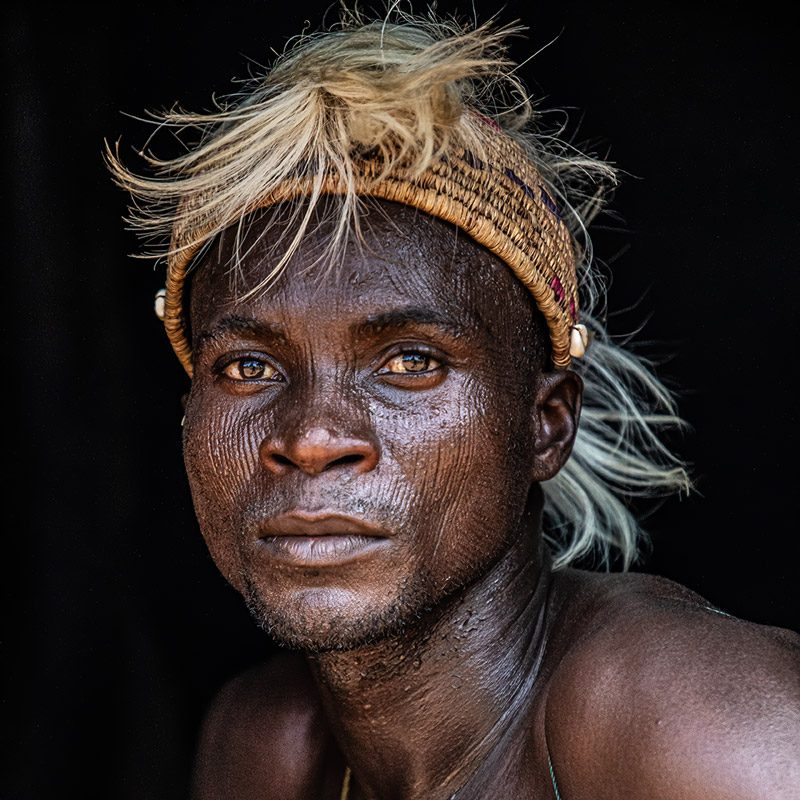
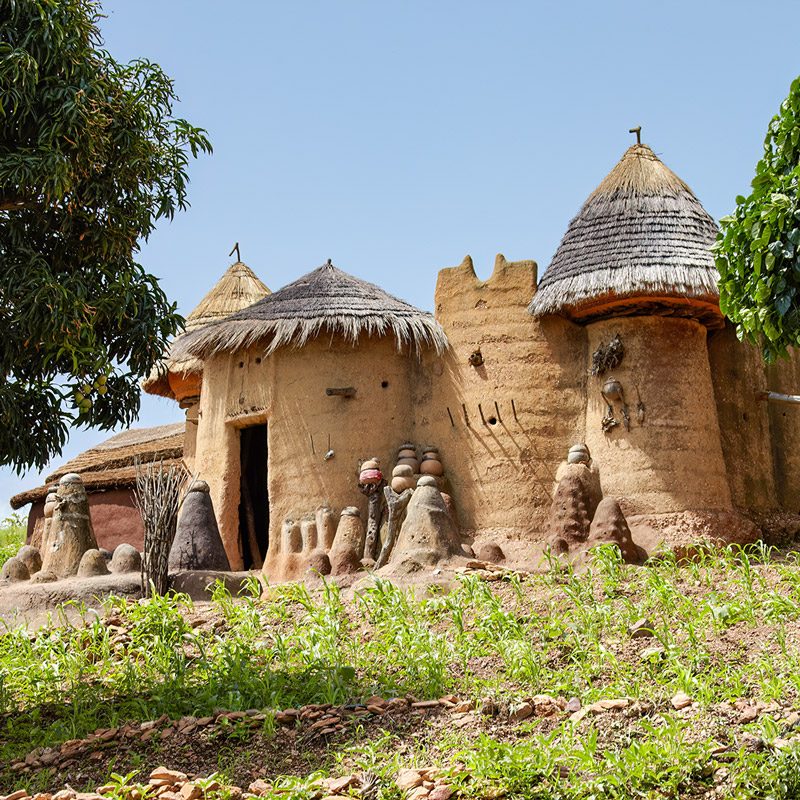
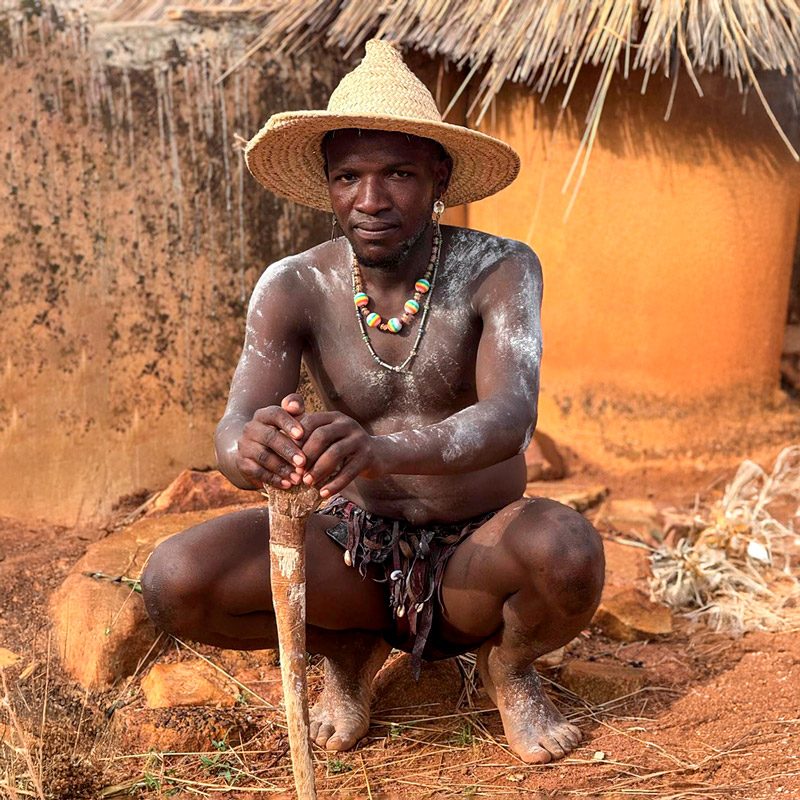
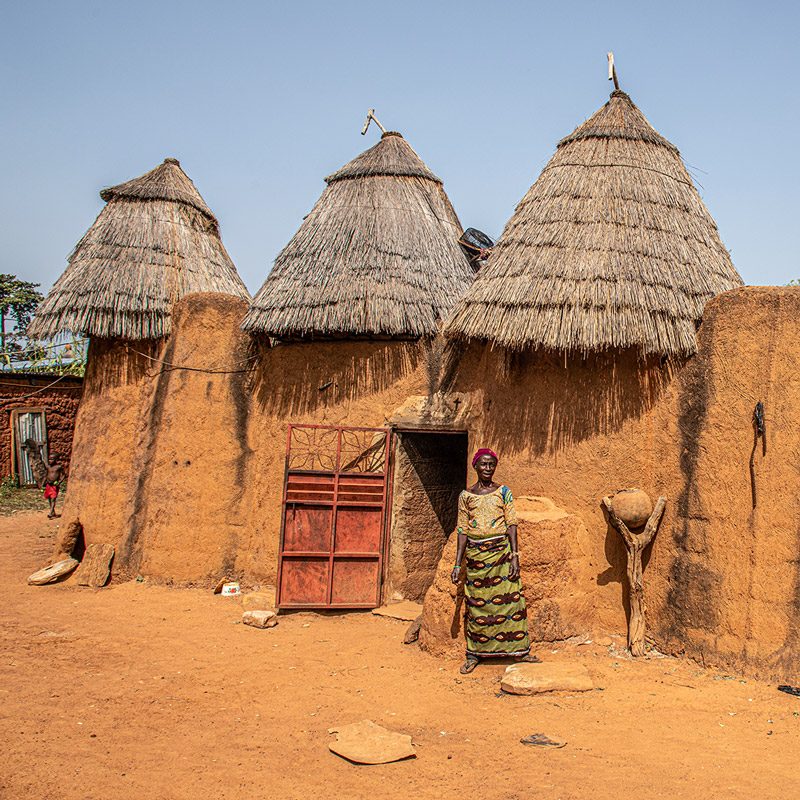
Another outstanding stage of the tribal trip to Benin will be our encounter with a Ditamarí community. We will admire their famous two-storey fortified adobe houses, known as Tatas. These buildings are among the country’s great architectural symbols. Likewise, we will learn about identity traditions such as ritual scarification, still present in some communities. Thus, the journey will reveal the cultural creativity of northern Benin.A journey to discover the cultural soul of Benin
Overall, the tribal trip to Benin offers a deep immersion among historic cities, living spirituality and traditional communities. We will not only visit emblematic places. We will also understand ways of life, memories and beliefs that remain fully alive. For this reason, this route is ideal for travellers interested in anthropology, African religions and living cultures.
© Photos by Edith Scharffenberg, Jordi Zaragozà Anglès, Aníbal Bueno and Xavi de las Heras taken during an tribal trip to Benin.
► Download the detailed itinerary for this tribal trip to Benin
Click on the button below to easily reach the itinerary download form for this trip.


 ES
ES

