
 Trip from 8 to 21 October 2026 / From 5,950€
 Discover the highlights of this tribal trip to Papua New Guinea
Port Moresby
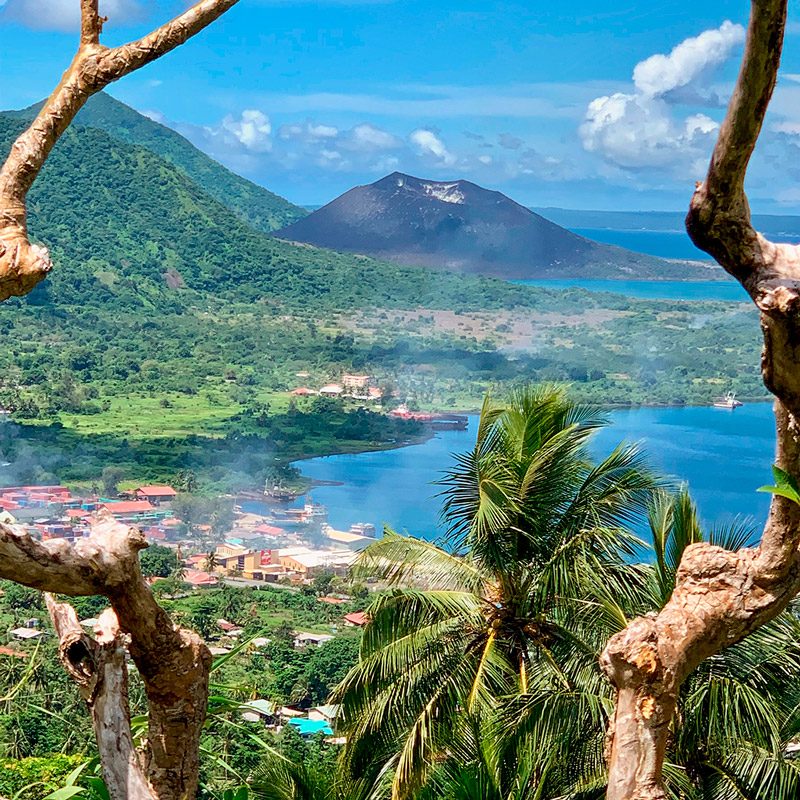
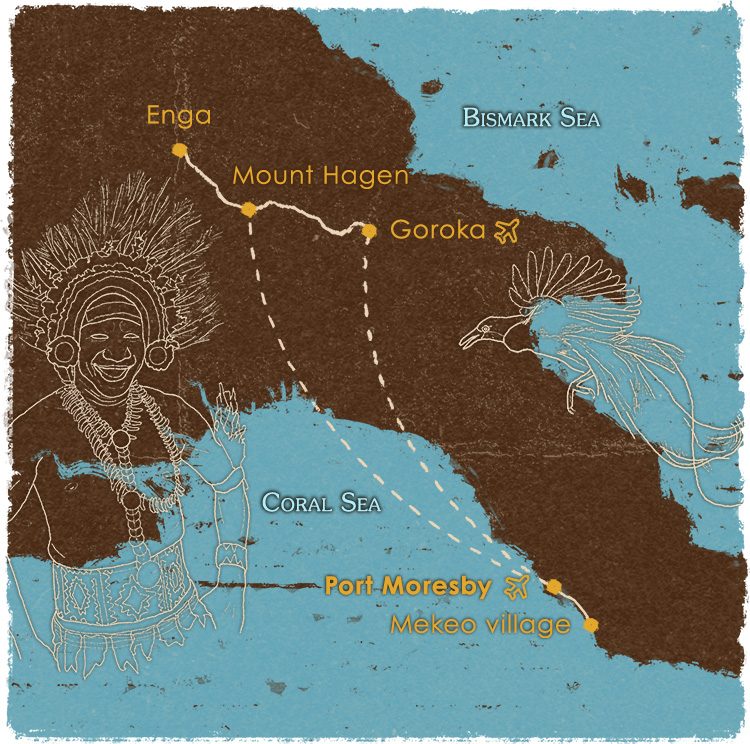
The tribal trip to Papua New Guinea begins in Port Moresby, a राजधानी city set along a wide bay. Upon arrival, we will complete initial formalities such as currency exchange and SIM card purchase. Subsequently, we will explore the city, starting with the National Parliament, inspired by a traditional Haus Tambaran. This building blends Melanesian and Western elements, reflecting the country’s contemporary identity.
Next, we will visit the National Museum, which houses artefacts from nearly 800 Papuan tribes. Finally, we will explore Hanuabada, a traditional Motu settlement built over the reef. Thus, this first stage places the traveller within the historical and cultural framework of the country.
Mekeo people: living tradition and early intercultural contact
The tribal trip to Papua New Guinea continues into Mekeo territory, one of the first regions to encounter European explorers in the 17th century. Upon arrival, we will meet the “Big Man” and community elders to understand their social organisation.
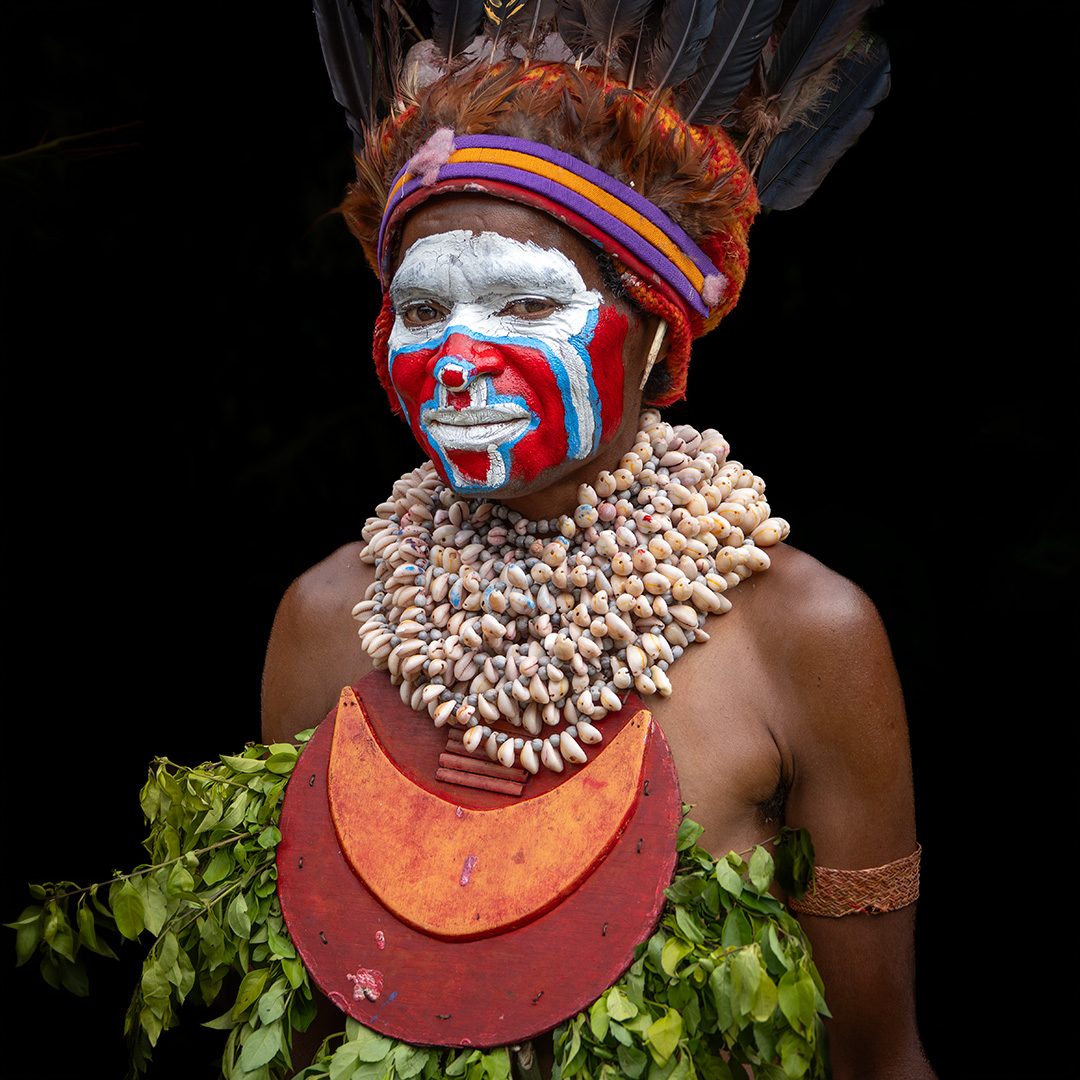
In addition, we will meet some of the last fully tattooed women, analysing the cultural meaning of this body art. At the same time, we will observe the influence of Christianity, a key social element along the Papuan coast. During the visit, we will take part in traditional face painting and enjoy songs accompanied by kundu drums.
Highlands: Goroka, Asaro and the “Mudmen” narrative
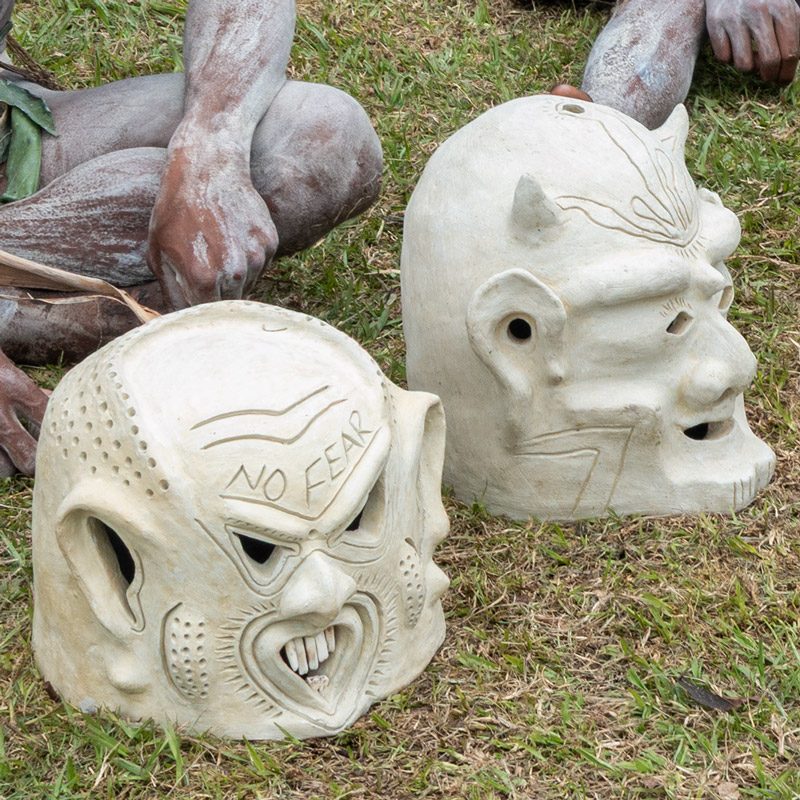
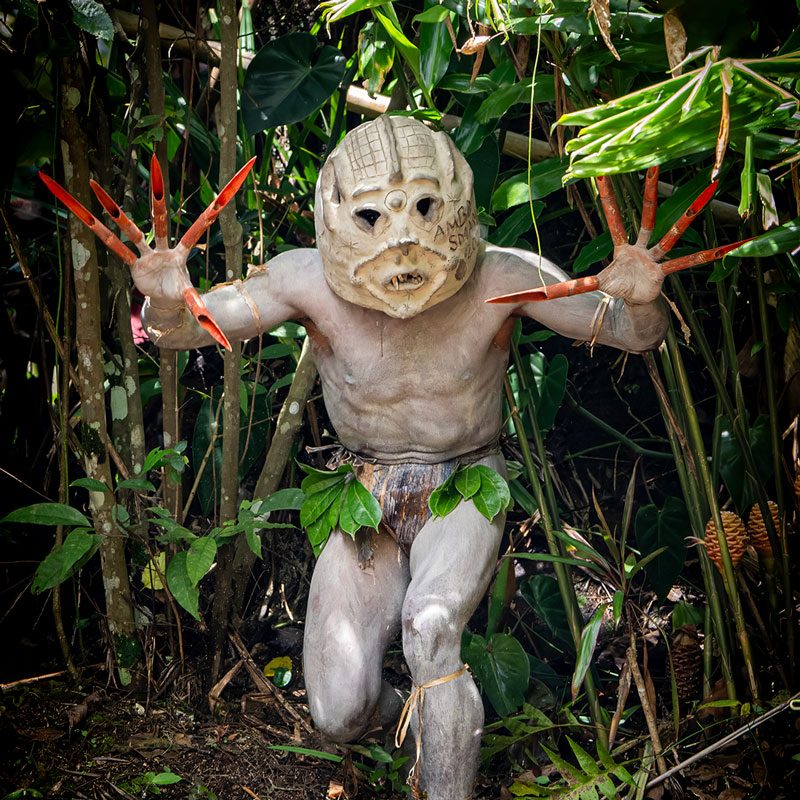
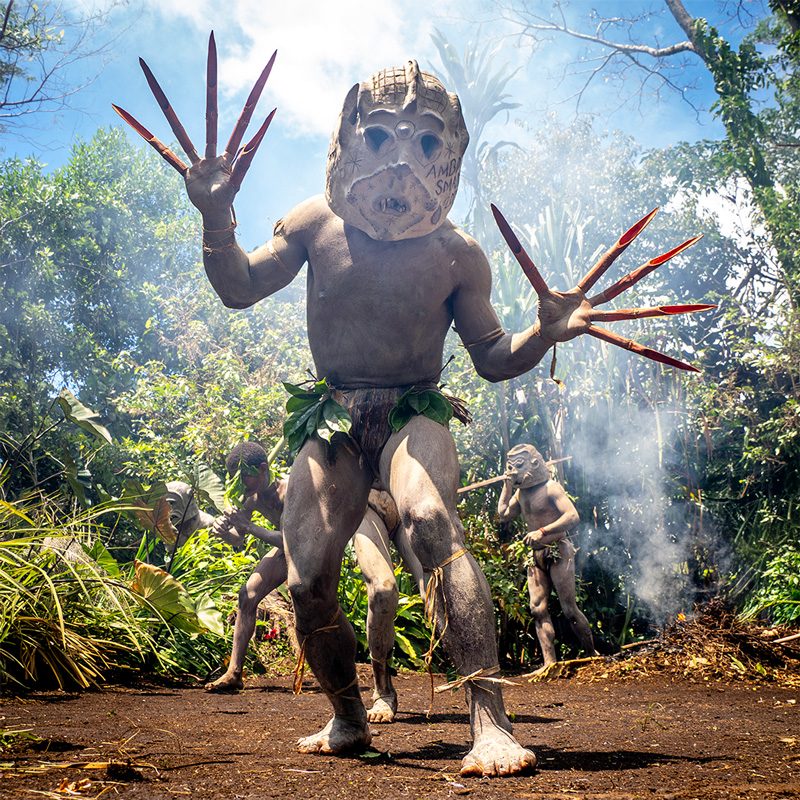
After returning to Port Moresby, the tribal trip to Papua New Guinea moves into the Highlands with a flight to Goroka. Here we will meet the Asaro, known for their distinctive grey clay masks. According to oral tradition, they used these masks to appear as spirits and frighten enemies without violence.
During the visit, we will speak with artisans and witness a ritual performance. Furthermore, we may observe mourning practices involving clay body coverings and “Job’s tears” necklaces. This encounter reinforces the symbolic and narrative depth of the tribal trip to Papua New Guinea.
Chimbu people: social structure, poetry and ceremonies
The expedition continues into the remote Chimbu territory, where foreign visitors are rare. We will meet the village chief and elders in the communal house. Moreover, we will spend several days living within the community, allowing for a deeper cultural understanding.
During our stay, we will attend traditional poetry recitals reflecting landscape, identity and the role of women. In addition, we will witness a Chimbu wedding, centred on alliances, wealth exchange and communal rituals. This moment represents one of the most intense experiences of the tribal trip to Papua New Guinea.
Gena people: semi-nomadic life and ancestral knowledge
Subsequently, the tribal trip to Papua New Guinea leads us to the Gena caves, where some families maintain a semi-nomadic lifestyle. After a short trek, we will learn about their social system based on collective decision-making.
We will also observe the division of roles: women gather and heal, while men hunt and trade. This increasingly threatened way of life provides insight into a deep connection with the natural environment.
Mount Hagen and the Huli: aesthetics, identity and symbolism
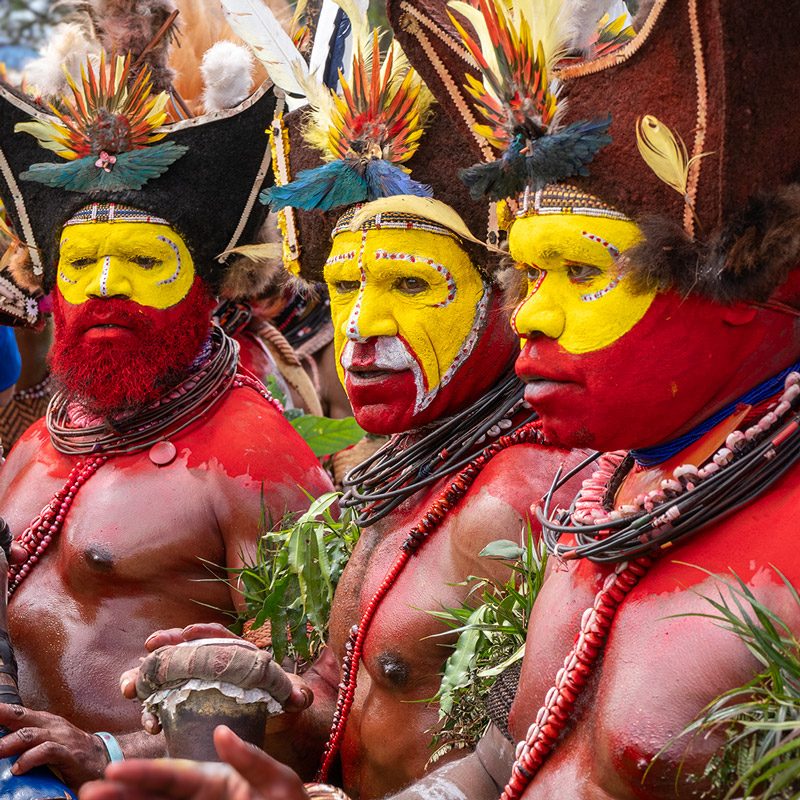
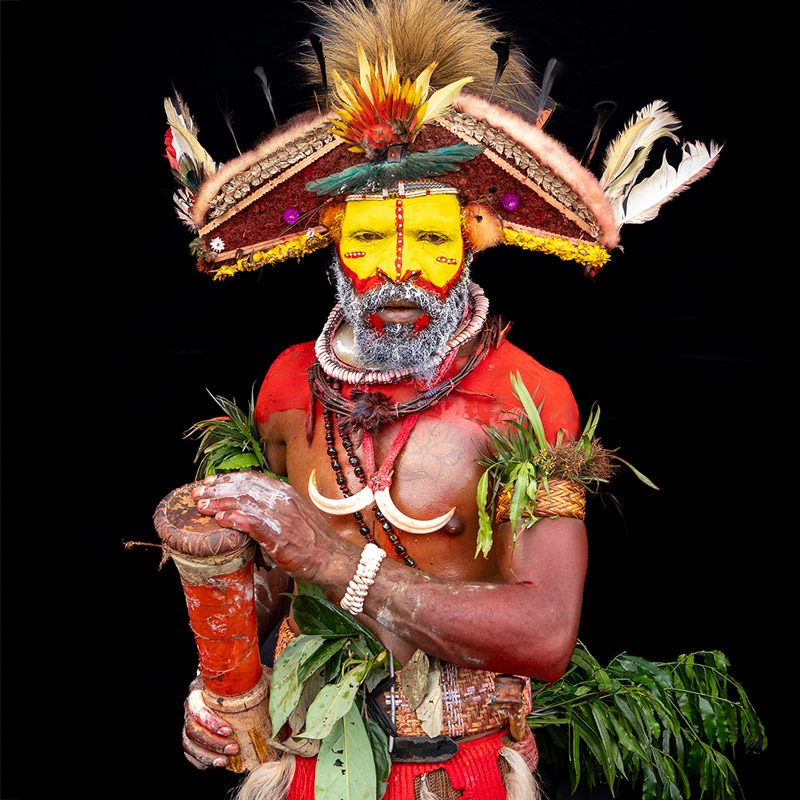
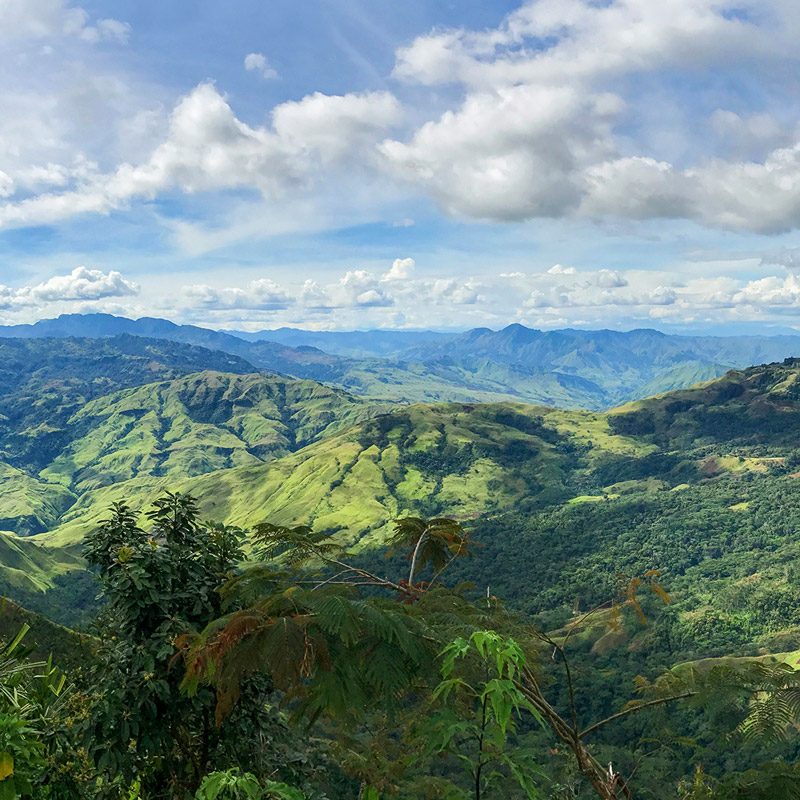
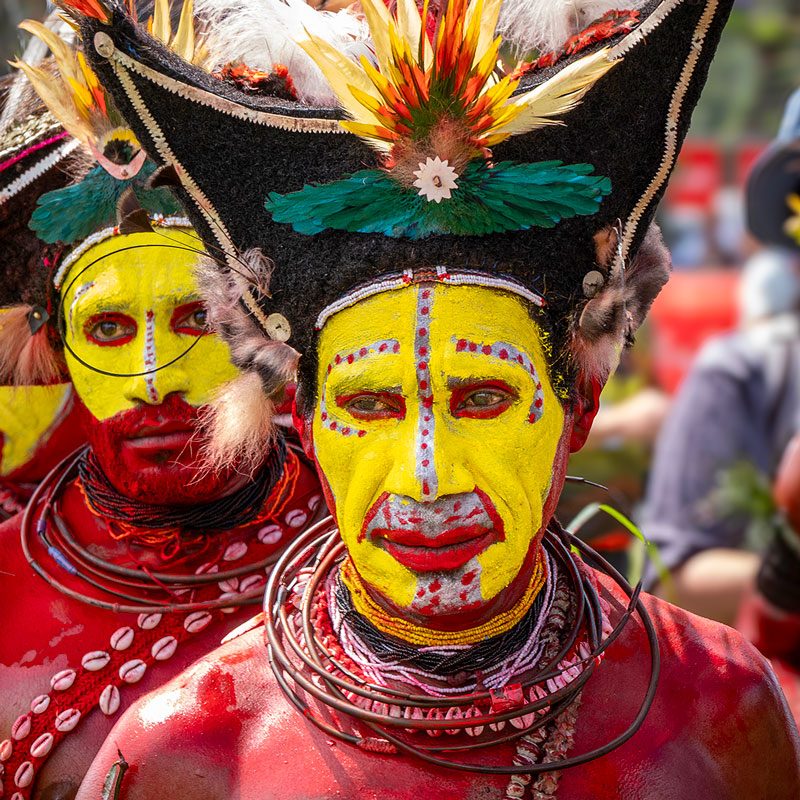
The tribal trip to Papua New Guinea continues towards Mount Hagen, a key centre in the Highlands. From here, we will visit the Huli, renowned for their elaborate wigs and facial decoration.
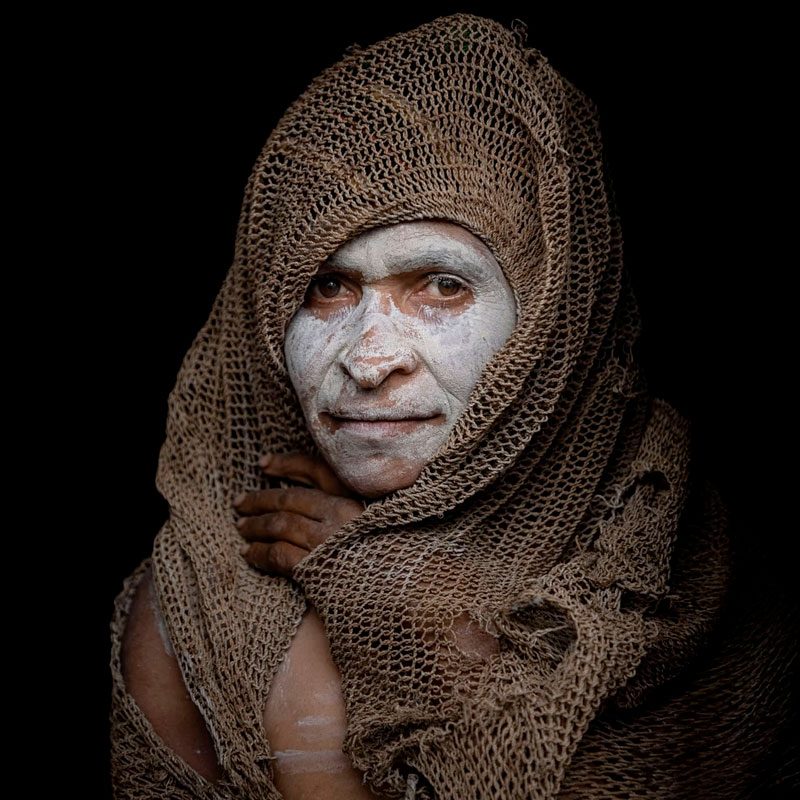
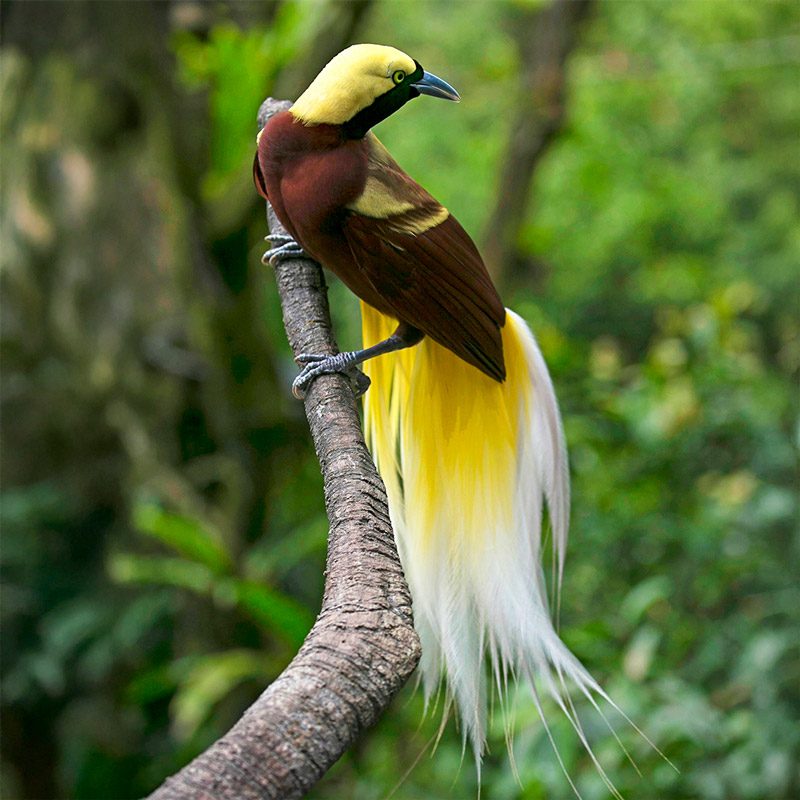
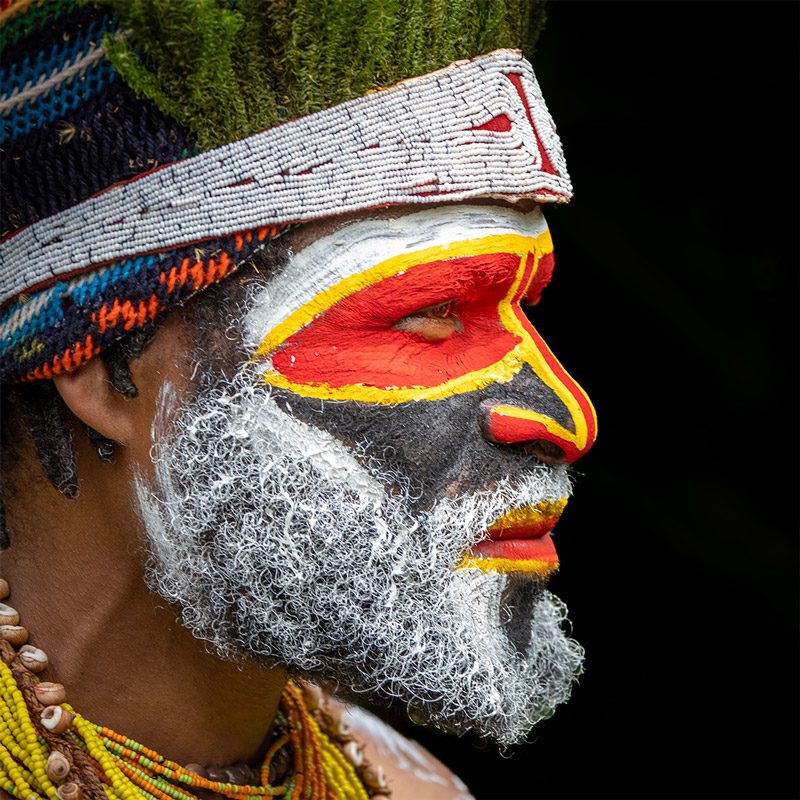
Young men undergo a “wig school”, where they grow and shape their hair into ceremonial pieces adorned with bird-of-paradise feathers. Additionally, we will analyse the pigments used in their body painting, including yellow, red and white clays, charcoal and natural oils. This stage highlights how aesthetics and identity are integrated into the social structure.
Enga people: Mali rituals and tribal cohesion
The tribal trip to Papua New Guinea continues into Enga Province, travelling with escort due to occasional tribal conflicts. Here we will meet the Sili Muli subgroup, known for their black facial paint.
Following meetings with local leaders, we will participate in community activities. The central moment will be the Mali dance, a ceremony expressing unity and strength through rhythm, body painting and collective movement. Undoubtedly, this experience reinforces the immersive nature of the tribal trip to Papua New Guinea.
Melpa clan and conclusion of the tribal trip to Papua New Guinea
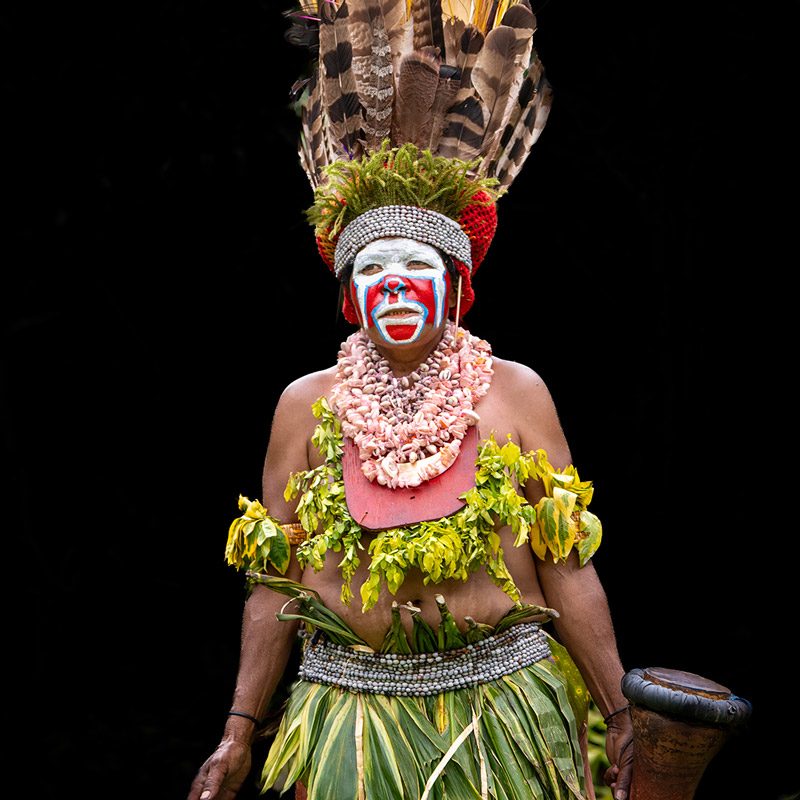
In the final phase, the tribal trip to Papua New Guinea returns to Mount Hagen to meet members of the Melpa clan, who maintain traditional authority structures.
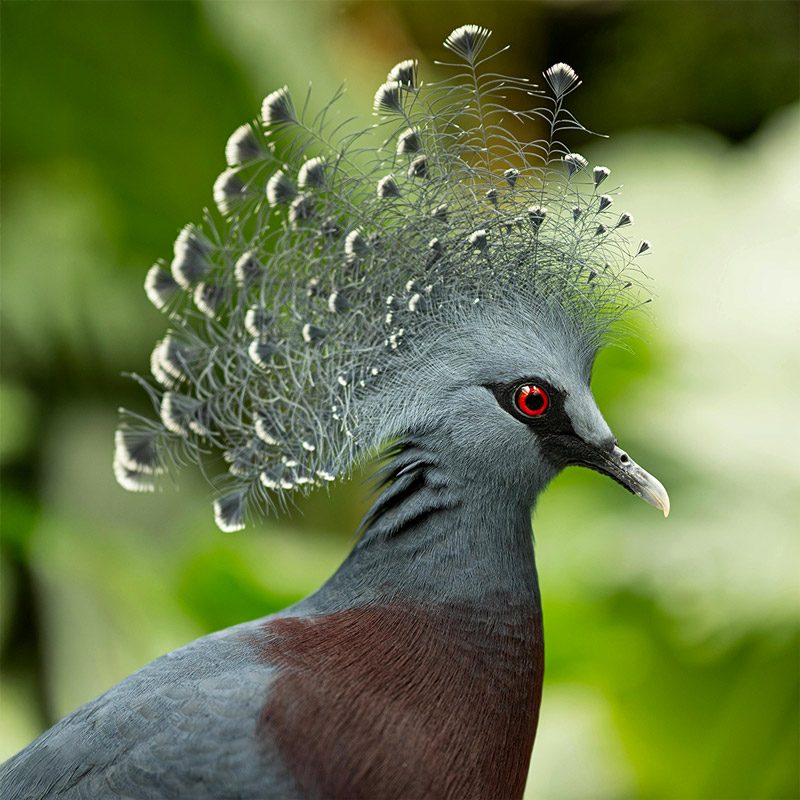
Afterwards, we will fly back to Port Moresby and visit the Nature Park, where we will observe endemic fauna such as birds of paradise and cassowaries. Finally, we will enjoy a farewell dinner before the international departure.
Thus concludes a tribal trip to Papua New Guinea that combines ethnography, landscape and direct cultural experience.
► Download the detailed itinerary for this trip to Papua New Guinea
Click the button below to easily access the download form for this trip to Papua New Guinea.
© Photos by Fernando Rosselot and Xavi de las Heras taken during a trip to Papua New Guinea.
► Download the detailed itinerary for this trip to Papua New Guinea
Click the button below to easily access the download form for this trip to Papua New Guinea.

 ES
ES

