

Congo, Democratic Republic
Trip to the D. R. of the Congo:
Tribes of the Congo River
3 – 16 Aug 2024 TRIP COMPLETED
The route of this trip to the D. R. of the Congo will begin in the central province of Congo to learn about the new African religious sects that emerge from the Belgian colonial legacy in places such as Mbanza Ngungu, former Thysville. We will continue to the deepest part of the Congolese jungle and take a flight to Mbandaka, in the heart of the Equator. In this remote region, we will visit some villages of the Lokele and Batwa tribes. In addition, we will learn about the rare Walé tradition, carried out by women from certain tribes. After these ethnographic experiences, we will begin to descend the mighty Congo River towards Kinshasa, the former Leopoldville. Along the way, we will make stops to learn about the cultures of the Banunu, Bateke and Bakuba tribes.
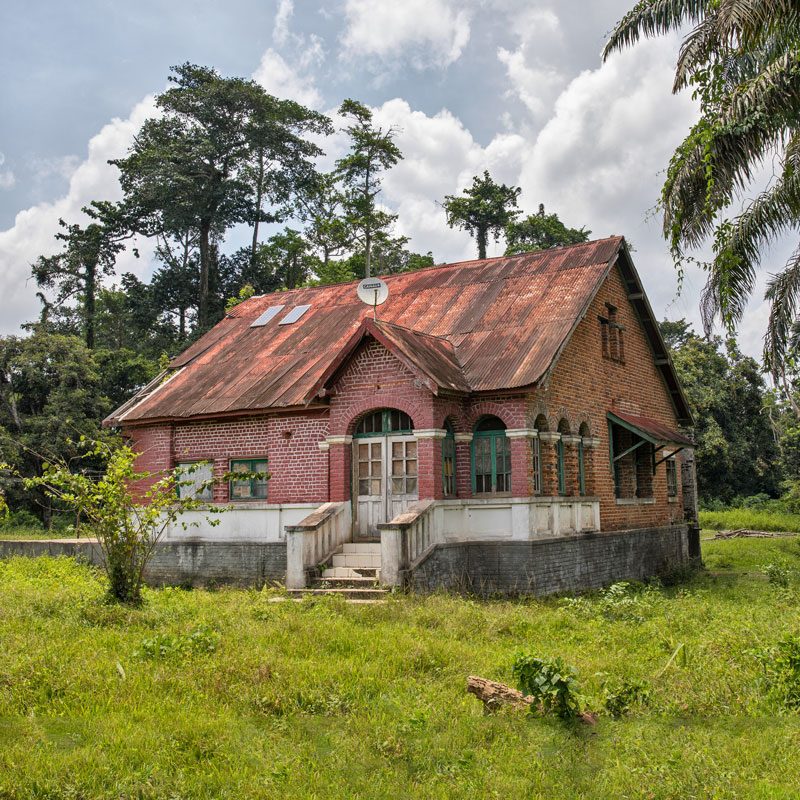
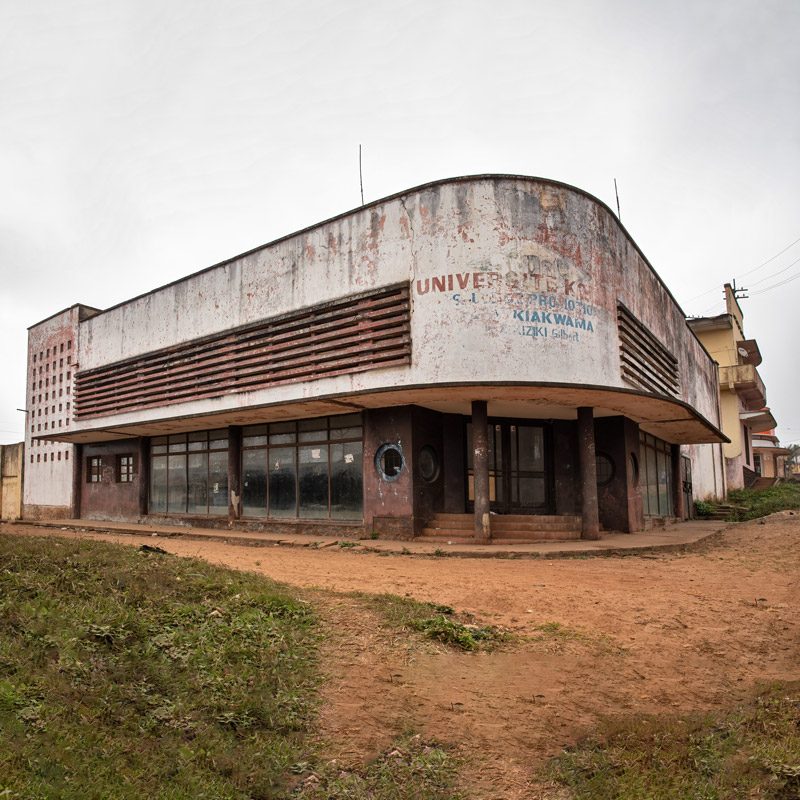
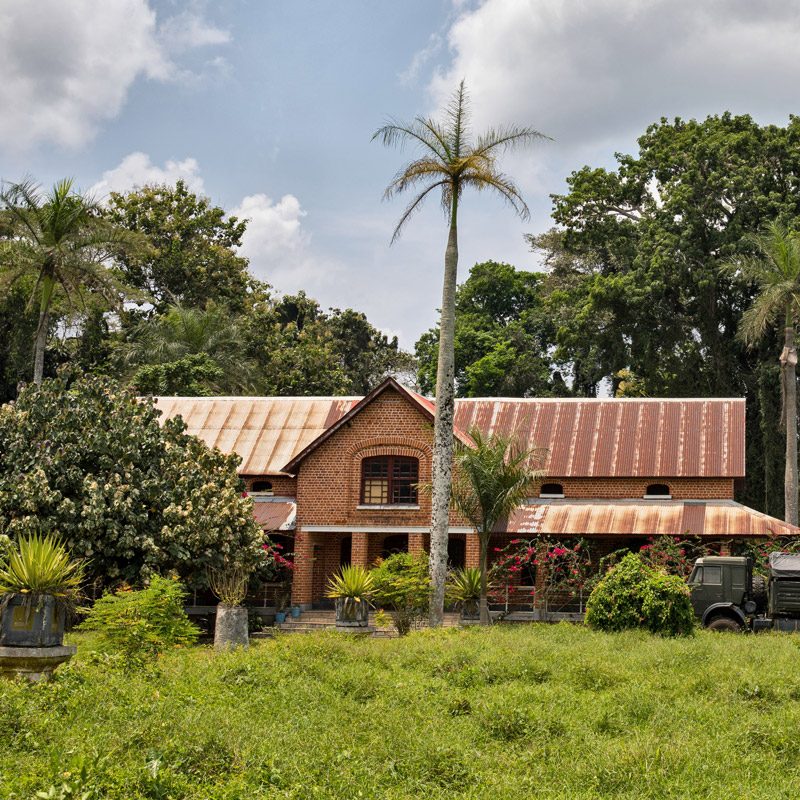
Throughout the trip, we will look for the vestiges of the Belgian colonial legacy in the towns of Kinshasha, Mbanza Ngungu and Mbandaka. We will admire some examples of exquisite colonial architecture, although in many cases they are in a state of semi-abandonment.
Download the itinerary for this trip to the D. R. of the Congo
If you want to know the detailed itinerary you can download it through the form that you will find below. Click here to easily reach the form.
The trip guide will be Joan Riera, an anthropologist specializing in minority societies.




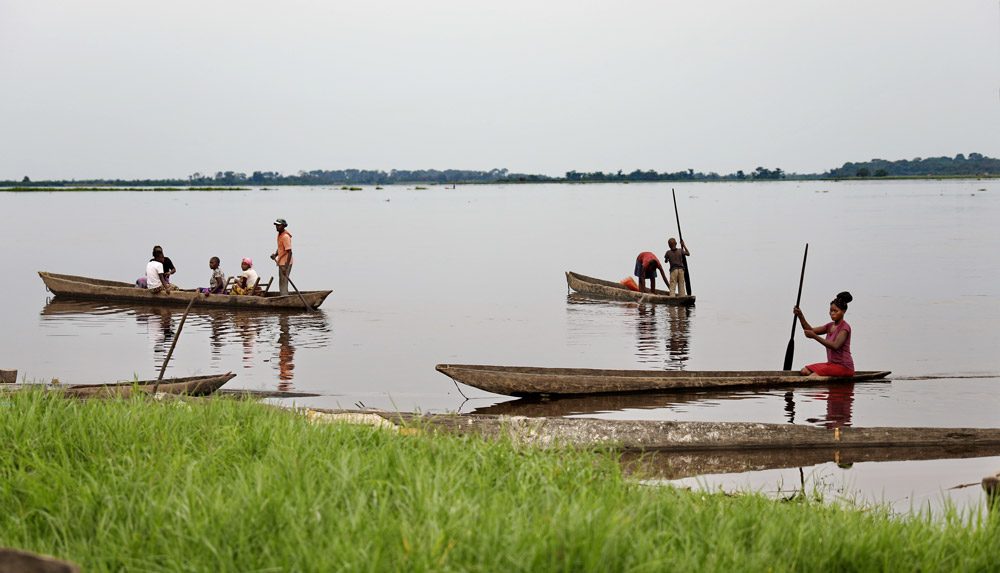
Our trip to Congo, Democratic Republic: what we will discover
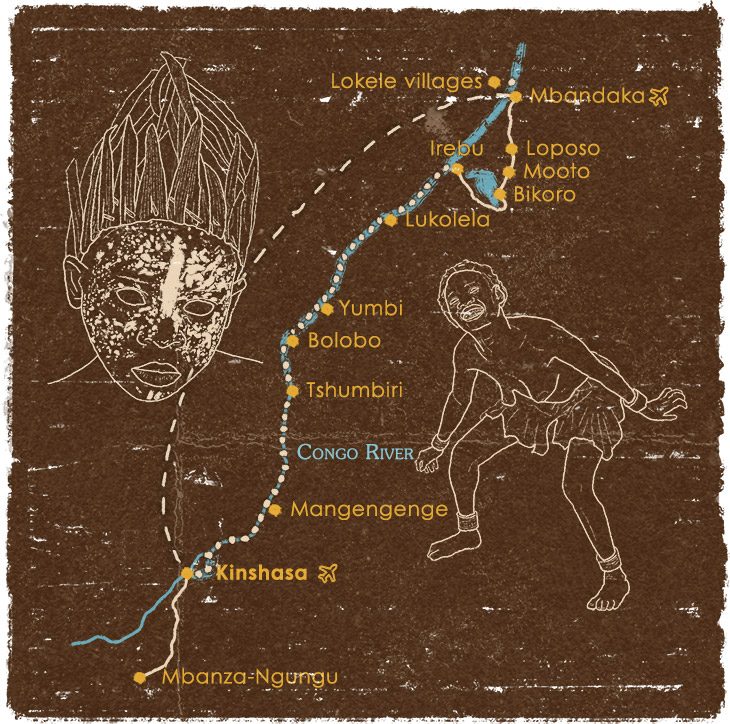
Discover the highlights of this trip to the D. R. of the Congo
We will meet tribes from the Congo River
The purpose of this trip to the D. R. of the Congo is to visit some isolated communities of different tribes that live along the Congo River.
Lokele tribe
From Mbandaka, we will take a motor canoe to go up the Congo River to some villages of the lokele tribe . The Lokele are a Bantu-speaking ethnic group who are dedicated to fishing and had the tradition of tattooing their bodies. Nowadays, this practice can only be seen on the bodies of older women.
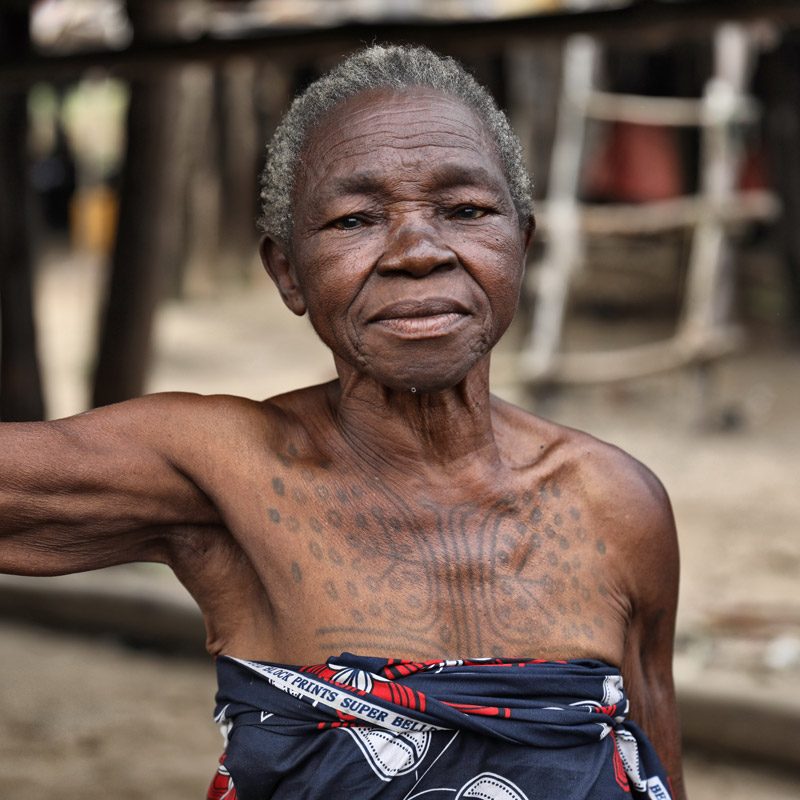

Ntomba tribe
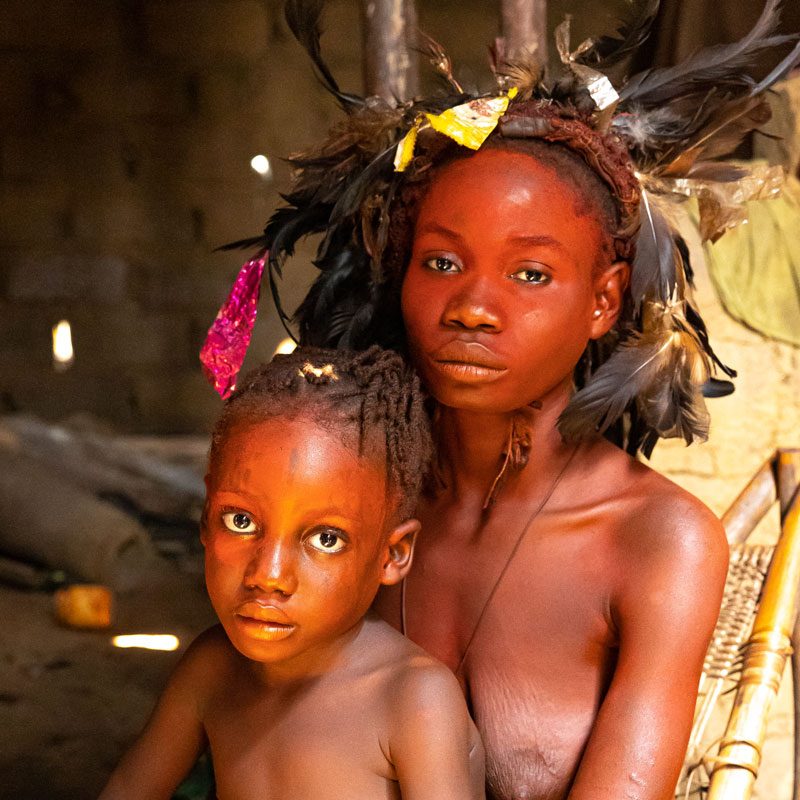
This hunter-farmer Bantu ethnic group has a peculiar tradition that affects women who give birth to their first son or daughter. After becoming mothers for the first time, the young women of the Ntomba tribe become 'walé' (breastfeeding women) and begin a life of seclusion, in which they will spend several years caring exclusively for their children. You can read more about the Walé women in our blog post, 'The Walé women of the D.R. Congo'.
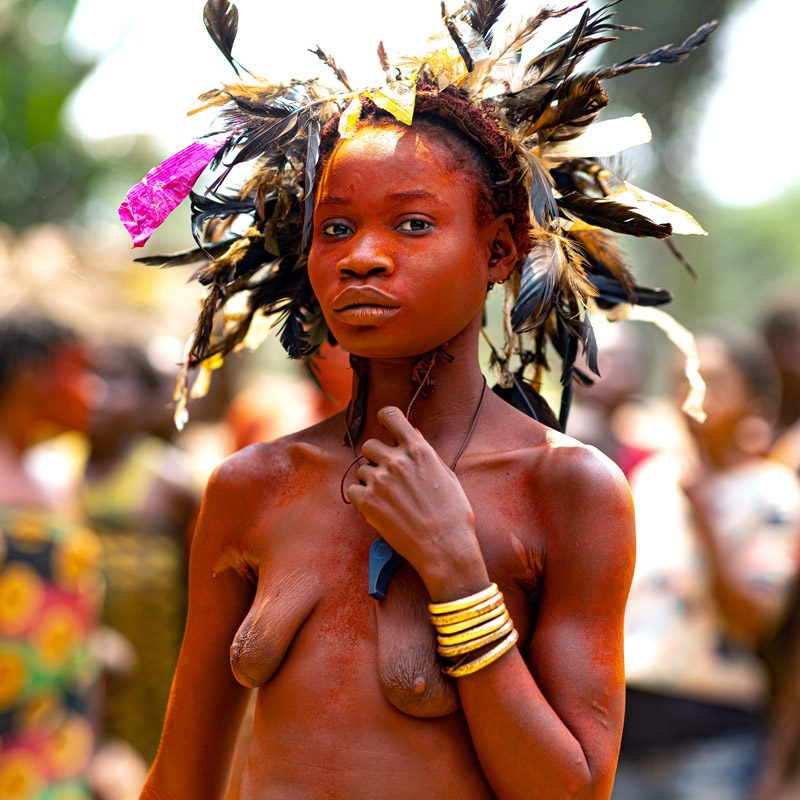

Batwa tribe
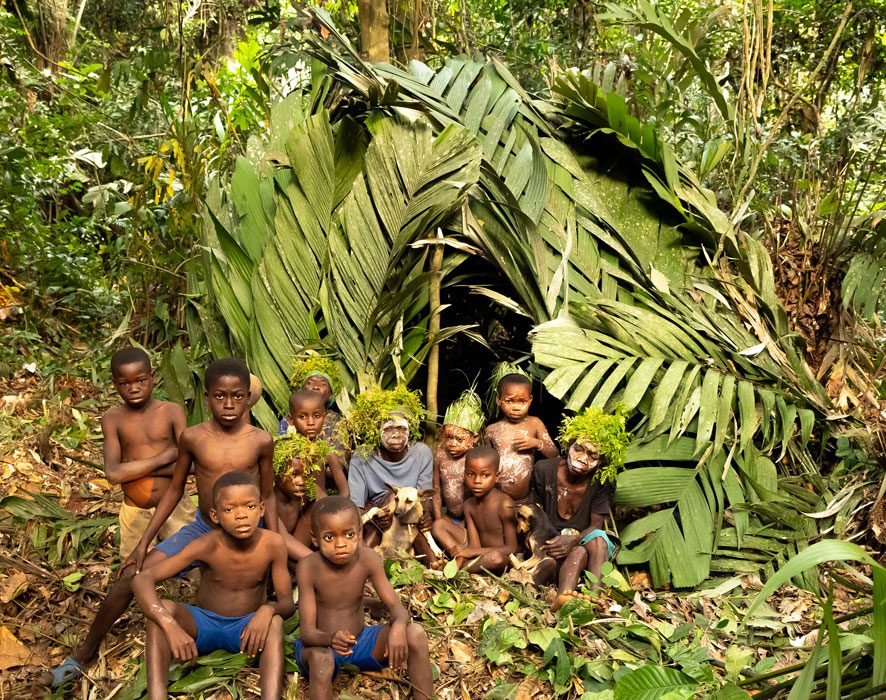
During this trip to the D. R. of the Congo, we will visit the camp of a nomadic group. The Batwa tribe depends on the agricultural products of the Mooto Bantu farmers and the latter depend on the animals they hunt and the medicinal plants that the Batwa collect. It is a total symbiosis between both peoples. We will learn aspects of the lives of these jungle people.

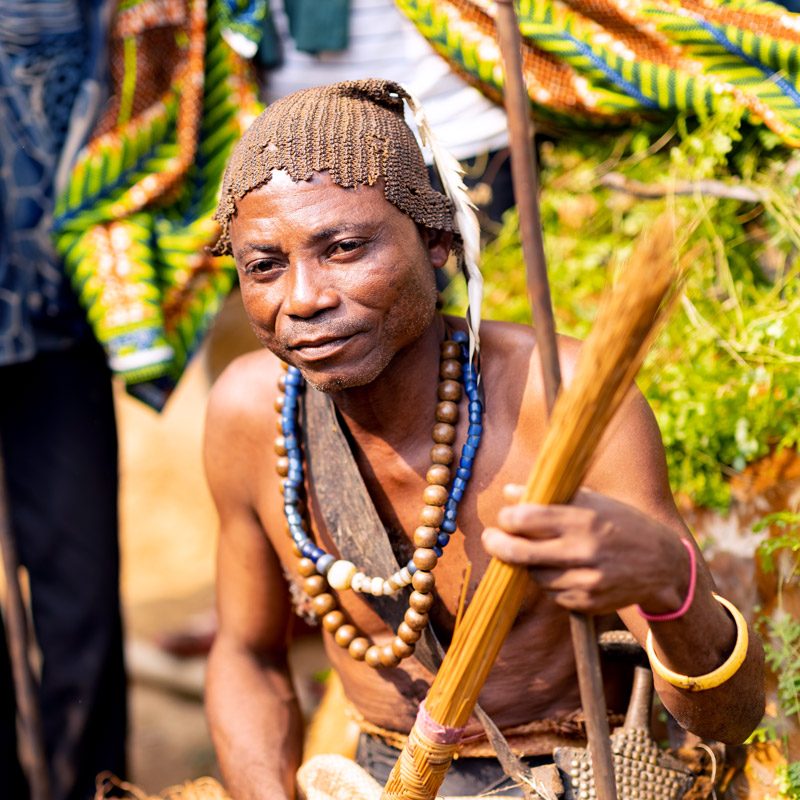
Banunu tribe
We will stop at the town of Yumbi, inhabited by the Banunu tribe. We will meet the local chief and organize some local ceremonies in order to learn about their culture.
Bateke tribe
We will stop in Negabe to meet members of the Teke or Batch royal family. King Makoko signed a treaty with explorer Fernando de Brazza to annex his kingdom to the French colonial empire in the late 19th century. We will learn about the culture of the Bateke tribe and admire a traditional dance.
Bakuba tribe
We will sail to the small Bakuba village of Mambutu to meet the local chief and experience Kuba culture. The Kuba or Bakuba tribe originates from the province of Kassai, in the south-central D. R. of the Congo. Due to the civil war, some Kuba emigrated near the capital and have tried to reproduce their world in a safer environment. After greeting the chief and the elders, we will experience a traditional dance and admire the Kuba fiber textiles.

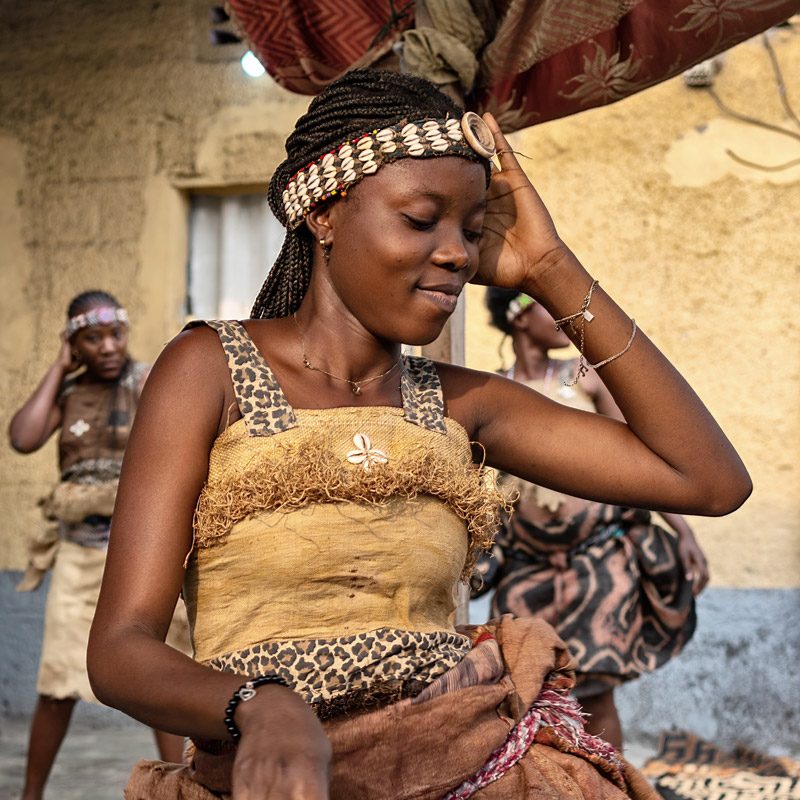
We will meet the members of the Tata Gonda sect
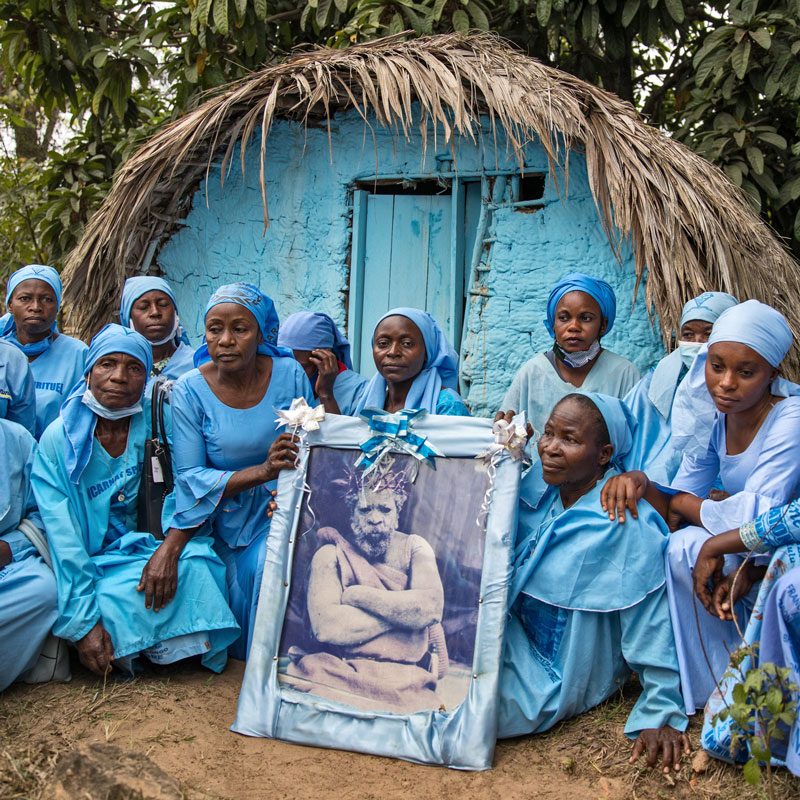
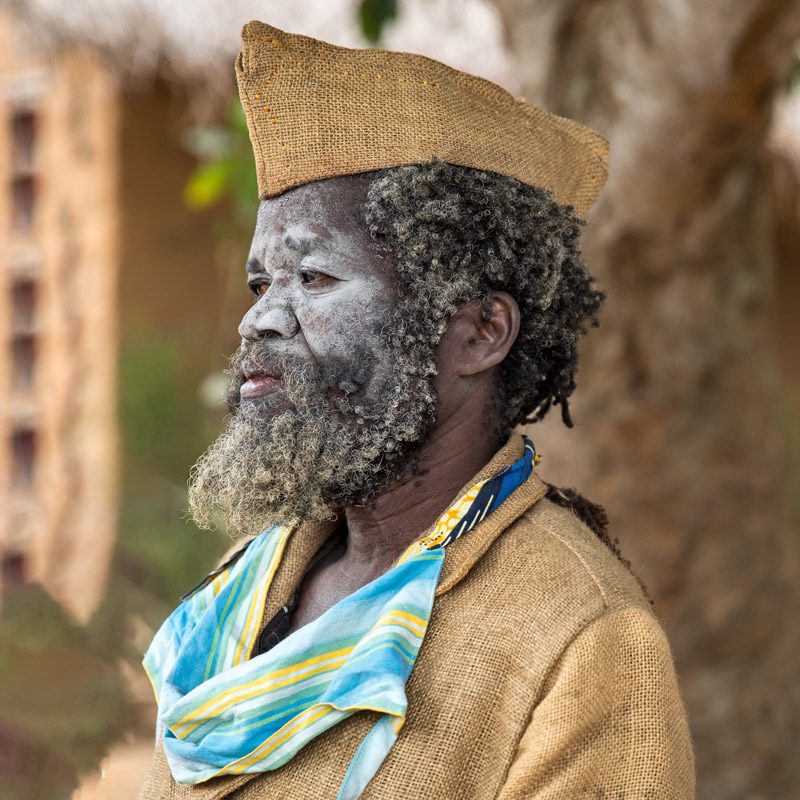
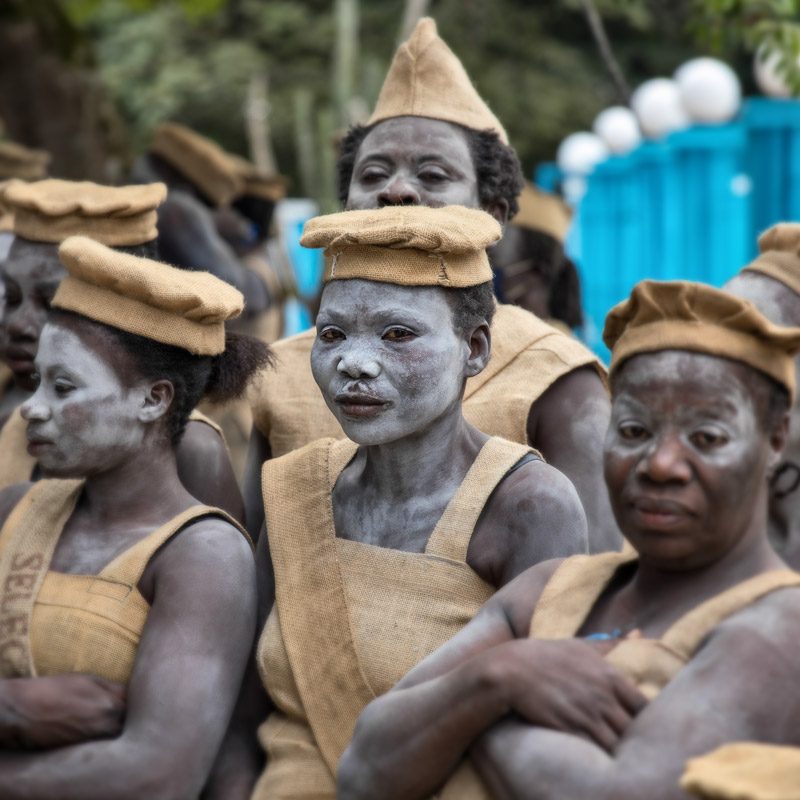
This Christian religious group is inspired by the philosophy of Samuel Kimbangu, a prophet who fought against European colonial oppression through a pan-African movement of Christian influence. In addition to their ethnographic and sociological interests, the followers of Tata Gonda have a unique aesthetic outlook, which makes the visit a unique experience.
We will admire the remains of Belgian colonial architecture
In Kinshasha, we will explore on foot the remains of its Belgian past, ancient Leopoldville. We will visit the Forescom Art Deco building and nearby colonial buildings. Also, we will visit different places of interest in Mbandaka, such as the colonial post office, the botanical garden and some nearby colonial buildings. In addition, we will visit the old colonial laboratories of Mabali and the old railway station of Mbanza Ngungu.
► Book your place now for this trip to the D. R. of the Congo
Click on the button below to easily reach the form to book your place for this ethnographic trip to the D. R. of the Congo.
Scheduled departures
More trips to Congo, Democratic Republic
We can also organize your tailor-made trip to . En este caso, indícanos tus intereses mediante el formulario de contacto que encontrarás más abajo.
Get in touch with our experts.

 ES


