
Tattoos, piercings, scarification, and other permanent body modification reveal one of the oldest and most universal forms of nonverbal communication.
Since the dawn of humanity, the body has been far more than a biological vessel: it is canvas, shield, and narrative. Upon it are projected identities, hierarchies, beliefs, and senses of belonging that transcend the individual and become part of the fabric of the community.

Tattoos, piercings, scarification, and other permanent body modifications reveal one of the oldest and most universal forms of nonverbal communication.
South Sudan's great cultural diversity embodies this central role of the human body in encoding and transmitting meaning.
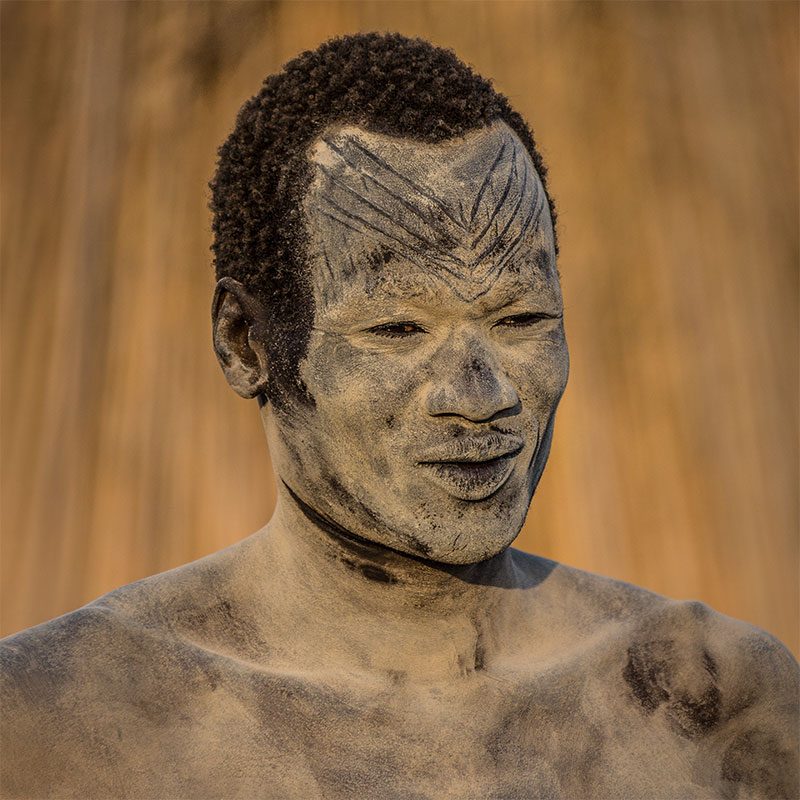
The Mundari use V-shaped marks on the forehead as a sign of identity and a way of honoring their sacred cattle, as they represent the shape of cow horns.

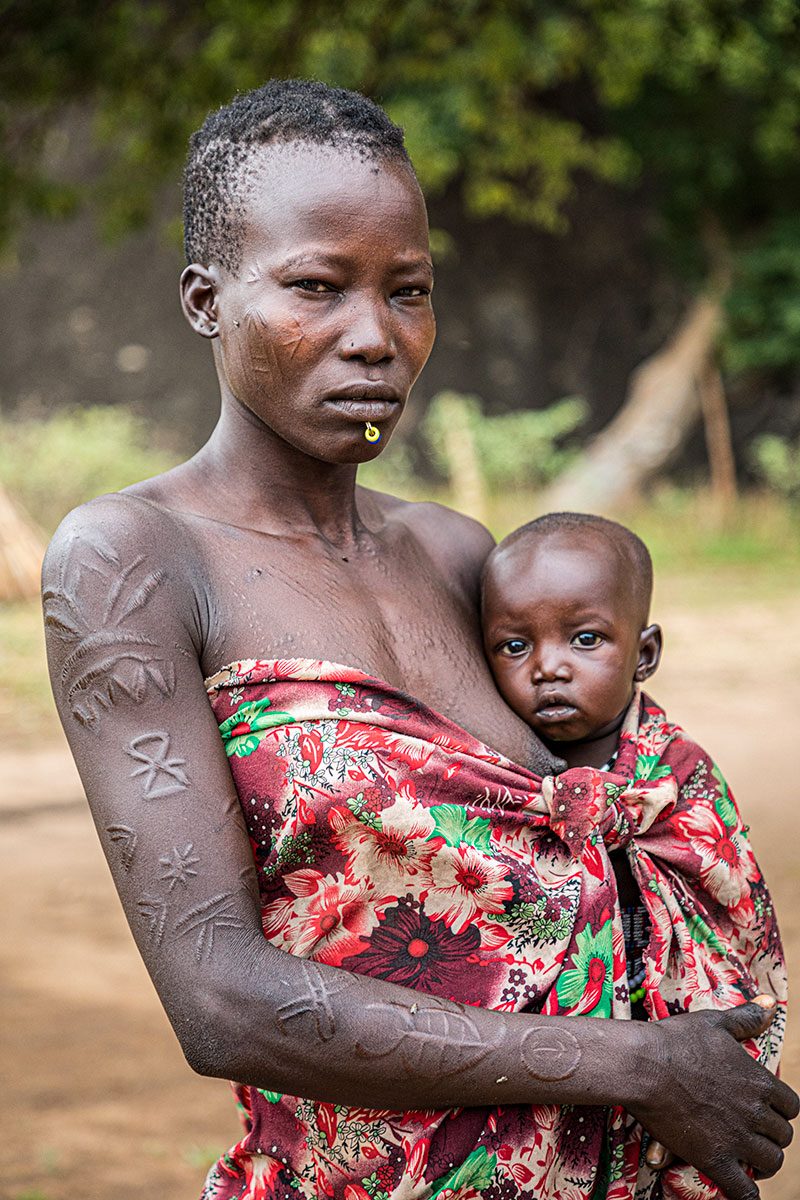
The Toposa mark their faces with scarifications that, according to their culture, beautify the face and also often indicate the clan to which they belong. They also scarify everyday images, such as that of a chicken.

The Jiye make extensive use of sublabial and supralabial piercings, even from a young age—especially women. It is a highly valued aesthetic element.

The most decorated tribe of all is the Larim, in the Boya Mountains. They practice scarification extensively on their backs and arms, particularly the women. They also engage in all kinds of piercings, which they adorn with metals and plastic beads

Aesthetics connect the sacred with the individual, the personal with the collective, and the ephemeral with the eternal.

Aníbal Bueno (@anibal_bueno), co-founder of Last Places and travel photographer and guide, delves into this cultural phenomenon in his book 'Marcas en la piel'. The book is available in his website anibalbueno.com
© Photos of body modification of different ethnic groups in South Sudan taken by Aníbal Bueno.

 ES
ES

