
 Trip to Brazil from 19 to 28 July 2027 / From 5,950€
 Discover the highlights of this expedition to Papua New Guinea
The Kayapó Tribe: Coexistence and Traditions in the Amazon Rainforest
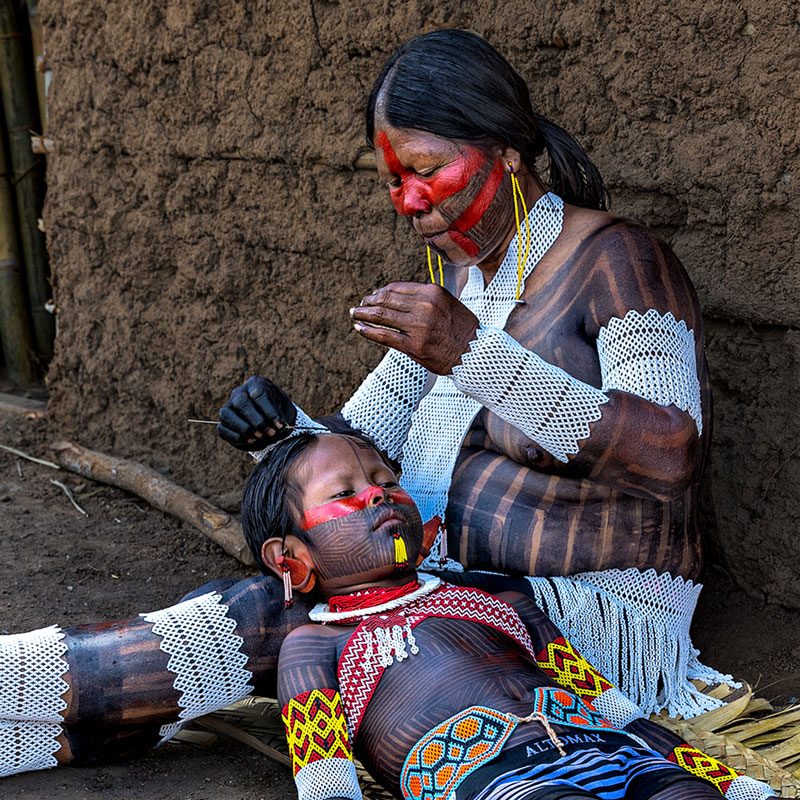
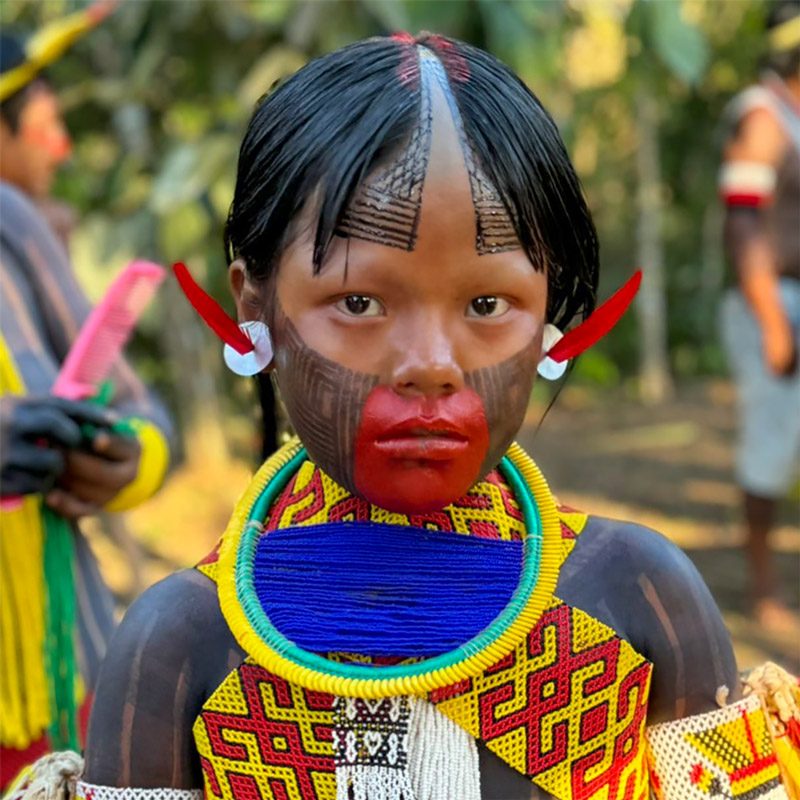
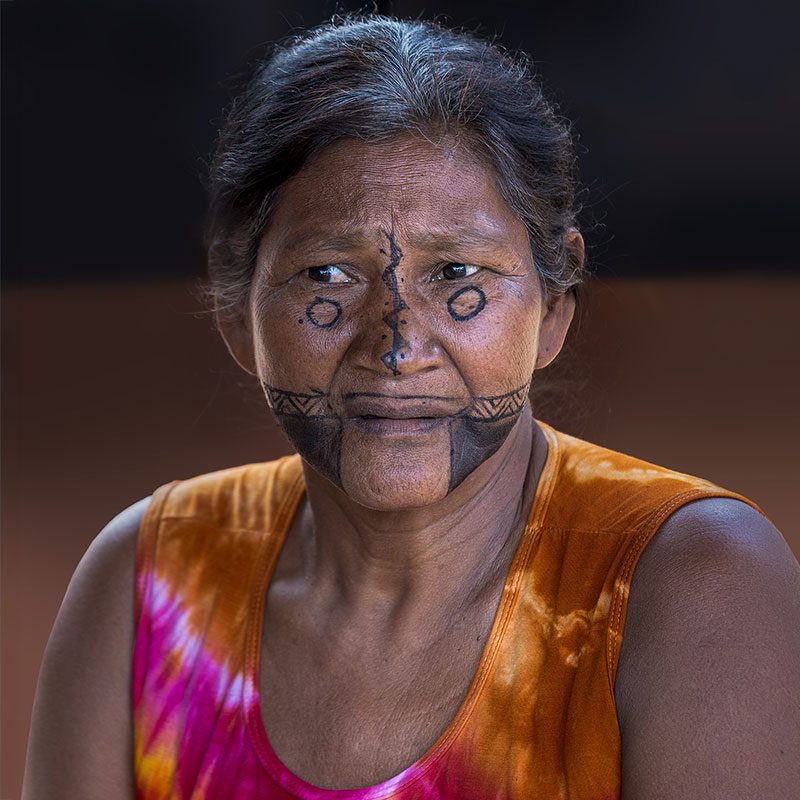
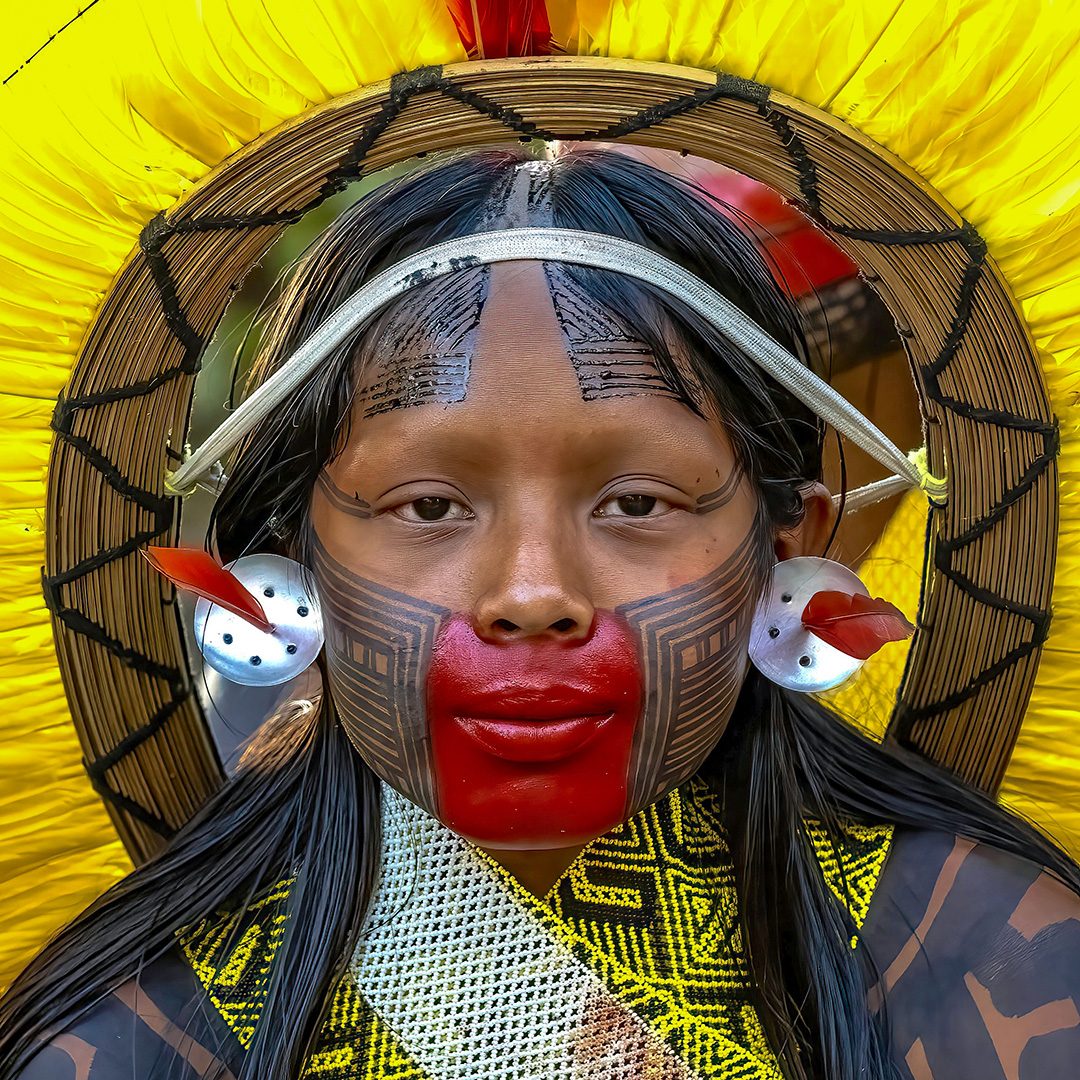
One of the main attractions of this ethnographic expedition to Brazil will be the encounter with the Kayapó tribe, also known as Mebengokre. We will venture into their protected indigenous territory, deep in the Amazon rainforest, to learn firsthand about their way of life and traditions. The Kayapó have maintained contact with Brazilian society since the late 1950s. Despite this, they retain relative autonomy and continue to defend their territories against the encroachment of ranchers, loggers, and illegal mining activities. Upon arrival, we will be greeted by members of the community, who will accompany us to the chief and elders. After introducing ourselves and explaining the purpose of our visit, we will witness a welcoming dance. We will also be able to admire the elaborate body paint used by both men and women. Later, we will witness a special ceremony related to the naming of Kayapó children. This tradition will allow us to understand some of the mechanisms by which the community transmits its identity and social bonds between generations. During our stay, we will accompany a group of women and children to the nearby forest to gather food, firewood, and medicinal plants. Deep in the jungle, they will prepare a traditional indigenous lunch, which we will share with them. This experience will allow us to learn firsthand about some of the ways the Kayapó use and understand the resources of their environment. In the afternoon, we will attend another ceremony dedicated to different expressions of Kayapó body identity. Men and women will demonstrate their face and body painting techniques, as well as traditional practices related to hair shaving and lip piercing. The day will conclude with a ritual dance around the bonfire. In this way, this stage of the ethnographic expedition to Brazil will offer an exceptional immersion into the daily life, ceremonies, and traditions of one of the most representative indigenous cultures of the Brazilian Amazon.

The Karajá Tribe: The People of the Water
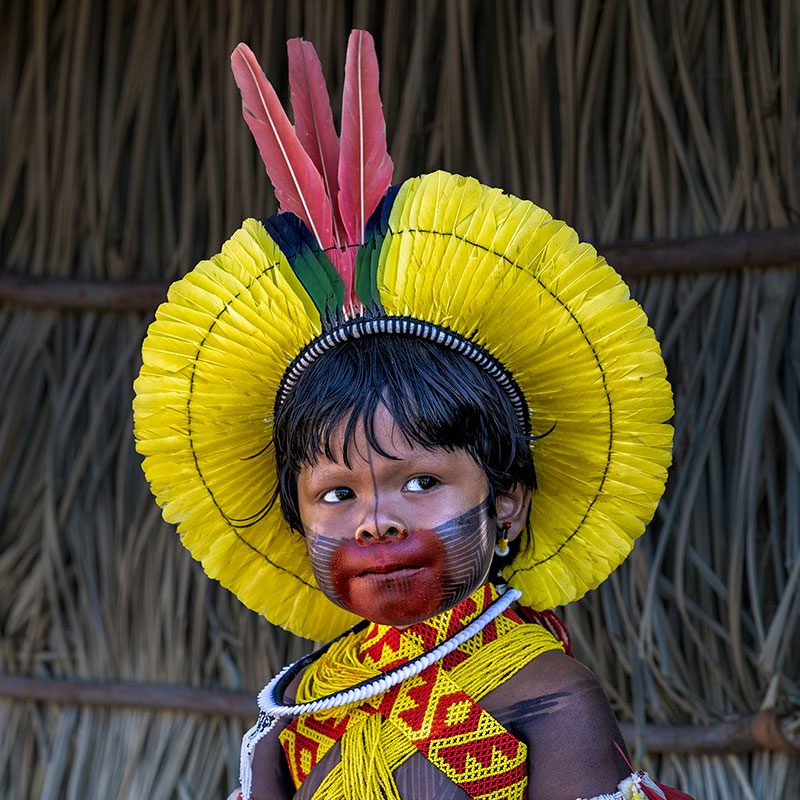
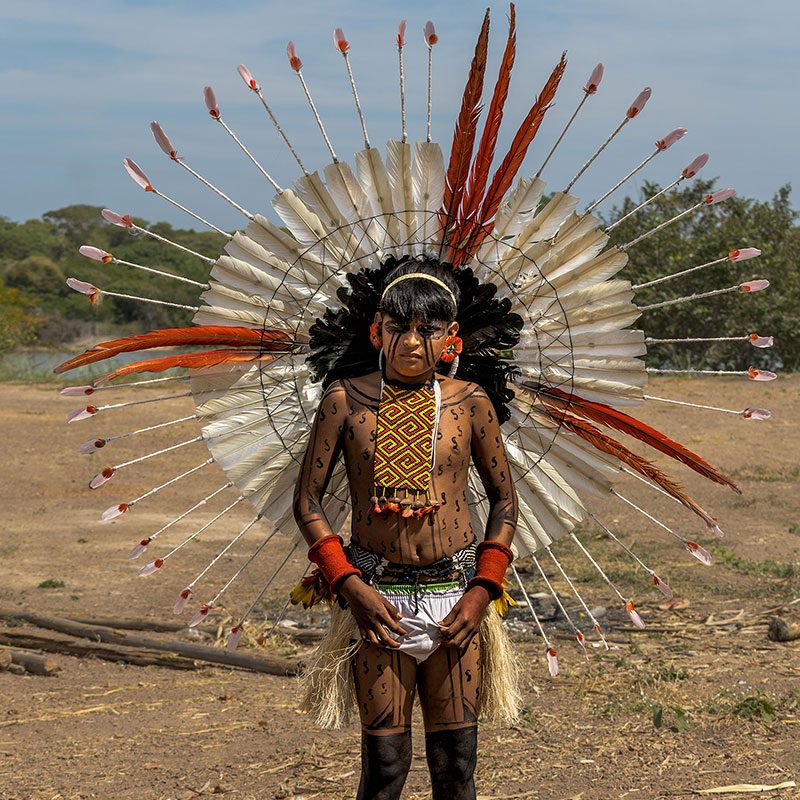
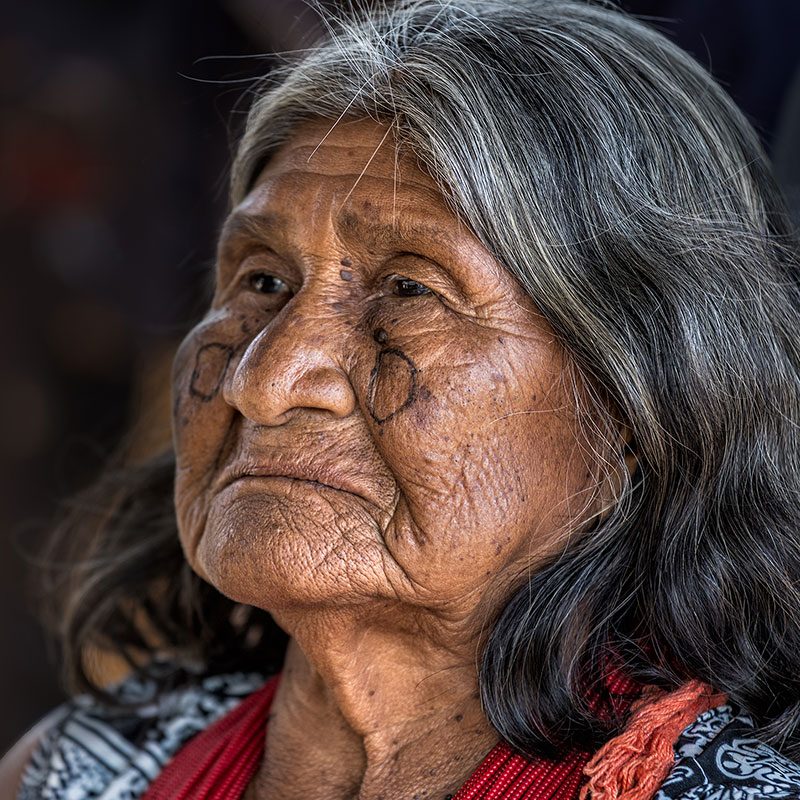
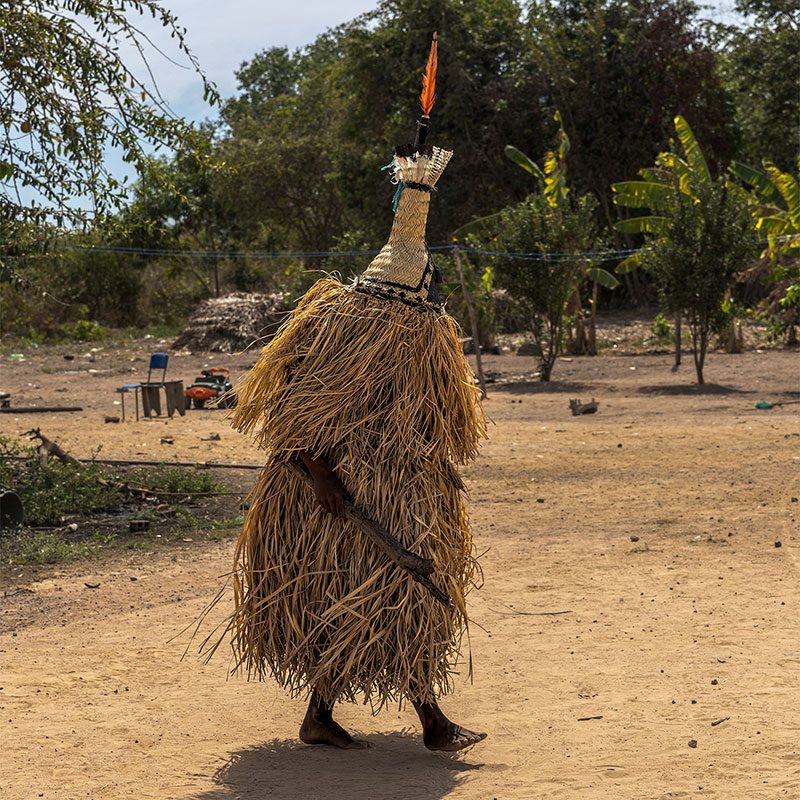
The ethnographic expedition to Brazil will continue to the territory of the Karajá tribe, located on Bananal Island. There, we will meet a community whose identity is deeply intertwined with the Araguaia River and the vast wetlands that surround it. The Karajá call themselves Iny, an expression that means "people of the water." This name reflects the importance of the river world in their culture and their understanding of the land. Upon arrival, we will be welcomed by the local chief and elders at the Sacred Meeting House. During our time with them, we will learn about different aspects of their culture from the shaman and the community chief. We will explore their rich cosmology and discover their unique pottery tradition, one of the most characteristic artistic expressions of this people. We will also learn about their body painting techniques, which differ from those used by the Kayapó. Some Karajá men and women still practice traditional tattooing on their chins and cheeks. To perform this ritual, they use needles and local black ink, maintaining a bodily practice linked to the community's cultural identity. The day will conclude with a traditional masquerade. In it, the young people will wear spectacular feather headdresses reserved for special occasions. This celebration will allow us to observe the importance that ornamentation, clothing, and ritual expressions hold within Karajá society. Thus, this stage of the ethnographic expedition to Brazil will allow us to discover a culture deeply connected to water, the Araguaia River, and the wetlands of Bananal Island.


The Waurá Tribe: Rituals, Spirituality, and Community Life in the Xingu
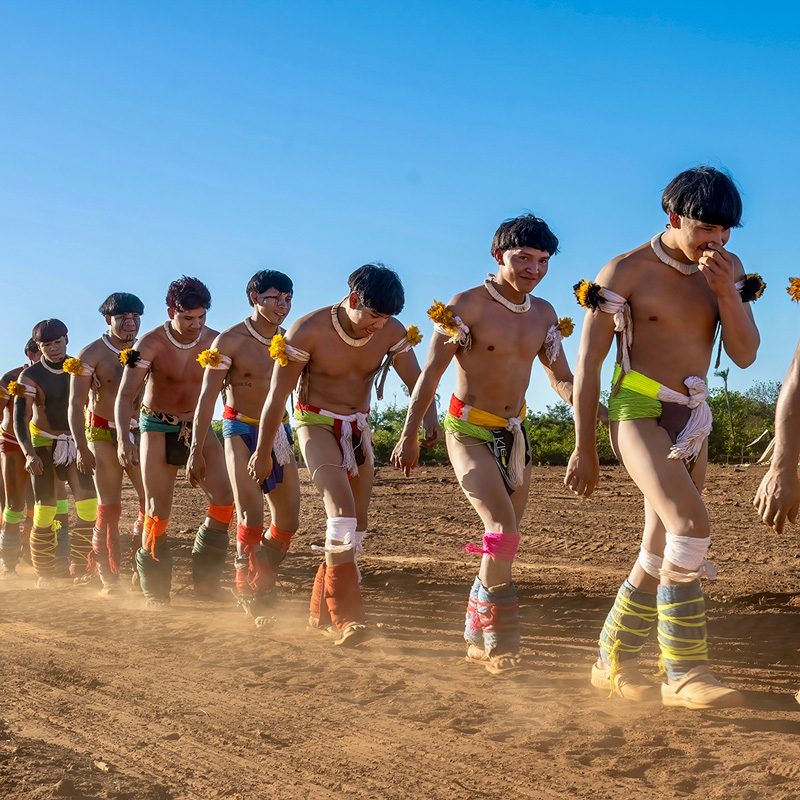
The next destination of this ethnographic expedition to Brazil will be the territory of the Waurá tribe, within the Xingu Indigenous Park. This is the oldest protected indigenous land in Brazil and one of the country's largest indigenous territories. Around sixteen different tribes live in the Xingu Indigenous Park. Some have only a few members, while others number over a thousand. In this region of the Upper Xingu, many communities maintain traditional ways of life and They continue to practice the animistic beliefs inherited from their ancestors. Upon arrival in the Waurá community, we will meet the chief and the elders. Afterward, we will witness a welcoming dance performed by men and women whose bodies are completely decorated with black and red paint. During our stay, we will learn about both the daily and sacred aspects of Waurá life. One of the most significant experiences will be attending a body scarification ritual inside a communal hut. These structures are among the largest in the Amazon and play a fundamental role in community life. We will also talk with the Waurá chief about the community's first contacts with the outside world, which occurred during the 1960s. We will learn how those contacts gradually transformed Waurá life and how the community has maintained some of its traditions despite these changes. In the afternoon, we will attend a huka-huka session, the traditional wrestling of the Upper Xingu region. This practice is one of the best-known ceremonial and sporting expressions of the region's communities. The experience will conclude with the traditional Pequi dance, performed by men and women inside and outside the chief's house. In this way, the ethnographic expedition to Brazil will allow us to explore different dimensions of the Wara culture, from their community life to their rituals, beliefs, and physical expressions.
Redenção and Cuiabá: The Rural World and the Gateways to Indigenous Territory
In addition to living with indigenous communities, the ethnographic expedition to Brazil will visit several sites linked to the recent history of the colonization of the Brazilian interior. Redenção is an agricultural town founded in the late 1970s. Its atmosphere reflects the importance of livestock and agriculture in this region of the country. During our stay, we will be able to explore the town center and experience its characteristic rural and livestock-based environment. The journey will continue to Cuiabá, the capital of the state of Mato Grosso and one of the main urban centers in this region. The city also serves as one of the main gateways to the indigenous territories of the Brazilian interior. Time permitting, we will explore its historic center before concluding the trip. This final leg will allow us to draw a contrast between the cities and the indigenous communities we will have encountered along the way. Overall, this ethnographic expedition to Brazil offers an immersion into some of the most fascinating indigenous cultures of the Brazilian Amazon. Encounters with the Kayapó, Karajá, and Waurá will provide insights into their social structures, beliefs, rituals, body language, arts, and traditional ways of relating to the land.
© Photos by Ana Robles, Pongtharin-Tanthasindhu and Joan Riera taken during an ethnographic expedition to Brazil.
► Download the itinerary for this ethnographic expedition to Brazil
Click the button below to easily access the download form for this trip's itinerary.


 ES
ES

