
 Trip to Angola from 17 to 30 July 2027 / From 3,850€
 Discover the highlights of this tribal trip to southern Angola
Luanda, Lubango and the traces of the colonial past
Luanda: colonial history and architecture
We will begin our tribal trip to southern Angola in Luanda, the country's capital. We will explore the old town of Baixa and its urban contrasts. Our walking tour will begin at the Cuban Heroes' Square. From there, we will pass the Grande Hotel, the former colonial hospital and a manor house linked to a family involved in the slave trade.The latter building now houses the Museum of Anthropology. We will then enter Merchant Street, the oldest alleyway in Luanda. Its origins date back to the early 17th century. Along the street, we will find former commercial establishments and decaying colonial buildings. We will continue to the Cathedral of Nossa Senhora dos Remedios, in Baroque style.
Also, we will visit the Hotel Moderno Tropical, built in 1947. Its architecture combines elements of Art Deco, Rationalism and African colonial architecture. Inside, we will be able to admire paintings by the artist Neves e Sousa. Finally, we will reach the Iron Palace, designed by Gustave Eiffel in the 19th century.


Lubango: heritage and culture in southern Angola
Lubango is the largest city in southern Angola and another highlight of the itinerary. We will visit its colonial centre and the Ethnographic Museum. This museum will allow us to discover the art and cultures of the tribes of southern Angola. In addition, we will be able to access old photographs of different ethnic groups preserved in its archive.Also, we will explore some examples of the city's urban architecture. Among them is the Radio Huíla building, an interesting Art Deco construction from the 1950s. The municipal market will bring us closer to everyday life in Lubango. The tour will end at the cathedral square.
Chibia: a small colonial town
During the journey, we will visit Chibia, formerly João d’Almeida. This small town preserves part of its colonial past. We will walk through its streets and reach its Neo-Baroque church. The visit will allow us to discover another example of the colonial architecture found in southern Angola.Namibe: colonial architecture facing the desert
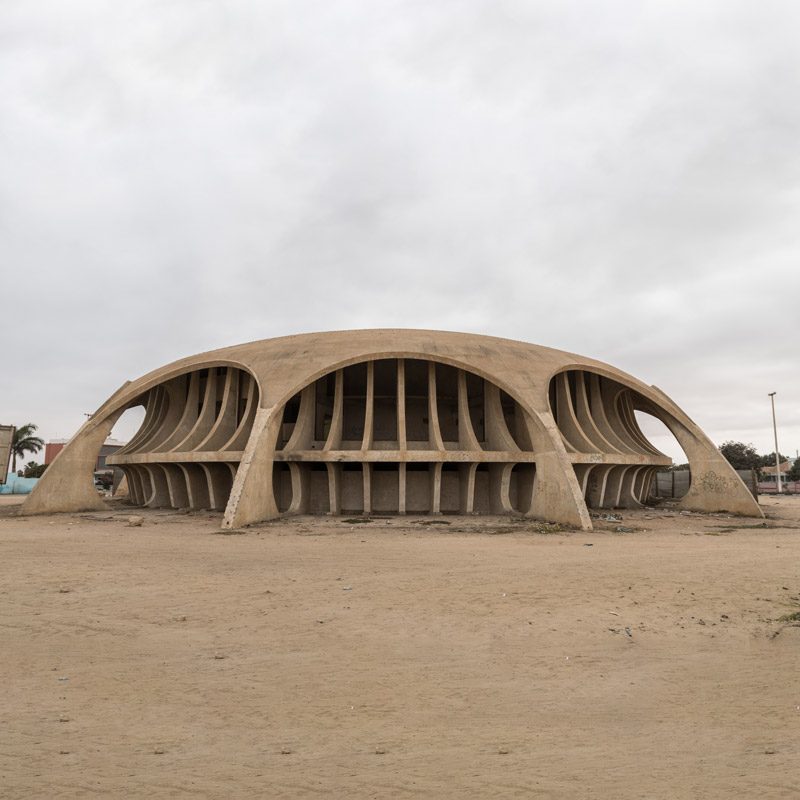
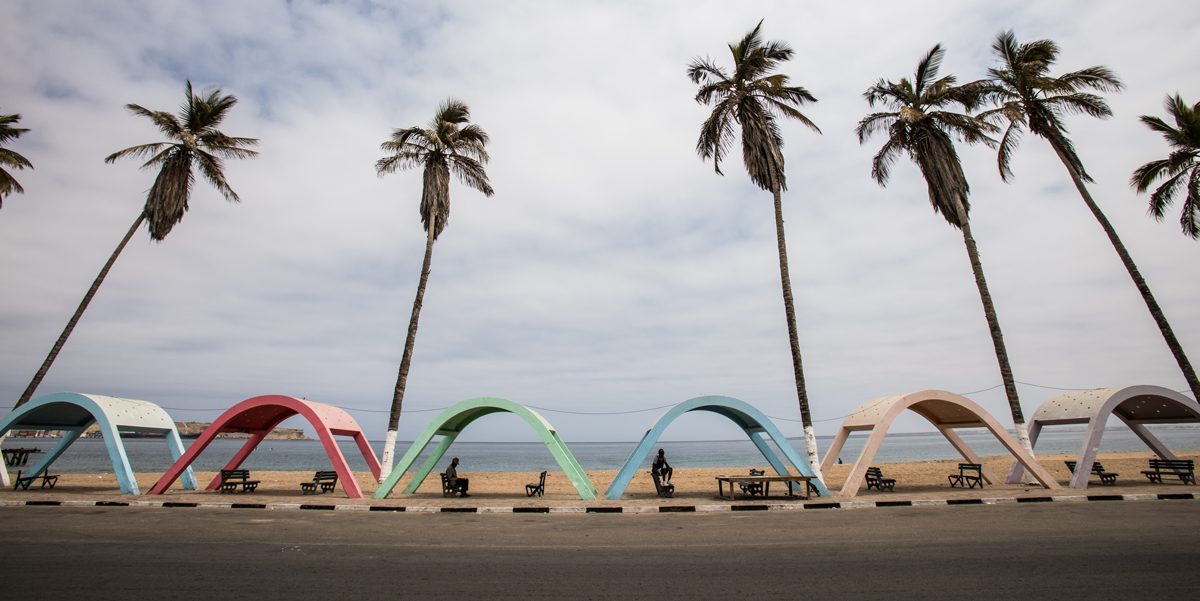
Namibe is an interesting colonial centre located beside the ocean. The city preserves numerous buildings that recall its Portuguese past. We will walk through its historic centre from the waterfront. We will pass the former Art Deco Club Marítimo and the Moçâmedes cinema-theatre, built in 1937. We will also visit the National Museum, housed in the former home of a Brazilian family involved in the slave trade. The tour will continue to the former regional headquarters of UNITA, in the Modern Tropical style.Also, we will see the former Hotel Moçâmedes and a beautiful guesthouse dating from 1947. Inside, an elegant mahogany staircase stands out. The tour will also take us to the former fisheries office, the courthouse and the Baroque cathedral. Finally, we will discover the modernist Cine Estúdio Namibe, built in concrete in 1968 and featuring a distinctive UFO shape.
Tombwa and Garganta: traces of the Portuguese past
In Tombwa, we will discover another fishing town marked by its colonial past. We will explore its main historic buildings and spaces. The itinerary includes the Art Deco cinema, the church and the former colonial school. We will also pass through the central square, surrounded by buildings that recall the city's past. In Garganta, we will visit a former Portuguese settlement linked to a railway station. The town therefore preserves another example of the colonial presence in the interior of Angola.Catete and the Cuanza River
At the end of the journey, we will visit the colonial town of Catete. We will also sail along the Cuanza River, one of Angola's great waterways. The Cuanza was a fundamental route for Portuguese explorers who penetrated inland into Kimbundu tribal territory. The river will allow us to explore the history of the first contacts between the Portuguese and inland populations.From the mountains of Huíla to the Namibe Desert
Serra da Leba: the great descent towards the desert
One of the great landscapes of the tribal trip to southern Angola will be Serra da Leba. We will descend from the Huíla plateau along its famous pass. From its viewpoints, we will admire one of Angola's most iconic panoramas. The contrast between the mountains and the arid expanses of the south announces the change in landscape that we will encounter later.Tunda Vala: landscapes above the plateau
Near Lubango, we will also enjoy the views from the Tunda Vala viewpoint. This spot offers an impressive perspective over the landscapes of southern Angola. The surroundings allow us to appreciate the transition between the Huíla plateau and the more arid lands stretching towards the coast.Mungongo Oasis: life in the desert
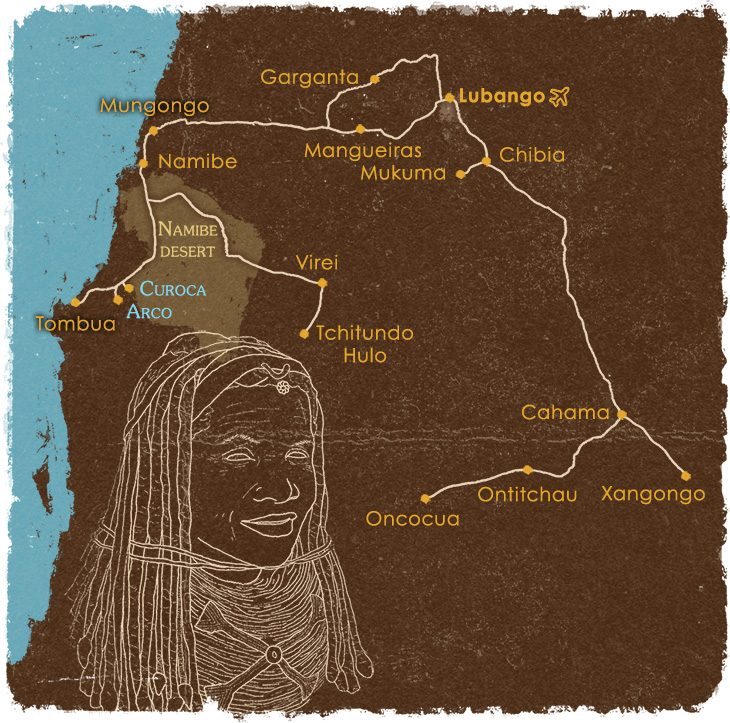
Our journey will continue to Mungongo Oasis, located in the Namibe Desert area. The oasis is a fertile enclave in the middle of Africa's oldest desert, the Namib. There, we will meet the local community settled around this area of water and vegetation. We will also visit its church and may attend its choral singing. The oasis shows how human life has managed to establish itself in one of the continent's most extreme environments.Caraculo and the landscapes of Namibe
Caraculo is a former colonial settlement founded in 1947. It was one of the Salazar dictatorship's projects to colonise the desert. Its name comes from “caracul”, a breed of Asian sheep capable of withstanding drought conditions. The settlement is a curious testimony to attempts to transform and colonise the arid territory of Namibe. Later, we will enter fully into the desert landscapes of southern Angola. There, we will find some of the most extreme and unique settings of the journey.Tchitundo Hulo: rock art more than 20,000 years old
At Tchitundo Hulo, we will discover one of southern Africa's great archaeological treasures. Its rocks preserve paintings and rock engravings more than 20,000 years old. This archaeological complex allows us to learn about the populations that inhabited these lands long before today's societies. It also introduces a prehistoric dimension to our journey through southern Angola.Red Rocks: a lunar landscape
At Curoca, also known as Red Rocks, we will find one of the most spectacular landscapes of the journey. The rock formations create a lunar-looking setting. This desert landscape is also home to indigenous communities that have maintained ways of life adapted to one of Angola's most arid environments.An encounter with Angola's traditional cultures
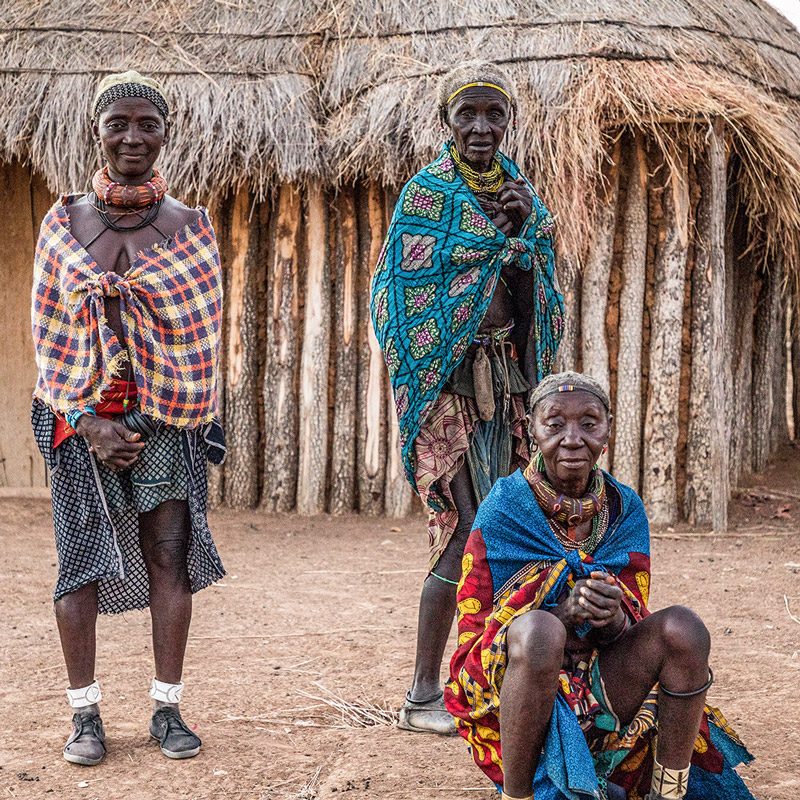
The central focus of the tribal trip to southern Angola will be the encounter with different peoples of the country. We will meet communities that preserve their own traditions, ways of dressing and social structures.
The Handa: traditional hairstyles and adornments
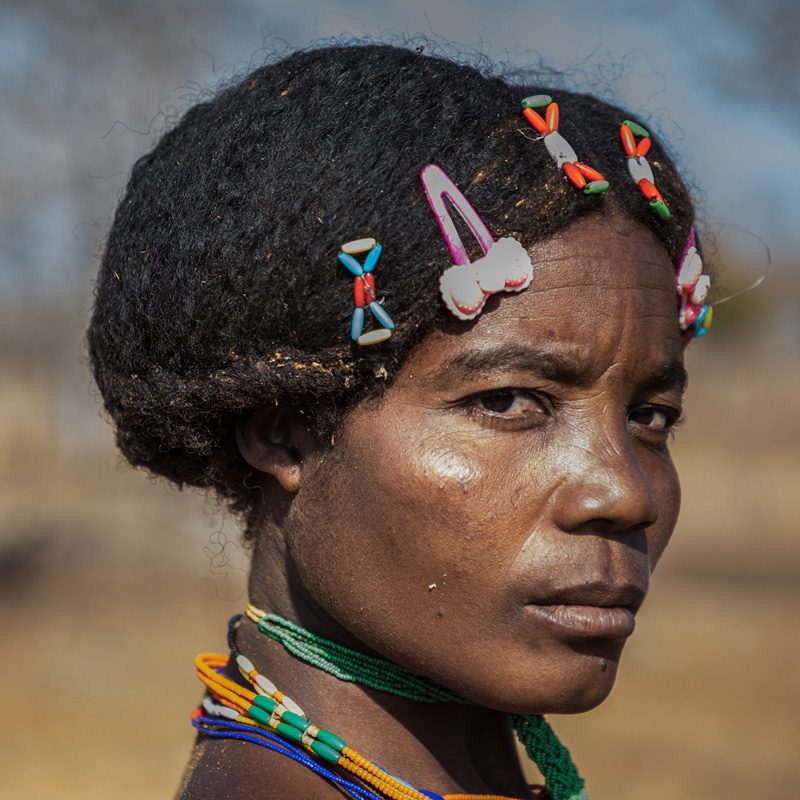
The Handa will be one of our first encounters with the traditional cultures of southern Angola. This community stands out for its large white-bead necklaces and elaborate hairstyles. We will visit one of their villages and have the opportunity to get closer to their everyday life.

The Muila: Angola's most emblematic tribal identity
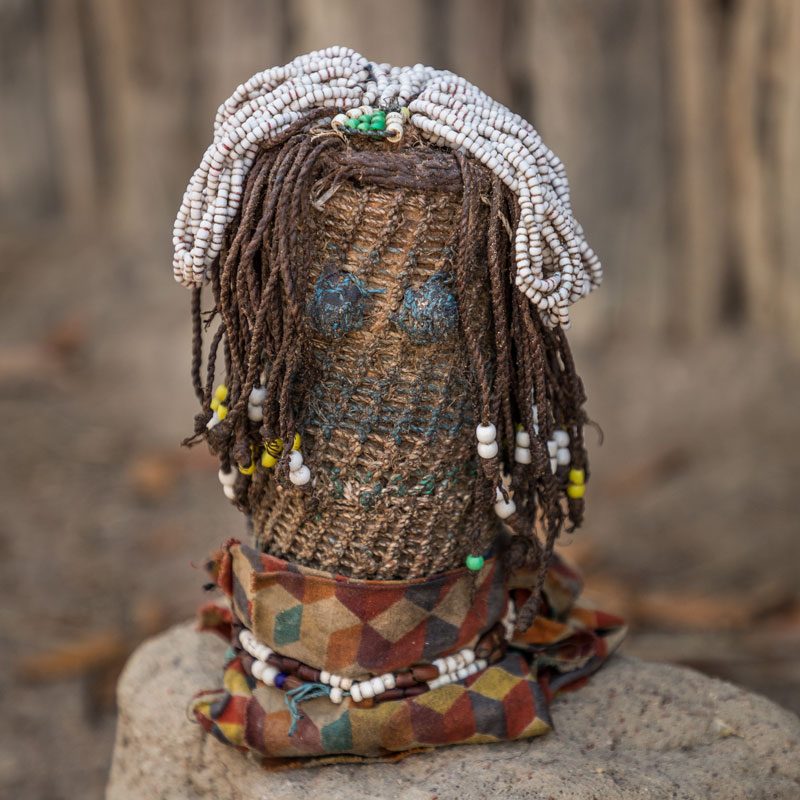
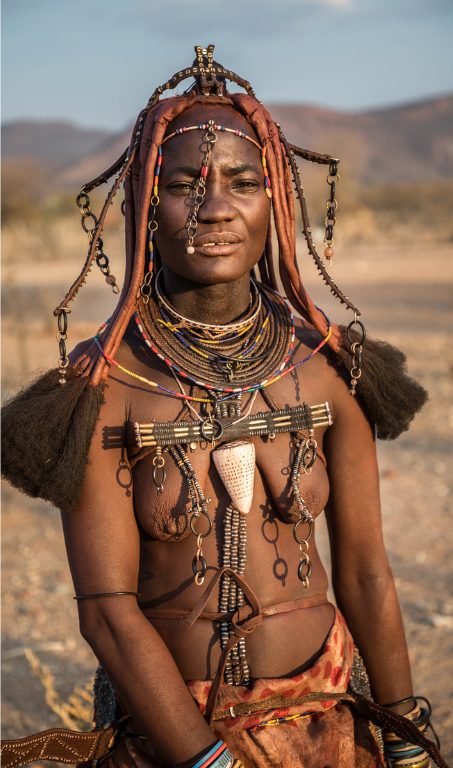
The Muila are one of Angola's most emblematic and recognisable peoples. Their aesthetic and elaborate adornments make them one of the country's most distinctive cultures. First, we will meet the plain Muila in the community of Kamuviu. There, we will greet the Soba, the local chief, and meet his different wives. We will then approach the mountain Muilas, considered the most conservative group. We will explore their market and may photograph the fully adorned women, always requesting their permission beforehand. At the market, we will also find traditional tribal dolls carved from wood. We may also purchase Nyaneka textiles, characteristic of the region.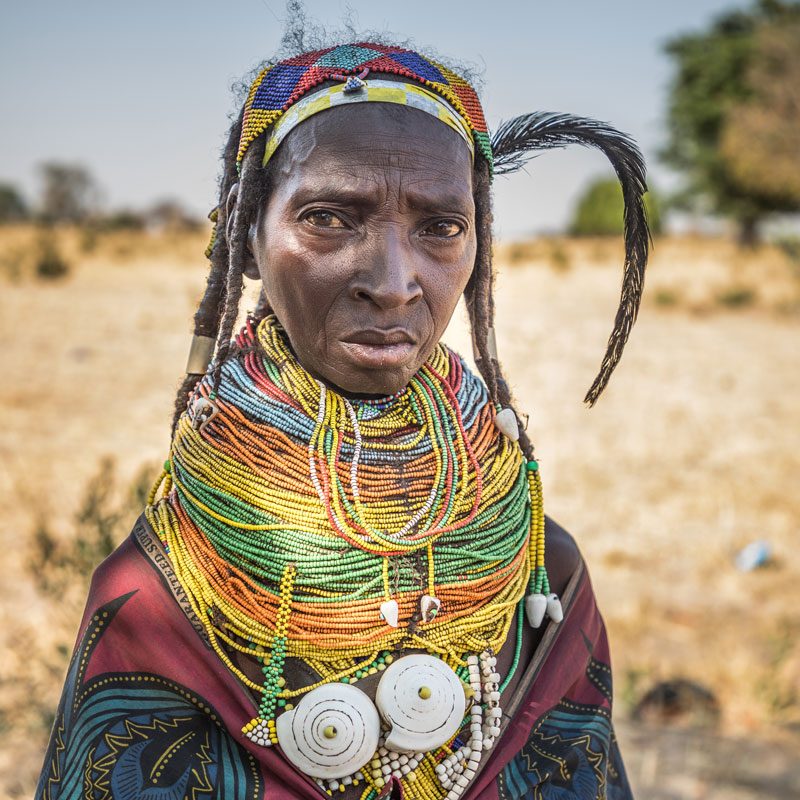
The Humbi: distinctive hairstyles for rites of passage
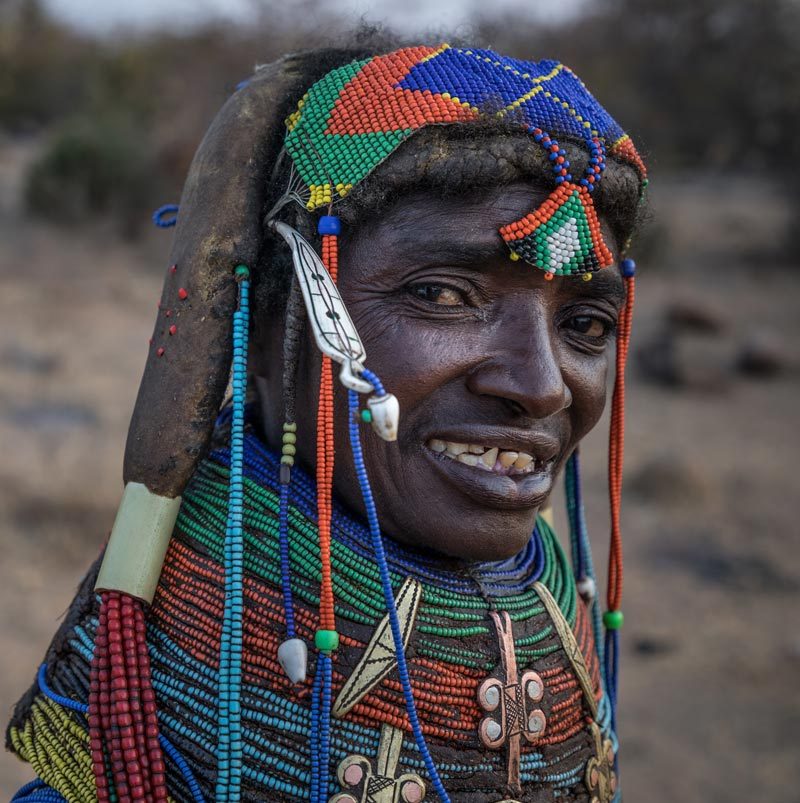
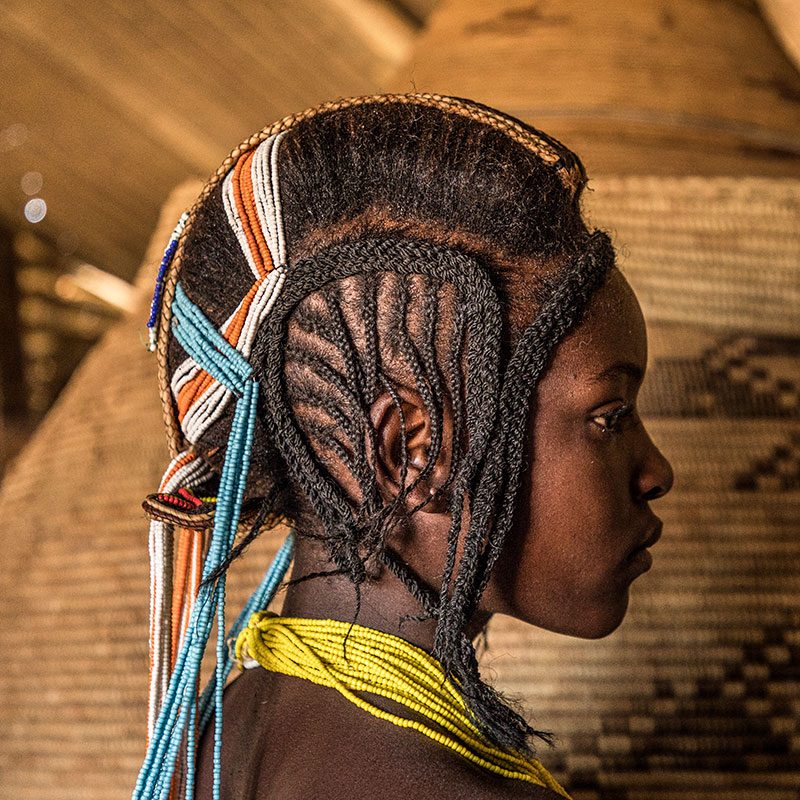
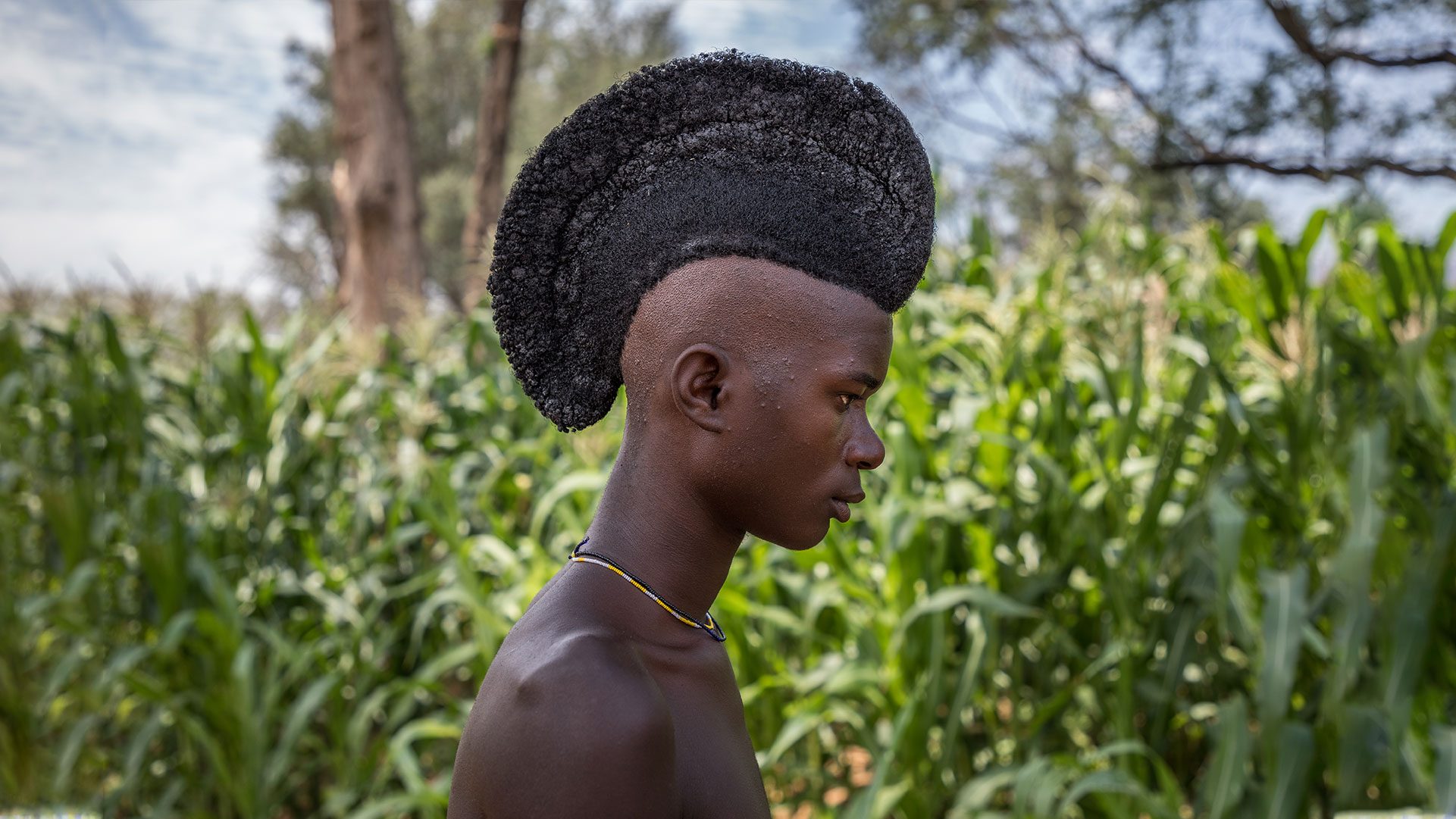
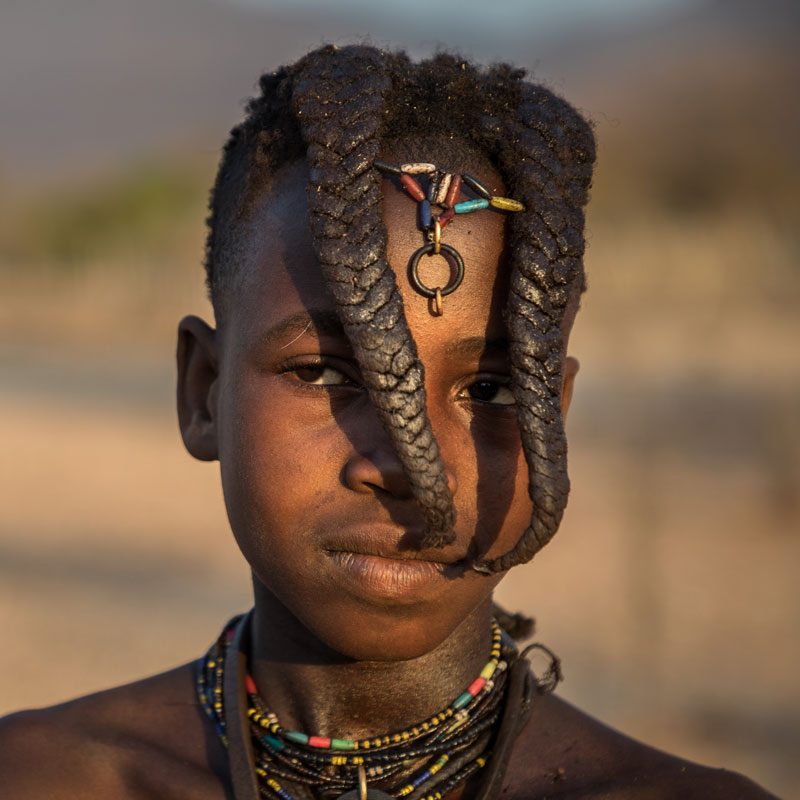
In the deep south of Angola, we will meet the Humbi. They are particularly known for the distinctive “parabolic” hairstyles worn by young women during their rites of passage. Arriving at the village will allow us to meet the Humbi queen and get closer to their culture. In addition, the territory is dotted with enormous baobabs that form part of the community's landscape.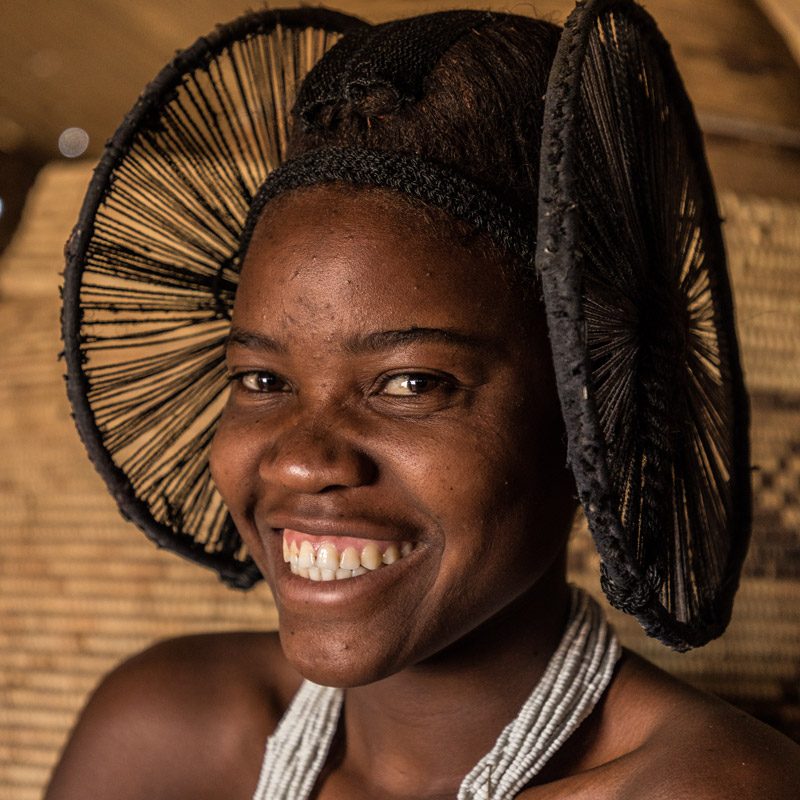
Dimba: a culture in transformation
In Cahama, we will meet the Dimba, a people undergoing a clear process of Westernisation. Missionary activity has brought about significant changes in their ways of life and traditions. Their presence allows us to observe the transformations experienced by some of Angola's traditional cultures.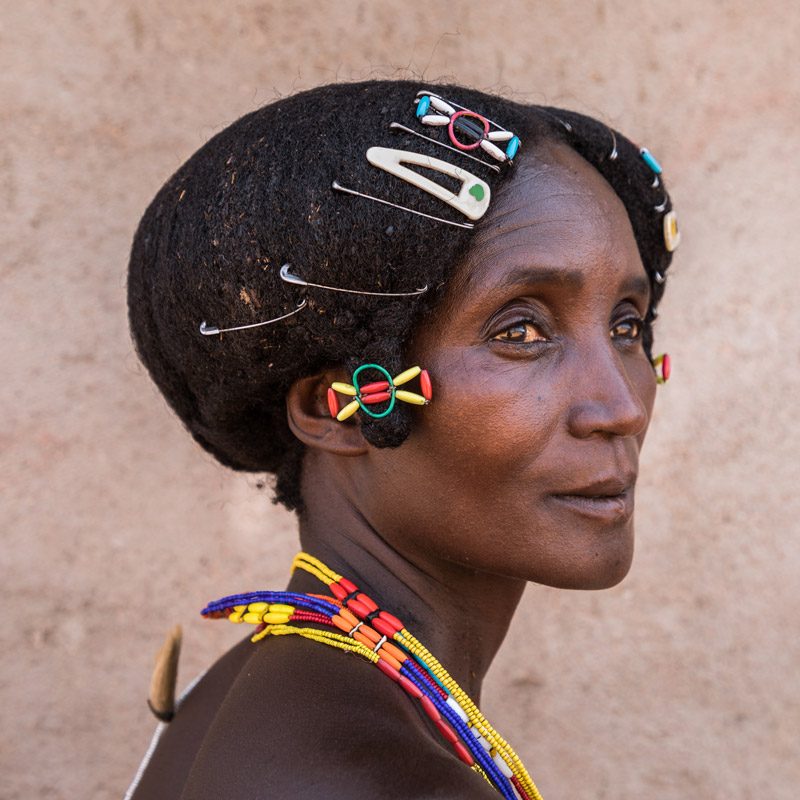

Cubal and Ngendelengo: peoples of the deep south
In the Namibe region, we will come into contact with the Cubal and the Ngendelengo. The Cubal are an indigenous population of the region. We will be able to meet some of their women in Virei and also communities living near the rock formations of Tchitundo Hulo.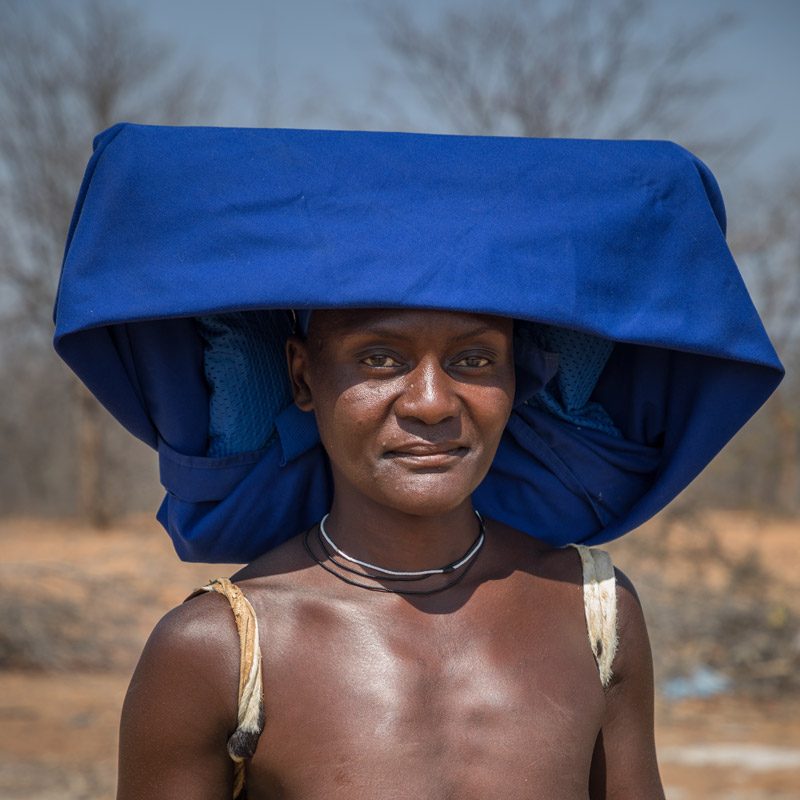
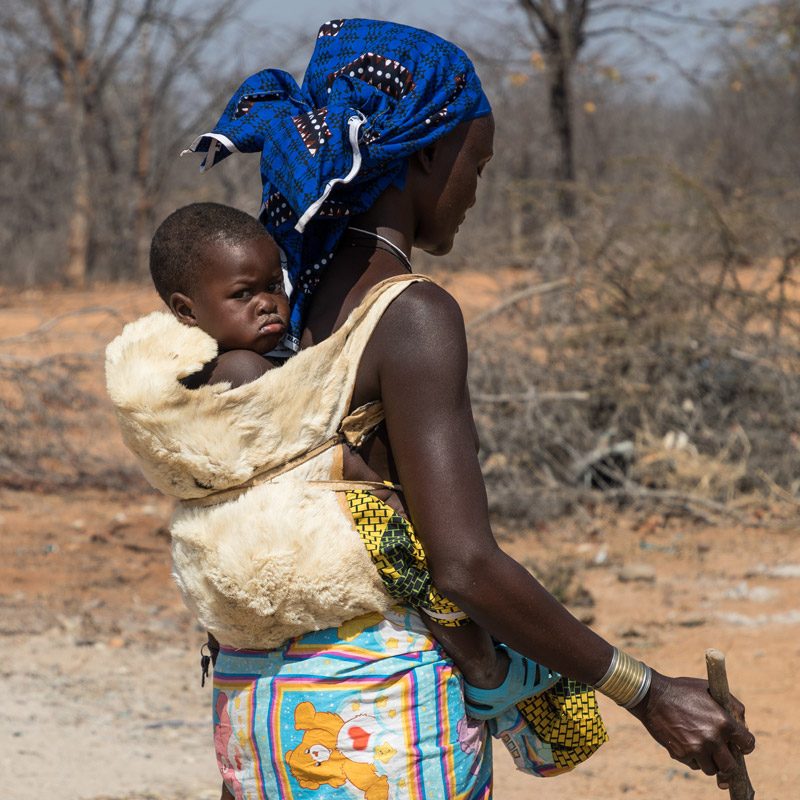
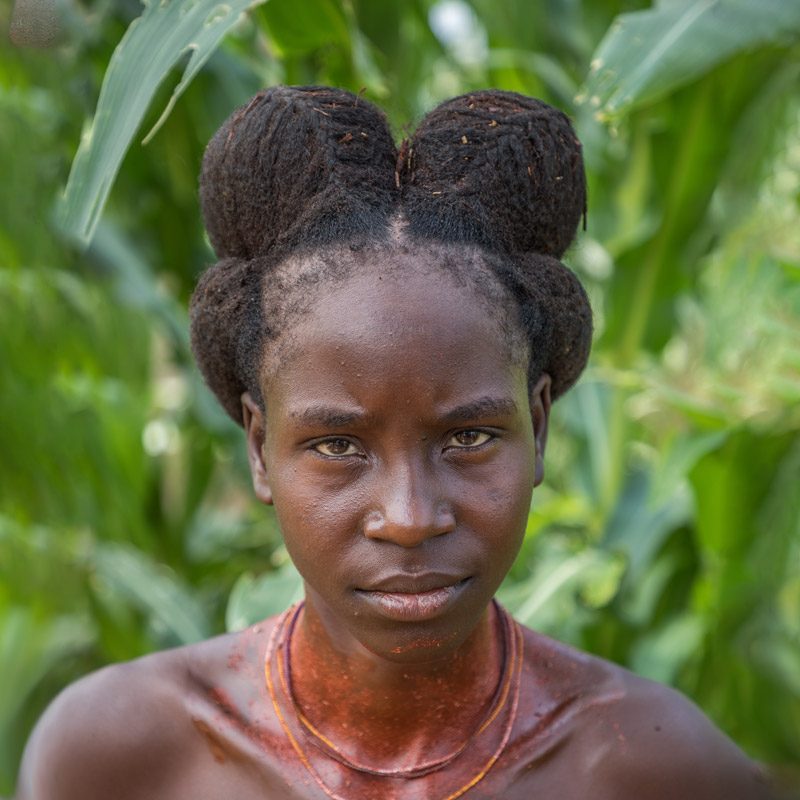
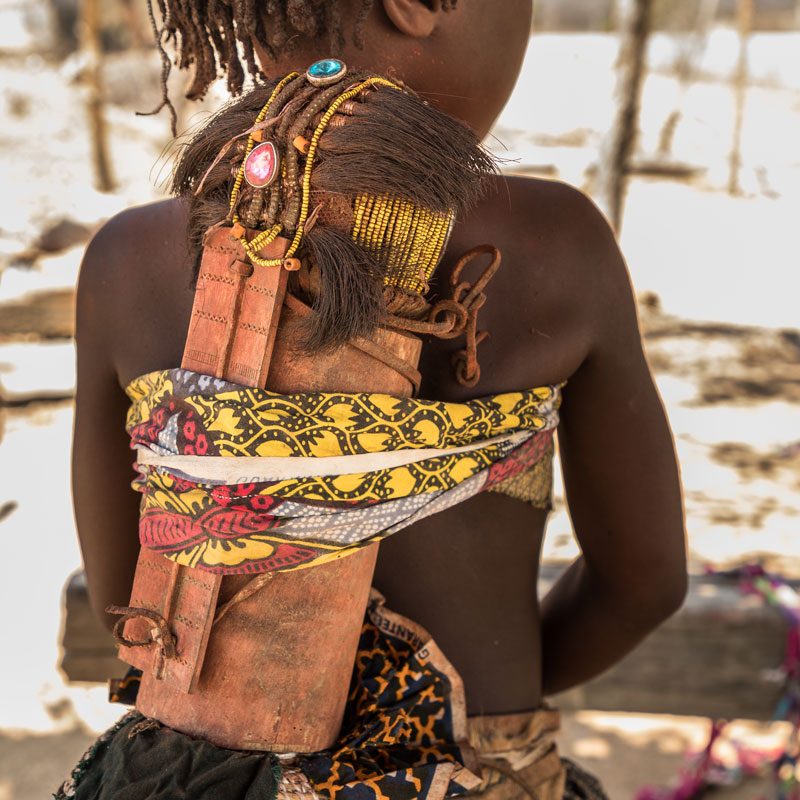
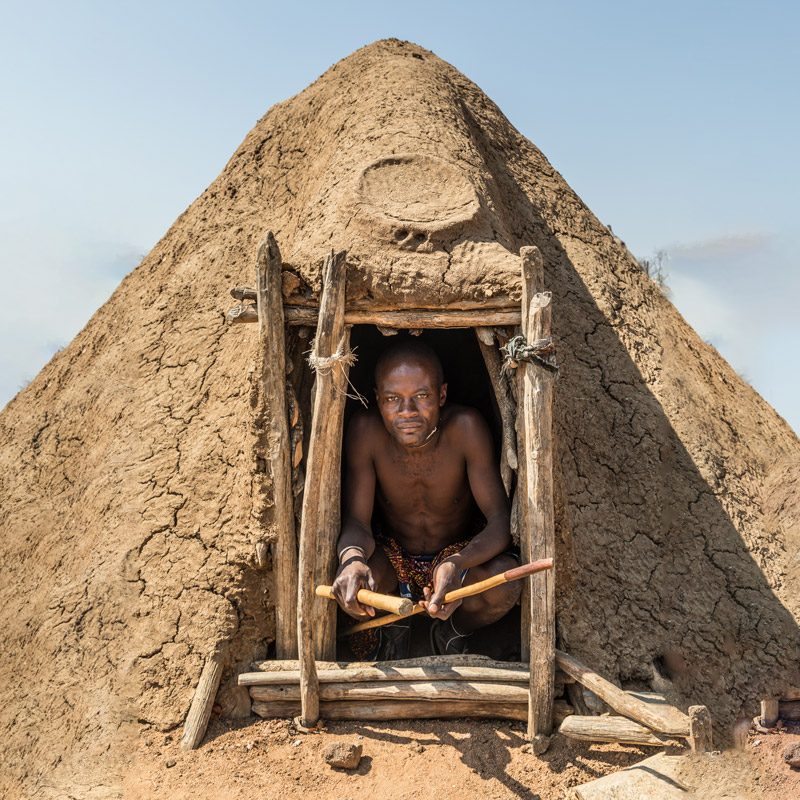
The Ngendelengo are a minority group of around 300 people. Traditionally, they are engaged in goat herding and hunting. Some of their women wear a distinctive hairstyle consisting of large, voluminous buns. They also live in raised granary-shaped structures.
Cuepe: the inhabitants of the desert
In Curoca, we will meet the Cuepes, also known as the Napas. They are considered Angola's smallest tribe. They live in one of the country's most arid environments and maintain ways of life adapted to the extreme conditions of the desert. Their presence represents one of the final ethnographic encounters of the tribal trip to southern Angola. Overall, this tribal trip to southern Angola offers an immersion in the cultural and landscape diversity of the south of the country. The result will be a journey through some of Angola's least-known cultures and landscapes.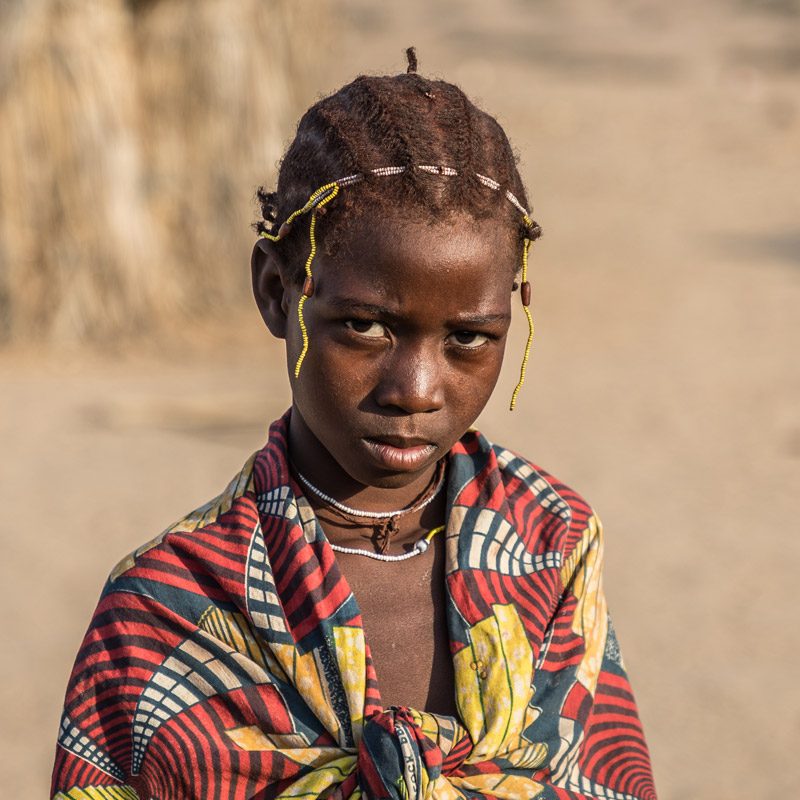
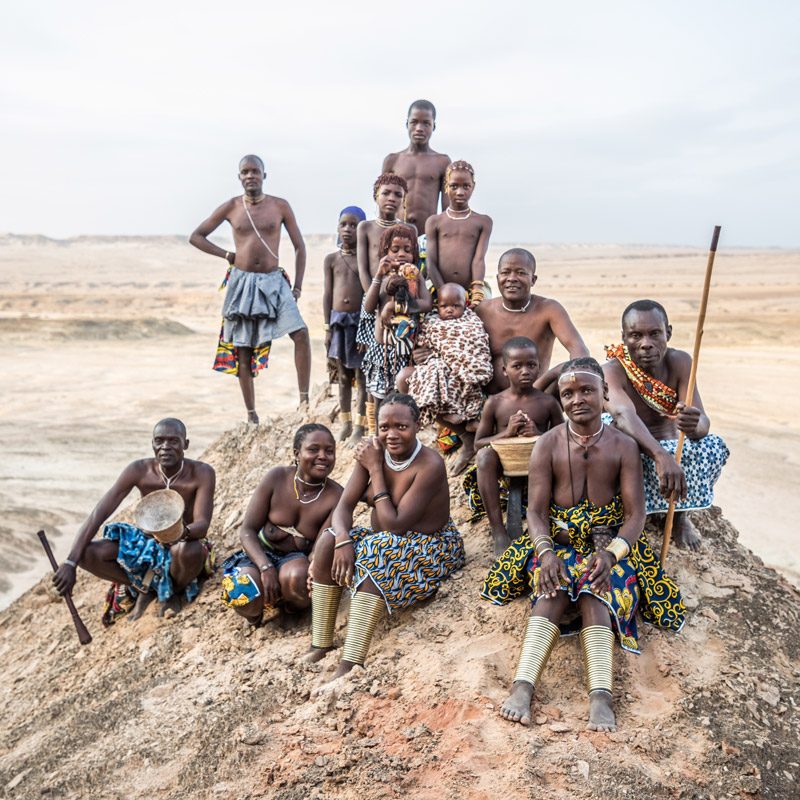
Oncocua: a territory of great tribal diversity
Oncocua is home to extraordinary ethnic diversity within a relatively small territory. Up to six tribal groups live in this region. Exploring its villages will allow us to discover different ways of life and traditions. The cultural variety of the area is one of the great anthropological attractions of the tribal trip to southern Angola.
Tua: crafts and gathering
The Tua are an artisan and gathering ethnic group native to the region. We will visit one of their communities to learn about their customs and everyday life. Their appearance may recall that of the Himba. However, their clothing is more austere, and the children do not wear the characteristic hairstyles of Himba children.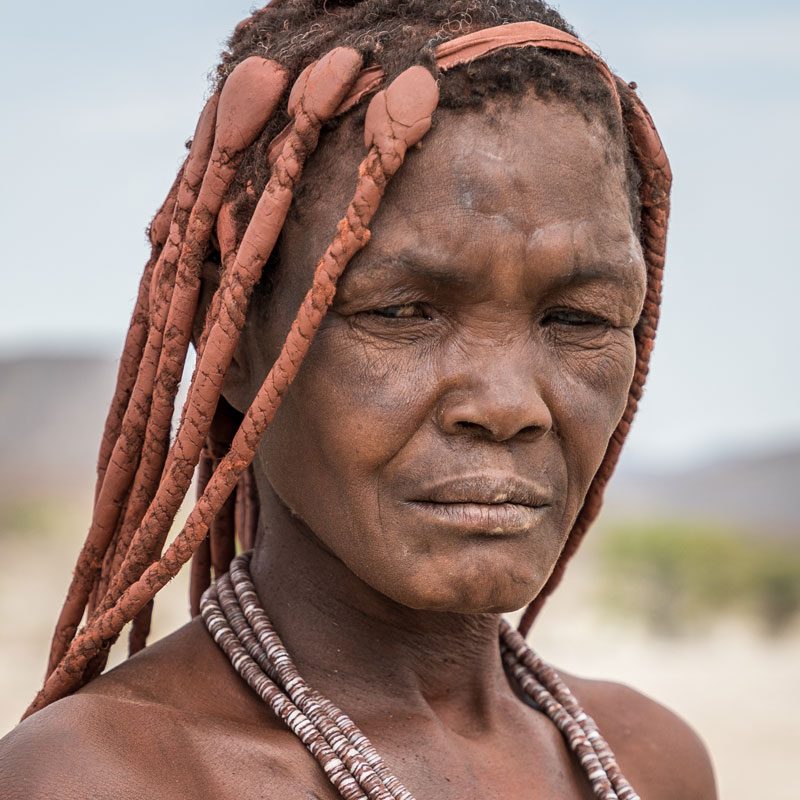
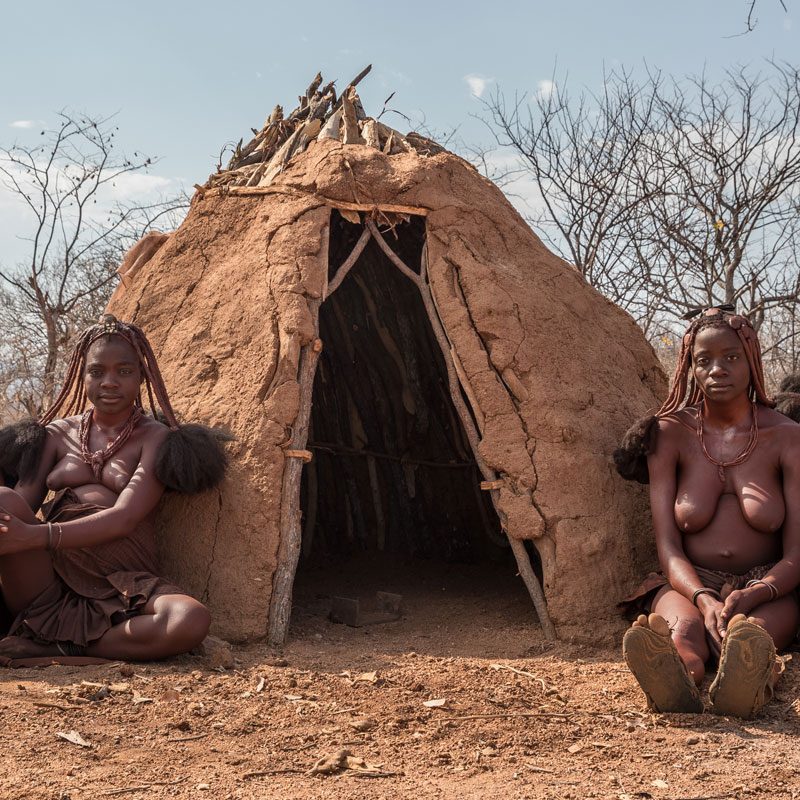
Hakaona: the “Black Himbas”
The Hakaona are also known as the “Black Himbas”. They are recognised for their knowledge as healers and artisans. Like their Himba neighbours, they form a semi-nomadic pastoral society. Their culture shares elements with other peoples in the region, but also retains its own distinctive characteristics.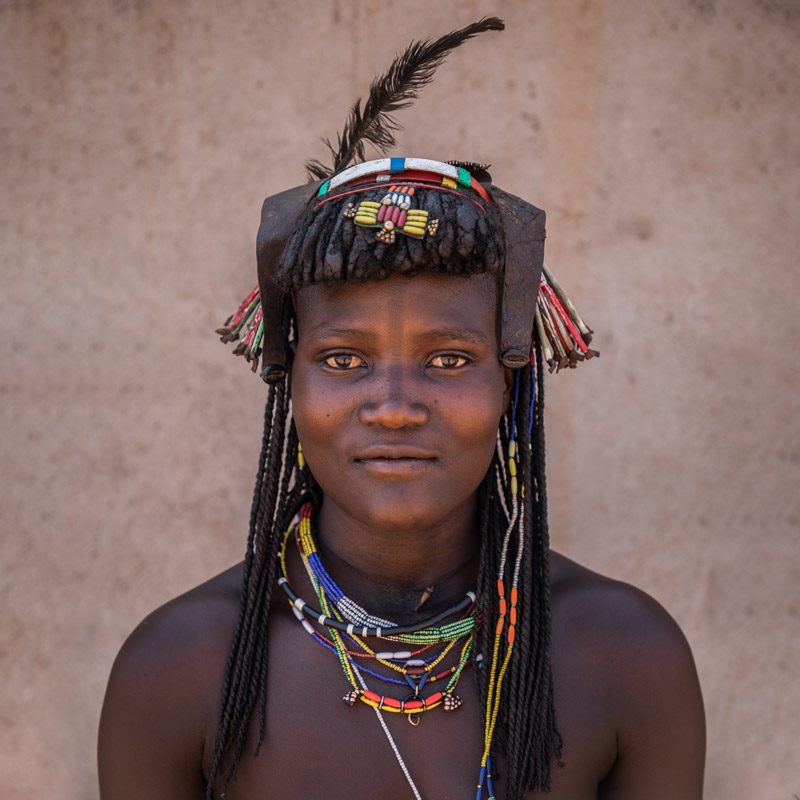
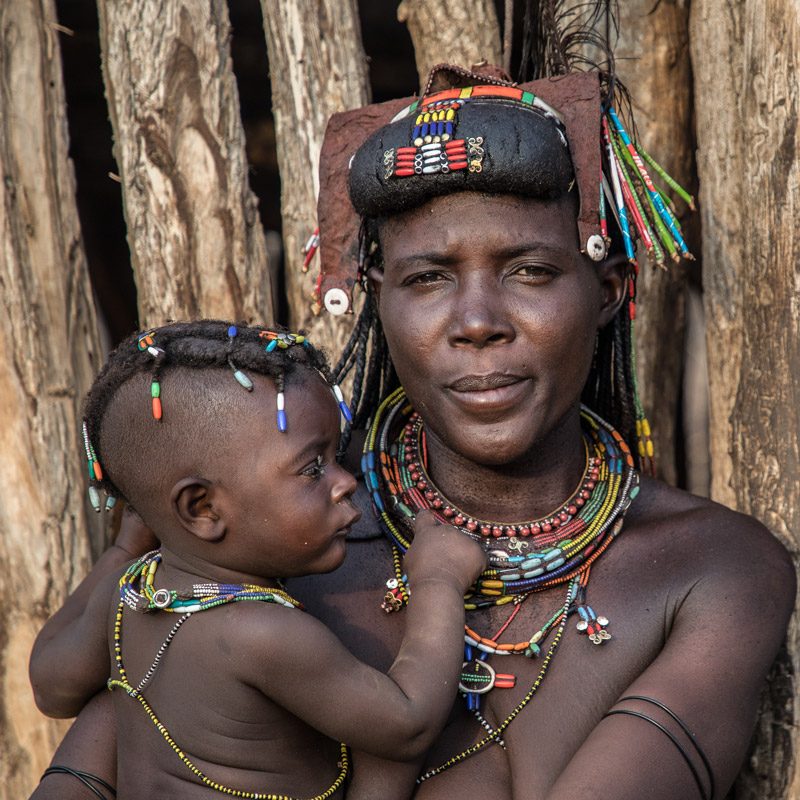
Gambue: a community relocated during the colonial period
The Gambue originate from the Huíla plateau. During the Portuguese colonial period, they were relocated to Oncocua to work in agricultural activities. This displacement is particularly significant because the tribes of the area traditionally had a pastoral economy and did not master cultivation techniques.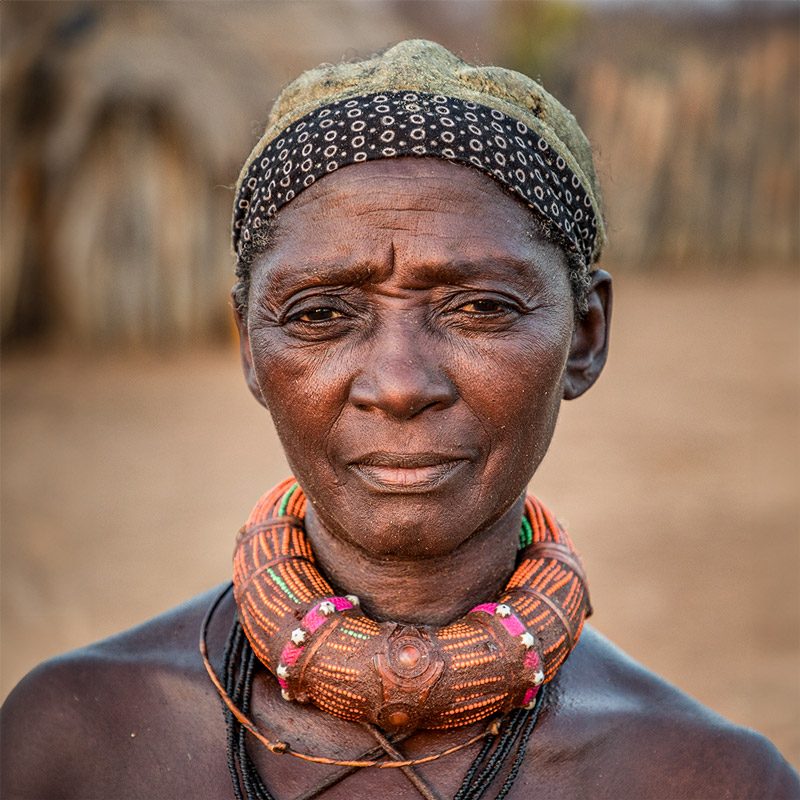
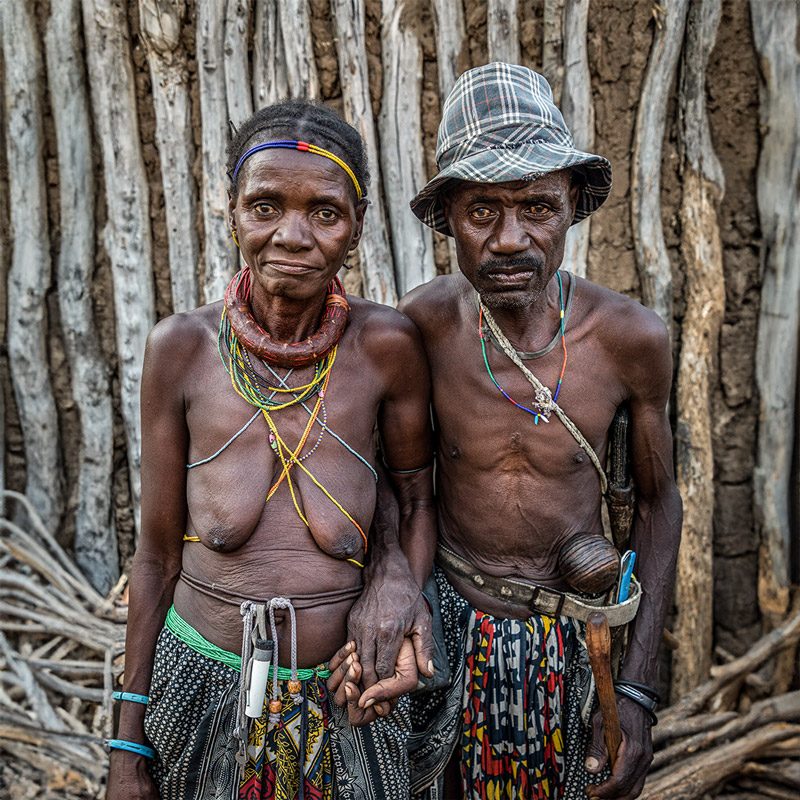
Himba: at the top of the social hierarchy
The Himba occupy the highest position within the traditional social hierarchy of this region of Angola. Their status is related to the amount of livestock they own and their possession of large areas of land. Their presence will allow us to discover one of the best-known pastoral cultures of southern Africa.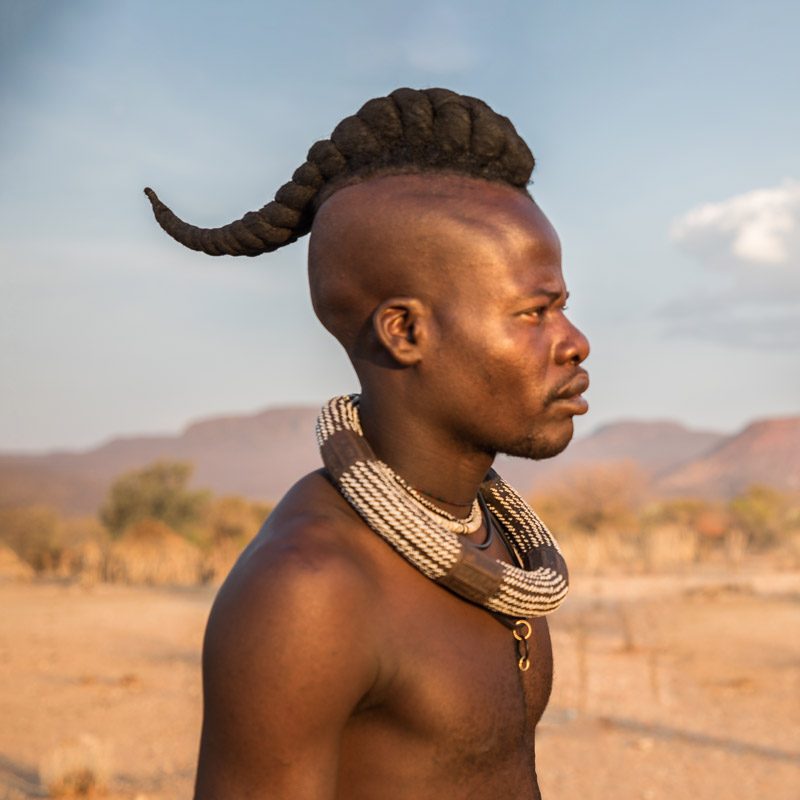

Cuis: nomadic potters
The Cuis are the final tribal group we will meet in the Oncocua region. They are potters and live in nomadic camps. They move around the region selling their handicrafts at tribal markets.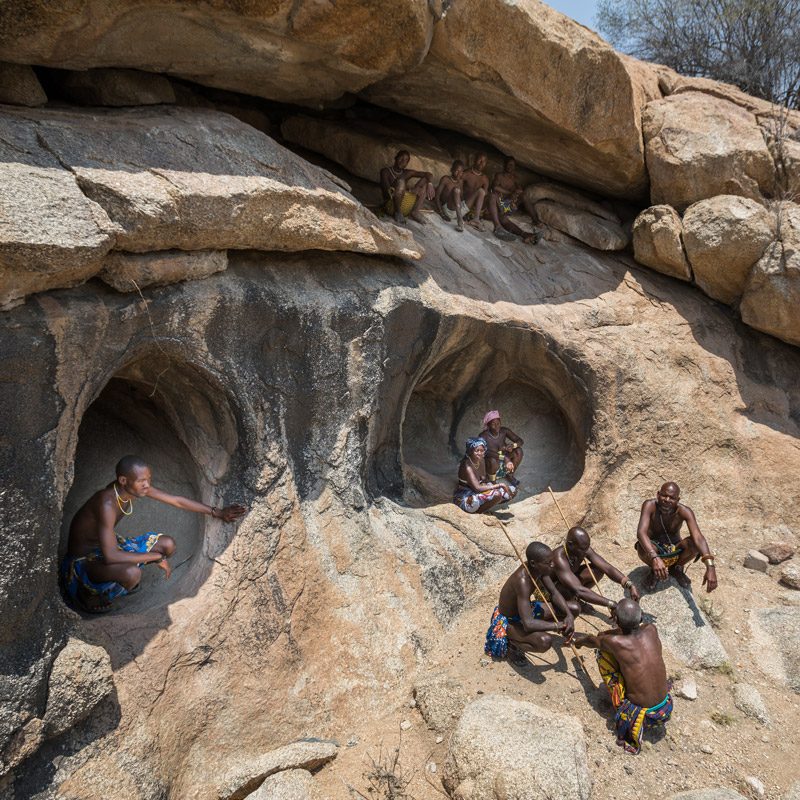

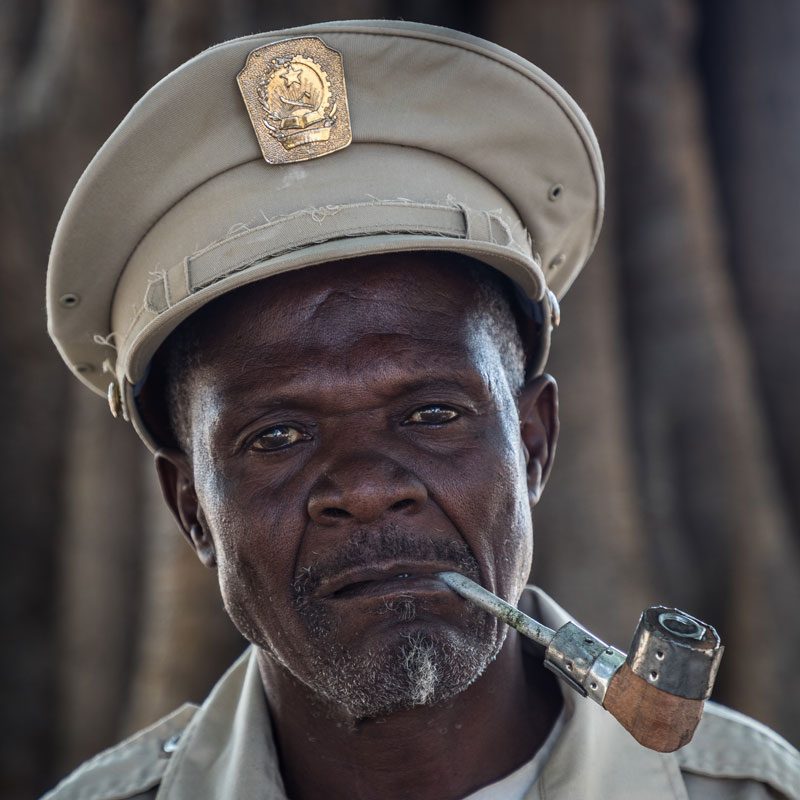
© Photos by Maria Villaronga, Edith Scharffenberg and Aníbal Bueno taken during a tribal trip to southern Angola.
► Download the itinerary for this tribal trip to southern Angola
Click the button below to reach the itinerary download form for this tribal trip to southern Angola easily.


 ES
ES

