
 Trip to Chad from 24 Jan. to 2 Feb. 2027 / From 3,890€
 Discover the highlights of this anthropological trip to Chad
Lake Chad tribes: nomadic peoples and lacustrine cultures
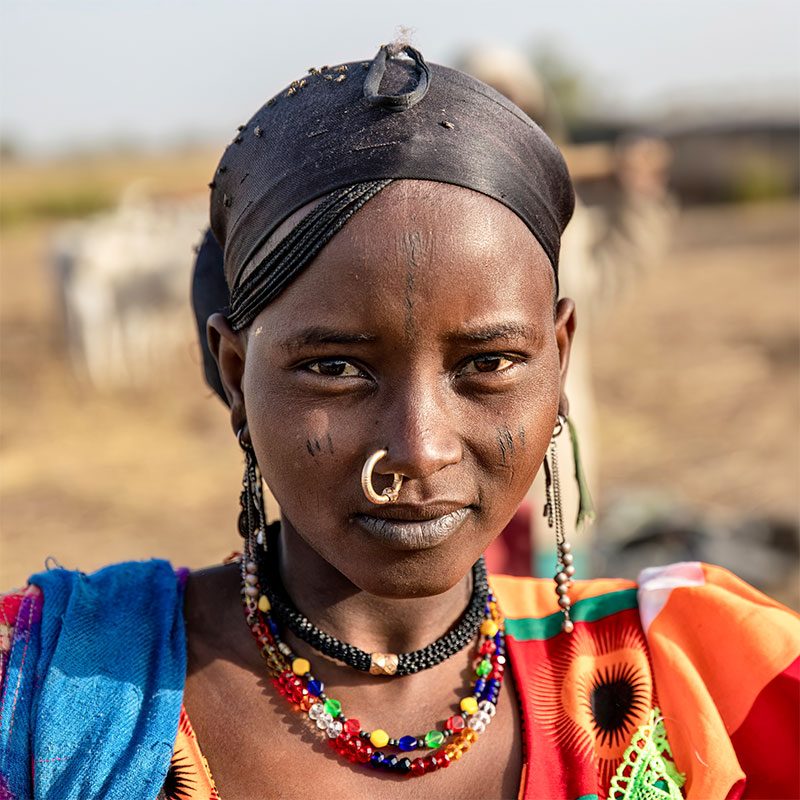
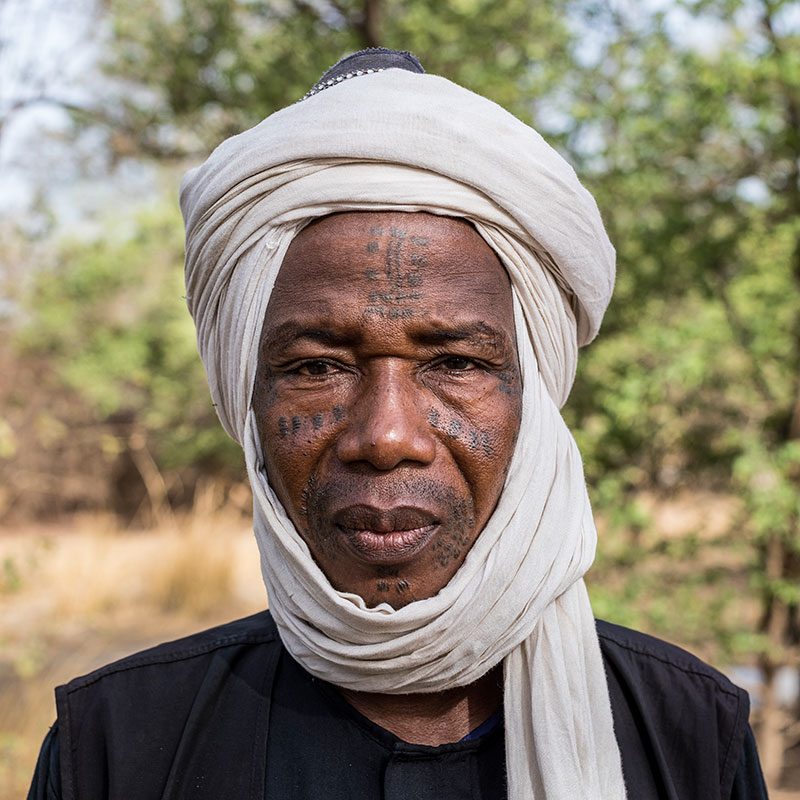
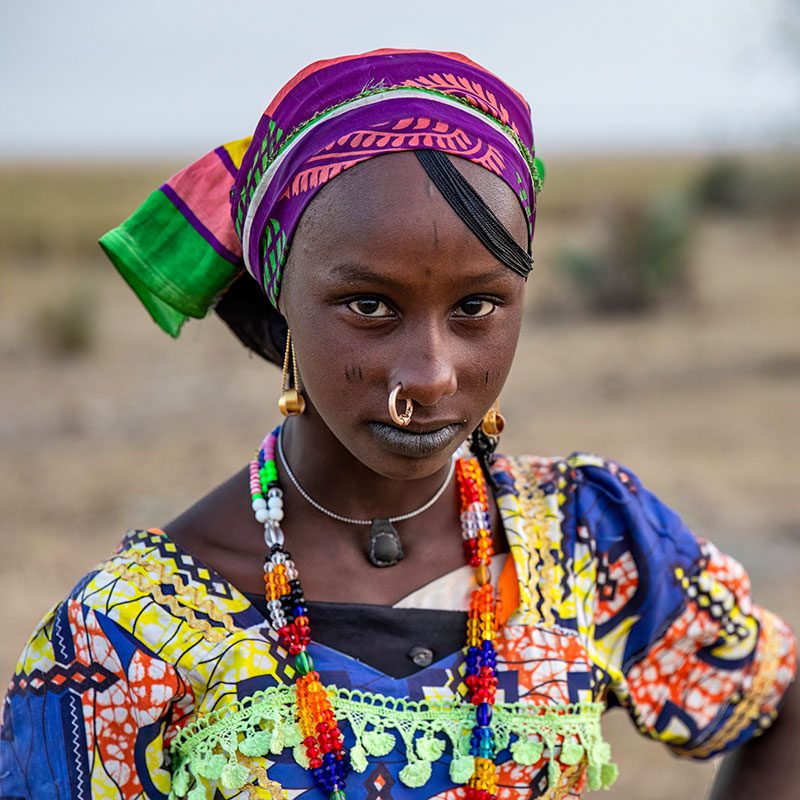
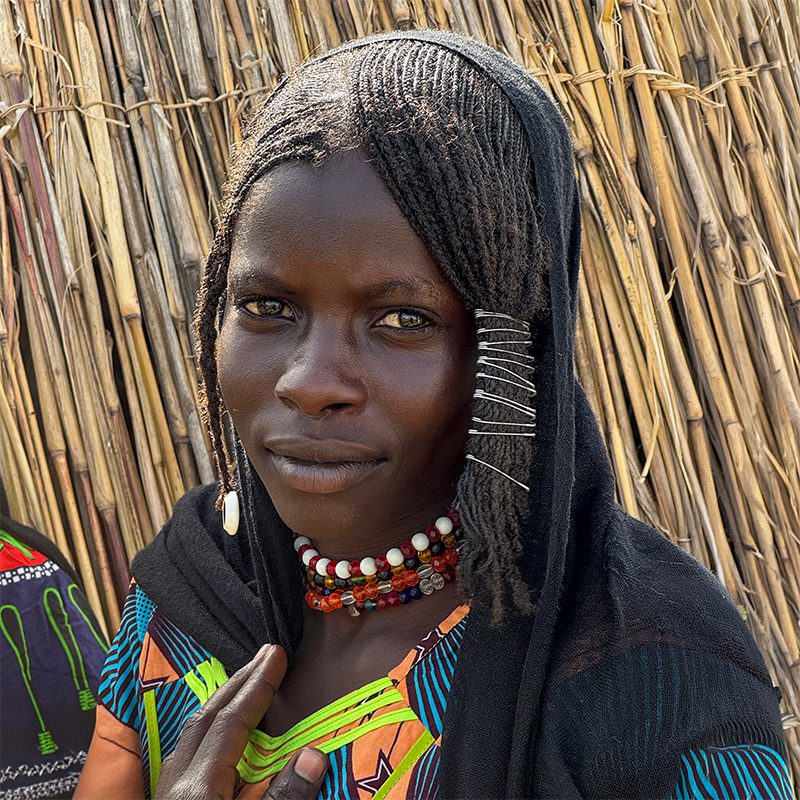
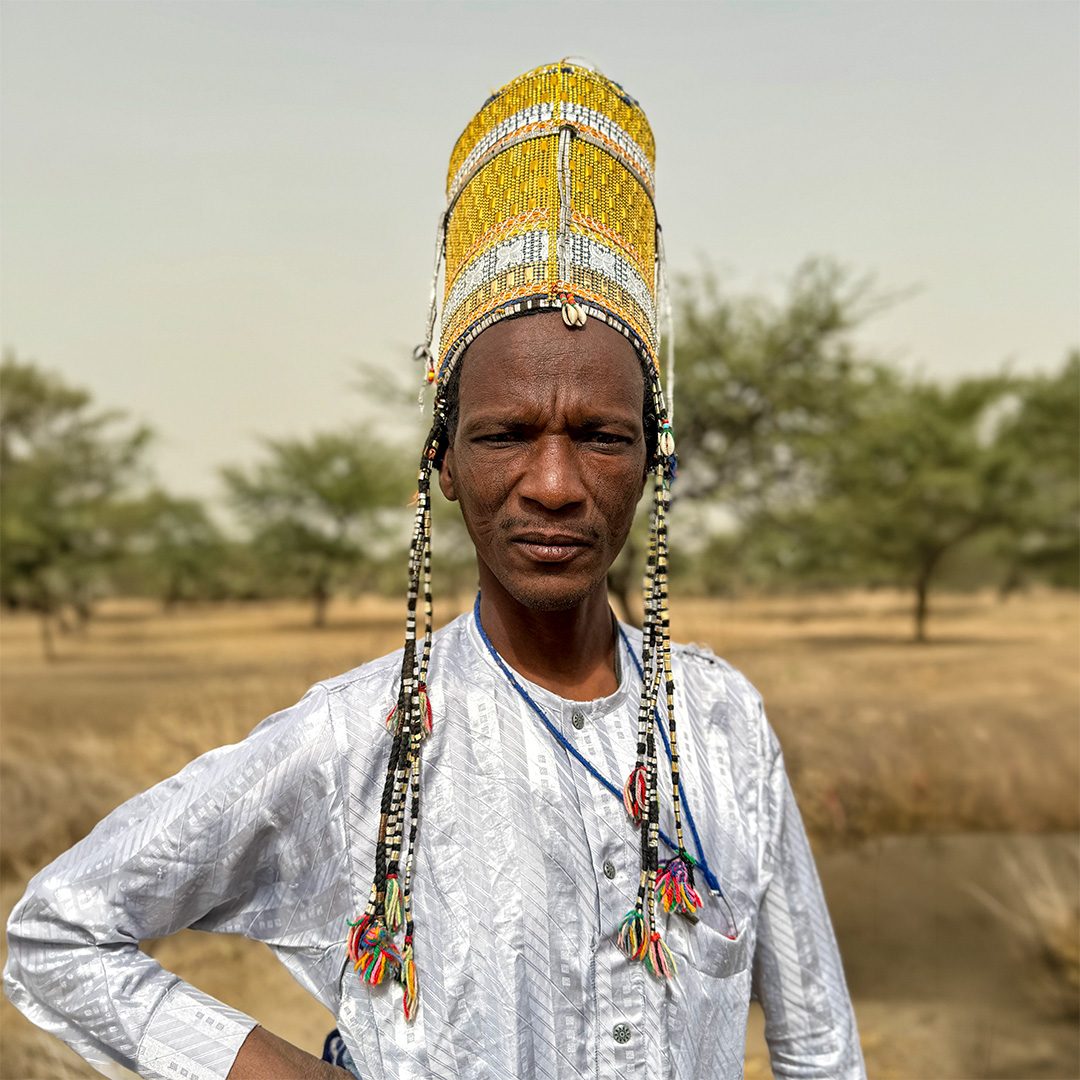
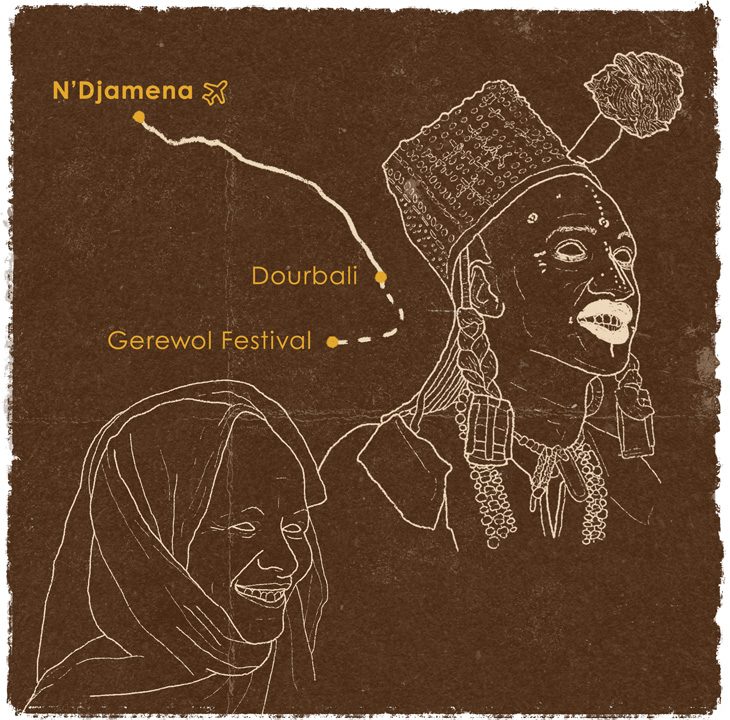
The anthropological trip to Chad will begin in the Lake Chad region, one of the most distinctive cultural areas of the Sahel. From the outset, we will come into contact with nomadic communities and peoples closely linked to the lake ecosystem. We will visit traditional villages and local markets to understand ways of life adapted to the lake environment. In addition, we will meet the Yayai Fulani, a pastoral group known for their elaborate hairstyles, facial tattoos and ceremonial hats. We will also observe how body aesthetics and status symbols continue to play a central role within their culture.
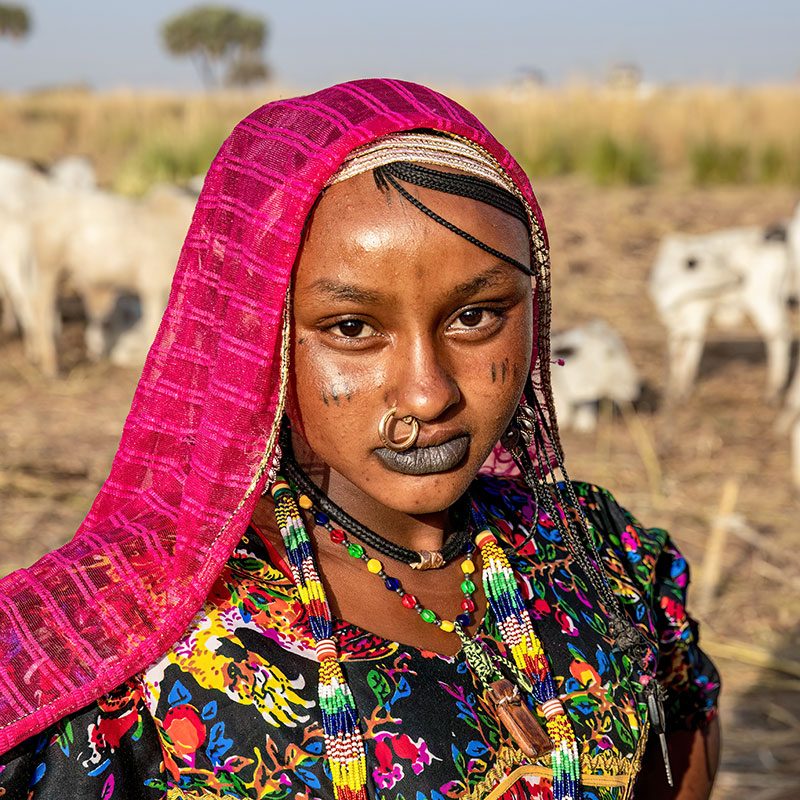

During the trip, we will also spend time with the Buduma community, historically specialised in fishing and navigation. We will explore their settlements and learn about their knowledge of the Lake Chad ecosystem. Furthermore, we will discover their traditional canoe-building techniques and subsistence strategies. Also, we will visit nomadic Mbororo camps located around the lake. In this way, this stage of the anthropological trip to Chad will offer profound insight into the nomadic and lacustrine cultures of the Sahel.


Douguia: sahelian architecture and riverside traditions
The anthropological trip to Chad will continue towards Douguia, a picturesque settlement located on the banks of the Chari River. This enclave stands out for its traditional architecture and its historical importance as a cultural gateway to the Sahel. In addition, we will observe adobe constructions linked to ancient regional traditions. We will also witness fishing techniques developed by the Kotoko communities, whose way of life remains closely connected to the river and its resources. Therefore, this stage will provide an understanding of the relationship between river landscapes, architecture and traditional lifestyles.
N’Djamena: markets and colonial heritage
The anthropological trip to Chad will include several visits to N’Djamena, the capital and main urban centre of the country. From the beginning, we will explore markets, avenues and historic neighbourhoods in order to approach everyday Chadian life. We will visit the central market and various commercial districts where much of the city’s activity is concentrated. We will also explore former French colonial buildings located around Avenue General Charles de Gaulle. Furthermore, there will be time to discover the craft market and observe the cultural diversity present within the capital. Thus, this stage of the anthropological trip to Chad will reveal the contrast between tradition, colonial heritage and urban modernity.
Encounter with the hadjerai people in Korbo
During the anthropological trip to Chad, we will enter the territory of the Hadjerai communities, in the heart of animist Chad. These populations sought refuge in the Guera Hills in order to escape slave raids carried out by former regional empires. We will visit the villages of the Korbo people, renowned for their pottery traditions. In addition, we will learn about aspects of the Margai animist religion, still practised by some local groups. We will also spend time with the communities to better understand their traditions and forms of social organisation. For this reason, this stage of the anthropological trip to Chad will allow us to discover cultures that have preserved part of their ancient beliefs despite processes of Islamisation and modernisation.


Guera tribal Hills: sacred landscapes and cultural memory
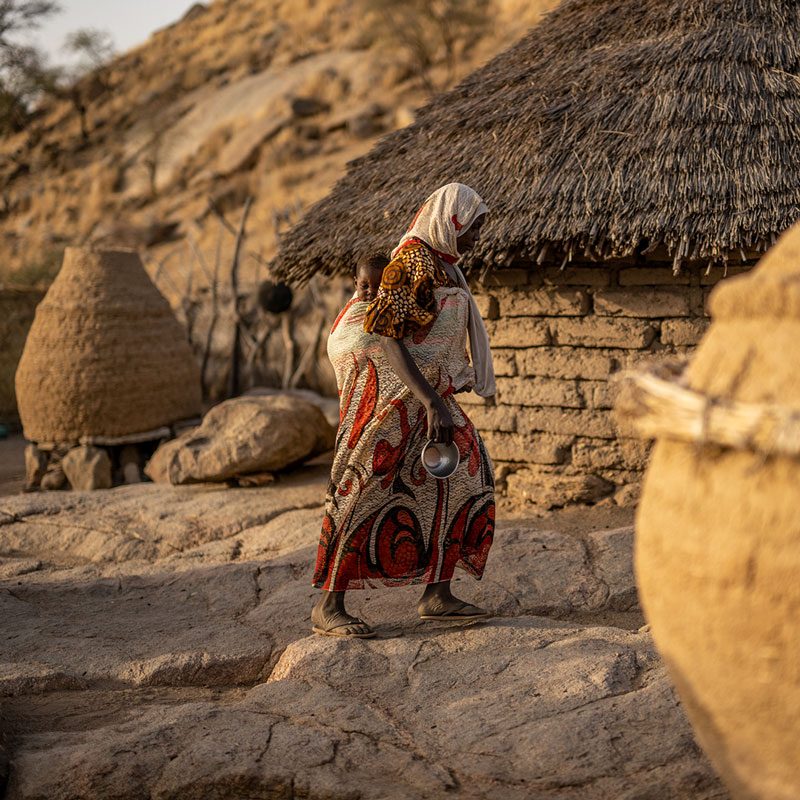
The anthropological trip to Chad will continue towards the Guera tribal hills, one of the country’s most remote and fascinating regions. We will explore rocky landscapes and traditional villages located at the foot of the mountains. We will hike to Moukoulou Hill to visit the remains of ancient Hadjerai mountain communities. In addition, we will discover animist cemeteries and enjoy panoramic views over the surrounding valleys and hills. Also, we will witness a traditional war dance performed by the Dangaleat people. Furthermore, we will observe adobe granaries and other architectural elements characteristic of the region. In this way, this phase of the anthropological trip to Chad will combine landscape, historical memory and ritual traditions.

Woodabe community: tattoos and identity aesthetics
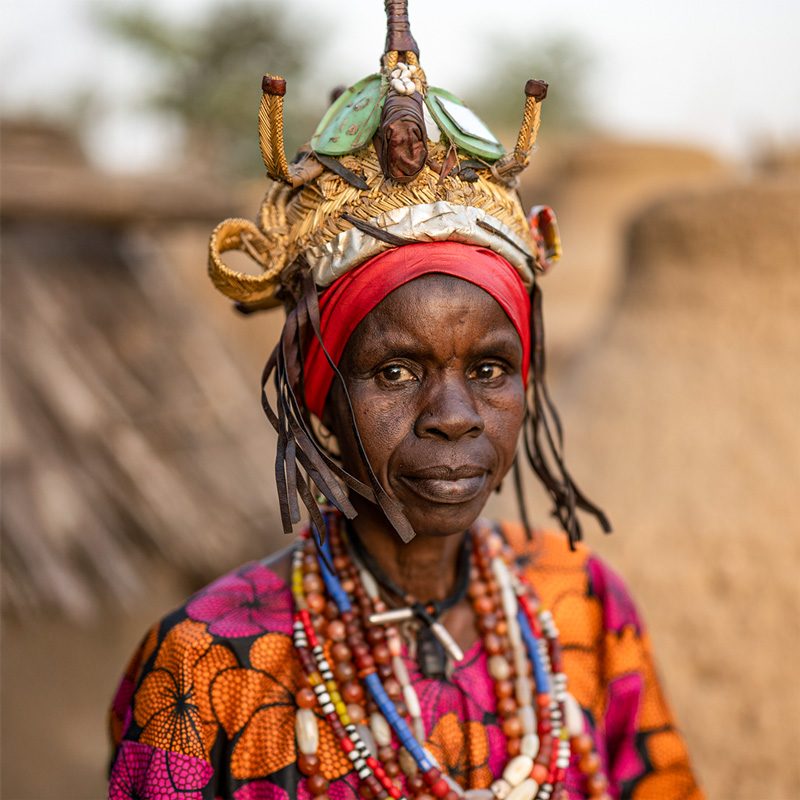
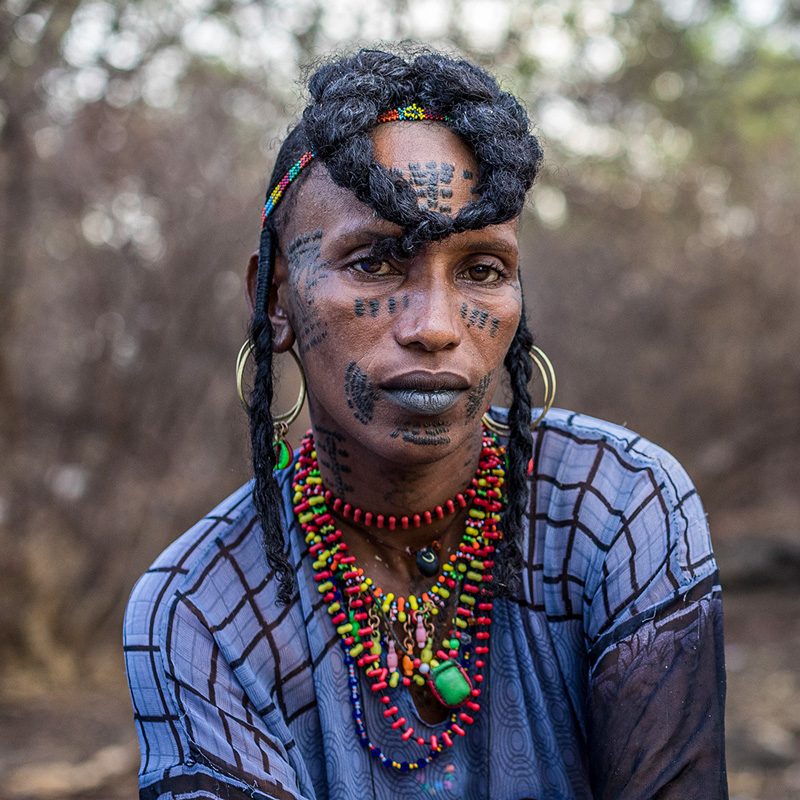
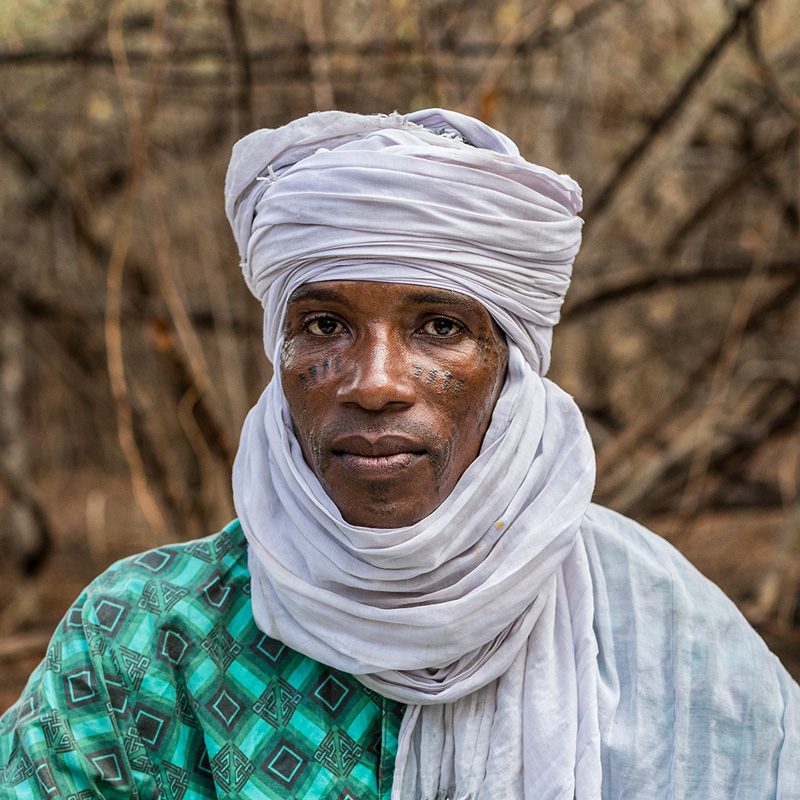
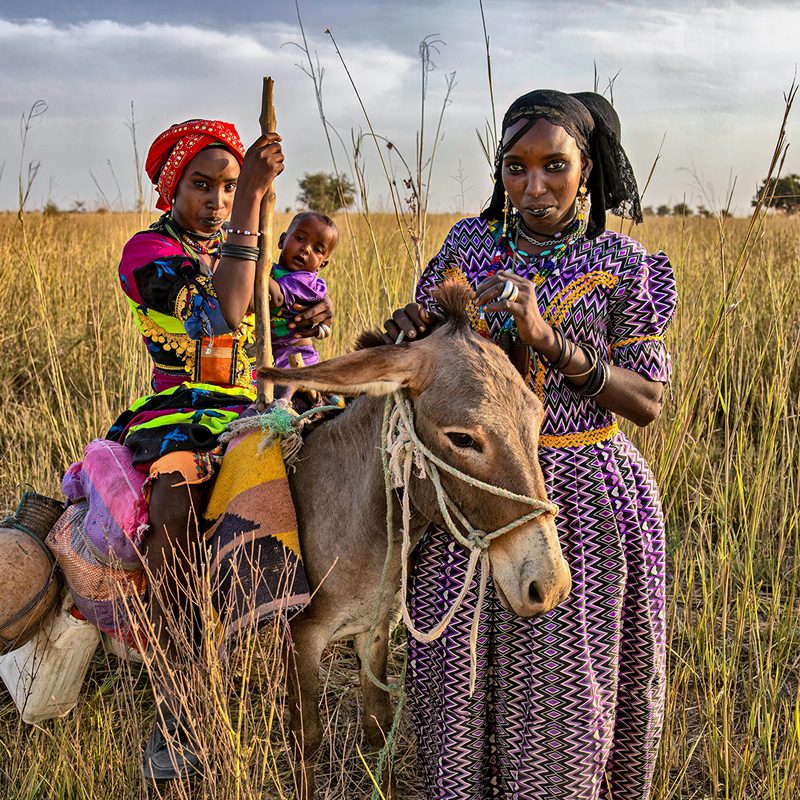
One of the most fascinating moments of the anthropological trip to Chad will be the encounter with a Woodabe community near Mongo. This population, originally from the Central African Republic, preserves highly distinctive cultural features. We will meet the elders of the community and observe women whose faces are completely tattooed. In addition, we will analyse the role of body aesthetics within their social and cultural identity. Thus, this stage of the anthropological trip to Chad will offer insight into the identity expressions and visual traditions of the Sahel’s nomadic peoples.

Kotoko culture and Gaoui: heritage of the Sao civilisation
The anthropological trip to Chad will conclude with the exploration of Kotoko culture and the ancient kingdom of Gaoui. The Kotoko are considered descendants of the Sao civilisation, one of the most important historical cultures of the Lake Chad basin. We will visit the old quarter of Gaoui, where we will discover some of the country’s finest adobe architecture. In addition, we will explore the former royal palace and various houses decorated according to local traditions. Also, we will delve into the history of the Sao civilisation, renowned for its terracotta art and bronze craftsmanship. Therefore, this stage of the anthropological trip to Chad will provide an understanding of the historical continuity between the ancient civilisations of the Sahel and contemporary cultures.
An anthropological trip to Chad among nomadic peoples and sahelian traditions
Overall, the anthropological trip to Chad offers a profound immersion into some of the most authentic cultural contexts of the Sahel. We will not only travel through villages, markets and remote landscapes, but also gain insight into belief systems, ritual traditions and ways of life adapted to the desert and the lake. For this reason, this route is designed for travellers interested in anthropology, African cultures, traditional religions and expeditions beyond conventional travel routes.
© Photos by Jordi Zaragozà Anglès, Markus Mauthe and Aníbal Bueno taken during a trip to Chad.
► Download the itinerary for this anthropological trip to Chad
Click the button below to easily access the download form for this trip's itinerary.


 ES
ES

