
In the heart of the African Sahel, thousands of nomadic Wodaabe Fulani from countries such as Niger, Cameroon, Chad, and Nigeria gather each year for a major ceremonial assembly known as the Gerewol. This ceremony is a beauty contest in which young men compete to attract the most beautiful women of the tribe, even if those women are already married, and spend a night with them... or a lifetime.
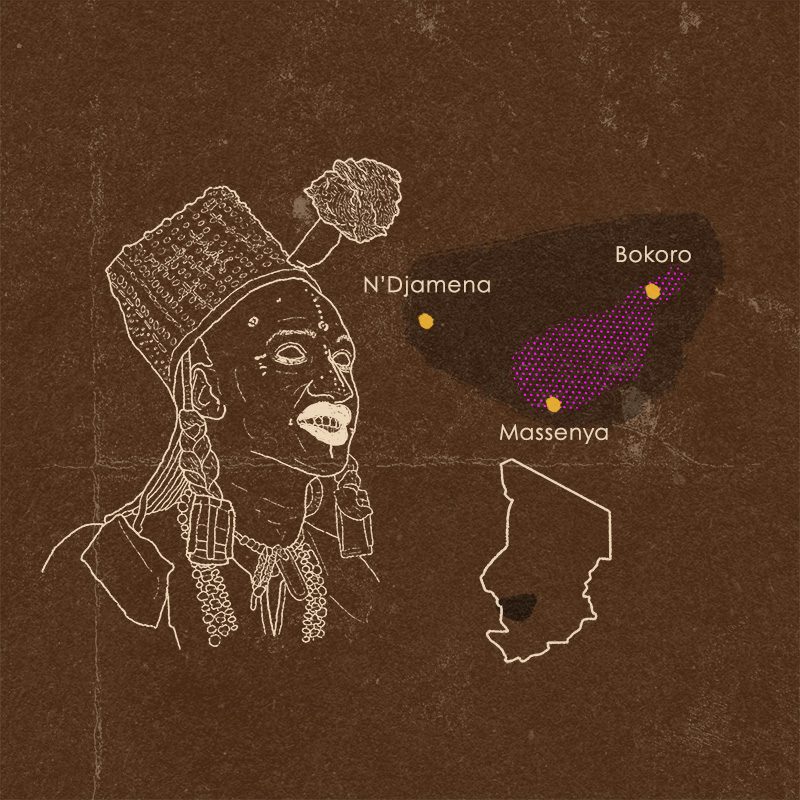
Marriage and social power
Marriages are traditionally arranged by parents when boys and girls are still very young. However, when the Gerewol festival arrives, men hope to "abduct" women, whether married or unmarried. During the ceremony, when a new couple is formed, they quietly leave the festival together. This new union is then recognized by the tribe and is known as a marriage of love.
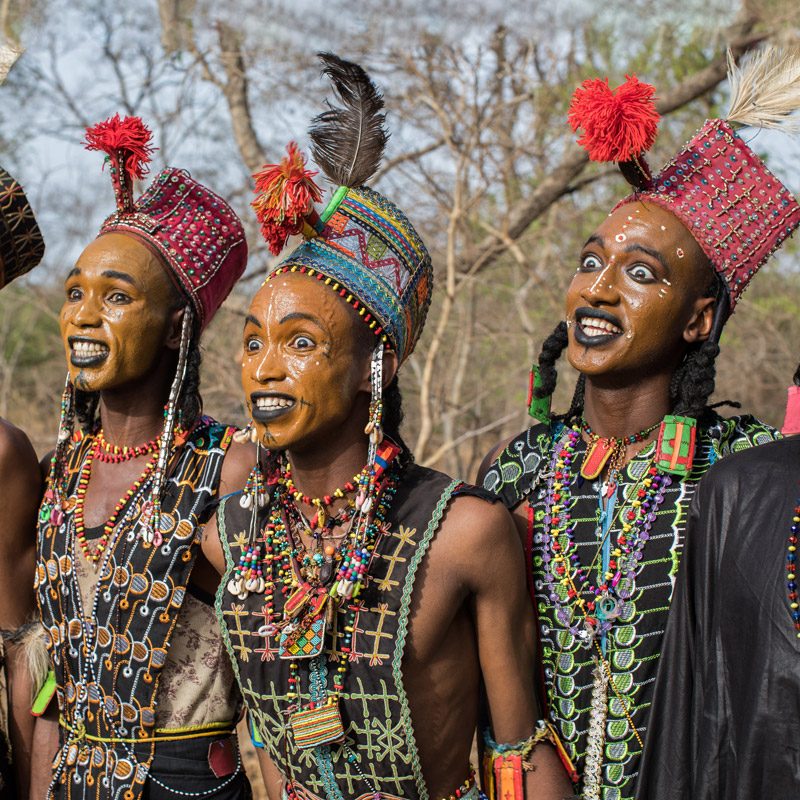
Wodaabe women enjoy considerable sexual freedom and hold significant influence within the tribe. Unmarried young women may engage in relationships as they choose. While men perform the most demanding physical tasks, it is often women who make important decisions and help shape the future of the community. The Wodaabe practice polygamy, and women can have multiple husbands.
Cult of Wodaabe beauty
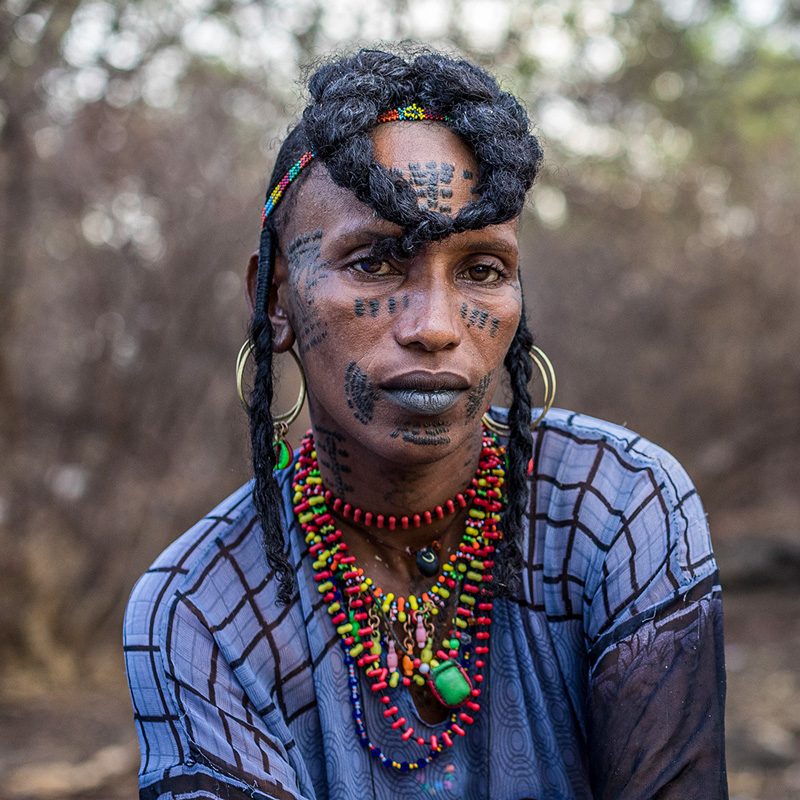
The Wodaabe, members of the Fulani community, revere beauty. For centuries, the pursuit of beauty has been cultivated as a true art of living. Every person is expected to carry a mirror at all times. Even animals are expected to be beautiful. When a Wodaabe acquires a cow, it should ideally have long horns and a long mane.
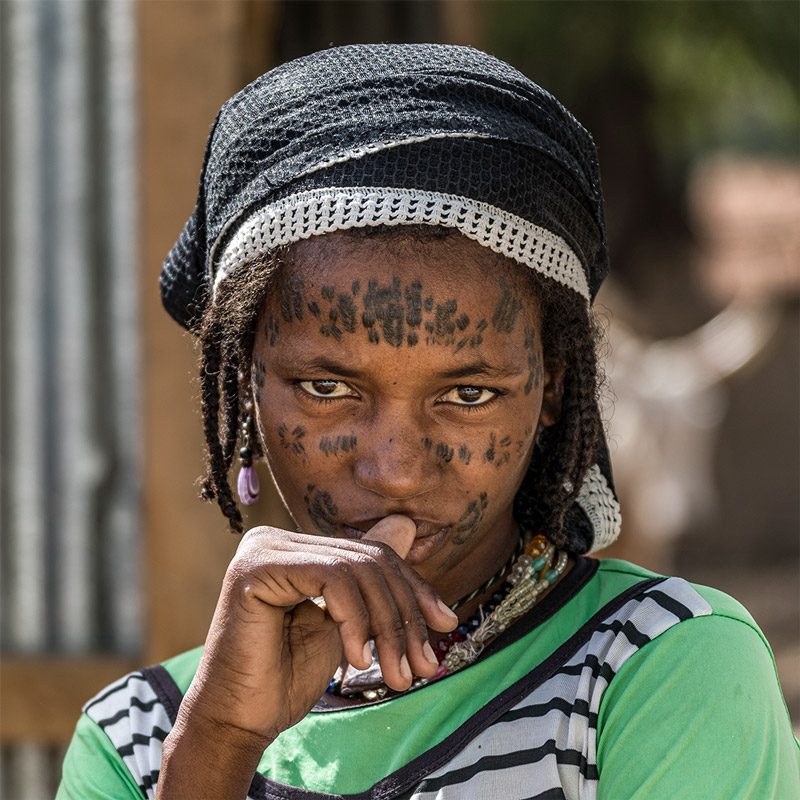
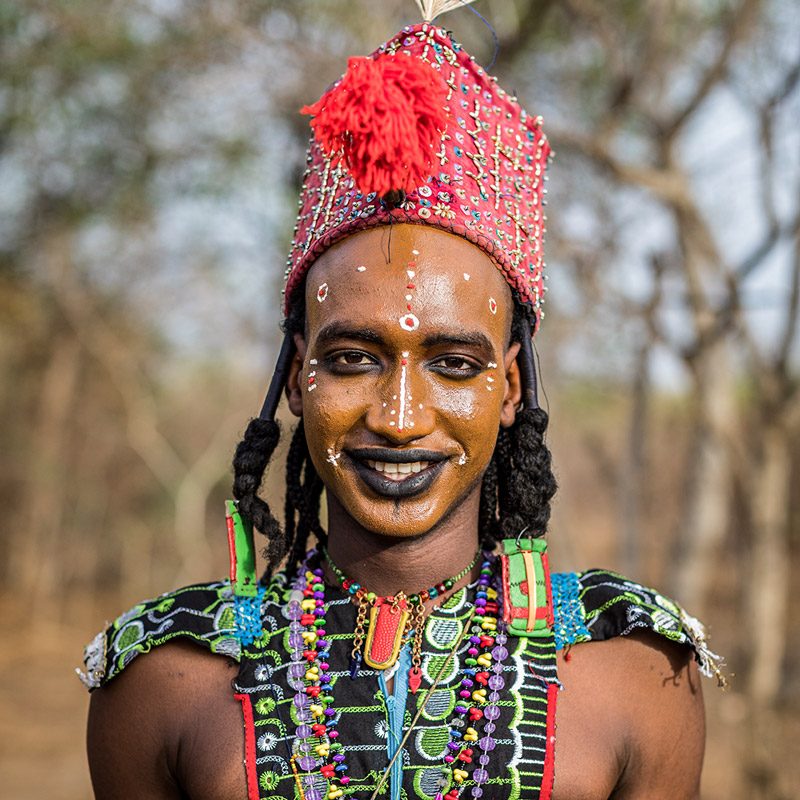
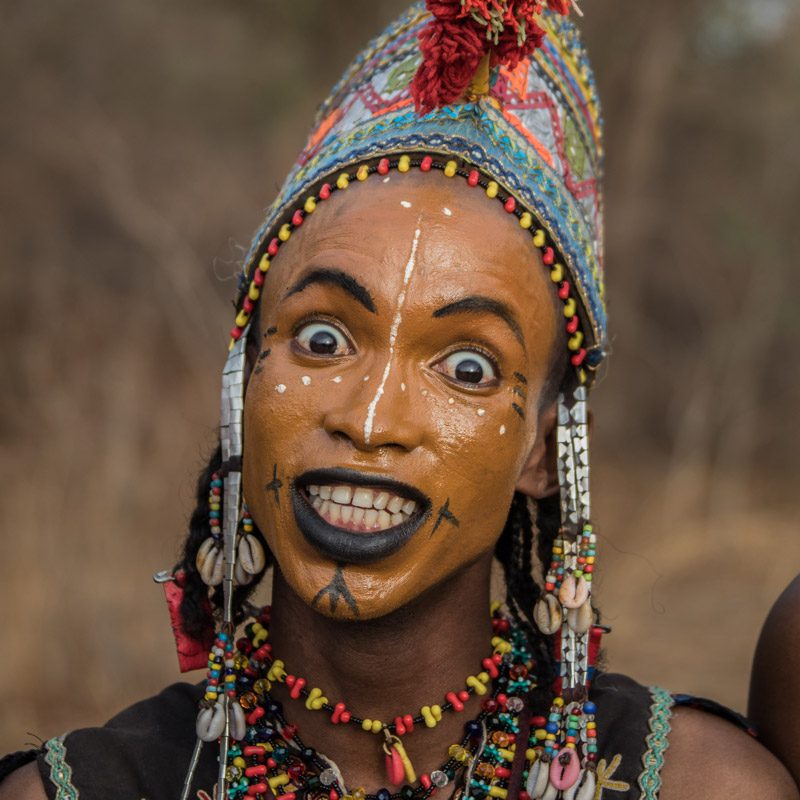
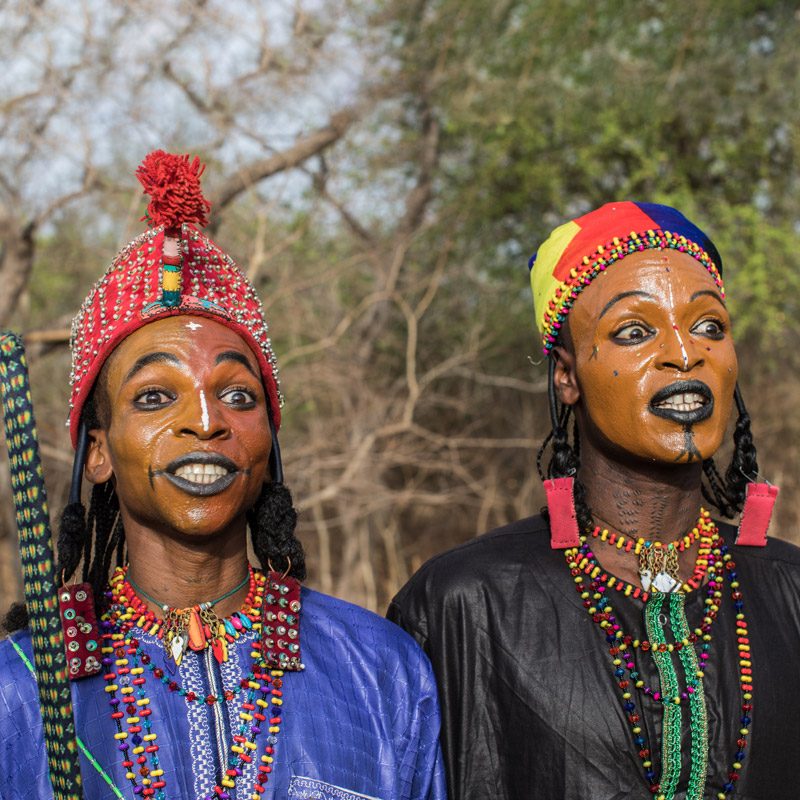
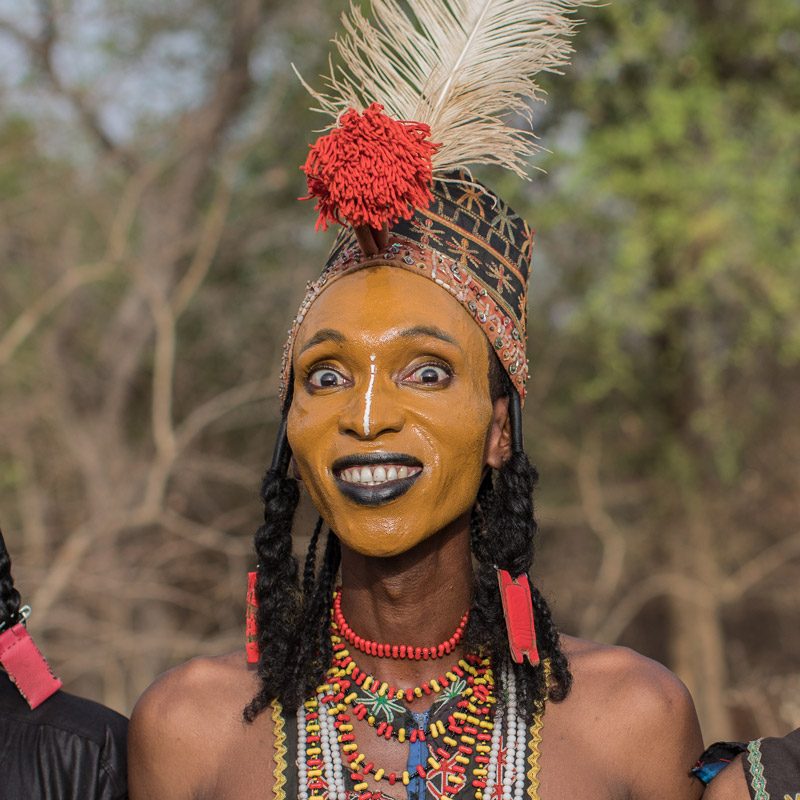
Men must follow a specific ritual when participating in this beauty contest. An attractive oval face with delicate features is highly valued. During the Gerewol, to appeal to women, they paint their lips, outline their eyes with kohl, darken their eyebrows with charcoal, and draw a yellow line along the bridge of the nose. Some even cover their faces with a mixture of butter and ochre. Bright eyes, a dazzling smile, and exceptionally white teeth are considered essential.
Participants must also wear magnificent clothing for the Gerewol, much of it handmade over the course of an entire year. They adorn themselves with beaded necklaces and shells and place an ostrich feather in their turban. Often, they wear a woman's loincloth over a leather garment. They also carry a barbol, a string of shells ending in a small calabash gourd, hanging down their backs. Feminizing their appearance is considered one of the most effective ways to attract women.
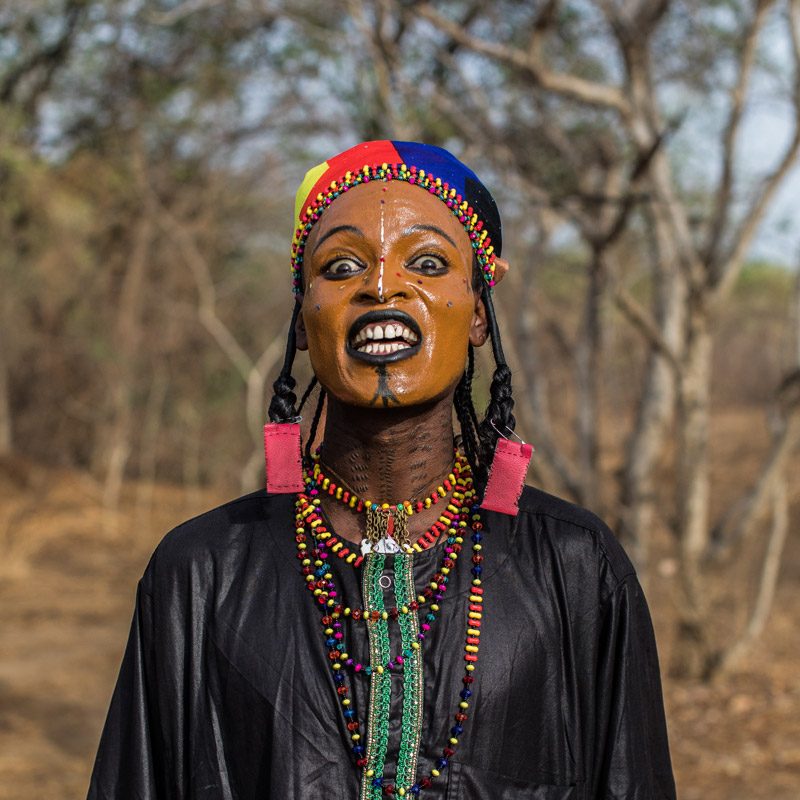
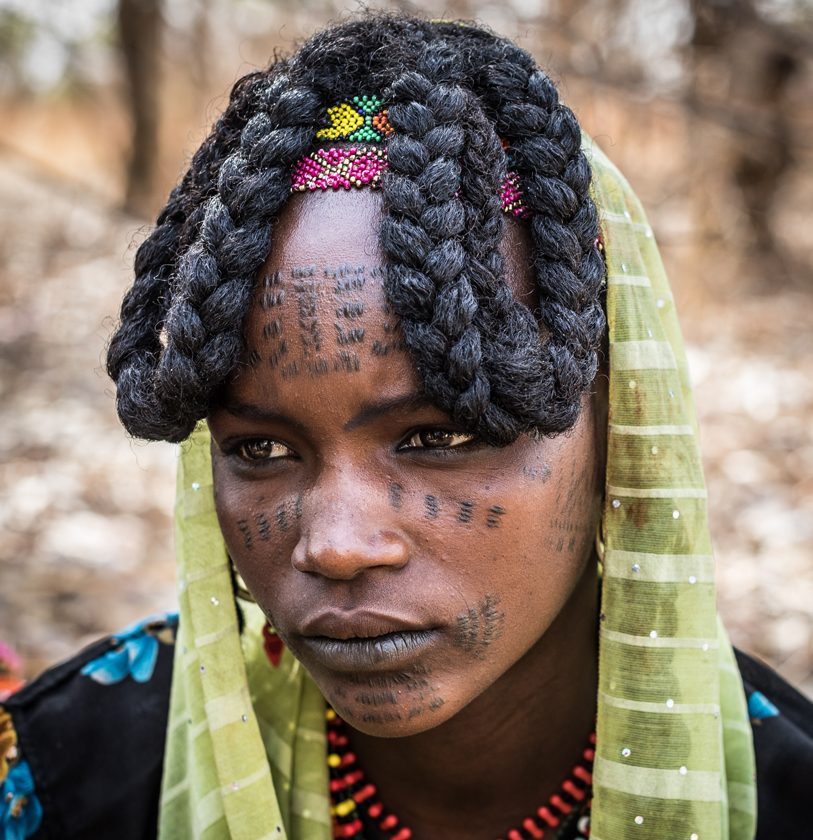
Women also strive to be attractive. They wear elaborate hairstyles, and their arms and legs are decorated with countless pearl bracelets and bronze rings. Their bodies are wrapped in colorful fabrics. Although beauty follows its own standards here, originality is sometimes welcomed. Accessories such as glasses can even be incorporated harmoniously into the overall adornment.
The Gerewol courtship dance
A man must also know how to dance. The dance performed during the Gerewol is called Yaaké, and it imitates the courtship display of a bird native to the Sahel. The men sing in unison and, for several hours, perform a variety of movements and facial expressions. Broad smiles and distinctive grimaces are particularly appreciated. For the shyest participants, the use of psychotropic plants may help overcome remaining inhibitions.
During the Gerewol, men frequently resort to tricks and mischief. If one becomes jealous of a rival he considers more handsome, he may place a little pepper on the tip of an ostrich feather and, "accidentally" brush it into the rival's eye. Red eyes immediately disqualify a contestant.
The social dimension of the Gerewol
Other activities associated with the Gerewol ritual include camel races and livestock parades. Bartering and reunions with friends are also important reasons to attend this pastoral gathering. The broader purpose of the event is to strengthen ties among Wodaabe nomadic communities. For this reason, it is held at the end of each rainy season, after the various Wodaabe tribes have converged along the southern edge of the Nigerien Sahara, extending into northern Cameroon and Nigeria.
Do you want to experience the Gerewol ceremony with the Wodaabe tribe?
Each year, we organize trips to Chad, Niger, Cameroon and Nigeria to discover the magical and beautiful world of the Gerewol across different regions of the Sahel. These are unique opportunities to experience and appreciate the cultural richness of this extraordinary African people, including traditions such as Choura, Yaaké, and Roumi.
You can learn more about the Wodaabe at www.101lasttribes.com.
© Photos by Aníbal Bueno taken during a trip to Chad.


 ES
ES

