
Some personal experiences shape us forever, dividing our lives into a ‘before’ and an ‘after’. They might be sudden events, like a moment when something just clicks and after a long standstill. Or maybe it’s a chance encounter with someone who, in retrospect, turns out to be a life-changing figure in our lives. Or perhaps it’s a serious incident, such as a life-altering accident or the loss of a loved one.

Rite of passage of the Humbi ethnic group of southern Angola
Other transitions take place more gradually, like the physical changes we undergo as we grow up and eventually grow old, or the distance between two people as they grow apart or grow closer.
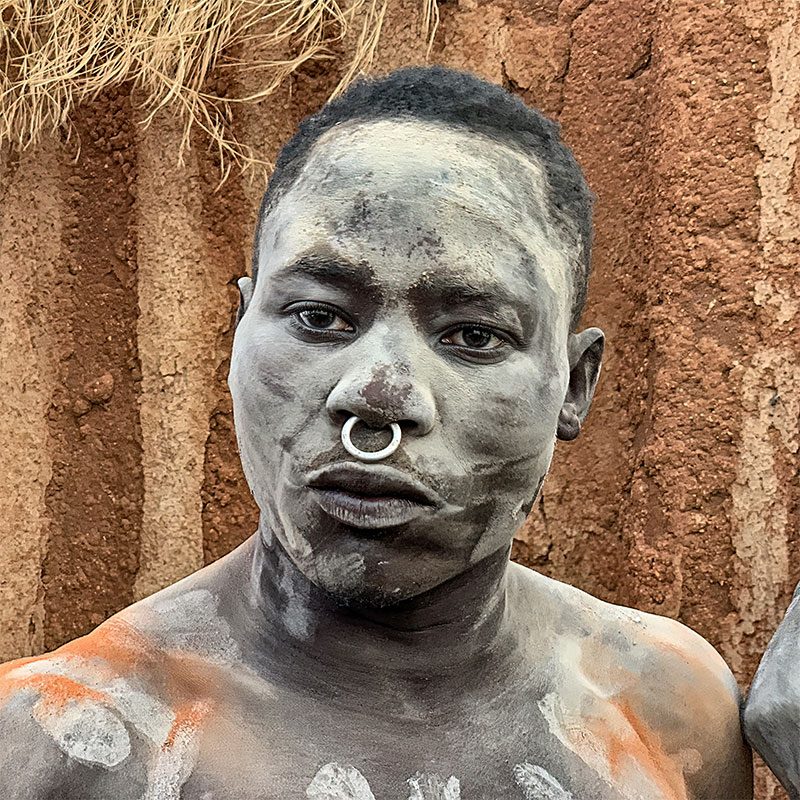
Rite of passage of the Nuba people of Sudan
Processes of change tend to have the following phases in common:
1. Farewell: Parting with an old identity
2. Transition: The in-between phase
3. New dawn: A fresh sense of self

During our ethnographic trips around the world we have observed how all human societies have rituals related to coming-of-age in both evident and subtle ways. Even in more Westernized cultures we find these types of rites, often done through sports, fraternities, or religion.
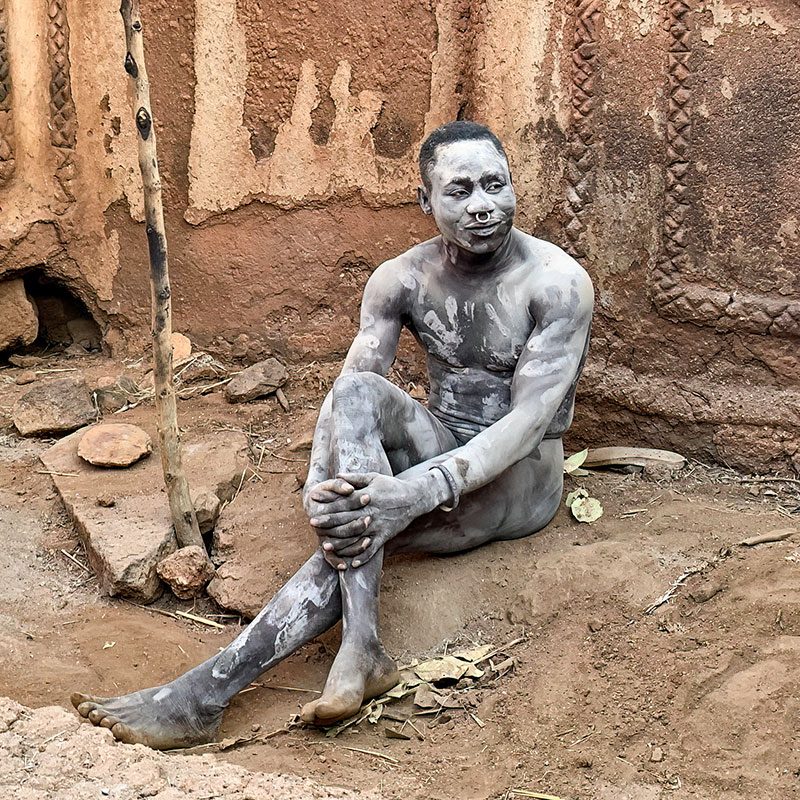
These rites function by ritually marking the transition of someone to full group membership. It also links individuals to the community and the community to the broader and more potent spiritual world.
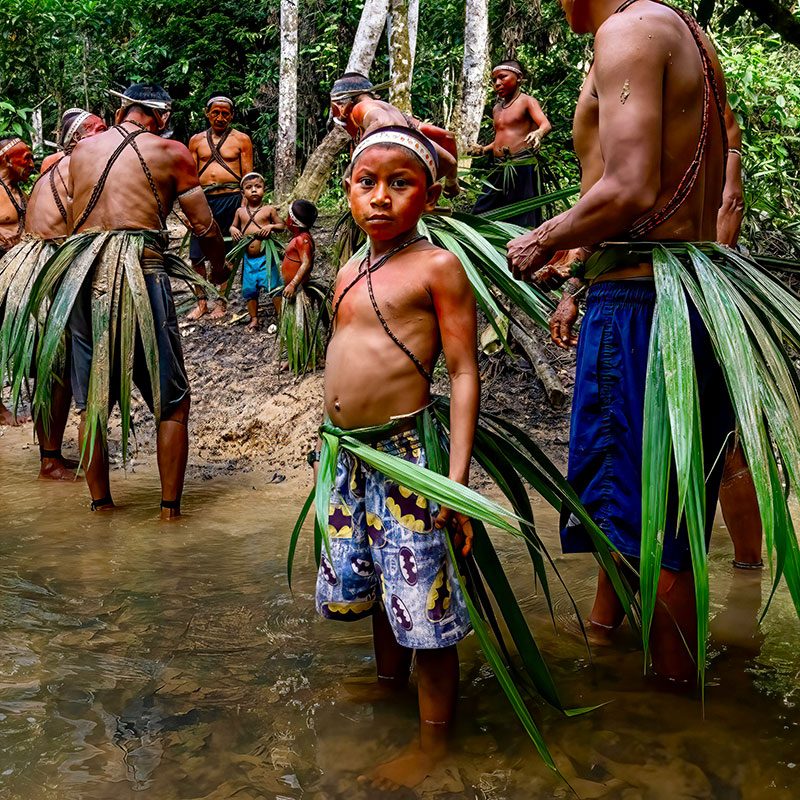
Rite of passage of the Manti of Brazil
In 2027 we will be experiencing rites of passage among tribal groups such as the Matis in Brazil, the Tchokwe in Angola, and the Kyrgyz nomads in Afghanistan.
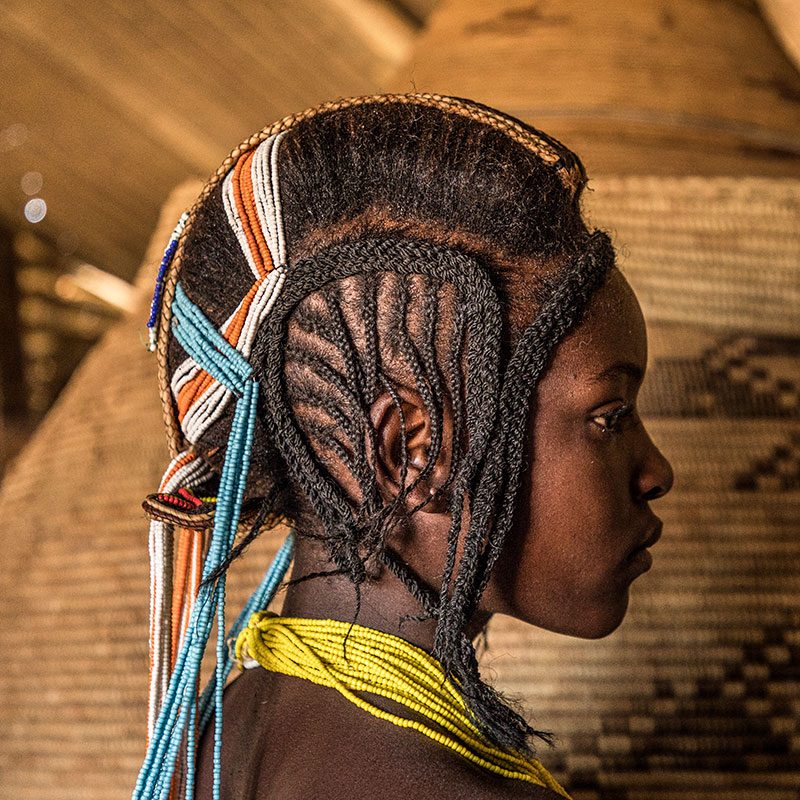
© Photos of rites of passage observed on trips to Angola, Brazil and Sudan taken by Aníbal Bueno, Pongtharin Tanthasindhu and Joan Riera.

 ES
ES

