
Why travel to Angola?
Angola’s tribes: sixteen cultures in the south-west
The south of the country is home to a cultural diversity that few African destinations can match. In the provinces of Huíla, Cunene and Namibe, Last Places has classified sixteen cultures, which we group into three main categories according to their way of life: hunter-gatherers, herders and farmers. It is the same classification we follow in the book Last Tribes of Angola.
In the north, on the border with the Democratic Republic of the Congo, the remains of ancient trading kingdoms and the art of the Kongo and Chokwe peoples are preserved.
Hunter-gatherers: Angola’s first inhabitants
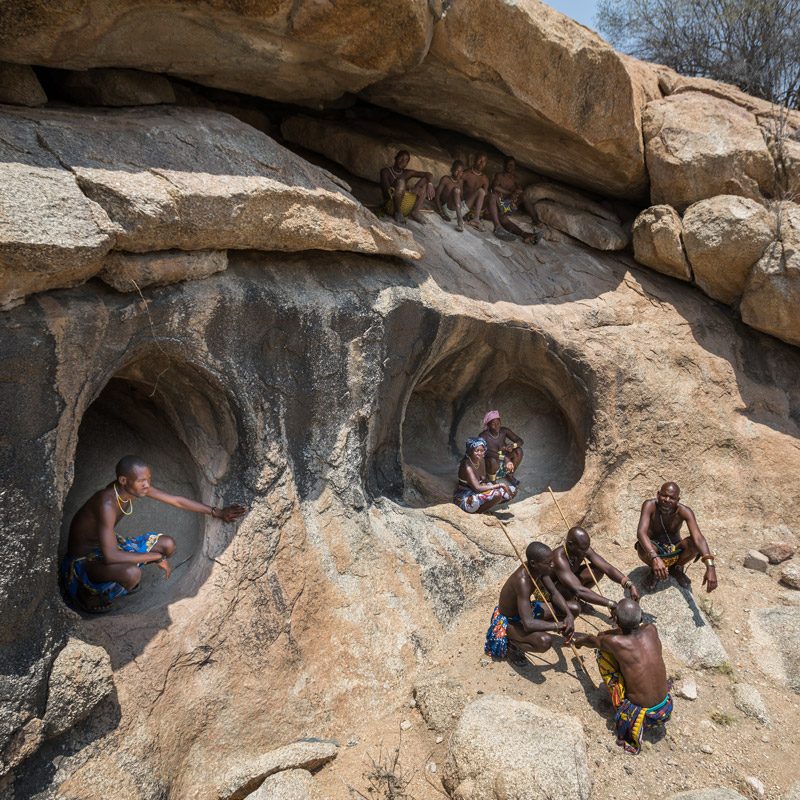
The San, the Cuepe, the Tjimba, the Cuis and the Tua base their economy on hunting and gathering. They are Angola’s first inhabitants and today they are the country’s smallest tribal minorities. The last nomadic San groups live in the remote region of Kwando Kuvango.


Herders of Cunene, Namibe and the Serra da Chela
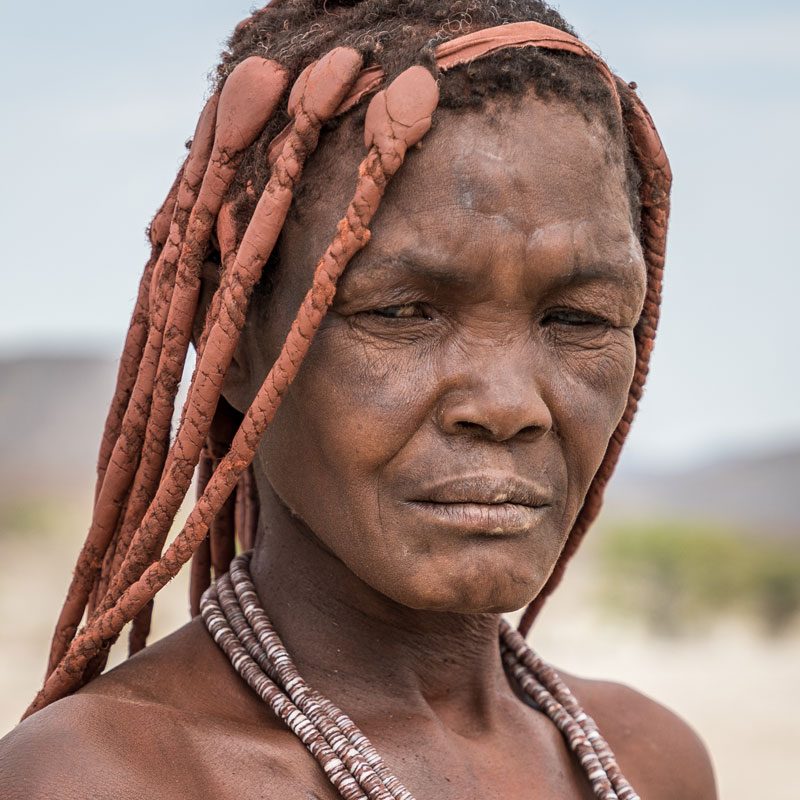
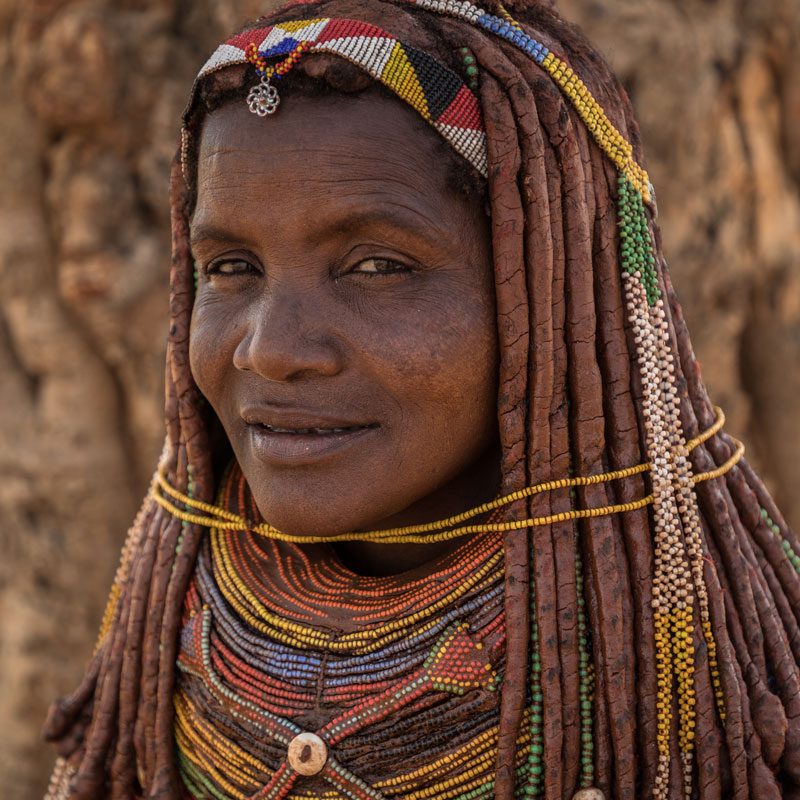
Between the Serra da Chela, the Chiange region and the Cunene River live the Cubal, some 70,000 people for whom cattle are the measure of prosperity. The women wear the ompota headdress, filled with cow tails, and adorn themselves with reddish mupeque oil. We tell you more in our article on the Cubal tribe of Angola.
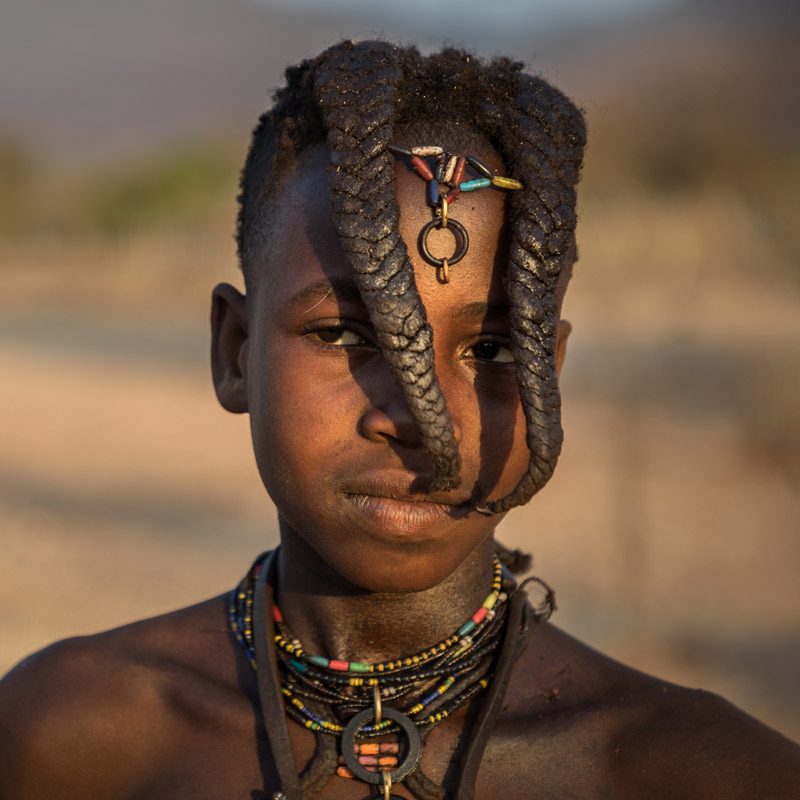
Near Oncocua, by the Cunene, the Hakaona often look after the herds of the Himba, another herding people, which is why they are known as ‘the black Himba’. Their women wear the kapapo headdress, made from dung, fat and herbs. Find out more about the Hakaona tribe of Angola.
In the savannah around Cahama, the Dimba surround their villages with palisades and paint their houses with geometric patterns in white, black and red. Their women weave baskets whose designs are of interest to ethnomathematics.
The Ngendelengo, barely 3,000 people, live in the isolated mountains of the Serra da Chela. They build two-storey granaries on tree trunks and maintain bull worship, little affected by colonisation and missionary activity. The group is completed by the Kwando, one of the most remote tribes of the south-west.


Farmers of the Huíla Plateau
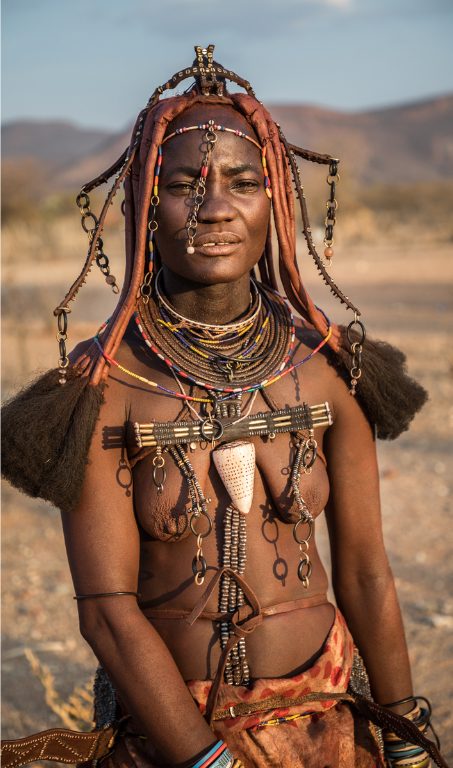
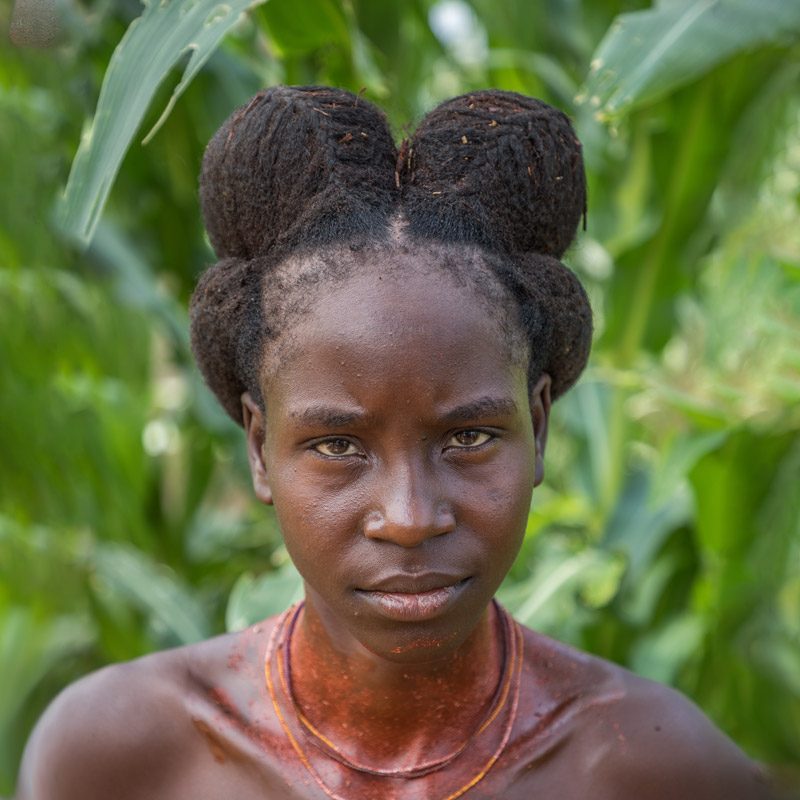
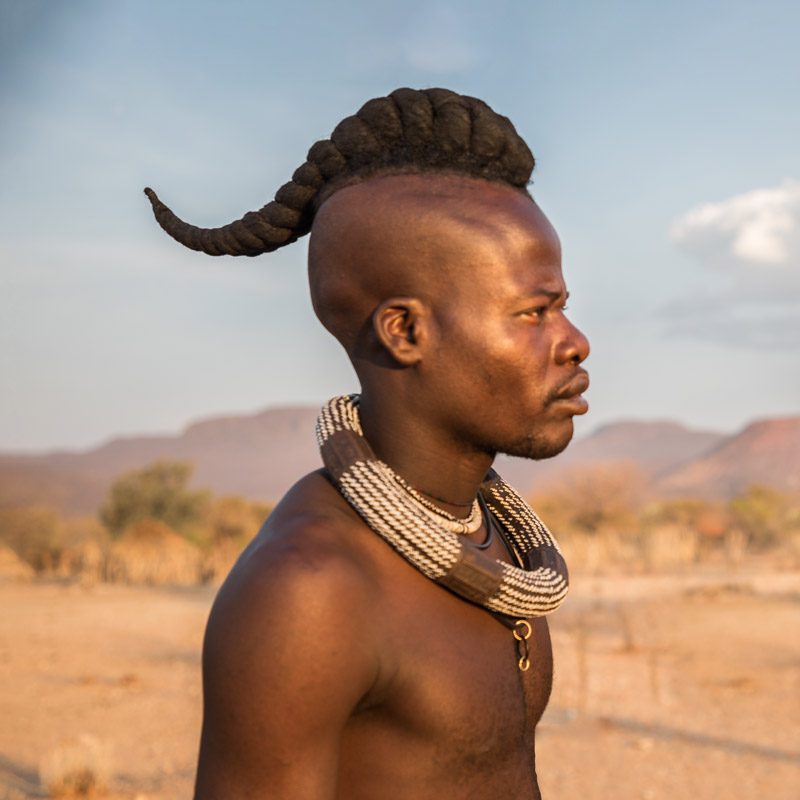
On the Huíla Plateau, the Plain Muila grow maize around Kamuviu. Their ornamentation is more profuse than that of the Mountain Muila, known for their horn-shaped hairstyles: bead necklaces with clay and butter, shells, bronze rings and rooster feathers that indicate social rank. We introduce them in the Plain Muila of Angola.
South of Chibia live the Gambue, some 25,000 people who share many customs with their Handa and Muila neighbours. Married women wear stacked bead necklaces, the vilanda, which they never take off, and cover their hair with a yellowish clay paste.
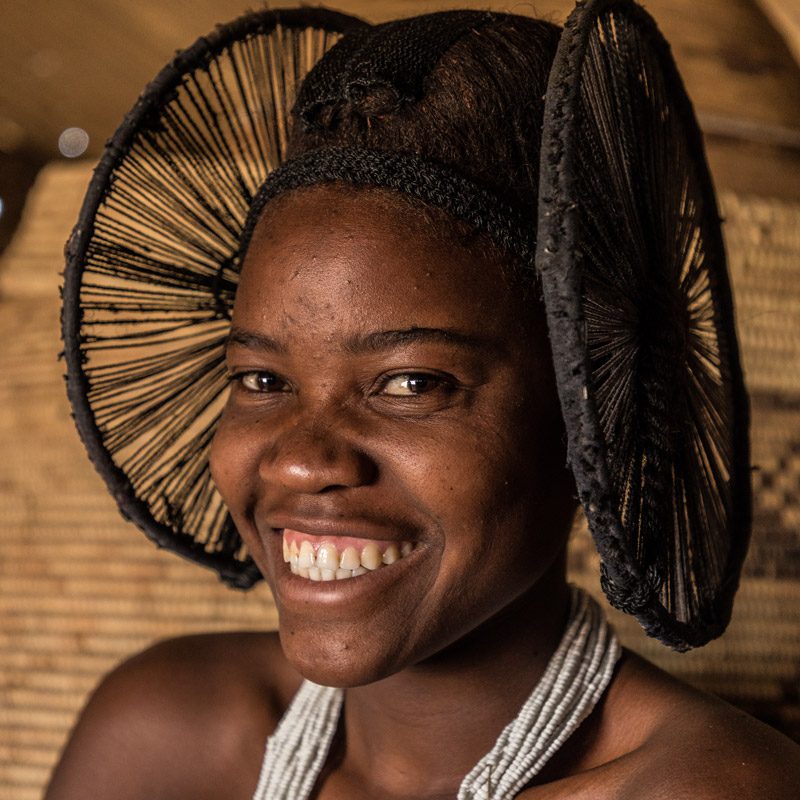
Further south, near the border with Namibia, live the Humbi, the most westernised people of the region. Their women no longer wear their traditional wheel-shaped or dish-shaped hairstyles every day, but they keep them for their initiation rites, which mark the transition to adulthood. Near the ancient baobabs of Xangongo, our team found three women who still know how to make them. Joan Riera reflects on these thresholds of transformation in the article Rites of passage.
Last Tribes of Angola, the book of our expeditions
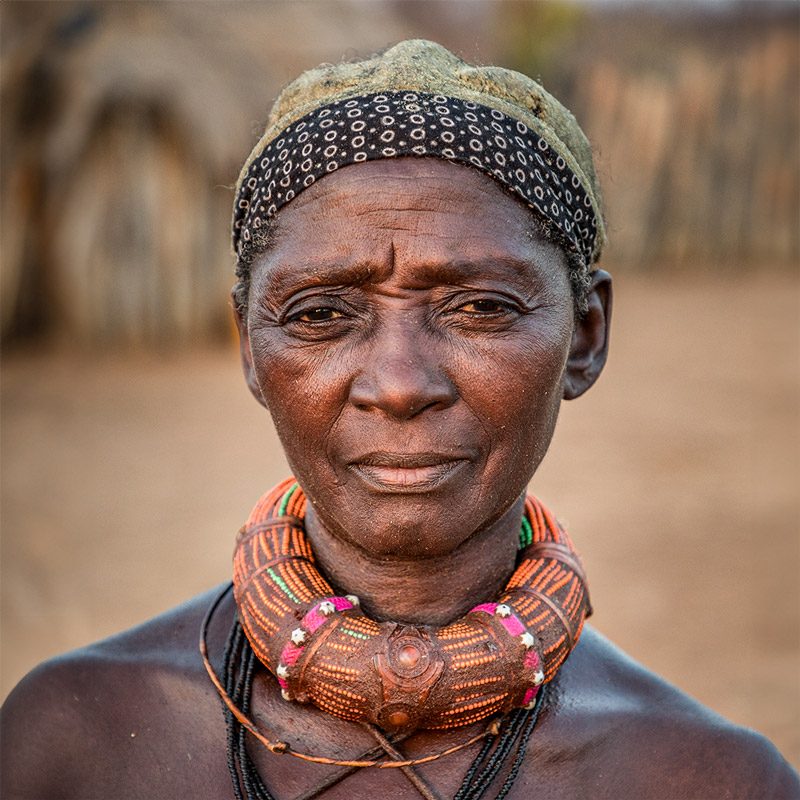
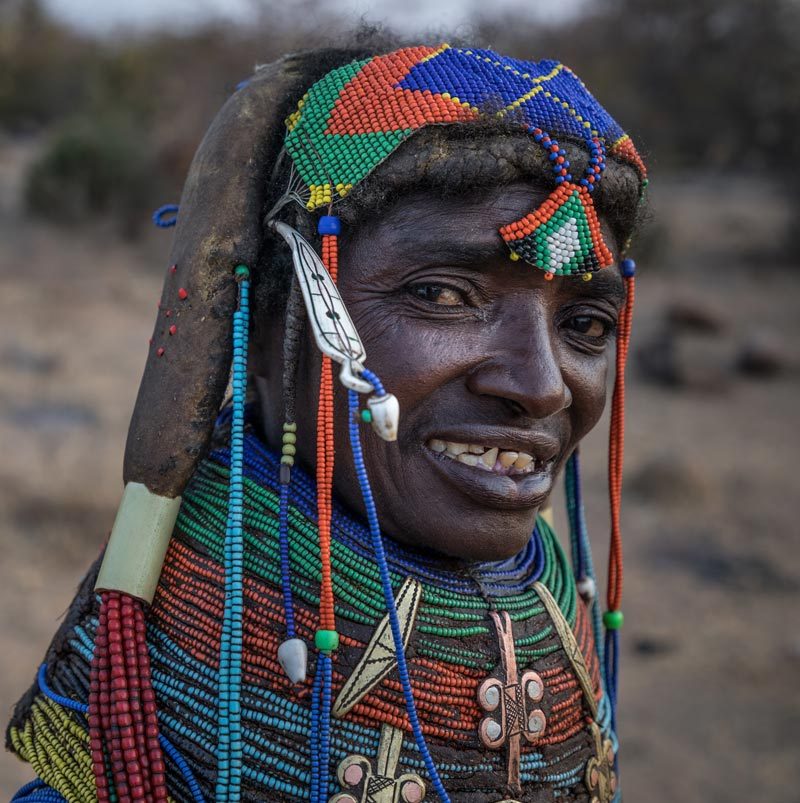
If you would like to get to know these cultures better before you travel to Angola, you can read Last Tribes of Angola, by anthropologist Joan Riera and photographer Aníbal Bueno. It covers the sixteen cultures of the south-west: their territory, way of life, beliefs, aesthetics and the challenges they face as cultural minorities.
It is a bilingual visual guide (English and Spanish), with photographs, drawings and maps. Find out where to buy Last Tribes of Angola.



Ecosystems and national parks of Angola
Angola still has untouched ecosystems waiting to be explored. In the south lies Iona National Park, an extension of the Namib Desert, considered the oldest in the world, while Cabinda still has primary forest.
The west coast has thousands of kilometres of unspoilt beaches washed by the Atlantic. Inland, the wetlands of Kwando Kuvango are an almost mythical place: this is where the Okavango River rises. There are also endemic species on Mount Moco and in the Kangandala Reserve, a refuge for the sable antelope, the country’s national symbol.


Colonial and vernacular architecture of Angola
The Portuguese were in Angola from 1575 to 1975. From that period remain Baroque churches and forts, Art Deco buildings and ‘tropical modernism’, developed between 1945 and 1975. The civil war halted urban development and, paradoxically, helped to preserve many of these buildings.
In Lubango, formerly Sá da Bandeira, highlights include the municipal market, Radio Huíla, the Cine Odeón and the 1936 cathedral. In Namibe, formerly Moçâmedes, the Cine-Teatro Moçâmedes, the Cine Impala and the port offices, with a ceramic mosaic, are still standing. We tell you more in our article on Art Deco in Angola.
Alongside this colonial heritage, the vernacular architecture of the villages, from the pyramid-shaped Cubal houses to the Dimba granaries, helps to understand how the communities live.
© Photographs by Aníbal Bueno, taken during our trips to Angola.









 ES


