
Across much of Africa, childhood unfolds in ways that differ greatly from what is common in Western urban societies. Childhoods herding livestock are part of the everyday landscape of many African pastoral communities. From an early age, many children take on responsibilities related to caring for livestock—a task that goes far beyond simply feeding animals. Cattle, goats, sheep, and camels provide a family's economic livelihood. But they also embody its prestige, history, and, in many cases, the very foundation of its social organization. Learning to live alongside these animals is therefore an essential part of the journey to adulthood.
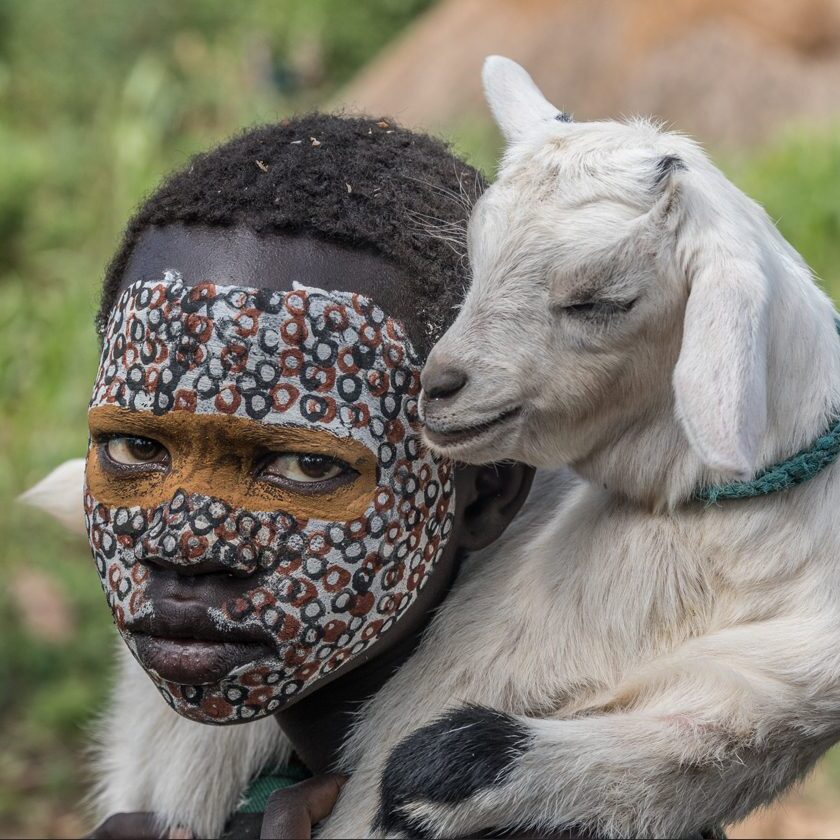
Among the Mundari of South Sudan—perhaps one of the best-known examples—children accompany the herds almost as soon as they are able to walk long distances. In the cattle camps, they learn to recognize each animal by its horns, coloring, or temperament. Also, they learn to identify signs of illness, protect the herd from predators, and navigate an ever-changing landscape. In addition, they absorb knowledge passed down orally through generations. The children develop strong emotional bonds with the animals, which are often given individual names and occupy a central place in daily life.
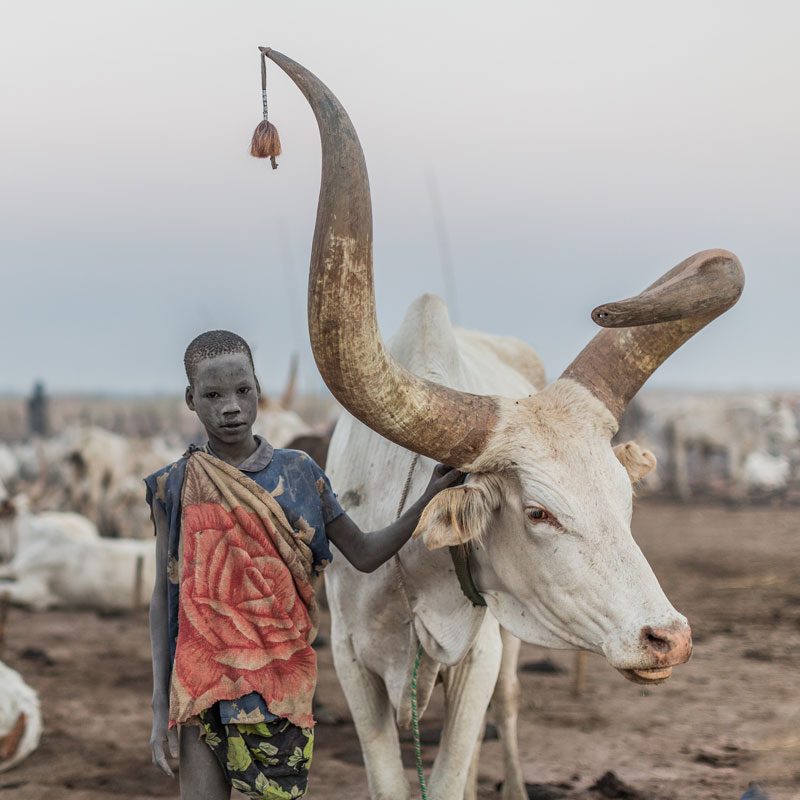
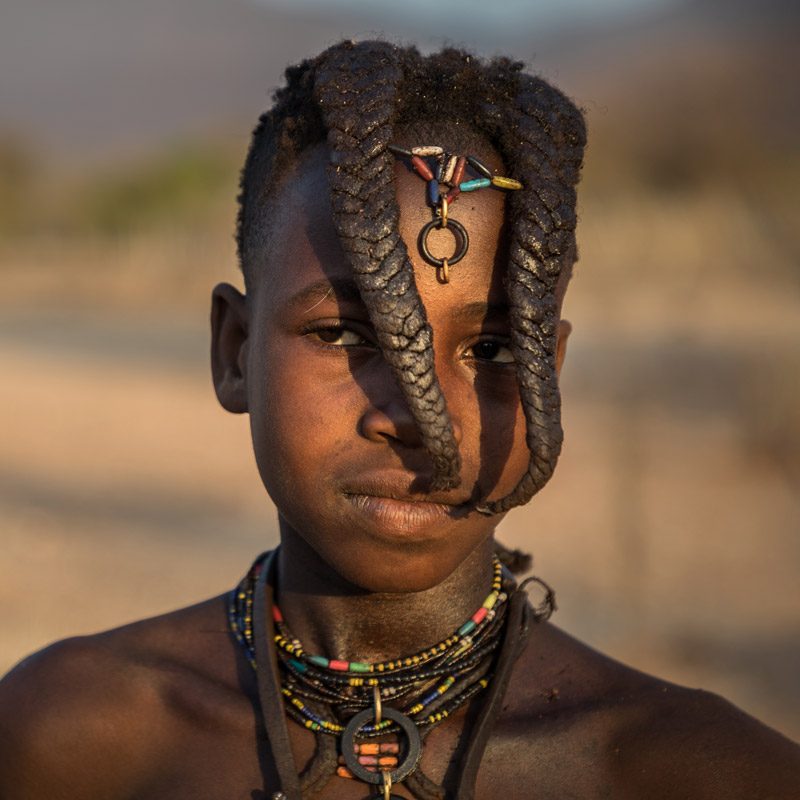
This reality, however, is not unique to the Mundari. Groups such as the Maasai of Kenya and Tanzania, the Himba of Namibia, the Fulani of the Sahel, and many communities across the Horn of Africa also entrust much of the herding work to their youngest members. Through these responsibilities, children develop practical skills, learn to work as a team, strengthen their autonomy, and become familiar with the land they will one day inherit. Herding livestock serves as a true open-air classroom, where careful observation and hands-on experience carry more weight than formal instruction.
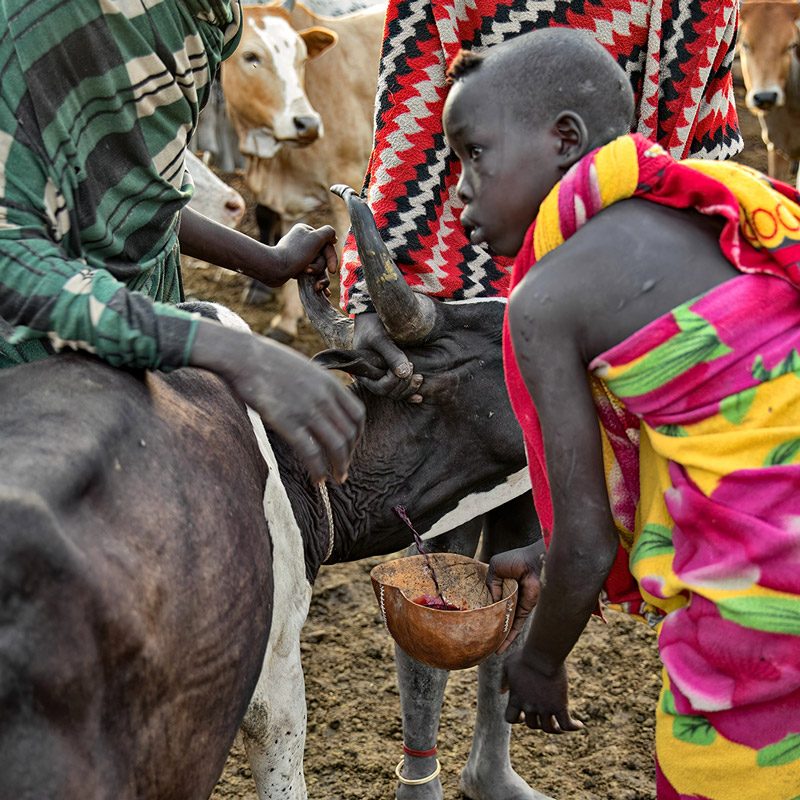
From an outside perspective, these scenes may appear to depict a childhood defined by labor. Yet understanding them requires placing them within their cultural context. In many pastoral societies, caring for livestock is viewed not merely as an economic obligation. But also as a form of education, belonging, and integration into the community. Recognizing this does not mean overlooking the challenges these communities face—such as unequal access to education or the pressures created by social and climate change—but rather acknowledging that ideas about childhood, learning, and children's responsibilities are not universal.

Anthropology reminds us that there are many ways of growing up and preparing for adulthood. Childhoods herding livestock are just one of the many realities that show how childhood can be experienced in very different ways depending on the cultural context. Understanding them requires seeing them through the perspectives of those who live them, rather than judging them solely according to our own cultural assumptions.
© Photos by Aníbal Bueno and Jordi Zaragozà Anglès.


 ES
ES

